







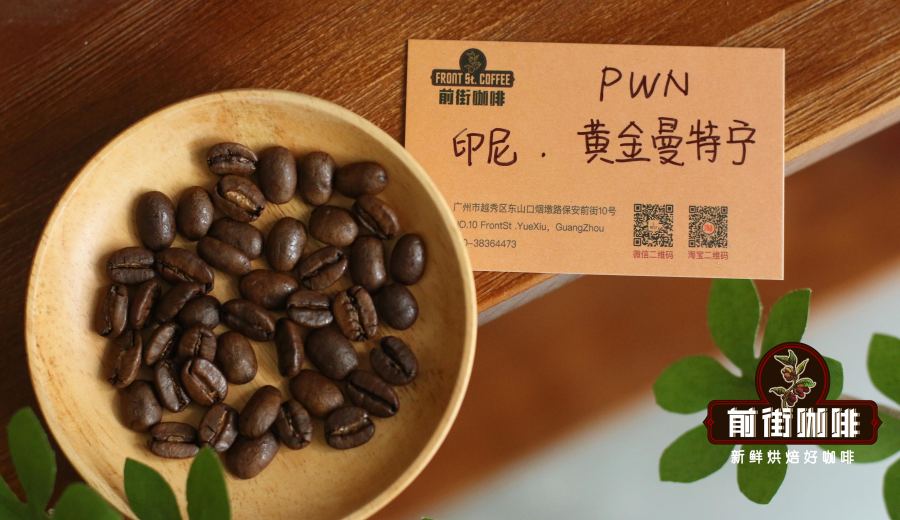
Introduction:The Golden Mandheling produced by Indonesia’s PWN is a standout among Mandheling coffees, renowned for its rich body and intricate layers. This article delves into the unique wet-hulling process behind it, uncovering the flavor origins of this classic bean. It also provides practical and precise parameters and recommendations for key pour over elements—such as grind size, water temperature, filter type, and pulse pouring techniques—to help coffee enthusiasts easily brew a Golden Mandheling with balanced flavors, pronounced sweetness, and rich complexity.
Mandheling coffee is famed for its bold and full-bodied taste, and Indonesia’s PWN Golden Mandheling stands out as a classic representation within this category. This bean is not only a recommended offering in many cafés but is also often considered the best entry point for espresso lovers exploring Mandheling-style flavors. Starting from its distinctive wet-hulling method, this article analyzes the causes behind Golden Mandheling’s unique aroma and flavor profile, and further breaks down core pour over parameters—like grind size, water temperature, filter type, and pulse pouring strategies—that should not be overlooked. It shares expert baristas’ hands-on insights to help you master the essentials and brew a clean, bright, sweet-aftertaste-rich, and well-layered Golden Mandheling.
Coffee drinkers who prefer a full-bodied taste are likely very familiar with the term “Mandheling.” Among various pour over offerings, a certain well-known brand’s Golden Mandheling, with its dark roast character and strong spicy and herbal notes, has become a favorite among many dark roast enthusiasts. However, to bring out the bean’s delicate spice tones and rich body, one must precisely control a series of pour over details. The following will begin with its flavor background, then take you deeper into how to use the correct brewing technique to extract the best Golden Mandheling.
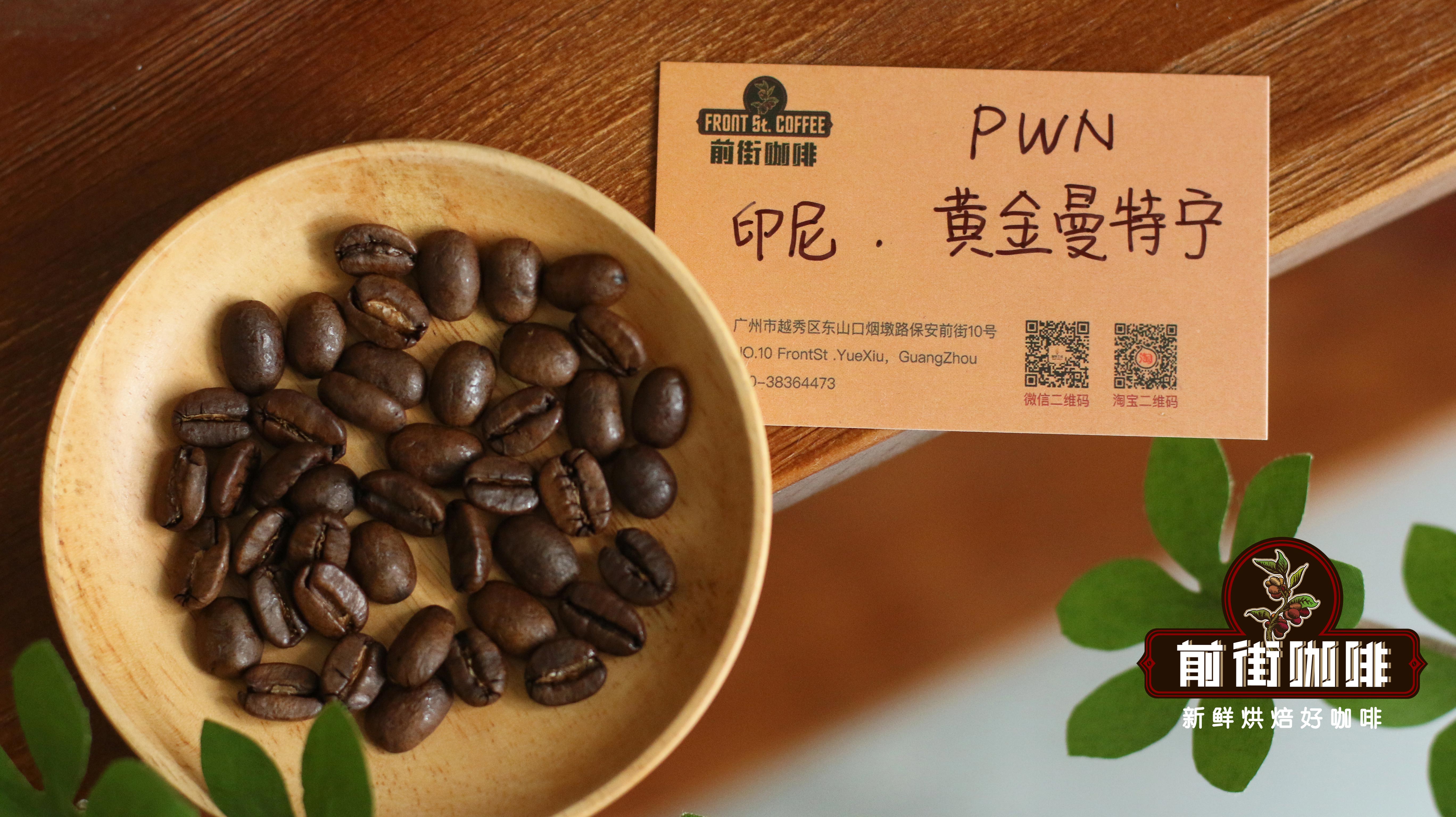
The origin of Mandheling flavors is inseparable from the wet-hulling process. As early as 1699, when the Dutch introduced coffee to Indonesia, the region’s humid and rainy climate made it difficult for traditional sun-drying or washed processing methods to be completed in a short time. As a result, the locals developed this special wet-hulling method. This approach first removes the outer skin and pulp of the coffee fruit, allows the beans to undergo brief underwater fermentation (about 3 hours) before washing off the mucilage, then dries them with the parchment layer for 2–3 days until the moisture content drops to 20–24%, and the beans reach a semi-soft state. At this point, a hulling machine is used to remove the parchment layer, and drying continues until the moisture content is about 13% before packaging.
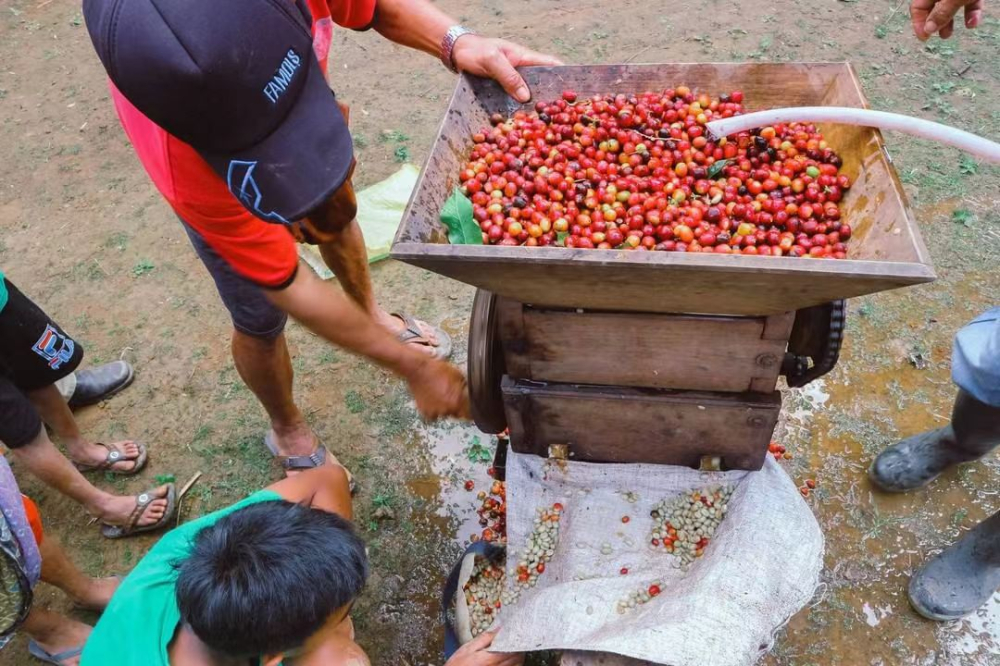 During the hulling process, due to high friction, green beans are prone to damage—especially cracking at both ends, forming what is commonly called “elephant ear beans.” These bare beans, unprotected by parchment, dry faster due to direct exposure to humid air and are also susceptible to specific microbes, giving rise to the woody, spicy, and herbal notes unique to Indonesian coffee—this is also the origin of the familiar “Mandheling flavor.”
So, what is Golden Mandheling? Simply put, it is a top-tier Mandheling product under Indonesia’s PWN company. Since PWN registered the “Golden Mandheling” trademark early on, only Mandheling produced by PWN can use this name in the market. This bean is strictly selected from the green bean stage, using only beans of 18 mesh or larger, and according to G1 grade standards, allowing no more than 3 defective beans per 300g sample—it is the highest grade of Indonesian coffee. Additionally, P
A well-known coffee brand, after acquiring PWN's Golden Mandheling, opted to roast it medium-dark to highlight its classic smoky richness and bold character. Cupping results show that its dry aroma features a complex blend of cedar, nuts, spices, and herbs; as water is poured, licorice and caramel notes gradually emerge; the sip reveals a harmonious profile of dark chocolate, cocoa, nuts, and spices, with a clean, full-bodied mouthfeel and a long, lingering finish. Given such a layered bean, pour over is the best method to showcase its nuances. Next, we’ll delve into the key extraction parameters.
First is the choice of grind size. This is one of the most important variables affecting coffee extraction efficiency. Generally, the finer the grind, the greater the surface area in contact with water, releasing more soluble substances and resulting in a richer coffee flavor—but it’s also prone to over-extraction, leading to bitterness. Conversely, grinding too coarse may under-extract, resulting in a weaker flavor. Experienced baristas recommend using a Chinese No. 20 0.85mm standard sieve to test grind size, aiming for a 70–75% passing rate for medium-dark roasted beans to avoid excessive release of large-molecule bitter compounds. In practice, take 10 grams of beans, grind them, sift, weigh the coffee powder that passes through the sieve, calculate the ratio, and adjust the grind setting accordingly.
Secondly, the brewing water temperature is also critically important. Water temperature directly affects extraction rate and flavor expression. For medium-dark roasted Golden Mandheling, the recommended water temperature is87–88°C, slightly lower than the 91–93°C for lighter roasts, to avoid releasing too many burnt, bitter compounds at high temperatures, which could throw off the overall balance. This temperature setting perfectly highlights caramel, nut, and spice notes while minimizing the risk of over-extraction.
The choice of filter also impacts extraction performance. For example, some specialty shops often use KONO filters for brewing high-body beans. This filter has ribs in the middle-lower section and a smooth curved surface on the upper part, ensuring the filter paper fits tightly against the filter, restricting airflow and extending hot water dwell time, thereby increasing extraction yield and coffee concentration. If you prefer a rich, full-bodied taste, the KONO filter is an ideal choice.
 As for the pulse pouring technique, it’s especially crucial for controlling extraction evenness. Beginners are advised to use the three-pour method, with a 1:15 coffee-to-water ratio. For example, with 15 grams of coffee, the total water volume is 225 grams. First, pour 30 grams of water for a 30-second bloom; second, slowly pour up to 125 grams using a steady circular motion; when the liquid level drops halfway, proceed with the final pour to reach 225 grams, keeping the total extraction time within about 2 minutes. This method effectively balances extraction, avoiding over-extraction in the early stages or under-extraction later.
Through the above pour-over strategy, the final Golden Mandheling delivers a full-bodied, rich cup with a caramelly sweetness on the finish. As it cools slightly, the aromas of cedar, spices, dark chocolate, and hazelnuts become more pronounced, with a clean, layered aftertaste—making it a high-quality Mandheling that’s truly worth savoring.
The above content is compiled by CoffeeHunters, a coffee news website.


