







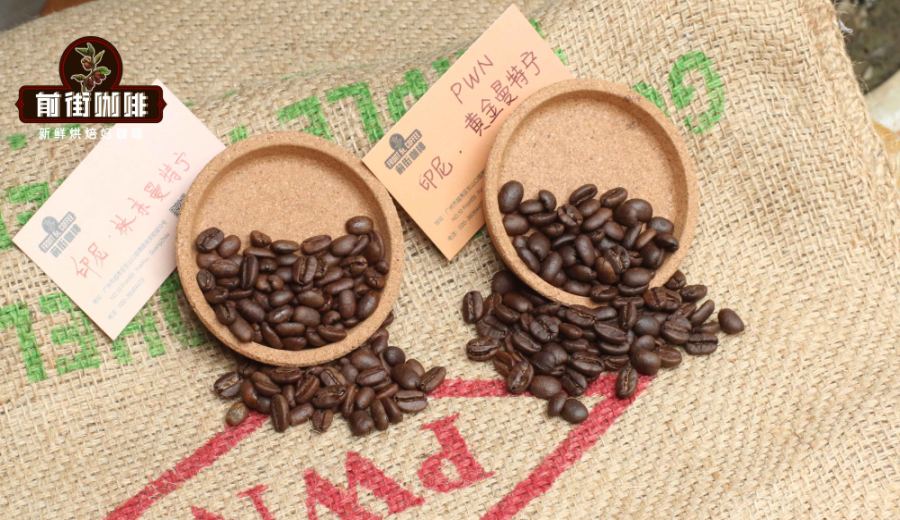
Introduction:Mandheling coffee is renowned for its rich and bold characteristics, with the classic variety from Sumatra’s Lintong region and the triple-hand-picked PWN Golden Mandheling being top choices for many coffee enthusiasts. This article provides an in-depth comparison of the two coffees in terms of their growing regions, processing methods, flavor profiles, and selection tips, along with practical references to help you find the most suitable Mandheling beans based on your brewing method and taste preferences.
Among the many Indonesian coffees, Mandheling stands out with its unique boldness and low acidity, making it a favorite among many coffee lovers. The two most recognized classic representatives on the market both come from Sumatra, but they differ significantly in regional details, processing methods, and final flavor expressions. Understanding these differences can help you make a more precise choice based on your brewing needs and taste preferences.
Lintong Mandheling coffee beans are mainly grown in the Lintong mountainous area in north-central Sumatra, not far from the famous Lake Toba, at an altitude of about 1100 to 1600 meters. This coffee is typically processed using the local wet-hulling method, with bean varieties primarily consisting of Typica and Catimor. The wet-hulling method is characterized by removing the outer layer of mucilage and parchment while the coffee beans are not yet fully dried. This process can easily cause the beans to be compressed and deformed, resulting in the distinctive “elephant ear” appearance, which is actually a common trait of Mandheling rather than a defect. This processing method gives Lintong Mandheling its low acidity and high body, with flavor notes often including toasted bread, nuts, caramel, pine, and herbs. It suits drinkers who prefer a bold and mellow taste.
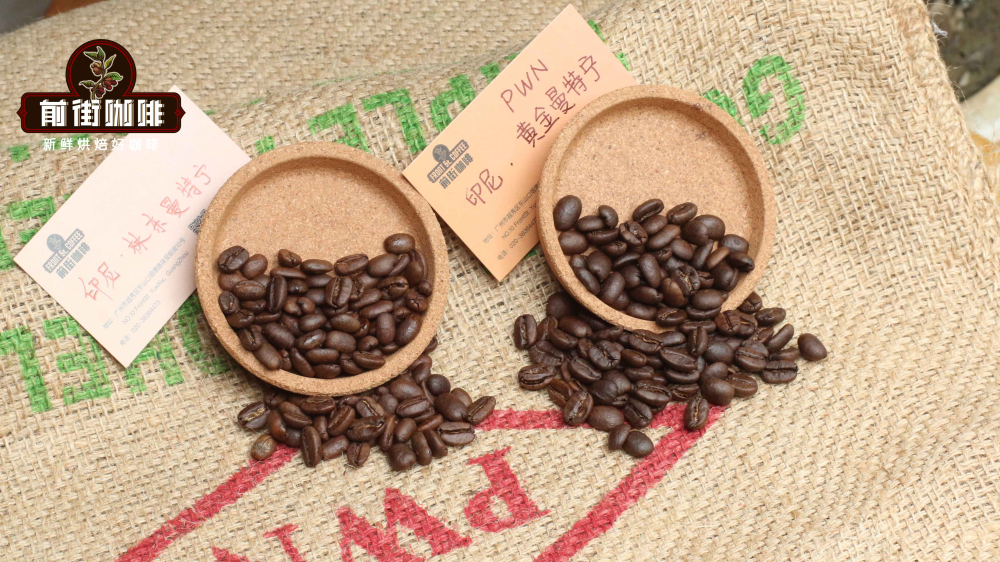
For consumers seeking higher quality and cleaner flavors, PWN Golden Mandheling is a step up. These beans are grown in the Gayo Mountains of Aceh, Sumatra, also within the 1100 to 1600-meter altitude range, but undergo a higher standard of screening. The bean variety for PWN Golden Mandheling is Ateng, graded as G1, and it is triple-hand-picked, with fewer than 3 defective beans per 300g of green beans, bean size reaching at least eighteen mesh, and a dark green color with a flat bean shape. During the green bean processing stage, in addition to routine density and color sorting, multiple rounds of manual selection are conducted to ensure that each bean meets consistently high standards in appearance and quality.
PWN Golden Mandheling also uses the wet-hulling method, but due to stricter raw material quality and selection procedures, its flavor profile is cleaner and brighter. Common flavor notes include spices, herbs, caramel, pine, nuts, and chocolate, with sweetness and aroma being noticeably more prominent, and fewer off-flavors on the palate. It’s worth noting that the name “Golden Mandheling” has been registered as a trademark by PWN, granting them exclusive usage rights. Therefore, only products clearly labeled as PWN Golden Mandheling on the packaging or product description are genuine. When purchasing, it’s advisable to check for relevant authorization certificates to avoid counterfeit products.
When selecting Mandheling coffee beans, if you prefer a bold, classic flavor with earthy and herbal notes, Lintong Mandheling is a great choice for entry-level and everyday drinking. If you value higher purity, sweetness, and aroma in the flavor, and are willing to pay a slightly higher price for more rigorously selected green beans, PWN Golden Mandheling offers a more refined taste experience. Additionally, since both coffees use the wet-hulling method, it’s recommended to pay attention to controlling the grind size and water temperature during grinding and brewing to fully bring out their bold and low-acid characteristics. For example, when using a pour over method, a medium-coarse grind is suitable, with water temperature advised to be between 90–93°C to balance flavor release and impurity suppression.
In summary, Lintong Mandheling and PWN Golden Mandheling each have their own distinct features—the former representing the classic Mandheling flavor, and the latter being a premium upgrade through strict selection. Whether you’re new to Mandheling or a coffee enthusiast searching for specific flavor profiles, understanding the regional background, processing methods, and flavor differences of these two coffees can help you make a wiser purchasing decision and enjoy the Mandheling experience that best suits your taste.
The above content is compiled by CoffeeHunters, a coffee news website.


