







Introduction:As the summer heat intensifies, cold drip coffee has become a popular choice for many to cool down and refresh. However, its price is often significantly higher than that of regular coffee. This article delves into the reasons behind the high cost of cold drip coffee, breaking down its cost structure from production techniques, time investment, equipment requirements, to raw material expenses. It also provides a flavor comparison between cold drip and cold brew, along with recommended single-origin coffee beans suited for cold drip, helping readers better understand this time-intensive and meticulously crafted coffee beverage.
With the arrival of summer, more and more coffee enthusiasts are drawn to the refreshing taste of cold drip coffee. However, when they take a look at the menu in cafés, they often find that cold drip is priced higher than regular drip coffee or even lattes, which naturally raises the question: why is this cup of coffee so expensive?
In fact, the pricing of cold drip coffee reflects not just brand premium, but the sum of its intricate brewing process, specialized equipment use, and the lengthy waiting period involved. This article will provide a detailed breakdown of the various cost components of cold drip coffee—from ingredient selection, extraction methods, to maturation steps—explaining each aspect so you can understand why every penny is worth it.
In many cafés, cold drip is often listed as a "premium option" on the menu, with prices that may be more than ten yuan higher than a basic drip coffee or even more. Some customers have wondered, "Isn't cold drip just pre-made coffee? Why is it more expensive than freshly made coffee?" The answer lies in the fact that although cold drip may seem to simply sit and wait, every step—from ingredient selection, filling, dripping, to maturation—is meticulous and requires patience.
Currently, the common types of iced coffee on the market can be divided into two main categories: one is brewed with hot water and then cooled with ice, such as iced pour over or iced americano; the other is extracted slowly using cold or room temperature water, which includes cold brew and cold drip. Among these, cold drip is the most time-consuming and technically demanding method.
Cold brew coffee has a low barrier to entry—just coffee grounds, cold water, and a container placed in the fridge to steep—which is why it can be easily made at home. However, cold drip coffee relies on specialized dripping equipment—a cold drip tower—which cannot be prepared on the spur of the moment.

The basic structure of a cold drip tower consists of three main parts: the top chamber holds the ice water and controls the dripping speed, the middle filter basket contains the coffee grounds, and the bottom chamber collects the extracted coffee liquid. The ice water drips very slowly, typically one to two drops per second, and the entire process can take five to eight hours or even longer, depending on the amount of coffee grounds and equipment used.
Taking the common coffee-to-water ratio of 1:10 as an example, 60 grams of coffee grounds can yield 600 milliliters of coffee liquid. Both too fast or too slow dripping speeds can affect the final flavor, so adjustments need to be made based on ambient temperature and equipment characteristics during operation. In addition, because the low-temperature environment suppresses the release of impurities, cold drip coffee is generally clearer and has fewer off-flavors compared to other brewing methods.
It’s worth mentioning that cold drip is a form of "dynamic extraction." Rather than steeping the coffee grounds in water for an extended period, the ice water continuously drips and filters through them. Therefore, compared to the static immersion of cold brew, the taste is cleaner and has more distinct layers. After the dripping is complete, the coffee liquid also undergoes "low-temperature maturation." It is generally recommended to refrigerate it for at least eight hours to allow the flavors to further integrate and develop a fermented note similar to wine aroma—this is also the origin of what is referred to as the "cold drip flavor."
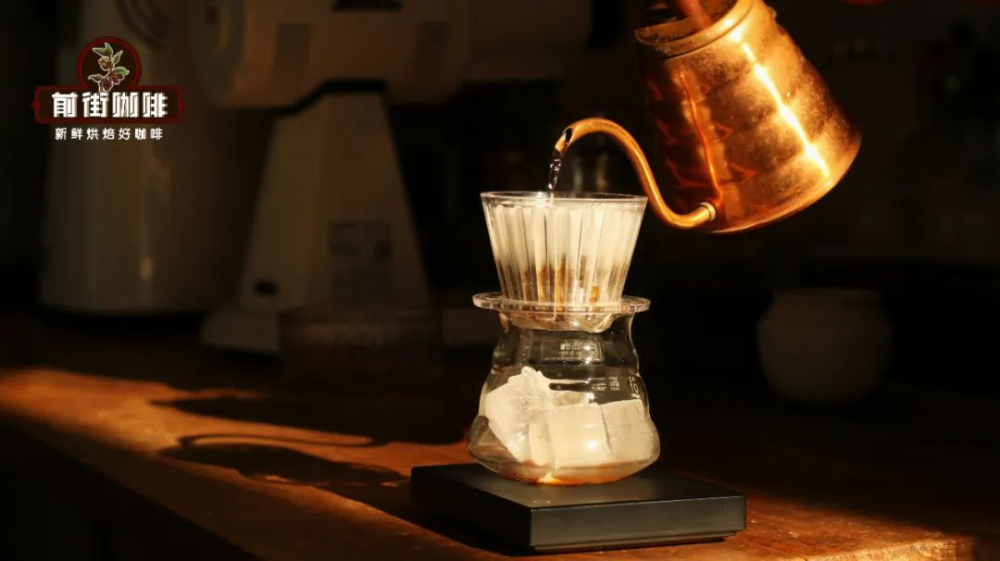
Overall, from the start of the dripping process to the coffee being ready to drink, a 600-milliliter bottle of cold drip coffee often takes over ten hours. This is also why many shops choose to make it by appointment. However, even if no appointment is needed, enjoying a well-balanced cold drip still depends on the barista’s experience and careful control.
When it comes to ingredient selection, to highlight the delicate and rich qualities of cold drip, many shops opt for high-quality single-origin beans with prominent fruity, floral, or fermented wine notes, rather than standard espresso blends. These beans, under the dual influence of slow dripping and low-temperature maturation, can showcase a richer layering, with bright acidity and a wine-like finish.
Additionally, the amount of coffee powder used in cold drip is generally higher than that of other brewing methods. For example, making 600 milliliters of cold drip often requires 60 grams of coffee powder, whereas the same amount might be used to brew four cups of pour over. This also leads to relatively higher raw material costs for cold drip, which are further reflected in the retail price.
Of course, price isn’t the only factor that determines flavor. Even if it’s not an expensive cold drip, as long as the beans are chosen appropriately and the dripping and maturation processes are well controlled, one can still enjoy a cold drip coffee that offers excellent flavor and good value for money. The key ultimately lies in the barista’s skill and dedication to detail.
The above content is compiled by CoffeeHunters, a coffee news website.


