







Introduction:Jamaica Blue Mountain coffee is hailed as one of the world’s top-tier coffees, known for its elegant and balanced flavor profile. However, few truly understand the story behind it. This article takes an in-depth look at the entire process of Jamaica Blue Mountain—from regional conditions and washed processing methods, to roasting and pour over parameters—to help you grasp the essence of this legendary coffee and understand why it commands such a high price yet remains highly esteemed.
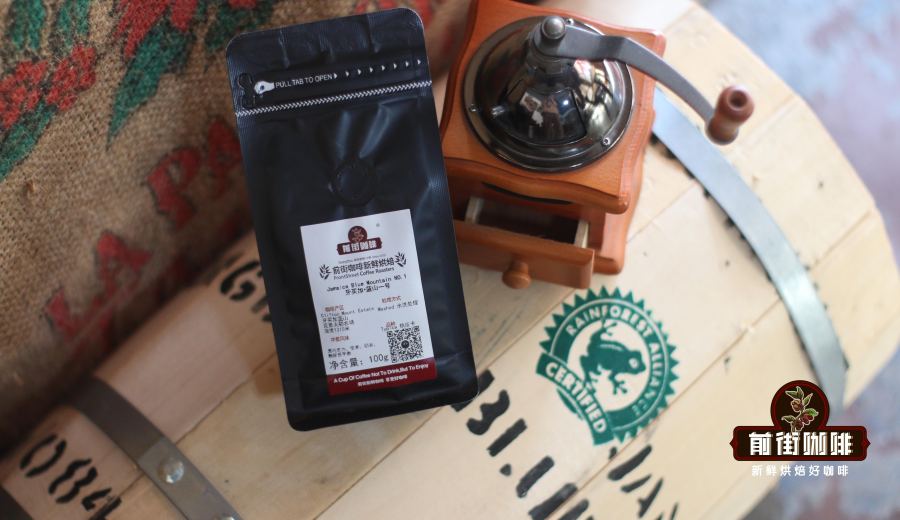
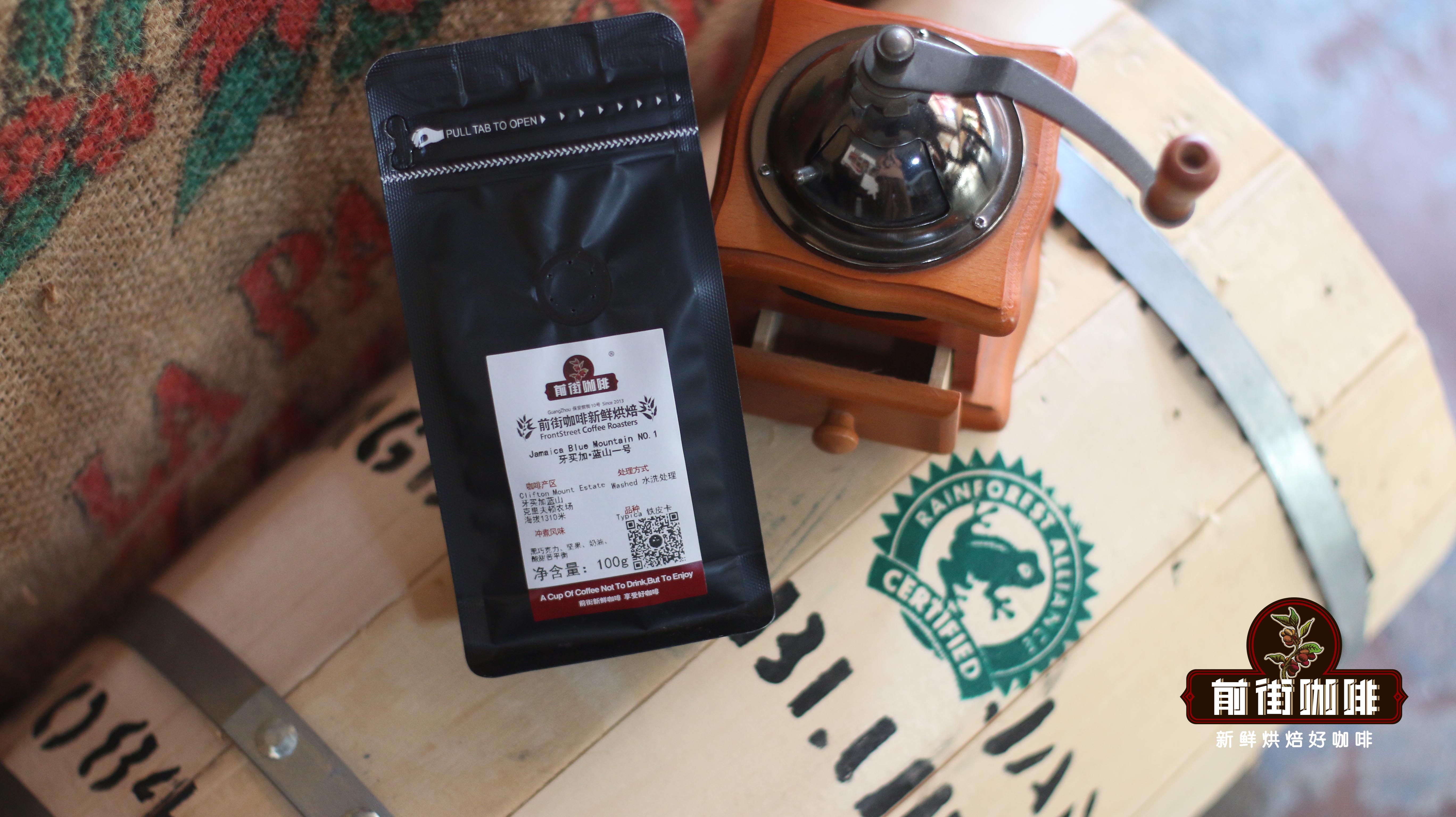
As one of the world’s most recognized premium coffees, Jamaica Blue Mountain is widely praised for its delicate and well-balanced taste. But for most consumers, beyond the impressions of “having heard of it” and “being expensive,” their knowledge is often limited. A certain coffee vendor’s imported Jamaica Blue Mountain No. 1 beans undergo rigorous quality control—from green bean selection and roasting profiles to the final brewing method—to showcase their true layers of flavor.
 The fame of Jamaica Blue Mountain coffee stems from multiple factors. First, its production is extremely limited, with an annual output of less than 800 metric tons, accounting for only 0.02% of global coffee production. Among these, the highest-grade Jamaica Blue Mountain No. 1 beans make up an even smaller proportion, and this scarcity directly drives up its market value. Second, the reputation of Blue Mountain coffee was established in the 1950s when the Jamaica Coffee Industry Board was founded. With government support, it unified quality standards and management, enabling Blue Mountain coffee to stay ahead of the curve even before the specialty coffee movement took off. Third, in the 1970s, Japanese company UCC provided aid to Jamaica after a natural disaster in exchange for 90% of the Blue Mountain coffee quota, which led to Japan monopolizing the supply for a long time and helped shape the near-mythical status of Blue Mountain coffee. It wasn’t until the early 2010s that China officially began importing Blue Mountain coffee, gradually opening up the Asian market.
Authentic Jamaica Blue Mountain coffee must come from the core area of the Blue Mountains in Jamaica, a region covering about 6,000 hectares with elevations between 1,000 and 1,700 meters. According to regulations by the Jamaica Coffee Industry Board (CIB), only Arabica Typica variety coffee grown in this area qualifies as “Jamaica Blue Mountain coffee.” Coffee produced outside this zone can only be classified as “High Mountain coffee” or “Jamaica Select coffee.” Notably, while the Typica variety boasts exceptionally high sweetness
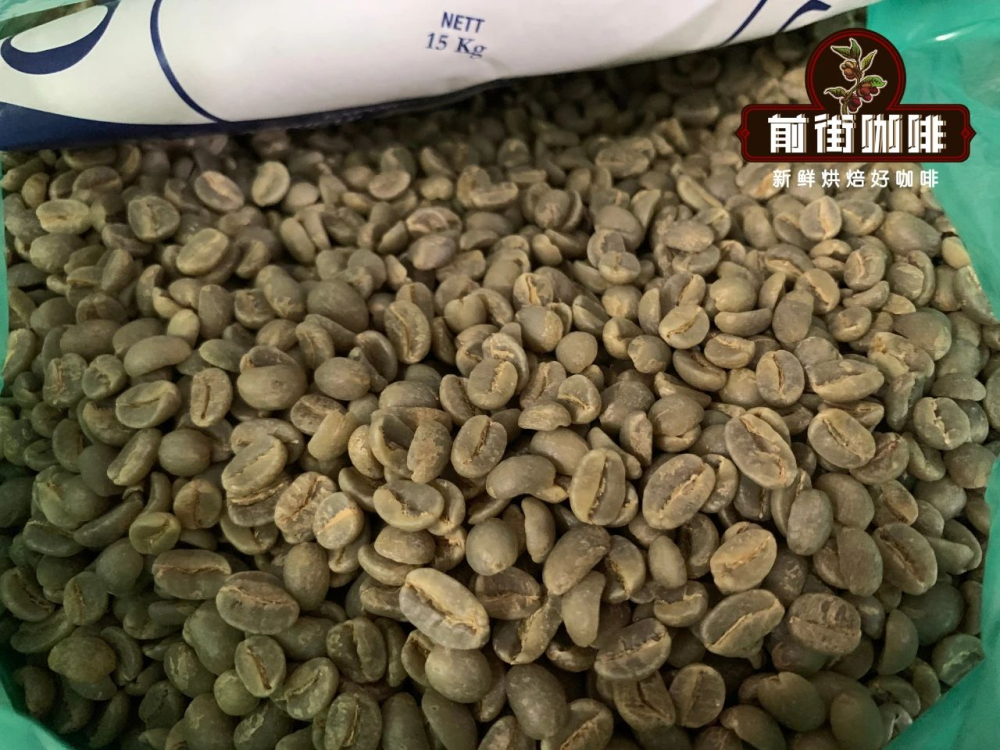 The elegant flavors of Blue Mountain coffee stem not only from its variety and altitude but are also inseparable from its uniquewashed processing method.The washing station at Clifton Estate is proudly branded as "COFFEE SPA," emphasizing that every single coffee bean is treated with meticulous care. After harvesting, the coffee cherries must undergo flotation within 10 hours to remove unripe beans, followed by pulping, fermentation, and washing processes. Notably, due to the local spring water temperature being only around 15°C, the Clifton processing facility innovatively controls the fermentation water temperature between 26–28°C, reducing the fermentation time to just 8 hours. This significantly improves efficiency while lowering bacterial risks. In addition, the facility employs water treatment technology to reduce water usage per 60 pounds of coffee cherries from 1,200 liters down to 20 liters, and adjusts the wastewater pH to 5.5—suitable for agricultural use—demonstrating a strong commitment to sustainability.
After processing, the coffee beans have a moisture content of about 55%, which needs to be sun-dried under strictly controlled temperatures (not exceeding 34°C) to reach 34%, then mechanically dried to the ideal storage moisture level of 11–12%. During this process, the beans are left to rest in specially designed wooden houses for a month to promote flavor stabilization and maturation. These elaborate steps ensure that the final exported Blue Mountain coffee beans maintain an exceptionally high level of quality consistency.
For export, Blue Mountain Grades 1 to 3 are all packaged in high-qualitywooden barrels,a distinction that is exclusively granted to Blue Mountain coffee worldwide. The wooden barrels not only help regulate humidity but also prevent aroma loss, contributing to superior flavor expression during roasting. In contrast, other grades of Jamaican coffee are transported in common 60-kilogram jute sacks. Every batch of Blue Mountain coffee must pass rigorous inspection by the Jamaica Coffee Industry Board before export and is accompanied by a certificate of origin and a quality certification label to guarantee its authenticity.
In terms of roasting, one roaster believes that to fully showcase the delicate and balanced characteristics of Blue Mountain coffee,medium-dark roastingis the most suitable choice. This roast level highlights the dominant notes of nuts and dark chocolate while maintaining low acidity and low bitterness, resulting in a well-defined and harmonious flavor profile. During cupping, one often experiences a rounded sweetness and rich body, with almost no sharp acidity or bitterness—making it the epitome of a “perfect balance” in the eyes of many coffee enthusiasts.
If you wish to brew high-quality Blue Mountain coffee at home, here are a few recommendations to keep in mind: the grind size is advised to be set at75% passing through a #20 sieve,approximately the coarseness of coarse sugar; the water temperature should ideally be87–88°C,as too high can lead to over-extraction, and too low may hinder flavor release. For the coffee-to-water ratio, you may choose based on personal taste preference between1:13 and 1:15.A stronger taste can be achieved with 1:13, while 1:15 offers a lighter, more balanced profile. Additionally, usingKono filter conesor other immersion-style filters can help enhance the body and smoothness of the cup, allowing the delicate flavors of Blue Mountain coffee to be presented more fully.
The above content is compiled by CoffeeHunters, a coffee news website.


