







Introduction:The Flower Butterfly coffee beans are a hybrid Geisha variety from the Boquete region of Panama, blending 70% Geisha with Caturra and Catuai. Processed using the natural (sun-dried) method, they showcase delicate floral aromas and honey-like sweetness. This article delves into the terroir of the origin, variety characteristics, processing techniques, and pour over parameters to help you understand the unique appeal of this high-value single-origin bean—and learn how to brew it to achieve its best flavor.
In the past, Blue Mountain and Kona were seen as symbols of top-tier coffee. However, with the rise of specialty coffee trends, consumers have developed a preference for beans with vibrant fruity and floral notes and a refreshing taste. Geisha (Geisha) emerged in this wave, quickly rising to the ranks of premium coffee with its distinctive floral profile and bright acidity—even overshadowing traditional famous beans. Nevertheless, Geisha’s immense popularity has also been accompanied by auction prices that continue to hit new highs—though this leaves coffee enthusiasts both enchanted and frustrated, they still can’t resist its charm.
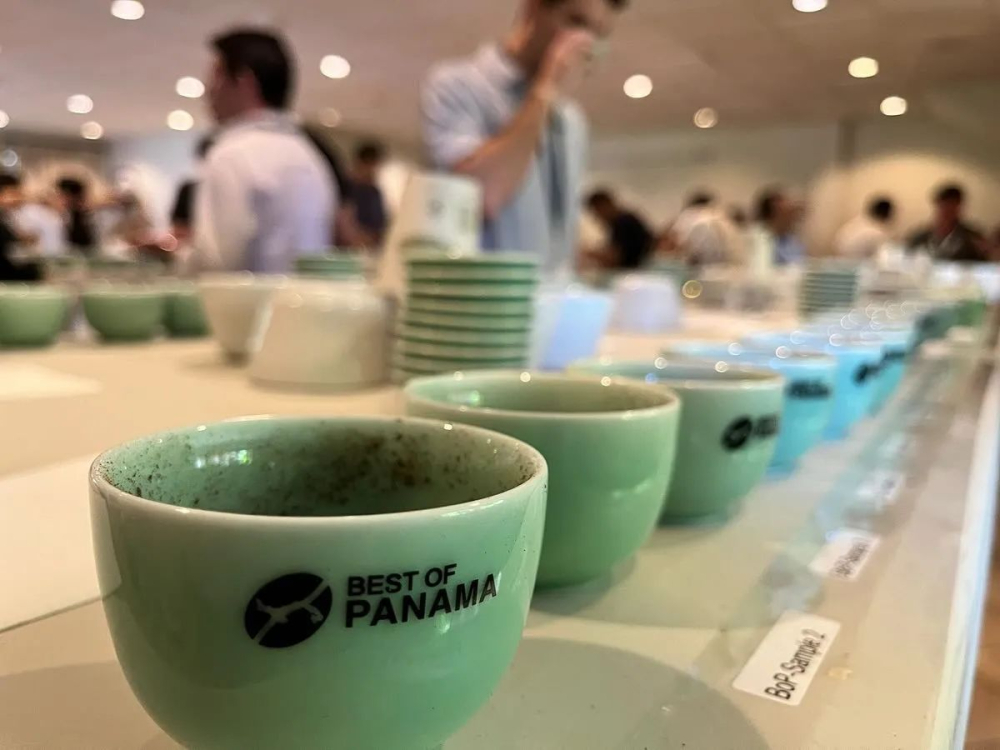
Though originating in Ethiopia, Geisha truly shone in Panama. In the 1930s, the variety was discovered in the Gesha Forest and later traveled through Kenya, Uganda, and Tanzania, finally arriving at CATIE Agricultural Research Institute in Costa Rica in 1953 under the code T2722. It wasn’t until the 1970s that it was introduced to Panama, where long-term cultivation eventually led to its victory in the BOP competition in 2004, establishing its status as the king of specialty coffee.
Panama is located in Central America, bordering Costa Rica and Colombia, and features numerous microclimates suitable for cultivating high-quality coffee. Among them, the Boquete region, adjacent to the Barú Volcano, benefits from moderate altitude and fertile soil, making it home to many renowned farms such as Emerald, Elida, and Caturra Duncan. The area’s large diurnal temperature variation and even rainfall distribution provide an ideal environment for coffee trees, resulting in complex and deep flavors in the coffee.
When people talk about premium Geisha, the first names that come to mind are often well-known estates like Hacienda Esmeralda. However, some shops offer Flower Butterfly coffee beans that deliver a similar flavor experience at a more accessible price. These beans, grown in the Boquete region of Panama, may sound like a blend due to their name—but they are actually single-origin, single-process coffee produced at a single mill.
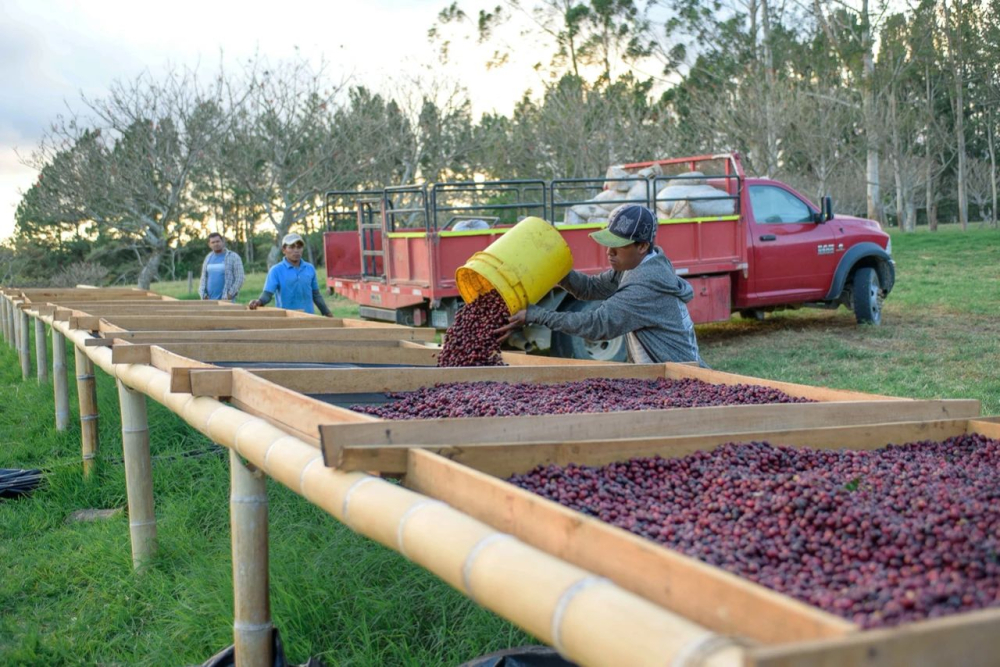
The Flower Butterfly coffee beans are grown at an altitude of 1600 meters in the Barú Volcano region, with a varietal composition of 70% Geisha, along with Caturra and Catuai. These three varieties have been interplanted historically, harvested separately, and then blended during processing. This preserves the dominant characteristics of Geisha while adding overall body. The natural (sun-dried) processing method, aided by the region’s abundant rainfall, significant diurnal temperature variations, and mineral-rich volcanic soils, imparts rich floral notes, honey-like sweetness, and citrus tones to the coffee.
Interestingly, the growing area is often frequented by wild butterflies, and the surrounding ecology along with beekeeping further enrich the environmental characteristics. Although it’s a blend, because all the varieties come from the same origin and undergo the same processing, it still qualifies as a single-origin coffee. For coffee lovers seeking a high cost-performance way to enjoy Geisha flavors, Flower Butterfly is a choice not to be missed.
When talking about Geisha, most people first think of bright floral notes, honey-like sweetness, and citrus acidity. To highlight these characteristics, a roaster selected a medium-light roast to control the Maillard reaction time, preserving more volatile aromatic compounds. Due to the beans’ higher density, a high flame is used initially for fast dehydration, followed by reducing the heat just before first crack to slow down the temperature rise—minimizing damage to the delicate aromas. This ensures the final cup reveals clear berry, floral notes, and a gentle sweetness.
When brewing Flower Butterfly coffee beans at home, it is recommended to use a V60 filter to fully showcase its layered profile. The specific parameters are as follows: water temperature set to 92°C, 15 grams of coffee, a 1:15 coffee-to-water ratio, and a grind size equivalent to 80% passing through a standard Chinese No. 20 sieve—that is, medium-fine grind.
Recommended brewing steps: Start by pouring 30 grams of water for blooming for about 30 seconds to help release the coffee’s aroma. Then, slowly pour water in small streams, focusing on the center and spiraling outward, until you reach 125 grams. When the water level drops close to exposing the coffee bed, continue pouring to a total of 225 grams. The overall extraction time should be controlled around 2 minutes. This parameter setup helps balance acidity, sweetness, and body, presenting the delicate flavor profile of Flower Butterfly coffee beans.
In summary, Flower Butterfly coffee beans, with their unique variety combination, excellent origin conditions, and refined processing techniques, offer a high-value Geisha flavor experience. Whether you are already experienced with single-origin coffee or just starting out, you can appreciate the diverse charm of Panamanian coffee through this bean. Mastering the correct brewing skills will allow you to fully unlock its layered expressions of floral, honey, and citrus notes.
The above content is compiled by CoffeeHunters, a coffee news website.


