







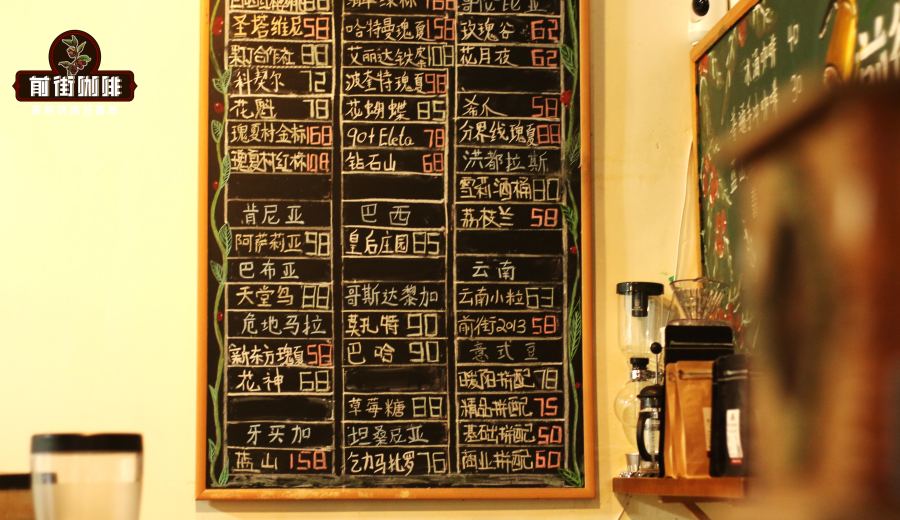
Introduction:Jamaican Blue Mountain coffee is hailed as one of the world’s top-tier coffees, but its true flavor profile is far from the so-called “Blue Mountain flavor” widely circulated in the market. This article delves into the history and origins of Blue Mountain coffee, the unique characteristics of its growing region, the flavor differences between the washed and natural processing methods, introduces the Rainforest Alliance certification of the Clifton Estate, and teaches you how to identify authentic beans through certificates, wooden barrel packaging, and official emblems. It also provides practical KONO filter brewing parameters and pulse pouring techniques, helping you gain a deeper appreciation of the charm of this rare coffee.
When it comes to Blue Mountain coffee, many coffee enthusiasts feel a sense of longing. However, the market is flooded with various drinks labeled as having a “Blue Mountain flavor,” which are actually worlds apart from genuine Jamaican Blue Mountain coffee. What exactly qualifies as authentic Blue Mountain coffee? What unique flavor characteristics does it possess? And how can you brew it correctly and identify the real thing? This article will take you on a comprehensive exploration—from the region’s history, differences in processing methods, estate certifications, to practical brewing advice—to fully understand this globally renowned premium coffee.
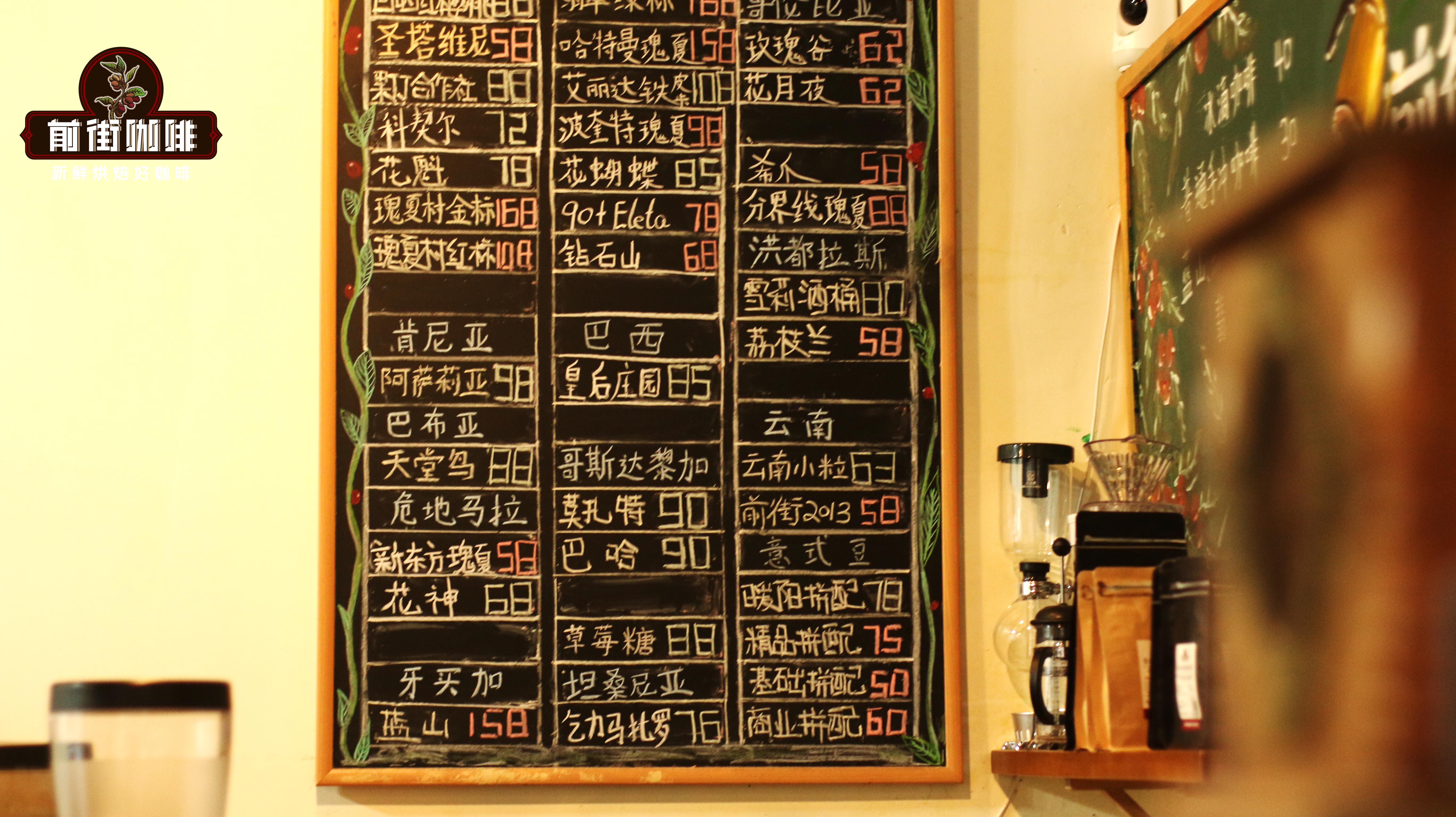
The fame of Blue Mountain coffee stems not only from its outstanding flavor but also from its extremely limited production and high standards of quality control. In fact, much of the “Blue Mountain coffee” seen in supermarkets or vending machines is merely caffeinated flavored beverages, with no connection whatsoever to the authentic coffee from the Blue Mountains of Jamaica. So, what does real Jamaican Blue Mountain coffee look like? Let’s start with its two main processing methods.
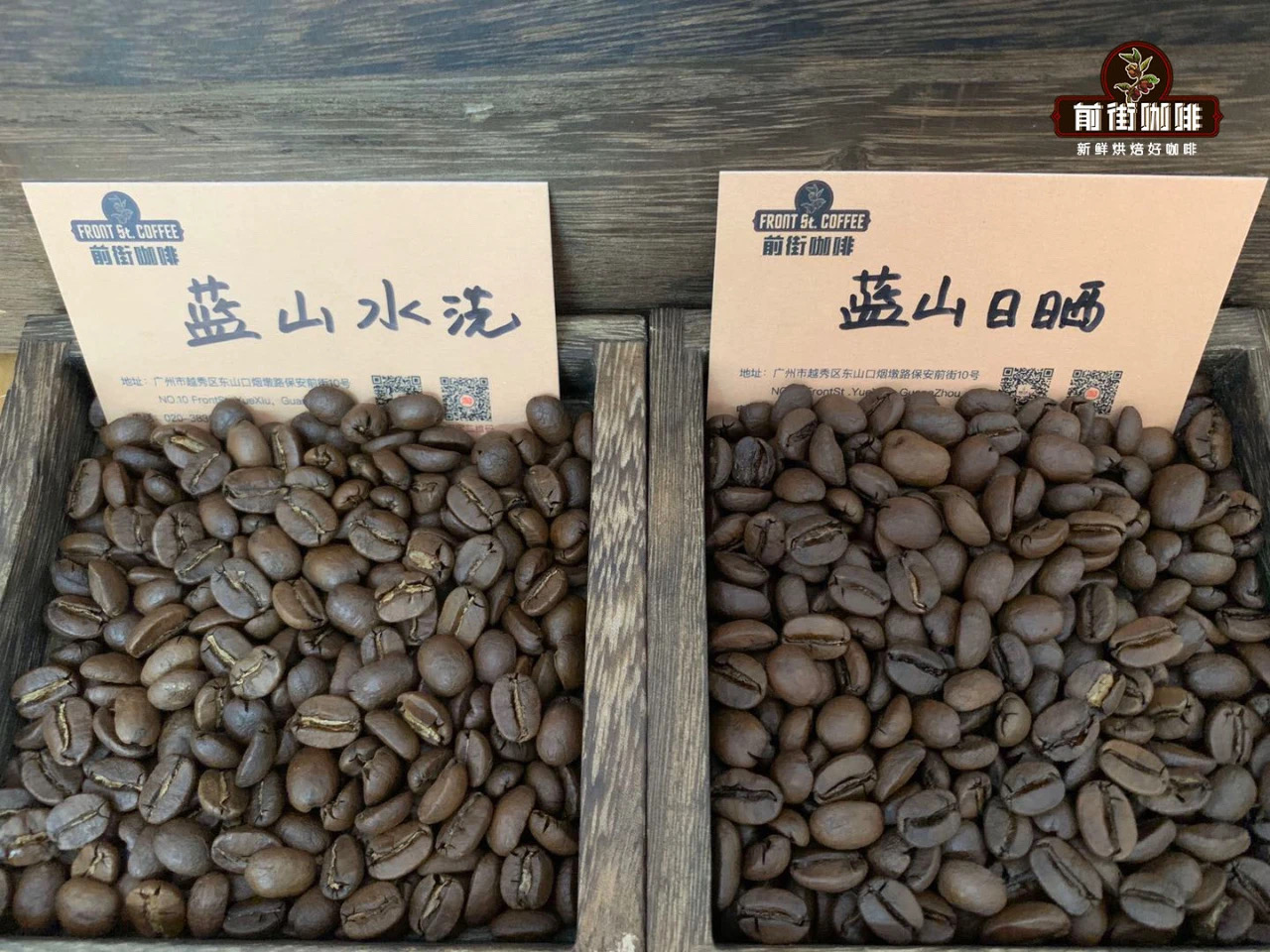
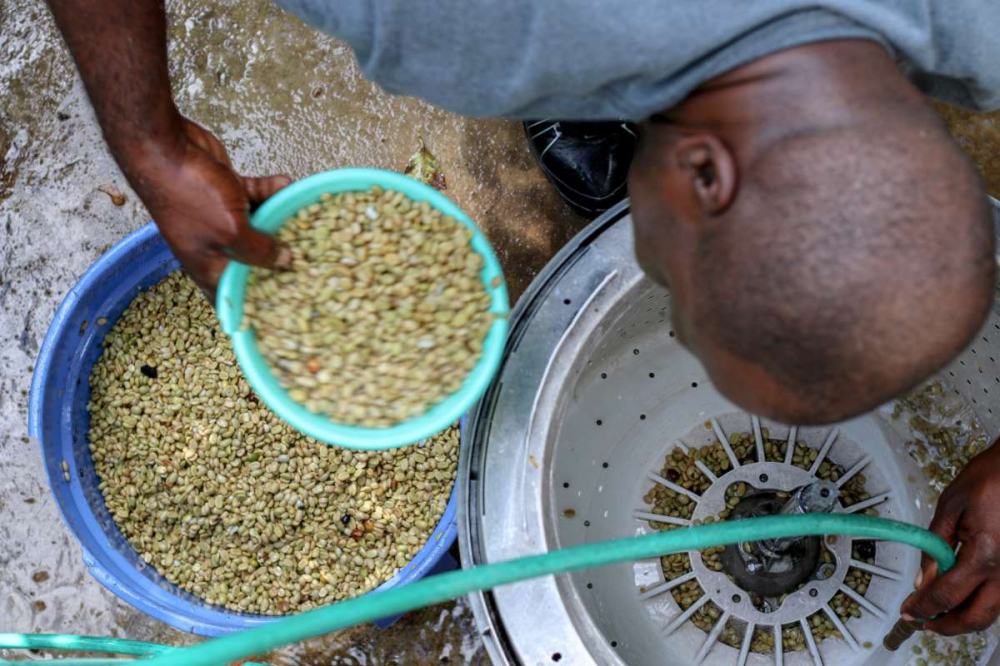
Currently, the most common Blue Mountain coffee available on the market comes in two processing versions: washed and natural. Among them, the washed process has always been the signature technique for Blue Mountain coffee, capable of more clearly showcasing the terroir characteristics of the region, resulting in a clean and bright cup. A certain well-known coffee supplier offers Jamaican Blue Mountain No.1 washed beans, grown at an altitude of 1310 meters at the Clifton Estate, belonging to the Typica variety. Its flavor profile presents a sweet brown sugar note and berry acidity upon entry, followed by layers of nuts and cocoa in the mid-to-late stages, with a creamy mouthfeel and a lingering walnut aroma.
The natural Blue Mountain, while less common, is an innovative version introduced by the Blue Mountain region in response to the trends of the specialty coffee market. This version also comes from the Clifton Estate, with a flavor profile that leans richer—offering notes of dark chocolate and nuts upon entry, overall balanced with a good body, high cleanliness, and a well-harmonized interplay of acidity, sweetness, and bitterness. Although the natural process faces higher challenges in the Blue Mountain region, producers have strived to overcome environmental limitations to present a different expression of Blue Mountain flavor.
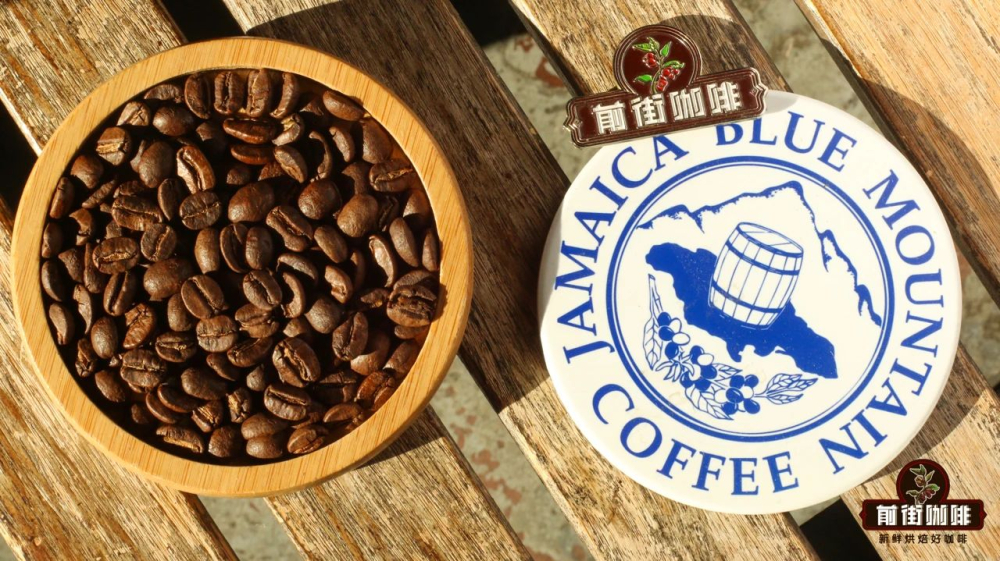
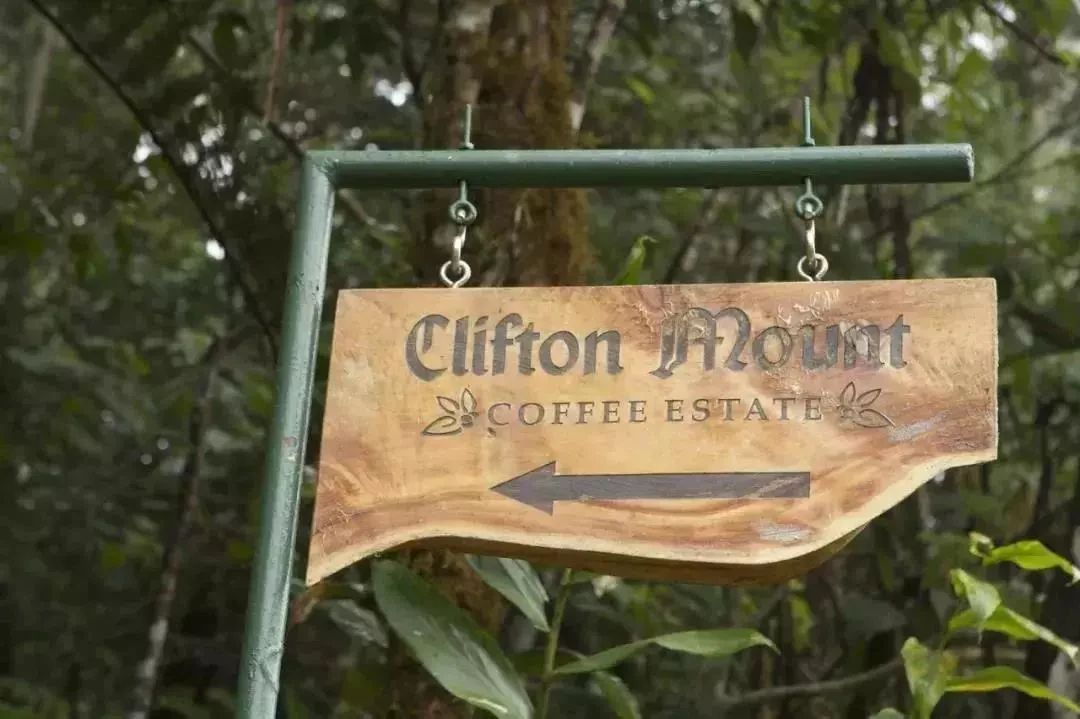
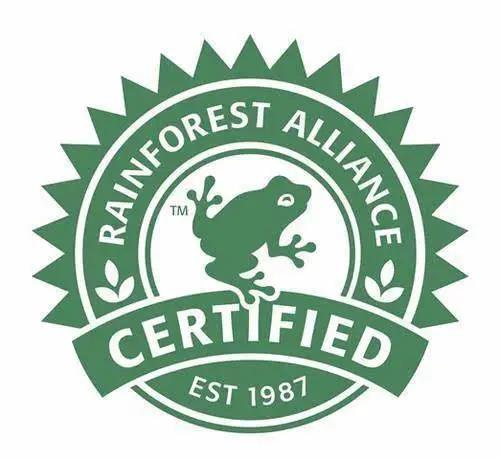
When discussing Blue Mountain coffee, one cannot overlook the Clifton Estate—this is the oldest and most representative coffee estate in the Blue Mountains, and the only Blue Mountain coffee producer to have earned “Rainforest Alliance Certification.” To obtain this certification issued by the Rainforest Alliance, farms must pass rigorous evaluations, including ecological conservation, pesticide management, and waste disposal, ensuring that coffee production aligns with environmental sustainability. The certification mark features a green frog, so if a wooden barrel is printed with this green frog graphic, you can confirm that the Blue Mountain coffee comes from the Clifton Estate, making this one of the practical indicators for authenticity.
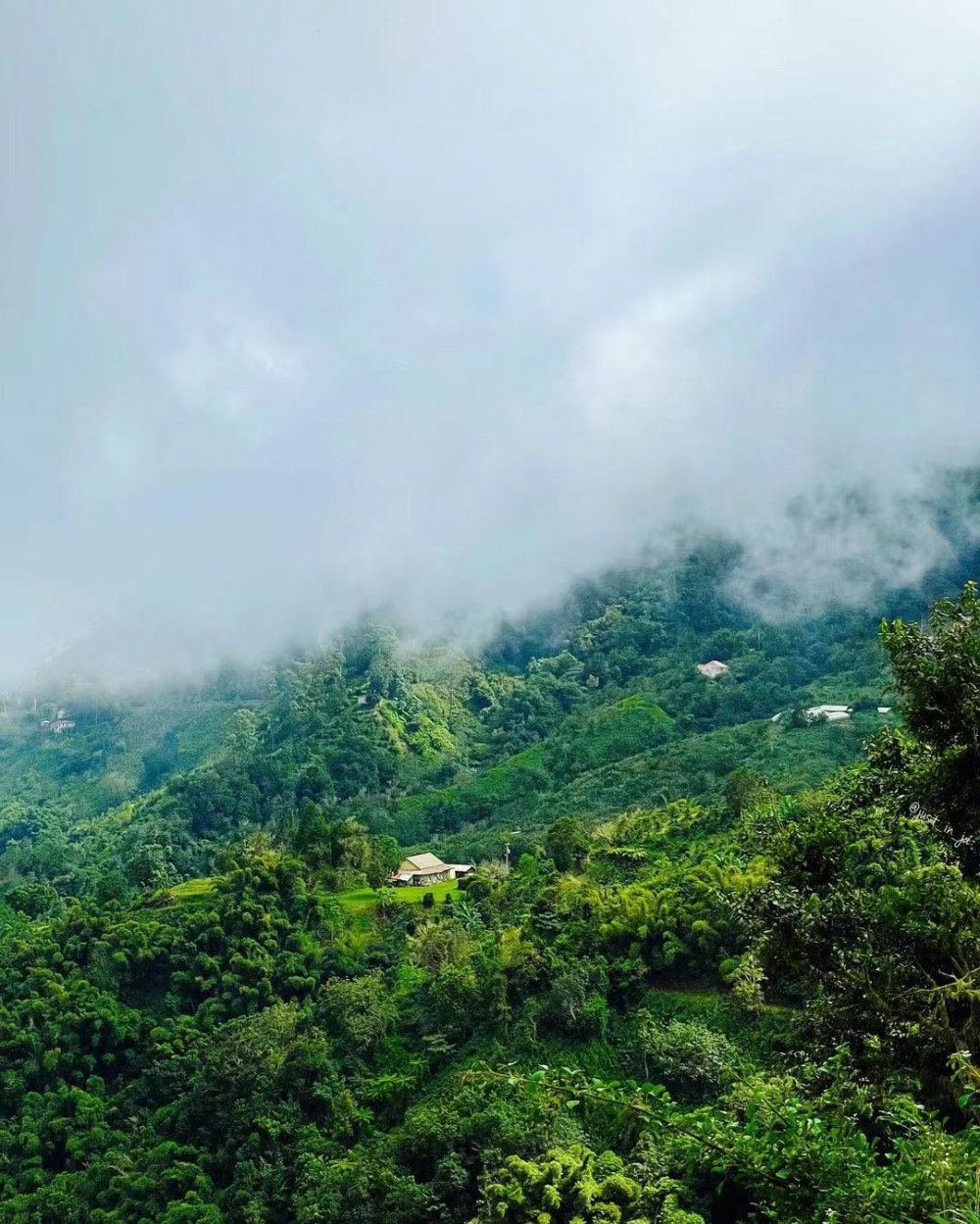
The history of Blue Mountain coffee dates back to the 18th century, when British colonists introduced the Typica coffee variety to the Blue Mountains of Jamaica. This region, blessed with high altitudes and year-round cloud cover, fosters a unique microclimate that gives the coffee beans exceptional quality potential—so much so that it once became the coffee of choice for the British royal family. By the year 1800, there were as many as 686 coffee plantations in the Blue Mountain region, and by 1814, exports had exceeded 15,000 tons, making it one of the major coffee-exporting regions in the Western Hemisphere.
However, after the abolition of the slave trade in 1807, Jamaica lost a significant portion of its labor force for cultivation, leading to a decline in coffee production. The full abolition of slavery in 1838 saw many former coffee farmers leave the region for other uncultivated lands, further reducing the output of Blue Mountain coffee. By 1850, the number of plantations had dwindled to just 186, with exports plummeting to 1,486 tons. Over the following century, the production model of Blue Mountain coffee gradually shifted from large estates to small-scale family farming, resulting in inconsistent quality and eventually prompting key importing countries such as Canada and the United States to temporarily suspend imports.
It wasn’t until 1944, when Jamaica established a centralized washing station and the government began regulating the coffee procurement, processing, and grading processes, that the quality of Blue Mountain coffee gradually rebounded. The establishment of the Jamaica Coffee Industry Board in 1950 further set quality standards and oversight mechanisms, issuing official seals for exported coffee. In 1969, Jamaica was hit by a hurricane, and Japanese UCC Ueshima Coffee introduced eco-friendly farming techniques to aid recovery. The Jamaican government then signed an agreement with Japan in 1971, agreeing to export 90% of its annual production to Japan, with the remainder mostly flowing into the high-end market—this is also the main reason why Blue Mountain coffee is rarely seen in the general market.
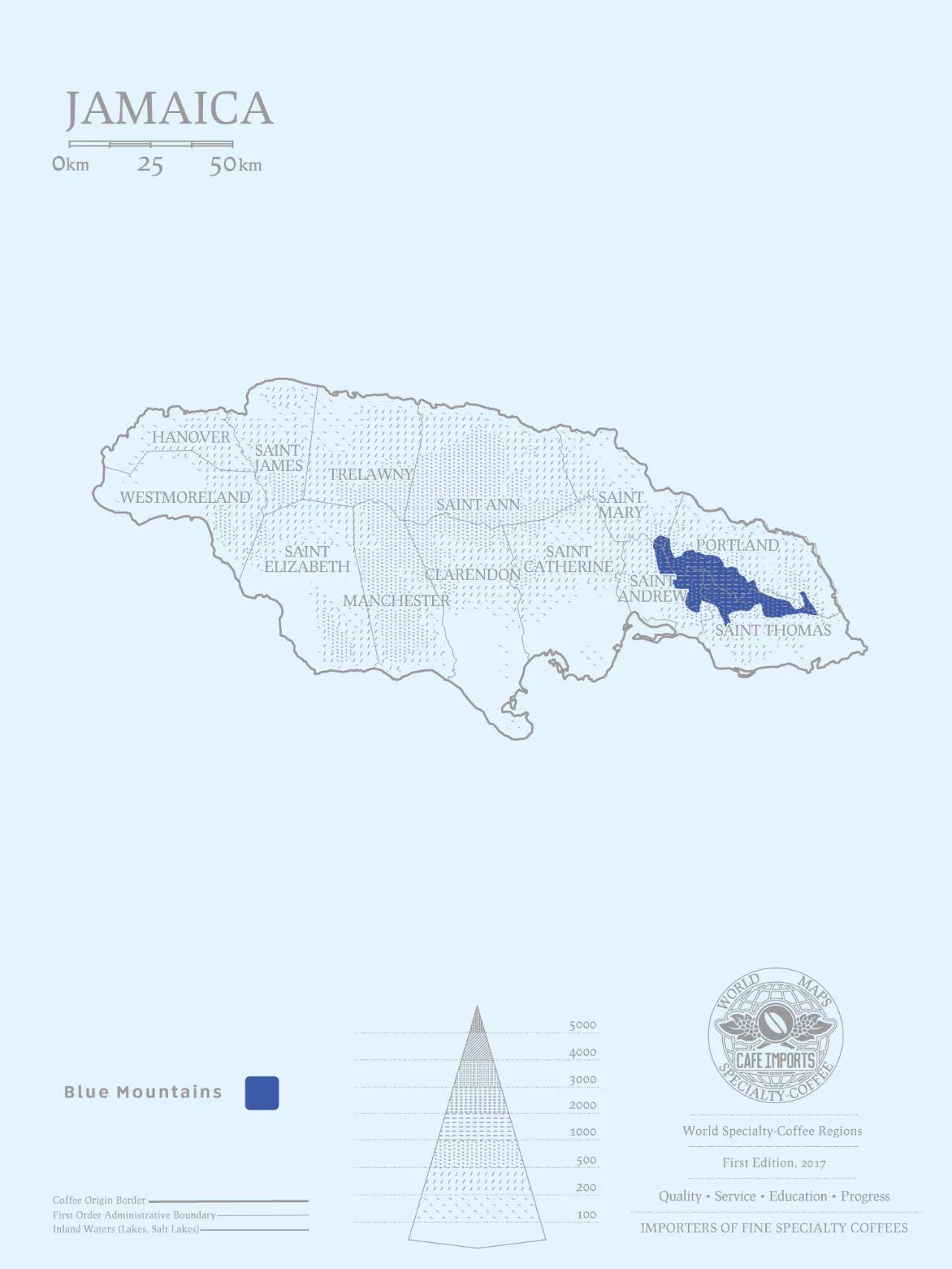
Today, the planting area of Jamaican Blue Mountain coffee is approximately 6,000 hectares, accounting for only a small fraction of products labeled as “Blue Mountain.” The government-established Jamaica Coffee Industry Authority (CIB) is responsible for quality control, technical guidance, and brand maintenance, strictly stipulating that only coffee beans grown at altitudes above 2,200 feet (about 670 meters) in the Blue Mountain region qualify to be called “Jamaican Blue Mountain.” The CIB is also one of the few countries in the world with a dedicated coffee management agency, and the rigor of its certification system is the key reason behind the rarity and high price of Blue Mountain coffee.
For consumers, identifying authentic Blue Mountain coffee beans can be approached through three key aspects: first, check whether it comes with a quality certificate issued by the Jamaica Coffee Board; second, verify that it originates from one of the four government-approved processing factories and sixteen exporters; third, ensure it is accompanied by a Certificate of Origin for Blue Mountain coffee. Additionally, authentic Blue Mountain coffee is only packed in wooden barrels for green beans, a clear distinction from other regions that typically use jute sacks. The CIB has a strict grading system for Blue Mountain coffee, divided into four grades: NO.1, NO.2, NO.3, and PB (peaberry), with NO.1 being the highest grade. It requires a screen size of 17/18, with a defect rate below 3%, and is recognized in the market as top-tier quality.
If you wish to brew a cup at home that approximates the quality found in specialty Blue Mountain cafes, it is recommended to use a KONO filter with a medium-coarse grind (approximately 75% passing through a 20-mesh sieve), a brew ratio of 1:15, and water temperature controlled at 88–89°C. The KONO filter, due to its uniquely designed ribs, prolongs the contact time between water and coffee grounds, helping to enhance body and flavor extraction. For specific operation, start with a 30-second bloom using 30 grams of water, followed by pouring in a circular motion with a slow stream until reaching 100 grams (total weight 130 grams). Once the coffee bed has settled halfway, switch to a faster pour with a larger stream to add 65 grams of water, for a total brew water volume of 195 grams, completing the brew in approximately 1 minute and 50 seconds. This will fully showcase the delicate layers and rich aromatic qualities of Blue Mountain coffee.
In summary, Jamaican Blue Mountain coffee is not only a product of geography and climate but also the crystallization of rigorous management and craftsmanship. From the region’s history, processing techniques, certification standards, to actual brewing practices, every aspect reflects its uniqueness as a top-tier coffee. We hope that through this article, you’ll gain a deeper understanding of the true nature of Blue Mountain coffee and come to appreciate its truly one-of-a-kind flavor when you taste it.
The above content is compiled by CoffeeHunters, a coffee news website.


