







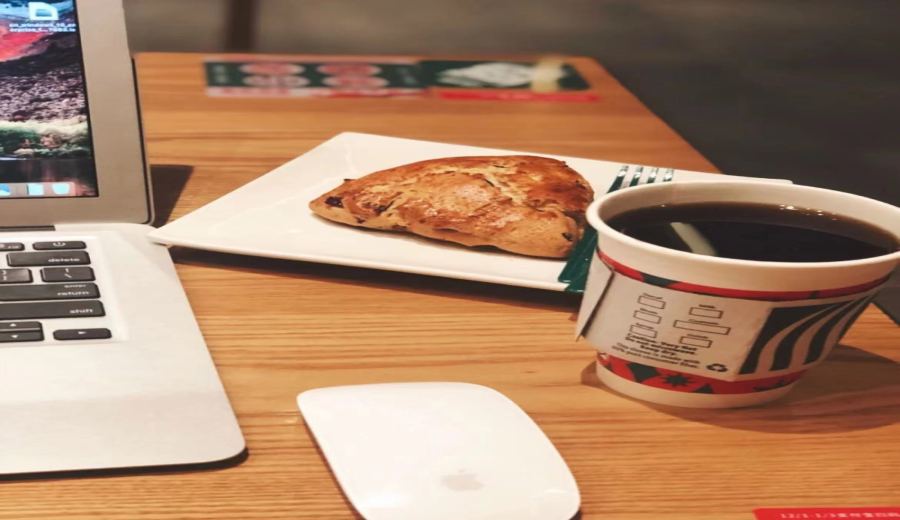
Introduction:Want to uncover the brewing secrets behind Starbucks coffee? This article takes an in-depth look at the four mainstream extraction methods commonly used in Starbucks stores—espresso, drip, cold brew, and pour over. We’ll break down the key parameters of each technique, from grind size and water temperature to pressure and extraction time, and explore how different methods influence flavor profiles. Whether you prefer bold and rich flavors or crisp and balanced ones, you’ll find a coffee that suits your taste.
Starbucks has numerous outlets worldwide yet maintains relatively consistent coffee quality, thanks to its standardized production processes. Currently, its products are primarily made using four core techniques: fully automatic espresso machines, drip machines, cold water immersion extraction, and manual pour over using filter cones and paper filters. Each method varies in grind size, water temperature, pressure, and timing settings, resulting in distinctly different flavor profiles.
First, let’s look at “espresso machine brewing.” This method produces extremely concentrated coffee by grinding beans into fine powder and using the machine’s pressurized function to force hot water at around 94°C to quickly pass through the coffee grounds. This allows a small amount of highly concentrated coffee to be extracted in a short time. Such coffee typically has strong roasted nut and caramel aromas, with an intense flavor that might feel a bit overwhelming for first-time coffee drinkers. To cater to a wider audience, Starbucks offers a variety of drinks based on espresso, such as Americano (espresso diluted with water), Latte (espresso with milk), and Cappuccino (espresso with milk and thick foam).
The second common method is “drip machine brewing.” Unlike espresso machines, drip machines do not use pressure. Instead, medium-fine ground coffee is placed in a container lined with a paper filter, and hot water is automatically poured over it by the machine, allowing the coffee to drip naturally through the filter. This method is used for Starbucks offerings such as “Coffee of the Day,” “Weekend Coffee,” or “Fresh Drip Coffee.” Note that this product has been temporarily discontinued in some regions (such as China) but is still commonly found in overseas stores.

The third method is “cold water immersion extraction,” better known as cold brew coffee. Traditional hot water extraction can release excessive bitter and astringent compounds, whereas cold brew uses cold water to steep coffee grounds, followed by a long extraction period in a refrigerated environment, usually taking 12 to 18 hours. The advantage of this method is that the low temperature reduces the release of bitter components while preserving more acidic and sweet flavors, resulting in a cleaner and fuller-bodied coffee taste. Additionally, cold brew generally has a higher caffeine content, making it suitable for when you need a pick-me-up, but the downside is the longer extraction time, requiring advance preparation.
Finally, we introduce “pour over drip coffee.” This method involves placing a paper filter on a filter cone and manually pouring hot water evenly over the coffee grounds using a gooseneck kettle, causing the grounds to bloom and release soluble flavor compounds, which are then filtered through the paper. The standout feature of pour over is its clean and balanced flavor, moderate concentration, and ability to highlight the subtle layers of the coffee beans. However, since the entire process relies on manual operation, it is less stable compared to mechanized processes, and results may vary slightly with each brew. But for coffee enthusiasts who seek personalized flavors and a hands-on experience, pour over is definitely worth trying.
In summary, understanding the parameters and characteristics of these four extraction methods can help you choose the Starbucks coffee that best matches your flavor preferences. Whether it’s the intensity of espresso, the freshness of drip, the richness of cold brew, or the subtlety of pour over, each method has its unique charm, waiting for you to experience and explore firsthand.
The above content is compiled by CoffeeHunters, a coffee news website.


