







Introduction:The diversity of coffee flavors stems not only from origin and variety, but processing methods also play a crucial role. This article provides an accessible yet in-depth introduction to five mainstream processing techniques—natural (sun-dried), washed, honey, wet-hulled, and anaerobic fermentation—analyzing their workflows, flavor profiles, suitable origins, and common characteristics. This will help you choose the right coffee beans based on your taste preferences and elevate your tasting experience.
The processing method of coffee beans is a key factor that influences the final flavor of a cup of coffee. From traditional techniques to innovative processes, each method imparts unique characteristics to the beans. Understanding these differences not only allows us to appreciate the diversity of coffee more deeply but also helps guide our selection with greater clarity.
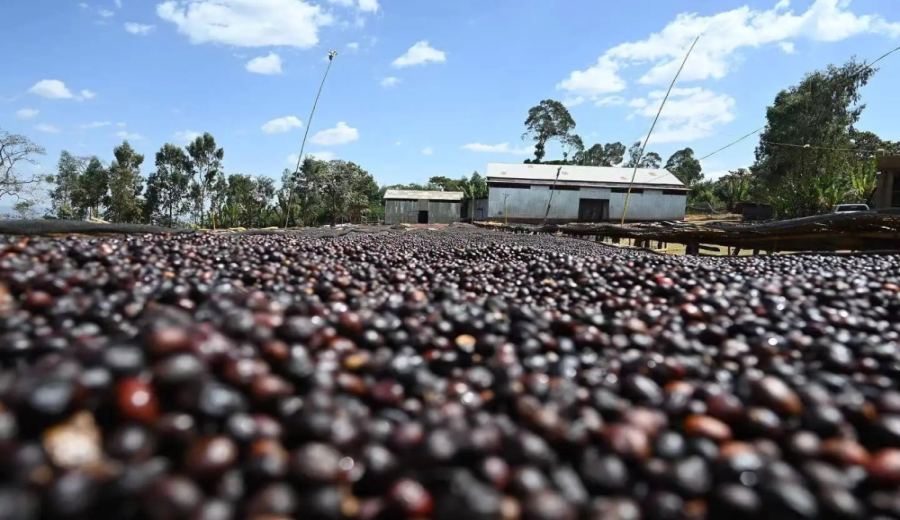
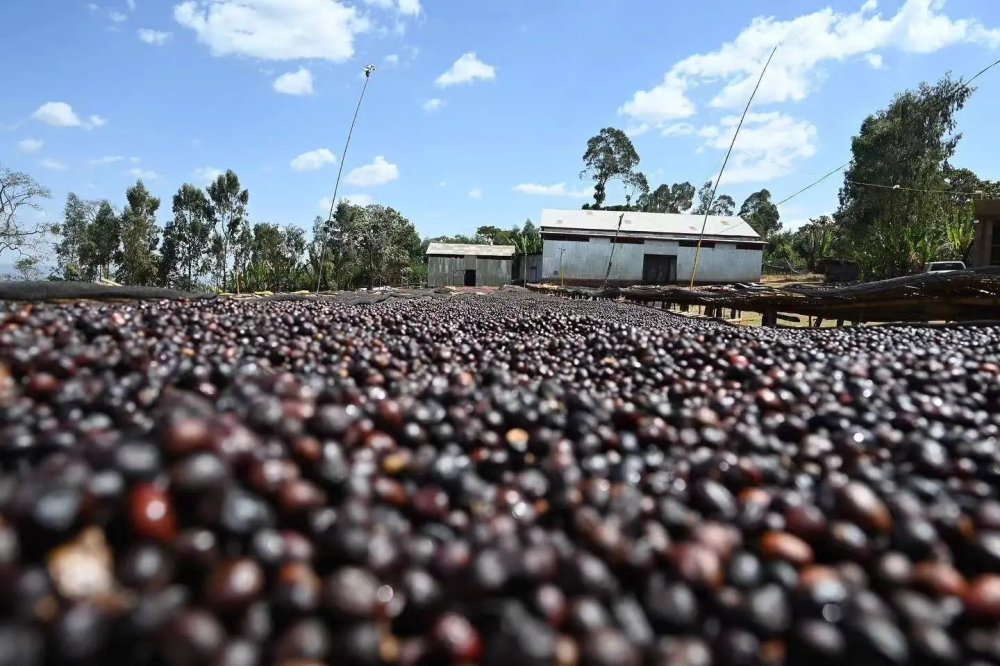
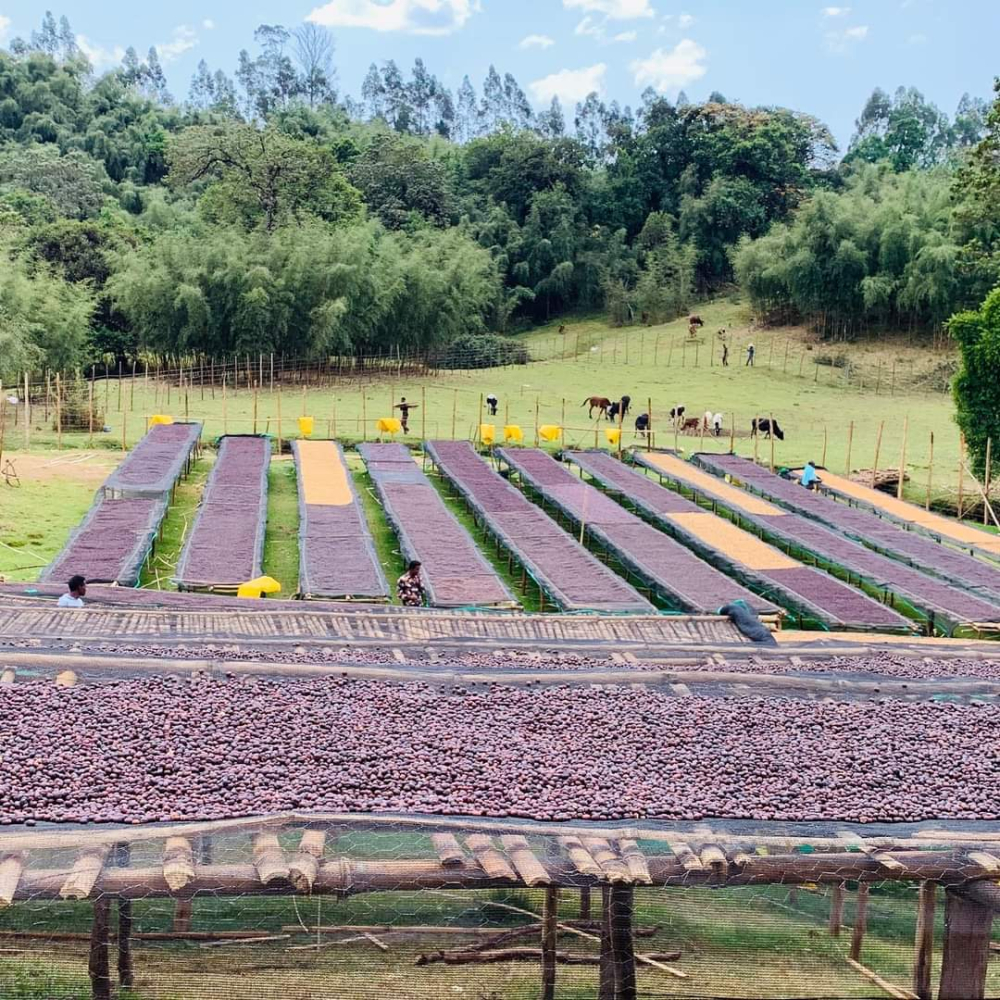
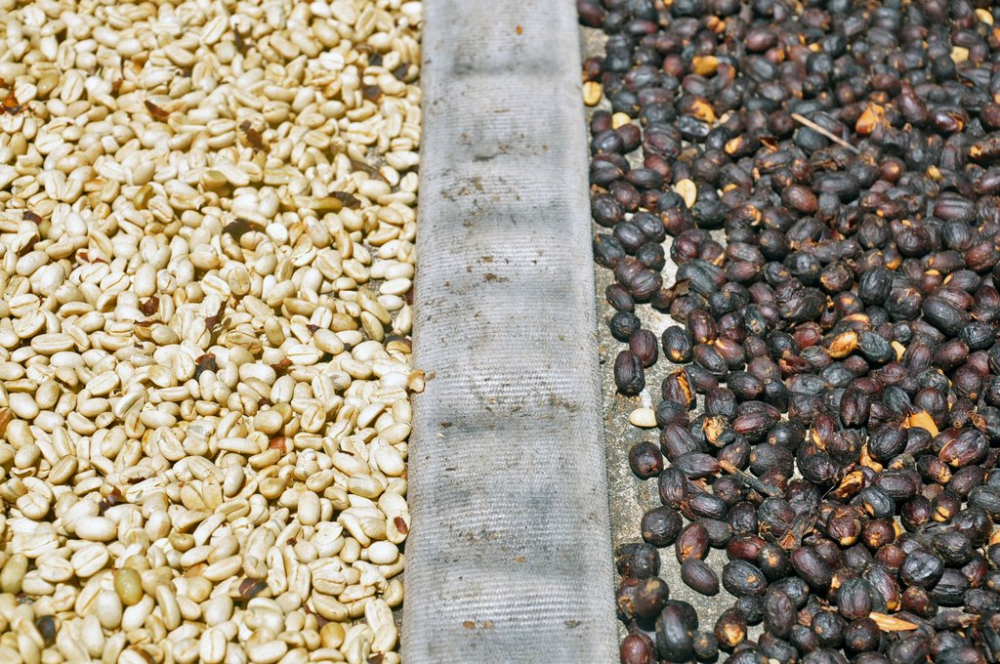
Among them, the natural (sun-dried) method is the oldest processing technique, predominantly popular in dry, sunny regions such as Ethiopia. This approach involves manually selecting harvested coffee cherries to remove defective ones, then placing them directly on raised beds or the ground for drying over 27 to 30 days until the moisture content drops to 11–13%. Due to the lengthy drying period, sugars and fermentative compounds from the fruit pulp can penetrate the seed, resulting in rich sweetness and unique fermented aromas. However, drying on concrete surfaces can easily introduce impurities, so extra care must be taken to ensure cleanliness.
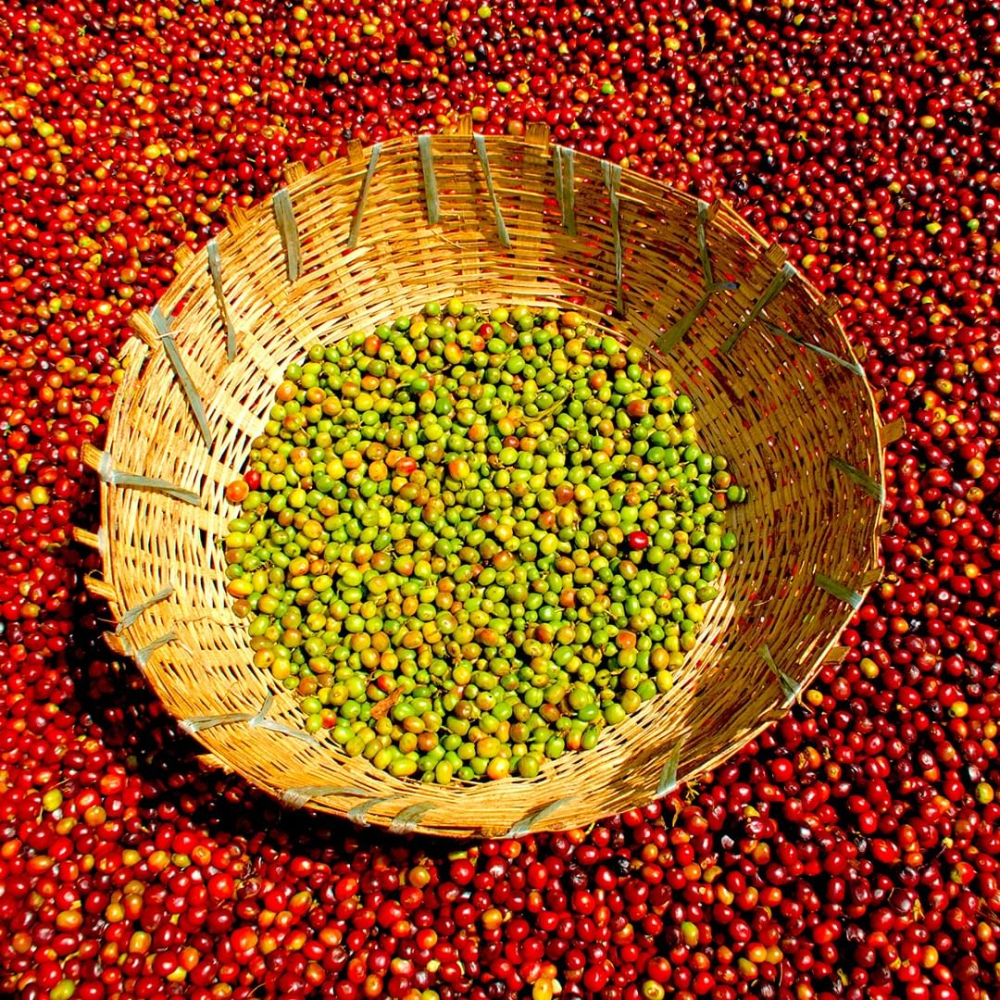
Another common and widely used method is the washed process, especially prevalent in Central and South American regions with well-established water resources and processing facilities. The process includes using floatation to remove unripe cherries and impurities, then employing a pulper to remove the skin and flesh, followed by washing away the sticky mucilage with clean water. Next comes the fermentation stage, which typically takes about 18 hours to break down the remaining mucilage. This process consumes a significant amount of water—approximately 40–50 kilograms of water per kilogram of coffee beans—making it difficult to implement in water-scarce areas. After fermentation, the beans are rinsed again and then dried to a moisture level of 11%, followed by removal of the parchment and silver skin.
Washed beans usually exhibit pronounced acidity, with clear and clean flavors, and tend to have more silver skin. If not handled properly during brewing, this may interfere with flavor release. Compared to natural beans, washed beans often appear bluish-green in color, whereas natural beans tend to be yellowish-green, and the former also typically has a higher residual silver skin content.
The Kenyan region has further developed the K72 processing method, an advanced version of the washed process. This method involves three cycles of 24-hour fermentation, with rinsing in clean water after each cycle, significantly enhancing the layered acidity. It often carries bright acidic notes reminiscent of dark plums or cherry tomatoes, adding depth and complexity to the coffee’s flavor profile.
The honey process originated in Costa Rica, and its defining feature is the retention of some or all of the mucilage layer. The basic procedure involves floatation to remove defects, pulping to remove the skin, and then retaining the mucilage, followed by 1 to 2 weeks of sun drying. During this period, the beans are regularly turned to ensure even drying, allowing them to fully absorb the natural sugars from the mucilage, thereby enhancing sweetness and body. Among these, the grapefruit honey (or “raisin honey”) process retains the mucilage entirely and sun dries for at least three days, resulting in extremely high sweetness and intense tropical fruit flavors. This is commonly seen in high-end beans like Costa Rica’s Musician Series.
However, the honey process demands specific climatic conditions, as humid environments can easily lead to mold. Therefore, it is less commonly used in rainy regions such as Indonesia. Indonesia predominantly employs the wet-hulled method, which involves fermenting the beans after removing the skin and flesh to eliminate the mucilage, then sun drying them with the parchment layer until the moisture content reaches around 20%. The parchment is subsequently scraped off, and the beans are dried to 11%. Although this technique may result in less stable quality, it gives Indonesian coffees their distinctive low-acidity and pronounced herbal and spicy notes, typical traits of varieties like Mandheling.
A more recent innovation, anaerobic fermentation—also known as carbonic maceration or wine processing—combines winemaking techniques with coffee processing. In this method, coffee beans are placed in stainless steel, oxygen-controlled tanks where temperature, pH, and time are carefully managed. The low-oxygen environment triggers unique fermentation reactions, effectively boosting sweetness and flavor complexity. Common anaerobic processes include anaerobic natural and multi-washed anaerobic enzyme treatments. Examples include Colombia’s Huayu Ye, which offers strawberry and creamy aromas, and Rose Valley, which showcases peach notes and vibrant sweet-tart layers. These coffees are highly popular in the market and well-suited for consumers who enjoy fruity and full-bodied profiles.

In summary, different processing methods not only shape the appearance, flavor, and mouthfeel of coffee but are also closely tied to the climate, technology, and resources of the origin. Familiarity with these differences enables you to make more informed decisions when selecting and brewing coffee, helping you explore your own favorite coffee flavor profiles.
The above content is compiled by CoffeeHunters, a coffee news website.


