







Introduction:Yirgacheffe is renowned for its distinctive floral and fruity aromas and is often considered a top choice for single-origin pour over brewing. But is it really suited for pour over? And if you switch to a moka pot, which SOE should you choose to perfectly showcase its bright citrus and floral characteristics? This article delves into the history and flavor profile of the Yirgacheffe region and offers practical moka pot brewing steps and parameter suggestions to help you brew delicious coffee with vibrant acidity and white floral notes at home.
Yirgacheffe is a town in Ethiopia’s renowned southern coffee-growing region. Originally part of the Sidamo region, it gradually emerged as a significant player in the specialty coffee scene due to the introduction of washed processing techniques and the development of its unique flavor profile. Many coffee enthusiasts are first captivated by Yirgacheffe’s refreshing citrus acidity and delicate floral notes, qualities that have made it a popular choice for pour over brewing.
But is Yirgacheffe truly suitable for pour over brewing? The answer is yes—but only if you choose the right roast level and brewing method. Generally, Yirgacheffe is roasted to a medium-light level to preserve its bright acidity and complex fruit and floral notes. However, because the beans are relatively hard, using high-pressure brewing tools like the moka pot requires carefully selecting an appropriate SOE (single-origin, single-estate) bean variety and adjusting grind size and heat to avoid over-extraction or uneven extraction.
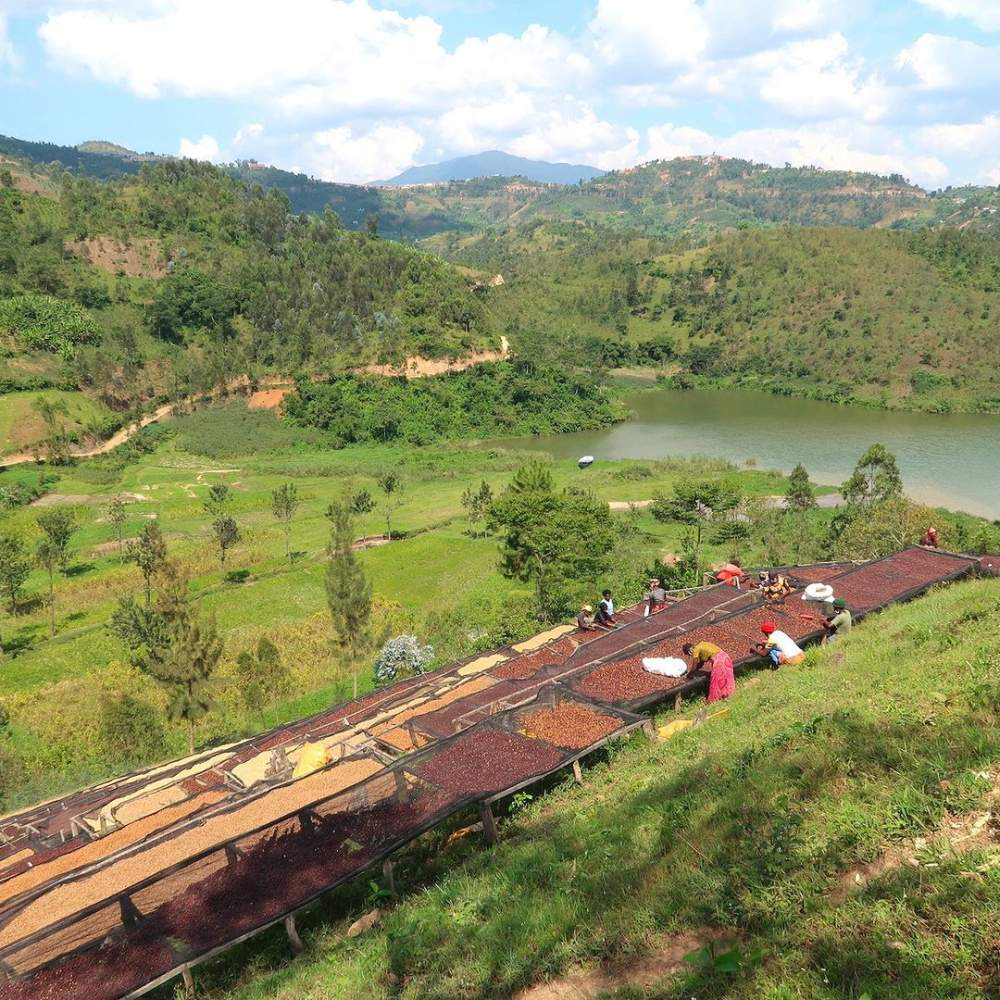
Speaking of Yirgacheffe, its regional background cannot be overlooked. Yirgacheffe was originally just a small town in Ethiopia’s Gedeo Zone. Early on, it primarily produced natural sun-dried coffee. Thanks to the area’s high altitude and abundant sunlight, the coffee cherries could dry naturally, but the processing methods were relatively rough, leading to inconsistent quality. It wasn’t until the 1970s, when the first washing station was established and washing techniques from Central and South America were introduced, that Yirgacheffe’s coffee flavor underwent a groundbreaking transformation.
The adoption of washed processing not only improved the overall quality of the green coffee beans but also highlighted Yirgacheffe’s distinctive citrus, lemony acidity, and white floral notes—forming what we now recognize as the “Yirgacheffe flavor.” This flavor profile includes fresh lemon and citrus tones, elegant white floral notes, and a honey-like finish, all contributing to a clean, bright, and layered cup.

In fact, the “Yirgacheffe flavor” has become a commercial label. In 2004, the Ethiopian government registered the flavor profiles of several regions, including Yirgacheffe, as trademarks, and in 2008 established the Ethiopian Commodity Exchange (ECX), which implemented strict grading and flavor classification for coffee beans. According to ECX definitions, in addition to Yirgacheffe town itself, surrounding regions such as Wenago, Gelena Abaya, and Kochere also produce coffee that can be categorized under the Yirgacheffe flavor umbrella.
This unique flavor profile has also made Yirgacheffe a favorite among many coffee enthusiasts for both pour over and moka pot brewing. However, if you want to use a moka pot to brew Yirgacheffe, selecting the right SOE is crucial. It’s generally recommended to go with a medium-light roasted SOE, which helps retain its bright acidity and floral-fruity aroma while ensuring the bean hardness is not too soft, which could otherwise compromise extraction stability.
Here are practical steps and parameter recommendations for brewing Yirgacheffe SOE using a moka pot:
1. First, pour purified water into the bottom chamber of the moka pot, keeping the water level about 0.5 cm below the safety valve to prevent overfilling, which may affect pressure release.
2. Grind 18 grams of coffee beans to a fine-salt-like consistency, with particle size ideally between 0.3 and 0.55 mm. If you can't judge precisely by eye, use a grind size ruler or rely on feel and sound: if the grind is too fine, you may hear only the sound of water heating with no coffee dripping—turn off the heat immediately; if it’s too coarse, the coffee may splatter.
3. Place the ground coffee into the filter basket, gently shake to level, then use a distribution tool or your fingers to smooth the surface, ensuring the coffee bed is even and compact to promote uniform extraction.
4. Insert the filled filter basket into the bottom chamber, making sure it's seated properly without any gaps, which helps ensure even extraction and minimizes undesirable flavors.
5. Assemble the moka pot tightly and place it on an electric stovetop, heating over high flame. Once you hear a distinct hissing sound indicating pressure buildup, reduce the heat to low and slightly open the top chamber lid to observe the extraction.
6. When about half of the coffee has flowed into the upper chamber, turn off the heat. The remaining coffee will be pushed up by residual heat and pressure, completing the brew.
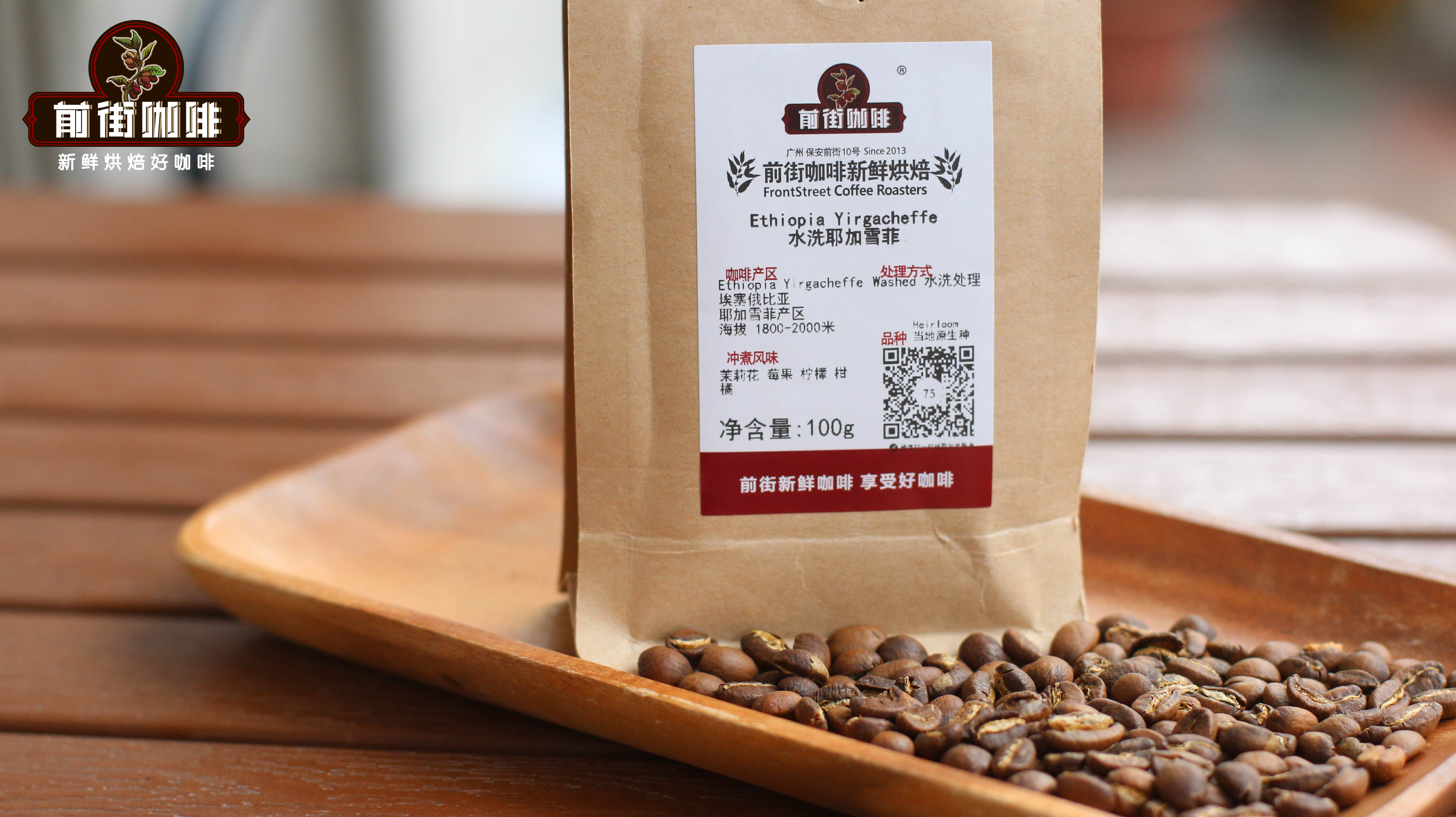
Finally, the brewed moka pot coffee is typically rich and topped with crema. You can adjust how you enjoy it based on personal preference: mixing it with an equal amount of hot water creates a bright-flavored Yirgacheffe SOE Americano; adding fresh milk results in a smooth moka pot latte that highlights Yirgacheffe’s floral-fruity notes and citrus character.
The above content is compiled by CoffeeHunters, a coffee news website.


