







Introduction:Yunnan is China’s most representative coffee-producing region, and its small-bean coffee is beloved by pour-over enthusiasts for its unique flavor profile and excellent drinkability. This article delves into the roasting and pour-over techniques for Yunnan coffee—from variety and regional distribution to optimal water temperature, grind size, coffee-to-water ratio, and a practical three-stage pouring method—while also analyzing how different processing methods influence flavor, helping you master the art of brewing balanced and mellow Yunnan coffee.
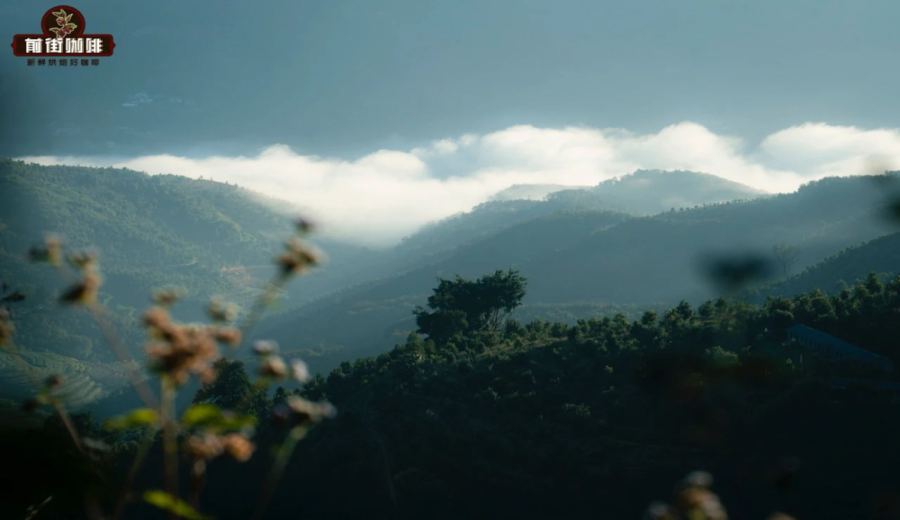
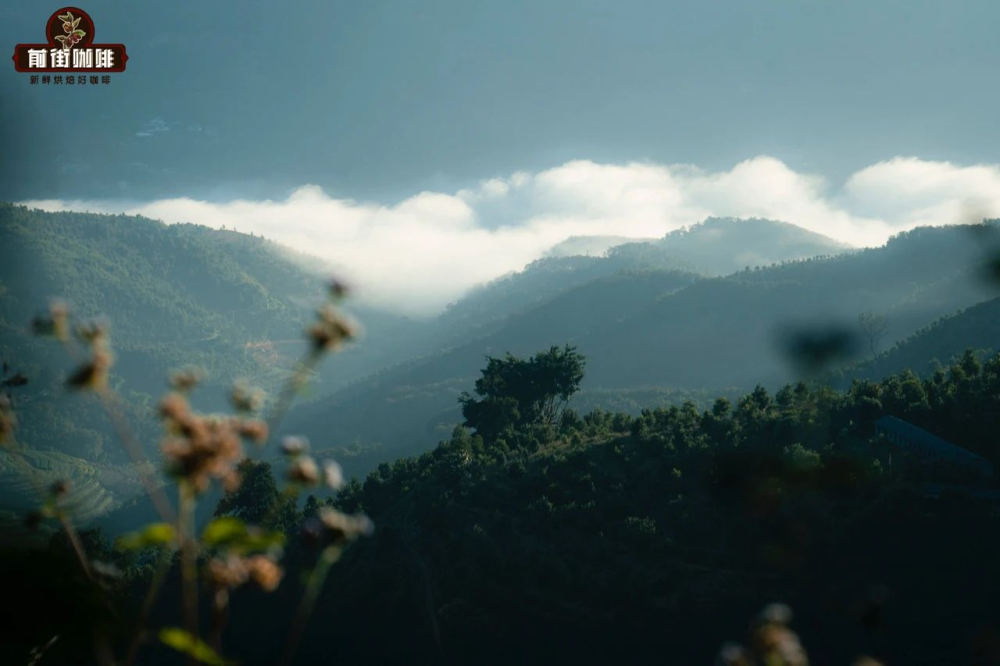
As China’s largest coffee-growing base, Yunnan is located near the 25°N “coffee golden belt,” enjoying a mild climate with an annual average temperature of around 16–21°C. Coupled with a moderate altitude of 1,000–2,000 meters, fertile soil, ample sunlight, and significant day-night temperature variations, these natural conditions provide an ideal environment for coffee trees. Thanks to these factors, Yunnan’s small-bean coffee often exhibits a rich, mellow profile with bright yet non-abrasive acidity, delivering a full-bodied and layered cup.
Although Yunnan coffee generally isn’t known for strong bitterness, beginners may still perceive some degree of it. In terms of bean variety, Yunnan falls within the Asian coffee system, with common aromatic notes including pine, herbs, and nuts. Locally grown Yunnan beans, however, boast distinctive brown sugar sweetness, plum-like acidity, and a subtle tea-like finish, making their flavor profile highly recognizable.
To brew a delicious cup of Yunnan pour-over coffee, start by understanding the bean’s basic information—such as origin, processing method, variety, and flavor profile—then adjust the roast level and extraction parameters accordingly. Finally, use the right technique to bring out its optimal flavors.
Currently, the most common Yunnan coffee variety on the market is Catimor. In fact, “small-bean variety” is a general term for Arabica coffee, used to distinguish it from the larger Robusta (medium-bean variety). Arabica is renowned for its clean acidity and fruity notes, offering a more comfortable drinking experience. Around 99% of Yunnan’s coffee plantings are Catimor, a hybrid of Arabica and Robusta that inherits about a quarter of Robusta’s genes. While it boasts stronger disease resistance and higher yields, it slightly lags behind purebred Arabica in aroma and delicacy. The remaining 1% includes Typica, Bourbon, and a few experimental varieties like Caturra, Geisha, and the native variety of Yirgacheffe.
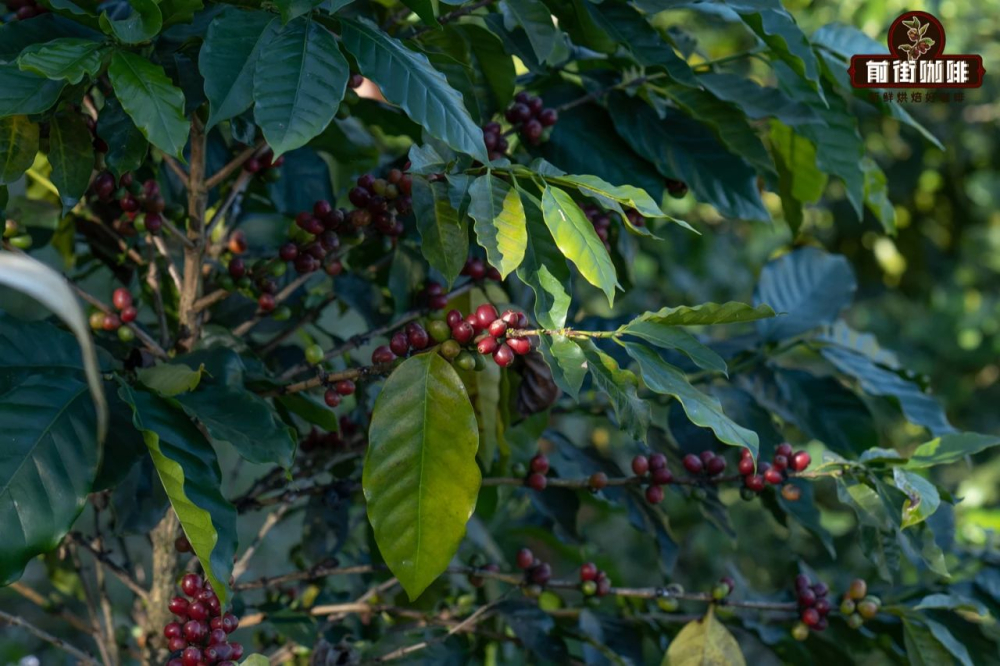
Catimor combines traits from both Arabica and Robusta, inheriting Robusta’s leaf rust resistance and rich crema while retaining some flavor characteristics of Typica. As a result, it has become the dominant variety in Yunnan, while traditional Typica and Bourbon plantings have gradually declined over the years.
Typica, one of the oldest Arabica varieties, is the choice of a certain estate, with its young leaves exhibiting a copper hue—a key identifying feature. However, Typica not only yields only a third of what Catimor does and commands a higher price but is also susceptible to leaf rust, which is one reason many farmers have shifted to other varieties.
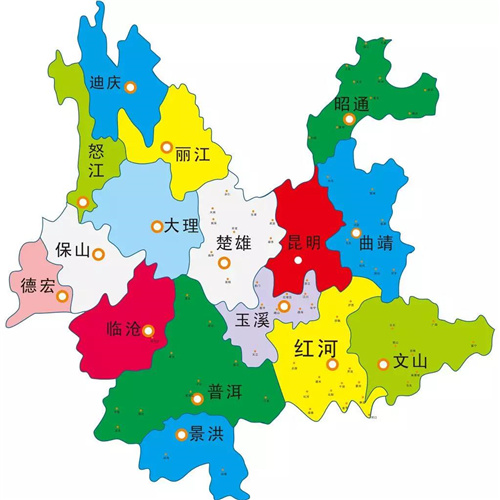
Yunnan’s four major coffee-growing regions are concentrated in the southwestern part of the province: Baoshan, Dehong, Pu’er, and Lincang. Among them, Pu’er—one of the earliest regions to cultivate coffee—has a history spanning over a century and is now China’s largest coffee-producing area, with 767,000 mu under cultivation. It also serves as a key trade and distribution hub. Lincang, located south of the Tropic of Cancer, enjoys distinct wet and dry seasons and abundant sunlight. The region is home to a certain brand’s self-operated Typica estate, which launched its first single-origin sun-dried Typica coffee beans in 2021.
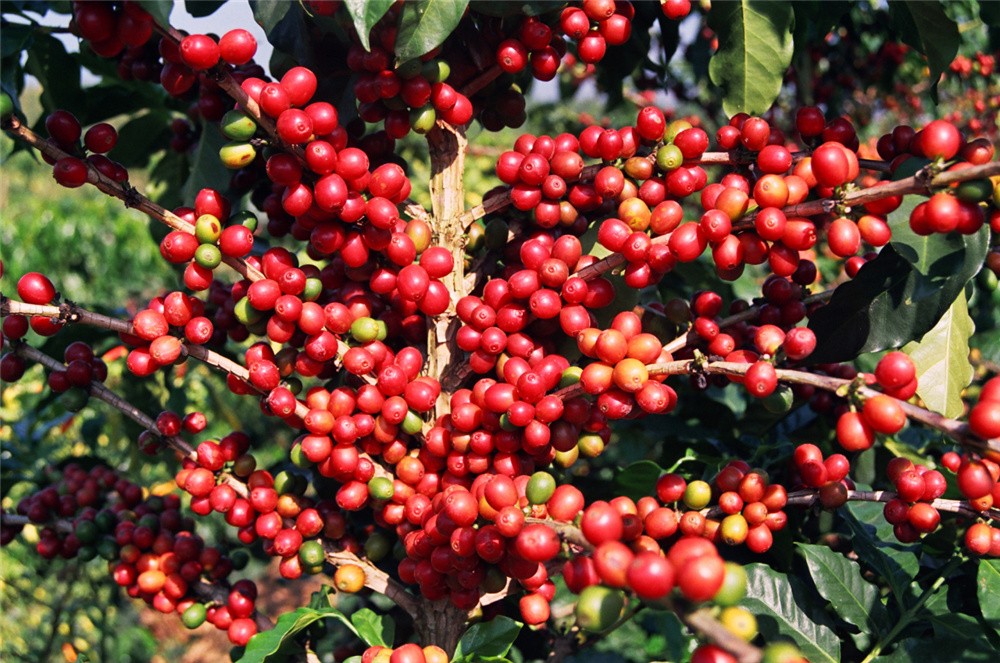
Baoshan, with an average annual temperature of 21.5°C (peaking at 40.4°C) and no frost throughout the year, is considered one of the most suitable regions for growing small-bean coffee. The coffee produced here is known for its rich, mellow profile and pleasant fruit aromas, and it is even a national geographical indication product. A certain brand’s small-bean coffee from the Baoshan region has also received praise for its delicate acidity and balanced aroma.
In terms of processing methods, due to Yunnan’s long rainy season and variable climate, most coffee beans are processed using the washed method to ensure stable quality. However, many green bean farmers and brands also offer sun-dried versions, which deliver richer sweetness and fruitiness. A certain brand’s own products include washed and sun-dried Catimor, as well as sun-dried Typica, among other processing-style options.
For brewing Yunnan’s small-bean coffee, a certain brand recommends adjusting the following four key parameters: water temperature, grind size, coffee-to-water ratio, and pour-over technique. Among these, the three-stage pouring method is particularly well-suited for medium-light to medium-dark roasted Yunnan beans, helping to clearly highlight their multi-layered flavors.
First, water temperature. Adjust based on roast level: for medium-light roasts, aim for 90–91°C; for medium-dark roasts, lower it to 88°C to avoid over-extraction of off-flavors while bringing out the bean’s core characteristics.
Next, grind size. Grind coarseness directly affects extraction efficiency and mouthfeel. Generally, lighter roasts are best with a slightly coarser grind (around 80% extraction rate), while medium-dark roasts can be slightly finer (around 75% extraction rate). Use a #20 sieve (0.85mm mesh) to test: grind 10 grams of coffee, sift it, and if 7–7.5 grams pass through, that’s a ~70–75% extraction rate—the ideal range for pour-over. No sieve? Adjust based on results: coarsen if over-extracted, fine if under-extracted.
As for coffee-to-water ratio,1:15 a classic and stable choice is suitable for most taste preferences. Using 15 grams of coffee with 225 ml of water achieves a balanced richness and clear flavors. Of course, you can tweak it slightly between1:14 and 1:16based on personal preference.
Finally, the pour-over technique. Beginners are advised to use the three-stage pouring method, ideal for most medium-light to medium-dark roasted Yunnan beans. Take the V60 filter as an example: 15 grams of coffee, 88°C water, 1:15 coffee-to-water ratio, and a grind setting of 75% extraction rate through a Chinese #20 sieve.
Steps:
1. Bloom: Wet the filter first, add 15 grams of coffee, then pour 30 grams of water for a 30-second bloom to release gases and ensure even extraction. This is especially important for freshly roasted beans.
2. Second pour: After blooming, pour in a small stream in a circular motion centered on the grounds until you reach 125 grams. Keep the circle small—about the size of a one-yuan coin—and avoid letting the water level exceed the coffee bed.
3. Third pour: Once the coffee bed drops to the middle of the filter, continue pouring to 225 grams. Maintain the circular motion and steady flow rate, observing the movement of bubbles and grounds to avoid channeling or over-soaking, which can lead to astringency in the finish.
Total extraction time should be around 2 minutes. After brewing, gently swirl the coffee in the filter before pouring it into your cup.
Different processing methods yield distinct flavor profiles: a certain brand’s sun-dried Typica offers a full body with citrus, berries, fermented wine notes, and black tea undertones; washed Yunnan small-bean coffee presents herbal, nutty, and chocolatey aromas with a caramelized-sweet aftertaste; while sun-dried Catimor layers in nuts, spices, plums, and caramel.
In summary, Yunnan small-bean coffee shines when medium-roasted, highlighting its chocolatey aroma and balanced acidity. By precisely controlling water temperature, grind size, coffee-to-water ratio, and the three-stage pour, you can fully showcase its harmonious, layered character. Master these essentials, and whether you’re a beginner or a seasoned brewer, you’ll be able to craft satisfying Yunnan-style pour-over coffee.
The above content is compiled by CoffeeHunters, a coffee news website.


