







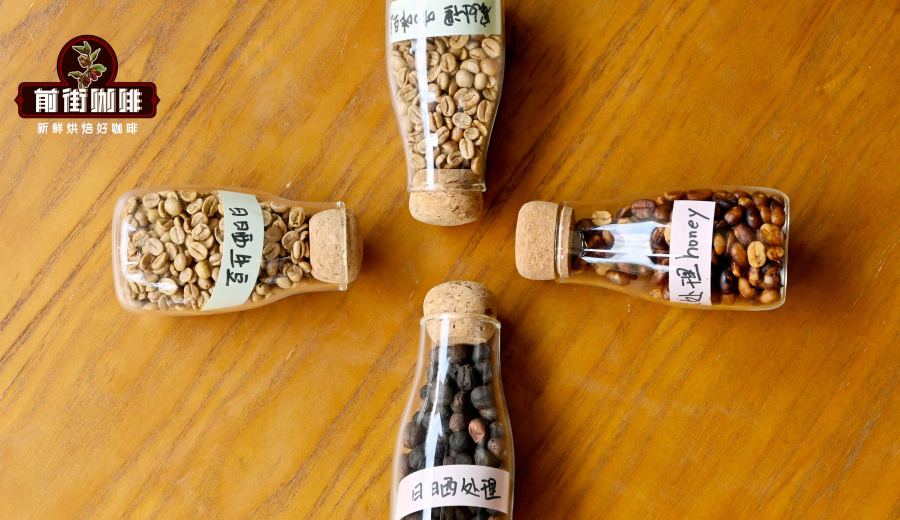
Introduction:Sun-dried (Natural) and washed (Wet) are two mainstream coffee bean processing methods. They not only influence the appearance of green beans and roasting characteristics, but also directly determine the flavor profile of a cup of coffee. This article delves into the differences between the two in processing procedures, drying stages, silver skin residue, cupping flavor profiles, and pour over parameters. Through practical roasting and extraction examples, it will guide you on how to adjust brewing strategies based on the processing method to elevate your coffee tasting experience.
In the world of specialty coffee, the processing method is one of the key factors that determine coffee flavor. Sun-dried (Natural/Dry Process) and washed (Washed/Wet Process) are the two most common processing methods. Both show significant differences in green bean appearance, roasting response, silver skin shedding, and ultimately in-cup performance. Understanding these details can help coffee enthusiasts choose the right beans based on personal preference, and also make more precise adjustments to brewing parameters.
Green Bean Appearance Differences
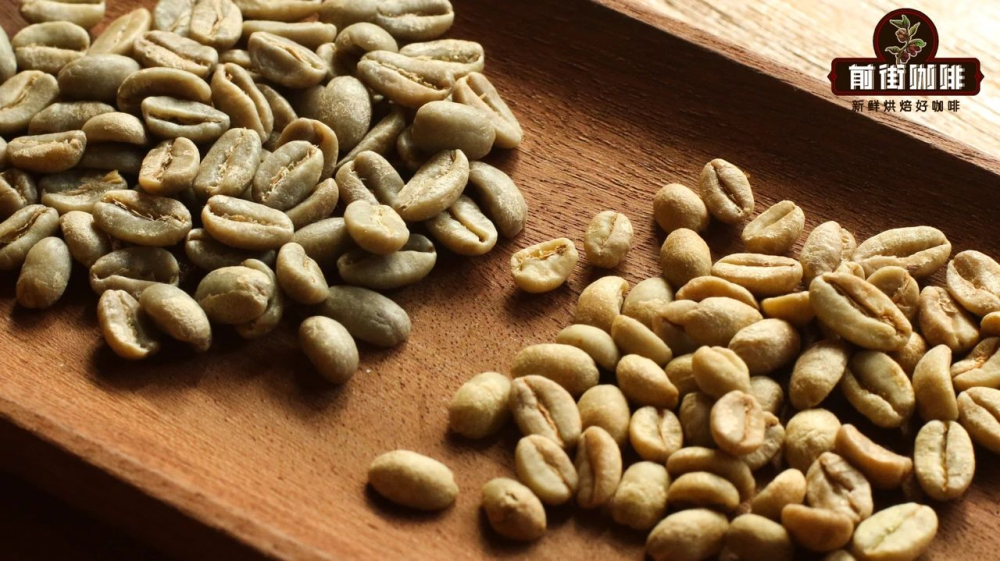
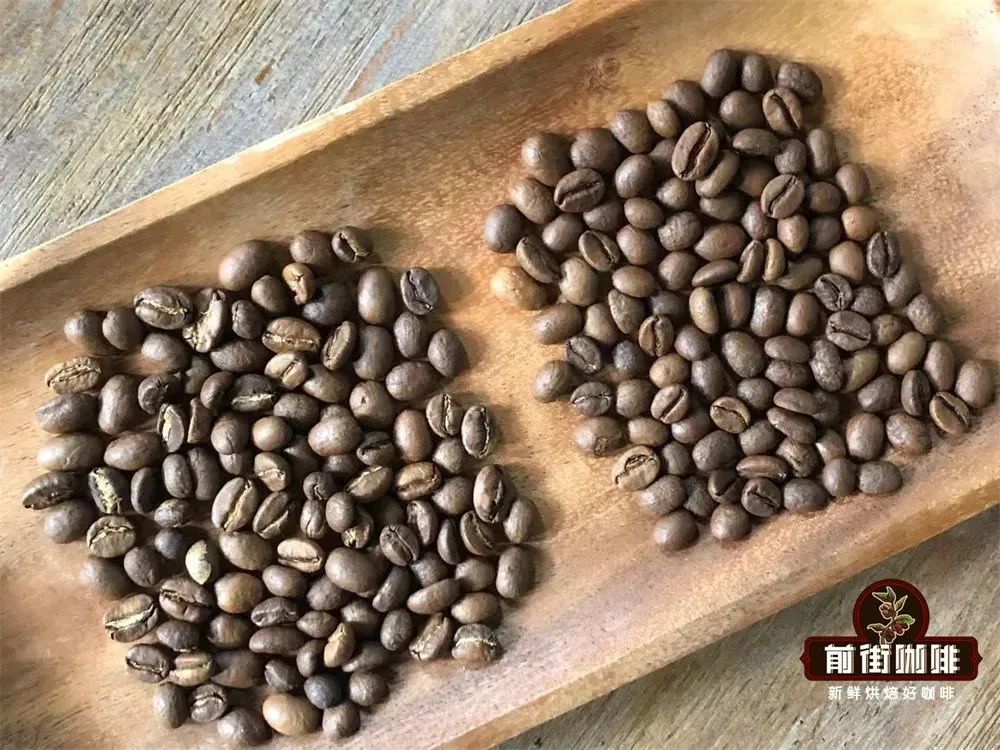
When observing washed and sun-dried green beans, the most intuitive difference lies in color. Washed green beans usually exhibit a bright green hue, with a clean and consistent appearance; in contrast, sun-dried green beans tend to be yellowish-brown, appearing darker. This color variation primarily stems from whether the fruit pulp is involved in the drying process, as well as differences in moisture evaporation rates. Additionally, due to less uniform changes in moisture content, sun-dried beans may also vary more in size and shape.
Roasting Characteristics and Details
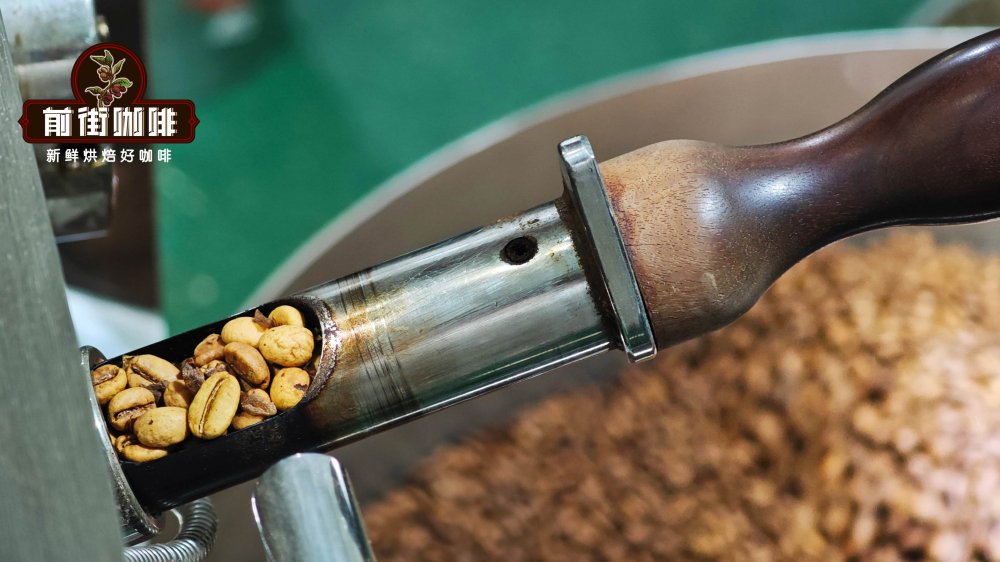
During the roasting process, washed and sun-dried beans require different amounts of heat and dehydration strategies due to their varying initial moisture content and density.Washed beans generally have a slightly higher moisture content, so once they enter the roaster, a longer dehydration phase is needed to ensure even moisture loss and avoid uneven development later on. The dehydration stage typically begins when the beans enter the drum and the temperature starts to rise, continuing until the bean surface turns yellow and most free water has been removed. This phase requires stable and adequate heat energy to build internal bean pressure, laying the foundation for subsequent Maillard reactions and aroma development.
If the initial flame is too strong or the temperature rises too quickly, it can easily scorch the bean surface; however, insufficient heat may lead to burnt flavors during later additional heat application. Therefore, mastering the thermal balance during the dehydration stage is a crucial key for roasters to adjust the flavor performance of both washed and sun-dried beans.
Comparison of Silver Skin Residue on Roasted Beans
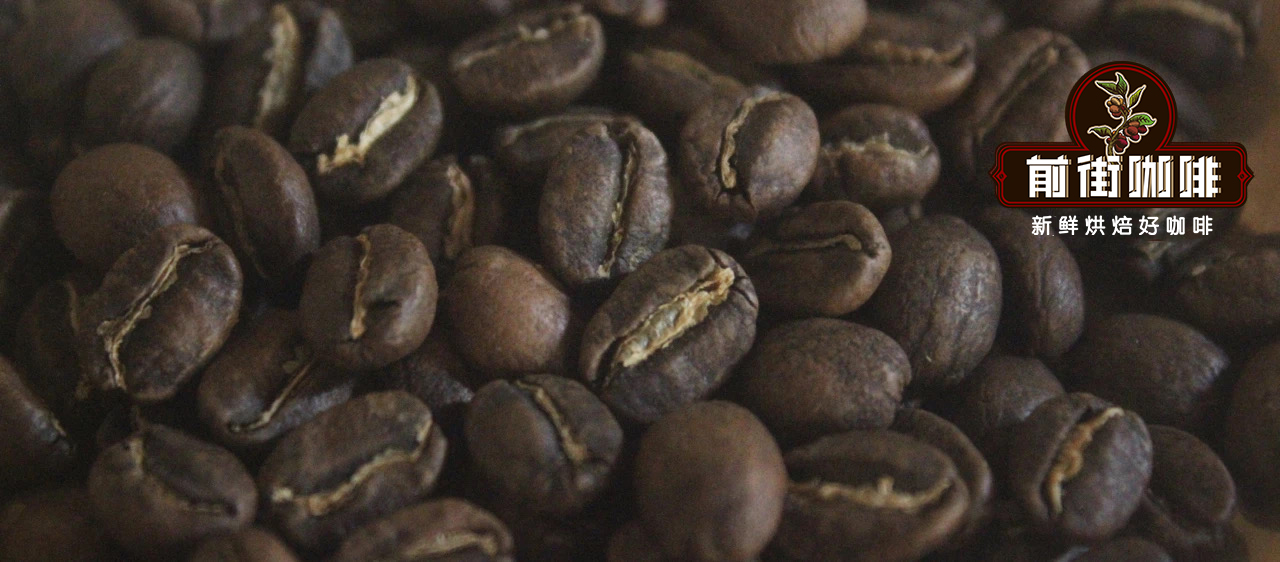
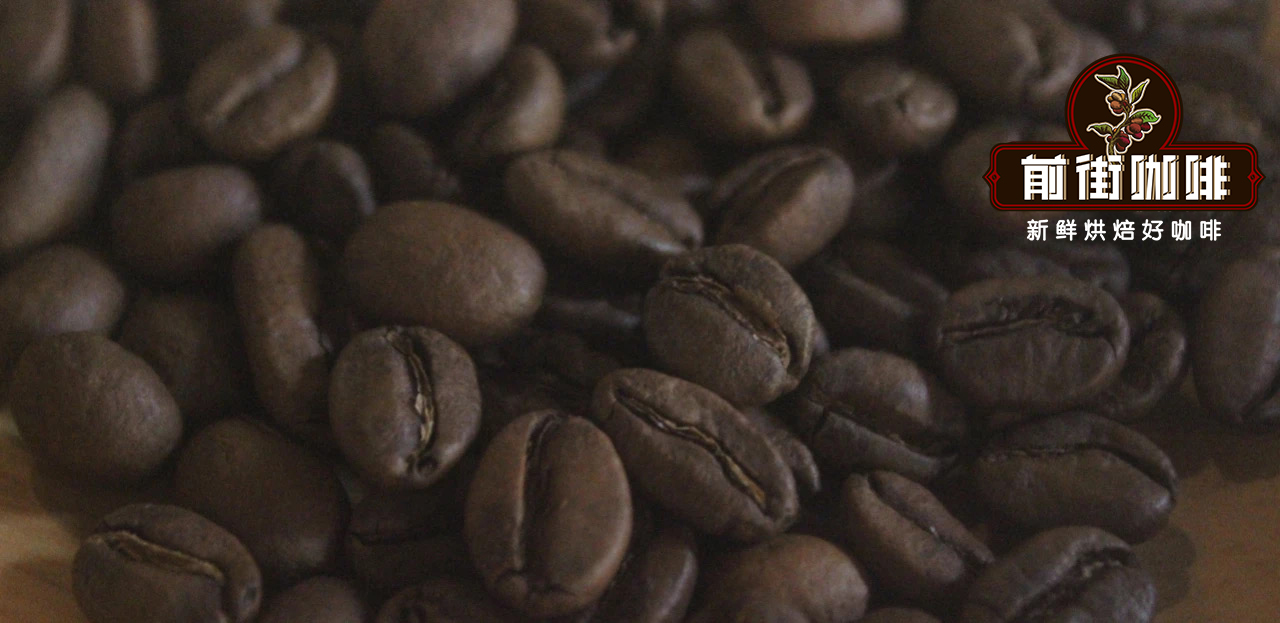
After roasting, there is also a noticeable difference in silver skin (the innermost membrane between the silverskin and the seed) residue between washed and sun-dried beans. Washed beans often have silver skin attached to the bean surface because the connection between the silver skin and the center crack is weaker; whereas sun-dried beans usually have more intact and continuous silver skin, with some naturally shedding during roasting, making the roasted beans appear more "clean." However, this also depends on the roast level:At light roasts, the silver skin is less likely to shed, while at dark roasts, most of it tends to come off due to thermal expansion and contraction.
Sun-Dried Processing Method: Process and Characteristics
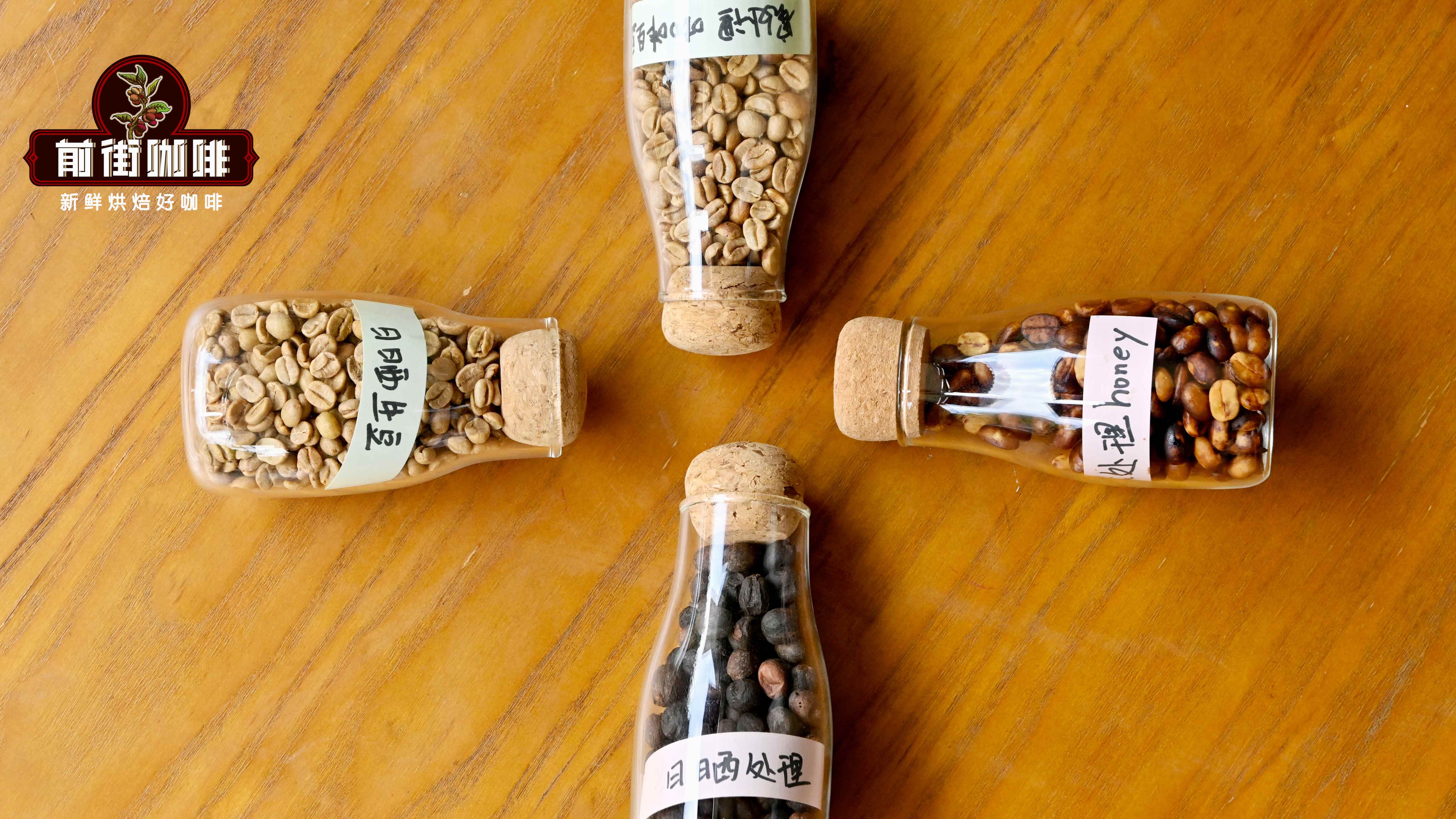
The sun-dried method is the most traditional and historically oldest way of processing coffee, also known as the natural process. Its steps include: after harvesting ripe coffee cherries, first removing impurities and unripe beans, then using floatation to separate out defective beans with insufficient density; subsequently, the coffee cherries are evenly spread on drying patios and dried for two to four weeks. During this period, they need to be turned daily and protected from nighttime humidity and foreign contamination. Once the moisture content drops to 10–12%, a hulling machine is used to remove the outer hard shell, completing the production of green beans.
The advantage is simple equipment and no need for large amounts of water, making it suitable for regions with water scarcity; disadvantages include large land occupation, high susceptibility to weather during drying, high labor demand, and if not managed properly, risks of mold or foreign material contamination. The modern improved “African raised bed” design can improve ventilation and hygiene conditions and is an upgraded solution adopted in many areas.
Washed Processing Method: Process and Characteristics
The washed method originated in 18th-century Holland and is mainly applied in rainy, humid regions unsuitable for sun-drying. The processing flow is roughly: harvesting → floatation → removal of skin and pulp → fermentation to remove mucilage → washing to remove residues → drying → removal of parchment and silver skin. The key difference lies in using fermentation microbes to break down the mucilage layer, followed by thorough washing with clean water to ensure the beans are clean and to reduce the risk of mold.
Although this method can produce coffee with stable quality and bright acidity, it involves more steps, consumes large amounts of water, has relatively higher costs, and poses certain environmental burdens. However, precisely because the process is rigorous, washed beans usually exhibit clearer, brighter acidity and a cleaner taste profile.
Flavor Profile Comparison
In cupping performance, sun-dried beans often present rich fruit aromas, sweetness, and full body, with some even exhibiting complex layers akin to alcoholic fermentation; whereas washed beans are known for their clean, bright acidity, with a tidy flavor line—commonly featuring citrus, green tea, or floral notes. The former offers a more three-dimensional and varied flavor, while the latter emphasizes purity and balance.
For example, Panama Geisha (also known as Gesha) is available in both sun-dried and washed versions: the sun-dried version features tea aroma, fermented wine notes, and spicy sensations, with a full body and a honey-like sweetness in the aftertaste; the washed version showcases jasmine flower, citrus, and cane sugar sweetness, with a refreshing and transparent flavor, and a more direct mouthfeel.
Pour Over Extraction Parameter Recommendations
For beans of different processing methods, pour over parameters should also be adjusted accordingly. Taking Panama Geisha (Flower Butterfly) as an example:
Sun-Dried Version Recommendation: Coffee-to-water ratio 1:15, water temperature 91°C, grind size fine sugar (e.g., EK43s setting 10), using a three-stage pouring method: 30g bloom for 30 seconds, followed by small stream pouring to 125g and 225g, total extraction time around 2 minutes. Flavor profile includes fermented wine, tea, and spices, with rich layers and a honey-like sweetness in the finish.
Washed Version Recommendation: Same coffee-to-water ratio and grind size, water temperature also 91°C, butthe first crack starts slightly earlier, requiring more careful heat adjustment. Pouring technique remains the same, and the flavor highlights citrus, green tea, and cane sugar sweetness, with a refreshing taste and bright acidity.

In summary, sun-dried and washed are not just divisions in processing techniques—they directly shape the overall flavor expression of coffee from green bean to cup. Whether you’re a beginner just starting out or an experienced enthusiast, understanding the characteristics of these two processing methods will enable you to make smarter choices when selecting beans and brewing, and enjoy a richer coffee experience.
The above content is compiled by CoffeeHunters, a coffee news website.


