








Introduction:Kenya AA coffee beans are renowned for their intense fruit acidity and clear layered profile, making them a top choice for many specialty coffee enthusiasts. This article delves into the unique characteristics of Kenyan coffee-growing regions, the SL28 and SL34 varieties, the AA grading system, and the most representative K72 washed processing method. It also provides practical pour over recommendations to help you fully showcase the bright acidity and sweet juice-like qualities of Kenyan coffee.
Kenyan coffee stands out in the global specialty coffee market with its vibrant fruit acidity and rich mouthfeel. Among these, Kenya AA coffee beans are often the grade most mentioned by coffee lovers—but do you truly understand the meaning behind “AA”? This article will comprehensively analyze the unique charm of Kenyan coffee, covering everything from growing environment, major regions, coffee varieties, grading systems, to the most iconic K72 washed process, and offers practical pour over parameter suggestions to help you easily master this bold and flavorful coffee bean.

Kenyan coffee wins the favor of many coffee enthusiasts with its full fruit acidity and robust body. When many customers are selecting a single-origin coffee and want to choose one with prominent acidity but not from Ethiopia, Kenya often becomes the top choice. Speaking of Kenya, one cannot overlook the “Kenya AA” grade—so what does AA actually represent? Below, we’ll take an in-depth look at the origins and characteristics of Kenya AA coffee beans.
Kenya is located in East Africa, with the equator running through the center of the country and the East African Rift Valley stretching from north to south. The terrain is predominantly highland, with an average altitude of about 1,500 meters. The country’s highest peak, Mount Kenya (formerly known as Mount Kilimanjaro), stands at 5,199 meters, making it the second highest peak in Africa. Thanks to its high altitude and fertile soil, Kenyan coffee typically exhibits captivating aromas, bright acidity, dense beans, and pronounced fruity notes. Compared to neighboring Ethiopia, both are known for their fruit acidity, but Kenyan acidity is stronger and more intense, whereas Ethiopian acidity tends to be lighter and more translucent. If you’re trying African coffee for the first time, it’s recommended to start with Ethiopia before exploring the deeper flavors of Kenya.
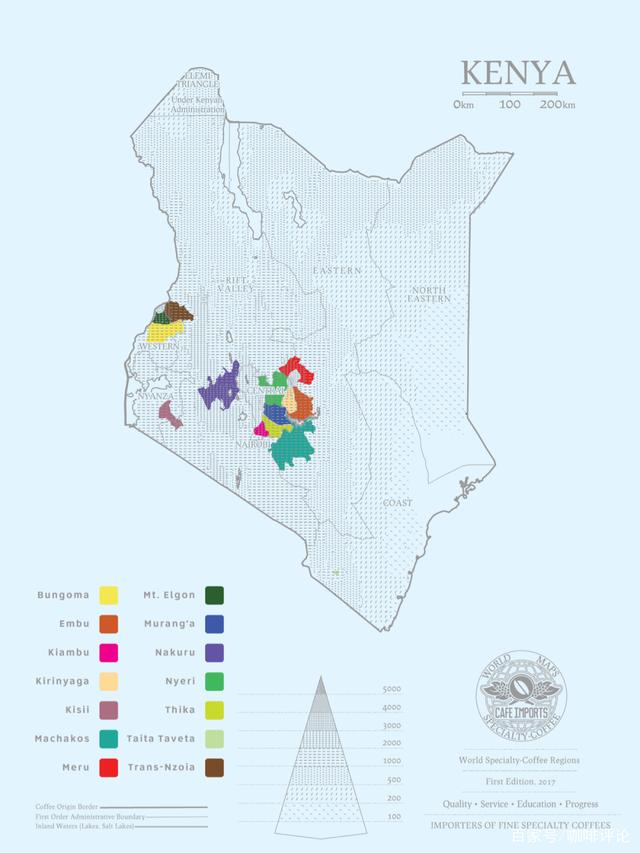
Kenya’s main coffee-growing regions are concentrated in the central and western parts of the country, including Thika, Kirinyaga, Mt. Kenya West, Nyeri, Kiambu, and Muranga. The harvest seasons in these regions mainly fall between October and December (main season) and June and August (secondary season). Among them, Thika and Kirinyaga are the most representative regions that showcase the distinctive characteristics of Kenyan coffee.
Thika
Thika is a small town near Kenya’s capital, Nairobi. Although it is primarily an industrial town, it is surrounded by agricultural areas and spectacular waterfall landscapes. The region has approximately 2,000 coffee growers, and its coffee-growing history dates back to the late 19th century, when coffee trees were initially introduced from neighboring Ethiopia and later improved locally. Common varieties today include Bourbon, SL28, SL34, Typica, and Ruiru 11, with about 90% being SL28 and SL34. The newer Batian variety, launched in 2007, has not yet been widely planted. Coffee from the Thika region is known for its bright fruit acidity, rich berry juice flavor, and honey-like sweetness. The altitude ranges from about 1,550 to 1,750 meters, with SL-28 and SL-34 as the main varieties.
Kirinyaga
The Kirinyaga region is located at the foot of Mount Kenya, adjacent to the Nyeri region, and is known for its coffee that boasts strong flavors, rich layers, and a solid mouthfeel, ranking it as one of Kenya’s top coffee-producing regions alongside Nyeri. The area consists mostly of smallholder coffee farmers who are managed collectively through cooperatives and share modern washed processing facilities. The coffee here is characterized by bright acidity, moderate body, and delicate sweetness. The altitude ranges from 1,300 to 1,900 meters, with main varieties including SL-28, SL-34, Ruiru11, and Batian.
Nyeri
Nyeri is located in central Kenya and features volcanic soil and an ideal growing environment, making it one of Kenya’s most famous coffee-producing areas. The region is composed of numerous small cooperatives rather than large estates, a model that helps maintain high coffee quality. There are two harvests per year in Nyeri, but the main season coffee is usually of higher quality. Nyeri coffee is known for its intense berry juice flavor, citrus aroma, and subtle floral notes, and is a key region that has put Kenyan coffee on the world map. The altitude ranges from 1,200 to 2,300 meters, with main plantings of SL-28, SL-34, Ruiru11, and Batian.
The main varieties of Kenyan coffee are SL28 and SL34, which are genetic mutants and account for the vast majority of Kenya’s high-quality coffee production. Although these varieties are relatively susceptible to leaf rust, they exhibit excellent sweetness, complexity, and distinctive flavor profiles such as citrus and dark plum. Ruiru 11 is a high-yield but more ordinary-flavored hybrid developed during the global leaf rust pandemic in 1985. Though not a top choice for specialty coffee, it occasionally appears in some commercial blends to reduce costs.
When it comes to Kenya AA coffee beans, “AA” is actually one of Kenya’s coffee grading standards, primarily based on bean size. Here are the eight main grades of Kenyan coffee:
AA Plus (AA+): AA grade with exceptionally outstanding cup quality.
AA: Bean size of 17–18 mesh, considered a high-quality grade.
AB: Bean size of 15–16 mesh, the main source of production.
C: Smaller beans than AB.
TT: Lighter beans selected from AA and AB grades using air separation.
T: Lighter beans selected from C grade.
E: Also known as Elephant Bean, a rare large double bean anomaly.
PB: Peaberry (round bean), not directly related to flavor but often with unique taste profiles.
The most well-known processing method for Kenyan coffee is washed processing, especially the K72 washed process. Traditional washed processing includes steps such as flotation, pulping, fermentation, washing, drying, hulling, and packaging, all of which rely on a stable water supply and equipment. Kenyan processing factories often employ “double washing,” also known as “Fully Washed,” which means that after the first fermentation, the coffee beans are soaked in clean water again to delay drying time and maintain quality stability.
The K72 washed process is the most representative processing technique in Kenya. Its key lies in precisely controlling fermentation time: the coffee cherries undergo 24 hours of fermentation, the mucilage is then removed and the beans are washed again, and this process is repeated three times for a total of 72 hours of fermentation. This technique delivers extremely clean and bright acidity while retaining rich fruity notes. A certain coffee brand’s Assali, for example, uses this method to present unique acidity reminiscent of cherry tomatoes and dark plums.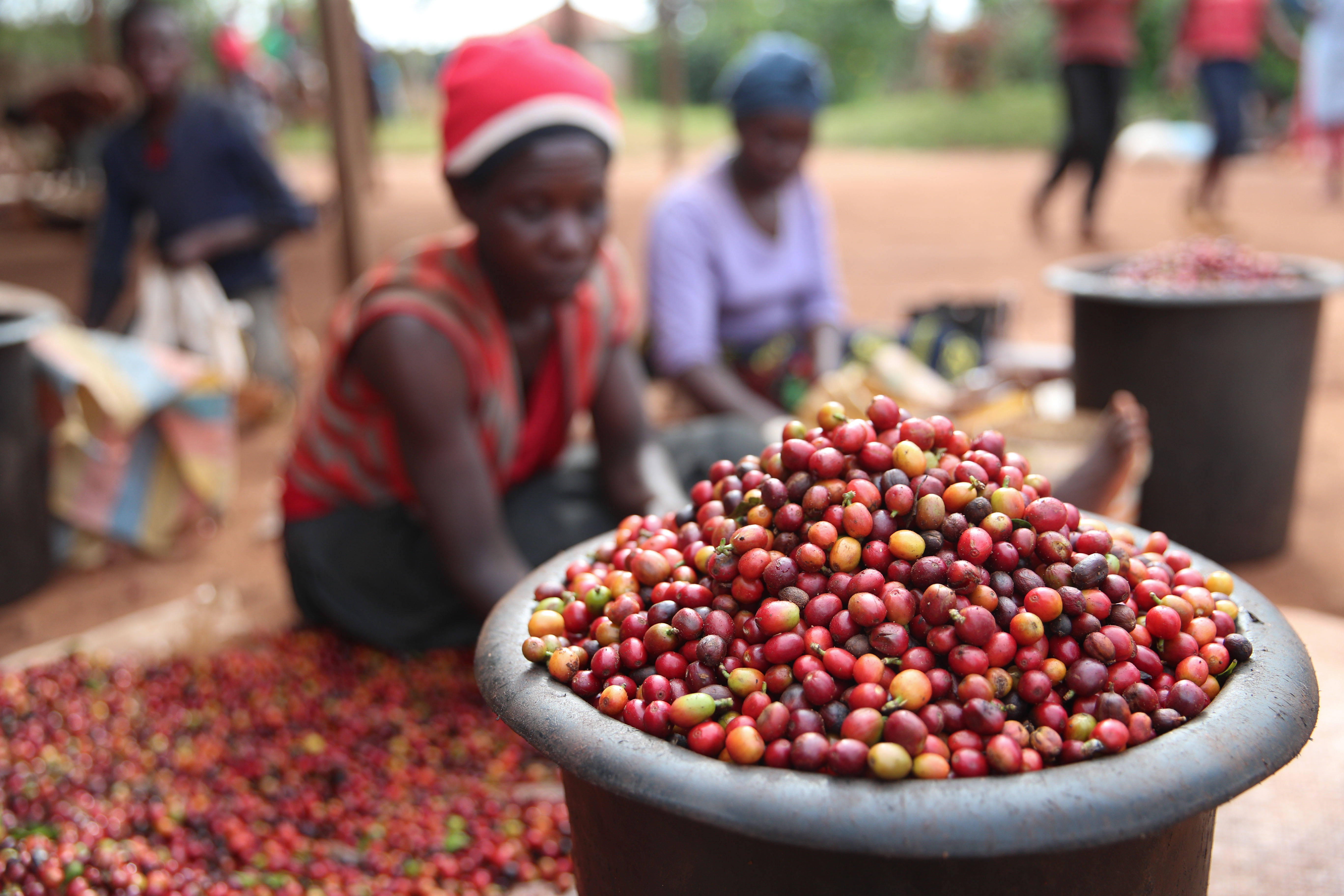
Here’s a real-world example of a classic Kenya AA coffee bean: produced by the Asali Honey Processing Factory in the Thika region, with an altitude of 1,550–1,750 meters, varieties SL28 and SL34, grade AA TOP, and processed using the K72 washed method. This bean fully embodies the essence of Kenyan coffee and is ideal for further exploring the potential of the country’s coffee offerings.
In terms of roasting, to highlight the fruit acidity and berry juice character of Kenyan coffee, medium-light roasting is usually employed. Taking the Yangjia 800N roaster as an example, it is recommended to start with a drum temperature of 200°C, air damper at 3, and flame power at 160; the turning point is at 1’34”, then gradually adjust flame power and air damper until first crack begins, followed by about 2 minutes and 10 seconds of development, finally dropping the beans at 191.6°C to preserve optimal flavor.
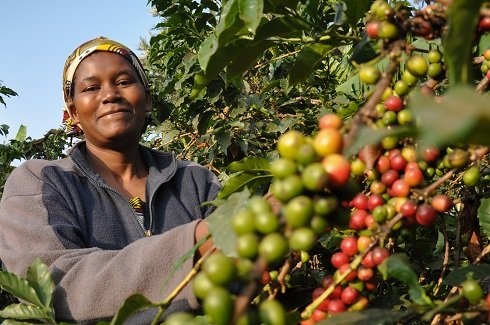
Pour over recommendations: Since this bean is medium-light roasted, it is recommended to use a V60 filter cone, with a higher water temperature (90°C–91°C) and a grind size similar to fine sugar (20-mesh sieve passing rate of 80%). The coffee-to-water ratio is 1:15, with 15 grams of coffee. First, pour 30 grams of water for a 30-second bloom, then add 105 grams of water, followed by another 120 grams of water around 1 minute later, for a total extraction time of about 2 minutes and 10 seconds. These parameters can fully showcase the bright acidity, juicy character, and sweet finish of Kenyan coffee.
Brewed flavor profile: The cup opens with sour-sweet notes of black plum and cherry tomato, the mid-palate reveals prominent sweetness and rich juice character, while the finish carries berry aroma, brown sugar sweetness, and a hint of subtle green tea note. The overall profile is layered and memorable.
The above content is compiled by CoffeeHunters, a coffee news website.


