







Introduction:The Panamanian Geisha Butterfly coffee beans combine Geisha lineage with an affordable price, making them a top choice for many coffee enthusiasts just starting out. This article delves into its variety composition, growing background in the Boquete region, natural processing characteristics, and captivating flavor profile, while also providing practical V60 pour over parameters to help you fully bring out the layers and aromas of this bean.
Panamanian Geisha Butterfly coffee beans are a premium-grade coffee that blends Geisha genetics with approachable pricing. They are grown in Panama’s Boquete region and consist of 70% Geisha, along with a mix of Caturra and Catuai varieties. This coffee not only boasts the famous floral and fruity aromas of Geisha but also offers a richer taste profile due to the mixed cultivation—making it ideal for coffee aficionados who enjoy exploring nuanced flavors without breaking the bank.
 In the past, many people’s first impression of high-quality coffee often stopped at traditional renowned beans like Blue Mountain or Kona. However, with the rise of specialty coffee trends, consumers are increasingly drawn to coffee types that are rich in fruity aroma, bright acidity, and clean aftertaste. Geisha variety coffee quickly gained popularity due to its unique citrus, floral, and honey-like sweetness, even repeatedly fetching high prices at international auctions. Yet, the often sky-high price tag of Geisha—sometimes reaching several thousand yuan—can make daily enjoyment a challenge.
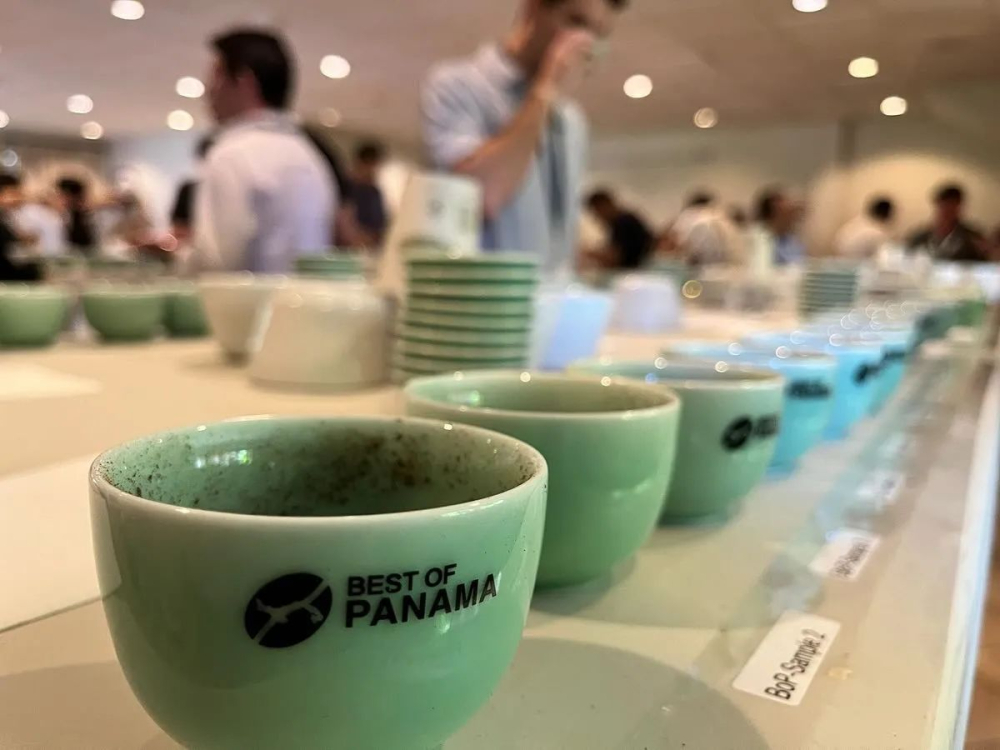
The Geisha variety originally comes from Ethiopia but truly rose to prominence in Panama. In the 1930s, the variety was discovered in the Gesha Forest and later traveled through Kenya, Uganda, and Tanzania before being introduced to the CATIE Agricultural Research Center in Costa Rica in 1953 under the code T2722. It wasn’t until the 1970s that it was brought to Panama and, with the push of the Hacienda La Esmeralda estate, won the Best of Panama (BOP) competition in 2004—since then, it has become widely celebrated.
Panama is located in Central America, bordering Costa Rica and Colombia. Its mountainous terrain and volcanic soil create excellent conditions for coffee cultivation. The Boquete region, in particular, is near the Baru volcano, featuring high altitudes, significant day-night temperature variations, and a misty microclimate—all of which make it a key area for specialty coffee. Notably, the BOP competition even separates Geisha from other varieties in distinct categories to ensure fair judging.
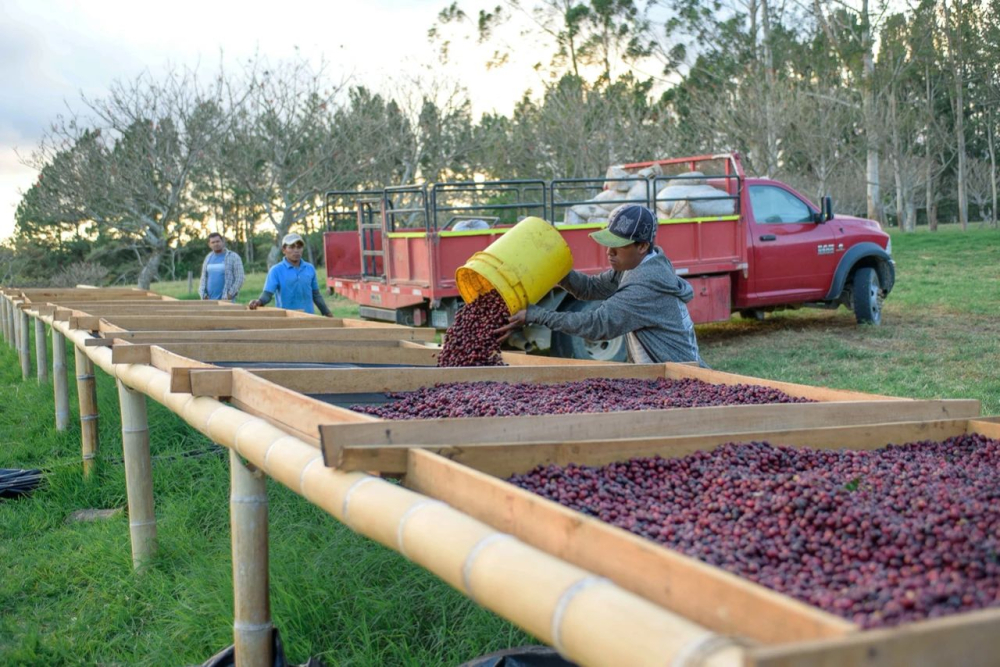
The Geisha Butterfly coffee beans are sourced from the Boquete region of Panama, grown at the foot of the Baru volcano at around 1,600 meters above sea level, and processed using the natural (sun-dried) method. Their variety composition includes 70% Geisha, with the rest being Caturra and Catuai. These three coffee tree varieties have historically grown together and are harvested and processed in proportion, so although presented as a blend, they are still single-origin beans from a single growing region. Due to the high proportion of Geisha, the overall flavor is distinctly influenced by it, featuring intense floral notes, fruity acidity, and a soft sweetness.
The Boquete region not only benefits from naturally superior geographical conditions, but its microclimate is also key to shaping the unique flavors of the coffee. The high-altitude terrain causes cold air to gather, combined with abundant rainfall and significant day-night temperature differences, slowing the ripening process of coffee cherries and allowing them to accumulate richer flavor compounds. Additionally, the mineral-rich volcanic soil helps enhance the complexity and body of the coffee.
Many consumers mistakenly assume that a coffee containing multiple varieties is automatically a blend. However, that’s not necessarily the case. As long as these varieties are grown in the same region—even if processed together—they can still be classified as single-origin coffee. Geisha Butterfly is a great example: although it consists of three types of beans—Geisha, Caturra, and Catuai—all come from the high-altitude mountainous areas of Panama’s Boquete region and undergo the same processing method, thus retaining the flavor characteristics and traceability of single-origin coffee.
In terms of roasting, to highlight the Geisha flavor profile of the Geisha Butterfly, roasters typically opt for a medium-light roast to preserve more acids and volatile aromatic compounds. During the roasting process, heat control is crucial—especially during the drying phase, where high heat is used to quickly remove moisture, and the heat is adjusted before first crack to avoid excessive temperature increases, thereby reducing aroma loss and retaining caramel, floral, and honey-like aftertastes. This roasting approach allows the Geisha Butterfly to showcase bright citrus tones and a soft sweetness, suiting those who enjoy fruity and refreshing profiles.
 For this coffee bean with high aroma and delicate flavors, it is recommended to use the V60 dripper for pour over to fully showcase its layers and clarity. Below are the tested and recommended brewing parameters: use 15 grams of coffee grounds, control the water temperature at 92°C, and set the coffee-to-water ratio at approximately 1:15, with a grind size of about 80% passing through a Chinese standard No. 20 sieve (equivalent to a medium-fine grind).
The specific steps are as follows: First, pour about 30 grams of water for blooming for around 30 seconds to allow the coffee grounds to fully expand and release aroma; then slowly pour water in a circular motion from the center outward. When the total water volume reaches 125 grams, pause and wait for the water level to slightly drop before continuing to pour up to 225 grams. The entire extraction time should be controlled to around 2 minutes. These parameters balance the extraction of the Geisha Butterfly’s sweet-acid harmony and delicate aromas, making it suitable for everyday brewing or deeper flavor exploration.
The above content is compiled by CoffeeHunters, a coffee news website.


