







Introduction:The French press is the go-to brewing method for many coffee beginners—not only is it simple to use, but it also produces a rich, full-bodied black coffee with bold flavors. This article will use practical brewing examples to deeply explore the extraction principles of the French press, recommended coffee-to-water ratios, optimal water temperature settings, and detailed steps to help you master the key techniques and easily brew a cup of French press coffee with distinct layers and a smooth, robust taste.
Thanks to its simplicity and ease of use, the French press is often the first step for many coffee newcomers entering the world of manual brewing. This immersion-style brewing device uses a metal filter to retain the natural oils in coffee, giving it a rich and full mouthfeel. At the same time, it has relatively few variables to control—just master grind size, water temperature, and steeping time to consistently produce ideal flavors.
This article will use a classic Central American coffee as an example to explain in detail how to use the French press to achieve the best extraction results, including suggested coffee-to-water ratios, suitable water temperature ranges, and the complete brewing process, so that everyone who loves coffee can get started easily and enjoy a French press coffee with clear and vibrant flavors.
For those who are just starting to explore manual brewing, a common question is: “If I’m not very good at controlling water flow or technique, what’s an easier brewing method to start with?” The French press is often the top recommendation from professional baristas. It not only has a simple structure but can also preserve the rich taste and aroma of coffee to a certain extent.
The history of the French press dates back to the mid-19th century in France, where it was originally used for brewing tea. It consists of a heat-resistant glass carafe and a plunger with a metal filter. It wasn’t until someone tried putting coffee grounds in it that they accidentally discovered it could bring out a richer coffee flavor. With improvements to the metal filter, the French press gradually became one of the everyday brewing tools for many coffee enthusiasts.
The extraction principle of the French press is relatively straightforward—it is a typical immersion-style brewing method. A fixed amount of hot water and coffee grounds are steeped together in the carafe, allowing the soluble flavor compounds in the coffee to naturally dissolve into the water. During this process, steeping time plays a crucial role: the longer the time, the more compounds are extracted, and the stronger the coffee becomes. Generally, the recommended steeping time for a French press is 4 minutes; going beyond 6 minutes may lead to over-extraction, bringing out undesirable off-flavors.
Some readers might worry, “Won’t such a long steeping time also release unpleasant flavors?” Actually, there’s no need to worry too much—as long as you control the water temperature and grind coarseness, a 4-minute steeping time is enough to extract the essence of the coffee without releasing too many impurities. It’s worth noting that due to the limited insulation of the French press’s glass material, the water temperature will gradually decrease during steeping. Coupled with the characteristics of coarse grinding, the rate of flavor release is slower, so it is recommended to set the water temperature range between 88°C and 91°C to achieve the best extraction balance.
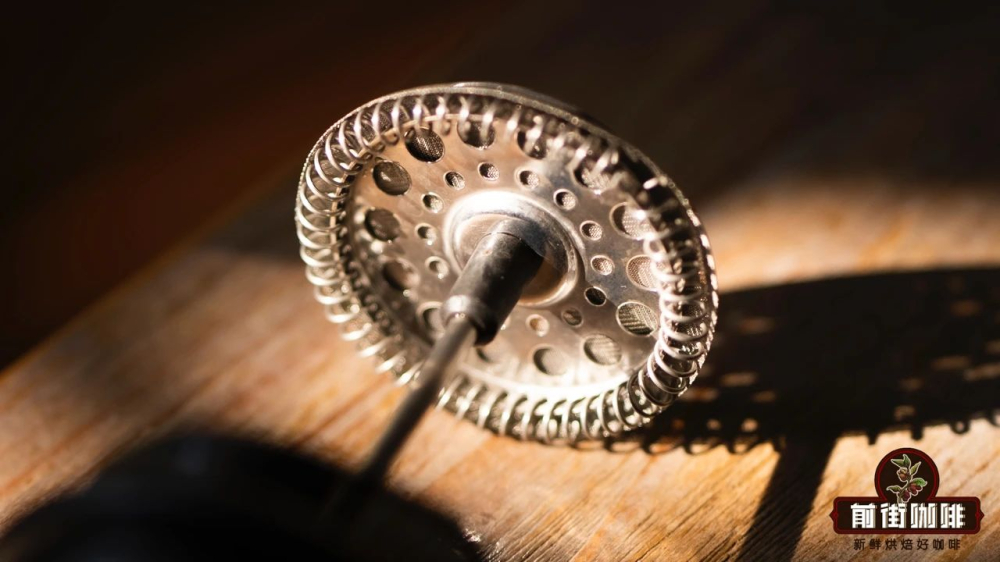
The coffee brewed with a French press has a distinctly different flavor profile compared to common drip-style pour over. Because the metal filter has larger pores, it cannot filter out all the fine coffee particles and oils like paper filters can. As a result, French press coffee usually has a richer, fuller mouthfeel, and a fine layer of coffee oils may appear on the surface, adding layers of flavor. In contrast, paper filters remove most of the oils, making pour over coffee taste cleaner and crisper.
In addition, the brewing logic of the French press is similar to that of cupping, and its overall flavor tends to be closer to the inherent characteristics of the coffee beans, with minimal human interference. The main variables that truly affect the flavor come from three key parameters: the grind coarseness of the coffee, the water temperature, and the contact time between the coffee grounds and hot water. This also makes the French press an ideal tool for those who want to explore the essential flavors of coffee.
In practice, we’ll use a classic coffee from Central America as an example. This coffee typically has pronounced dried fruit aromas, white floral notes, and a soft sweet-and-sour balance. The recommended brewing parameters are as follows: use 15 grams of coffee grounds, with a 1:15 coffee-to-water ratio (i.e., 225 milliliters of hot water), a medium-coarse grind size, with a recommended 20-mesh standard sieve passing rate of about 68%, water temperature controlled at around 90°C, and a steeping time set to 4 minutes.
Before starting, it’s recommended to preheat the French press with warm water. This not only helps stabilize the brewing temperature but also prevents the coffee from being affected by sudden temperature changes. After preheating, discard the water, then add the pre-ground coffee into the carafe and quickly pour in the hot water. The pouring process can be slightly fast (completed in about 3 seconds), which helps evenly bloom the coffee grounds and improves overall extraction efficiency. After pouring, gently lift the filter, put the lid on, and let it steep for 4 minutes.
When the time is up, gently and steadily press down the filter. It’s recommended to press it down to about one-quarter of the carafe’s height—excessive force may stir up the fine grounds at the bottom, affecting the taste. After pressing, it’s best to pour the coffee into your cup immediately to avoid continued extraction from residual heat, which could lead to over-extracted flavors. This cup of French press-brewed coffee will showcase rich dried fruit fermentation aromas, with fruity notes reminiscent of berries, the delicate fragrance of orange blossoms, and a refreshing sweet-and-sour taste similar to pineapple. The overall flavor is layered, balanced, and complex.
The above content is compiled by CoffeeHunters, a coffee news website.


