







Introduction:The American drip coffee maker is a common appliance in many homes and offices. Though its operation may seem simple, it’s the details that determine the flavor. This article delves into the operation of drip coffee machines, including whether to use filter paper, the optimal coffee-to-water ratio, grind size settings, and the science behind heated extraction. It also recommends coffee beans with different flavor profiles to help readers adjust their daily brew to suit their personal taste.
American coffee is one of the most widely consumed types of coffee in the world, yet there are two main methods of preparation: one is made by diluting espresso with hot water in cafés, and the other is directly brewed using an American drip coffee machine. These two methods not only differ in technique but also produce noticeably distinct flavor profiles. Understanding their differences can help you choose the most suitable brewing method based on the occasion and your needs.
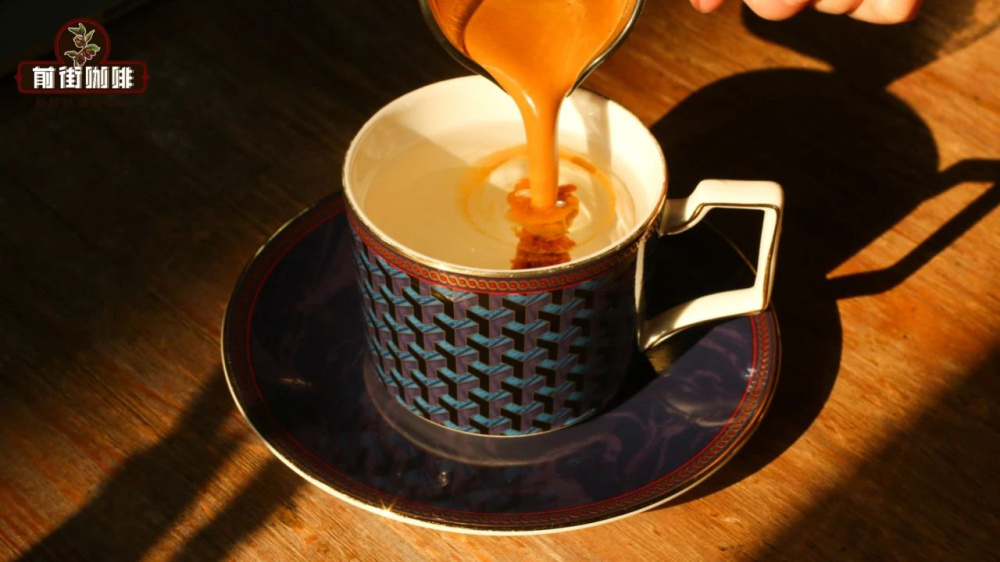
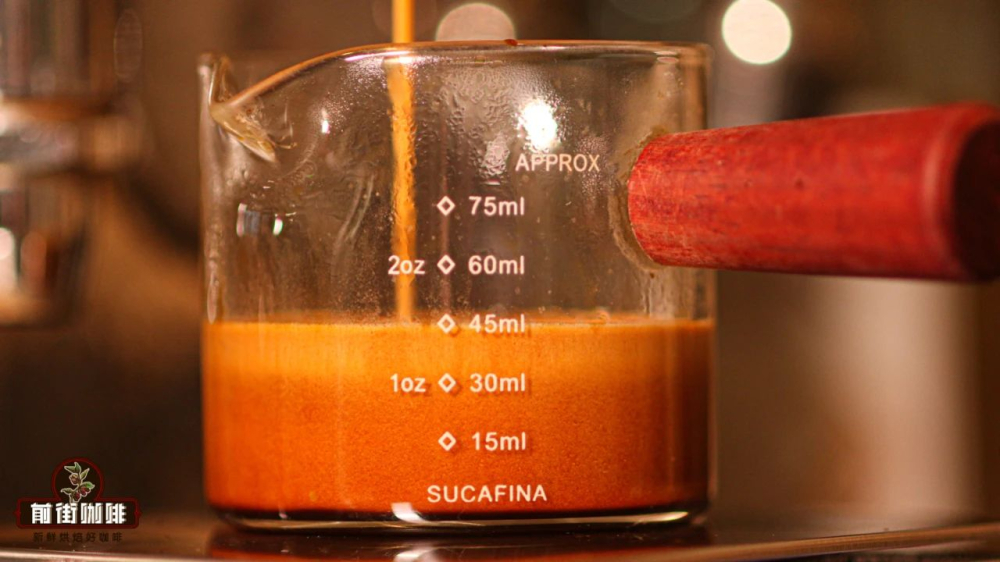
In cafés, what is commonly referred to as “American coffee” is usually made by diluting a single shot of espresso with water at a ratio of about 1:5. For example, 20 grams of coffee grounds are used to extract 40 grams of espresso, which is then mixed with 200 milliliters of hot water to create a well-balanced cup that suits most palates. This practice originated after World War II, when Italian immigrants adjusted the concentration of espresso by adding water to cater to the American preference for milder coffee, eventually evolving into the standard Americano we know today.
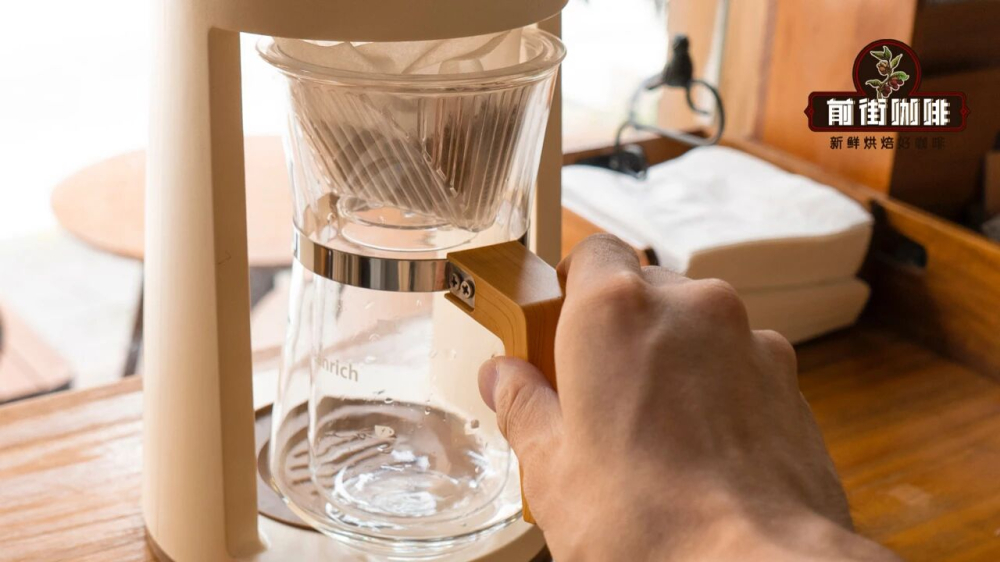
If you want to replicate a similar flavor at home or in the office, besides using an espresso machine to extract and then dilute, a simpler option is the American drip coffee machine. These machines mostly feature automatic heating and dripping systems, have a low barrier to entry, and can be easily operated without professional skills. However, many users still have questions about whether to use filter paper, how to control the coffee-to-water ratio, and the heating principles inside the machine. The following sections will address these points one by one.
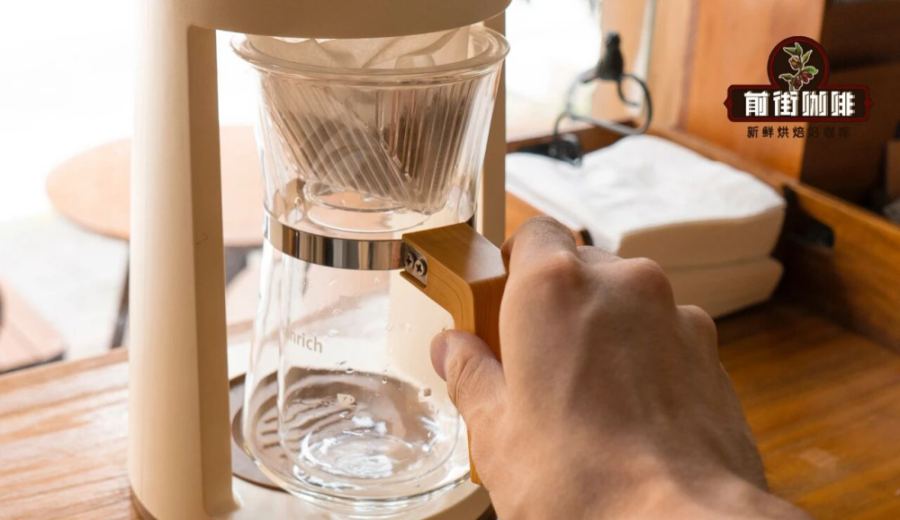
First, let’s talk about the use of filter paper. American drip coffee machines usually come with a metal filter that can filter out most coffee grounds, but if you want a cleaner taste and less interference from fine particles, it’s recommended to add a specially designed trapezoidal filter paper. This not only enhances the clarity of the beverage but also avoids any potential metallic taste that might come from the metal filter—especially recommended for those sensitive to flavor nuances.
In terms of coffee-to-water ratio, the generally recommended range is 1:15 to 1:18, meaning 5 grams of coffee grounds to 75–90 milliliters of water. Using 20 grams of coffee grounds as a base, the total water volume can be set to around 400 milliliters, with an extraction time of approximately 5 to 8 minutes. These parameters strike a good balance between flavor and strength. Note that the water temperature is usually controlled by an internal U-shaped heating tube, preset to around 90–96°C, which is sufficient to effectively extract coffee flavor compounds without being so high as to cause over-extraction or bitterness.
Regarding grind size, it’s recommended to use a medium-coarse grind similar to that used for pour over—roughly equivalent to 80% extraction through a standard #20 sieve. This ensures smooth water flow and even extraction. If the grind is too fine, it can lead to over-extraction and channeling; if too coarse, under-extraction may occur, resulting in a weak flavor. Additionally, using freshly roasted coffee beans is especially important. It’s advisable to choose beans with a medium to medium-dark roast level, which can showcase layers of flavor without being overly bitter or acidic.
For users with specific flavor preferences, suitable coffee beans can be chosen based on personal taste. For instance, those who enjoy tropical fruits, fermented wine-like aromas, and bright acidity might consider beans with notes of rose, raisin, strawberry gummy, and blueberry; if you prefer a balanced, low-acid cup with nutty and caramel undertones, a medium-roast bean from Papua New Guinea would be a good choice; for those seeking a rich, bold flavor profile, such as dark chocolate, roasted peanuts, and creamy notes, a classic full-region blend from Brazil could be the right pick.
The operation of an American drip coffee machine is actually very straightforward: first, place the carafe back in position and close the lid. Then, put the pre-measured coffee grounds (e.g., 20 grams) into the metal filter basket. If you want improved filtration, you can also lay a filter paper on top. Next, fill the water tank with about 400 milliliters of water, close the machine lid, and press the start button. The machine will then automatically heat up and begin the cycling extraction process.
During extraction, the water is heated to the appropriate temperature by the heating tube and then evenly sprayed onto the coffee grounds layer through water pressure and thermal convection. Although this dripping method is not as precise as pour over, it excels in stability and ease of control. The entire process typically takes 5 to 8 minutes, ultimately yielding a refreshing cup of American coffee in the carafe, perfect for everyday drinking.
The advantage of this type of coffee machine lies in its simplicity and ease of use—no complicated techniques are required, making it ideal for busy professionals or home users. Additionally, it is compatible with a variety of coffee beans with different flavor profiles; with moderate adjustments to grind size and ratio, it can bring out distinct flavor characteristics. If you want to enjoy a smooth, flavorful cup of American coffee at home or in the office, understanding these basic operations and parameter settings is the key first step toward delicious results.
The above content is compiled by CoffeeHunters, a coffee news website.


