







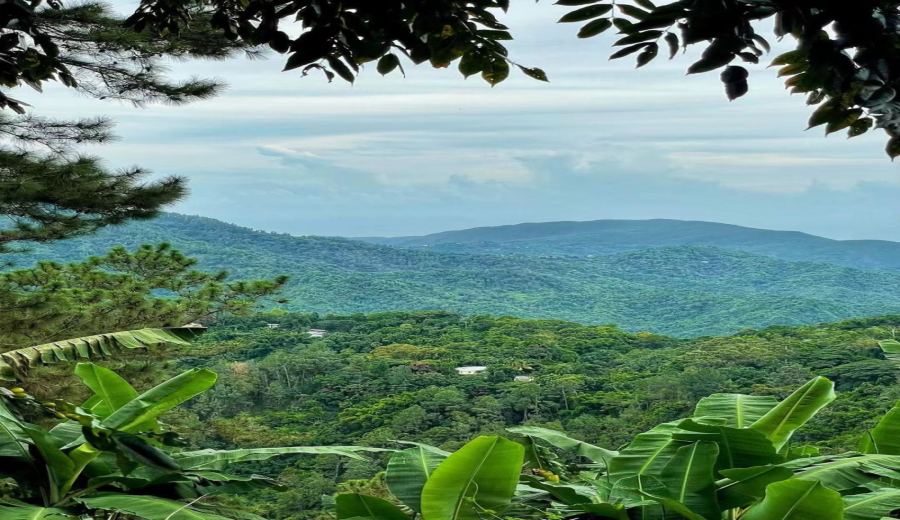
Introduction:Jamaican Blue Mountain coffee is hailed as the "King of Coffees," and the Blue Mountain No. 1 from the Clifton Estate is the crown jewel among them. This article delves into its terroir, grading system, washed processing techniques, and precise roasting profiles to help you identify authentic beans through flavor characteristics and packaging details. From the cultivation conditions at an altitude of 1310 meters to the temperature control during the first crack, gain a complete understanding of the essence of this top-tier coffee.
Jamaican Blue Mountain coffee has long been known as the "King of Coffees," and the Clifton Estate, nestled in the Blue Mountains, is one of the key regions that produces the renowned Blue Mountain No. 1 coffee beans. This historic estate not only holds Rainforest Alliance certification but also benefits from its exceptional geographical environment to produce top-quality coffee with a perfect balance of acidity, body, and aroma.
The Blue Mountains are located in the eastern part of Jamaica and are named for the blue haze reflected from the Caribbean Sea that crowns the mountain peaks. With elevations reaching up to 2256 meters, the area is perpetually shrouded in clouds and mist, complemented by fertile volcanic soil and abundant rainfall (average annual precipitation of 1980 mm), creating a rare coffee-growing paradise in the world. Among these, the Newcastle region where the Clifton Estate is located sits at an elevation of 1310 meters and is one of the core producing areas of Blue Mountain coffee.
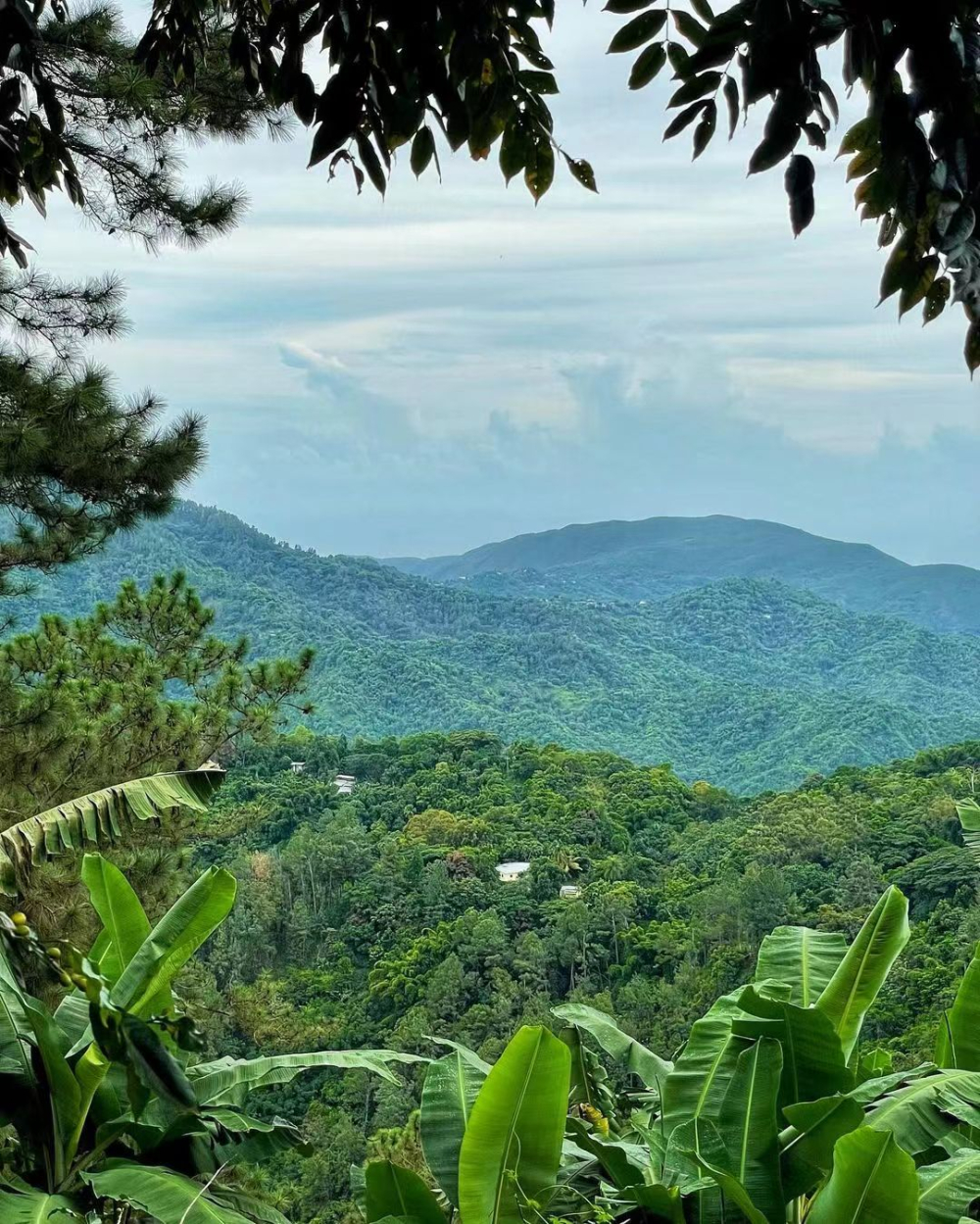
The estate is owned by the Sharp family, covering a total area of 250 acres, of which 180 acres are dedicated to cultivating the Arabica Typica variety. The washed processing method preserves the original flavors of the coffee beans, and the green beans exhibit a unique boat-shaped curvature, with moisture content steadily maintained at around 13%. Notably, Jamaica is the only country in the world that insists on shipping green beans in wooden barrels, with the barrels stamped with the Rainforest Alliance certification mark.
Blue Mountain coffee is divided into three main grades based on quality: Blue Mountain, High Mountain, and Jamaica Prime. The Blue Mountain grade is further subdivided into NO.1 to NO.3 and Peaberry (PB), with NO.1 required to meet strict criteria such as bean size of 17 mesh or above and a defect rate below 3%. The official Blue Mountain growing region is limited to the parishes of St. Andrew, St. Thomas, St. Mary, and Portland, with altitudes between 1000-1700 meters, and only about 6100 hectares qualify.
The processing of green beans follows traditional washed methods, involving 12-18 hours of fermentation to remove the mucilage, followed by washing with flowing water until smooth. The drying process strictly controls the moisture content to be reduced to 12-14%, after which the beans are stored for aging. Since 2020, some estates have experimented with natural sun-drying methods, but washed processing remains the predominant technique. In terms of certification, in addition to the official CIB label, the Clifton Estate has also obtained the (RFA) Rainforest Alliance Frog Seal certification, ensuring sustainable agricultural practices.
Roasting Blue Mountain No. 1 requires precise control over the caramelization stage: it is recommended to start at 170°C, heat up over six minutes to initiate the Maillard reaction, reduce the heat to 90°C when first crack begins at 8'12", and finish roasting at 201.3°C. This profile highlights flavors of dark chocolate, nuts, and cream, while maintaining a balanced acidity, sweetness, and bitterness.
For brewing, it is recommended to use a KONO filter cone, with 15 grams of coffee grounds and 225 milliliters of water at 86°C, using a 1:15 coffee-to-water ratio for a step brew. Start with 30 grams of water for a 30-second bloom, then pour in small streams up to 125 grams and continue to 225 grams, with a total brew time of about two minutes. These parameters bring out the dry fragrance of roasted peanuts, hazelnuts, and caramel, along with the layered wet aroma reminiscent of oolong tea.
To identify authentic Blue Mountain coffee, pay attention to three key factors: First, the green beans are emerald green with naturally curled ends; second, the cell walls produce a crisp, continuous cracking sound when ground; third, the brewed cup should exhibit a rich yet well-balanced flavor without any jarring notes. Additionally, authentic packaging must include a wooden barrel and a lid featuring the Rainforest Alliance frog certification mark—two anti-counterfeiting features that are difficult for imitation products on the market to replicate.
The above content is compiled by CoffeeHunters, a coffee news website.


