








Introduction:Understanding the two common coffee processing methods—natural (sun-dried) and washed—not only helps you choose beans that suit your taste preferences but also allows you to better appreciate the layers and characteristics of coffee. This article will detail the differences in their processing procedures, compare flavor profiles through practical examples, and provide professional brewing parameters to help you become more proficient from bean selection to brewing.
Recently, many coffee enthusiasts have shown great curiosity about coffee beans processed using different methods, especially the commonly seen natural and washed processes. These two methods greatly influence the final flavor. For example, the Diamond Mountain beans produced by Emerald Estate, from the same growing region and of the same grade, can exhibit completely different flavor profiles when processed using natural versus washed methods. So, what exactly is the difference between them? And how should you choose? We’ll break it down step by step—from processing procedures and flavor expression to actual brewing.
Let’s start with the most fundamental differences in processing procedures.Natural (Sun-Dried) Processing MethodThis can be considered the most traditional and most natural approach. Simply put, freshly harvested coffee cherries are placed directly on drying beds and slowly dried under the sun, during which the fruit flesh, mucilage, and even the skin remain fully intact around the coffee beans. This processing step is relatively simple—typically, the coffee cherries are spread out on drying beds or concrete surfaces and left to sun-dry until the moisture content drops to a safe level, after which a hulling machine is used to remove the outer parchment layer. The entire process takes longer, but this allows more sugars and fermentation flavors from the fruit itself to accumulate.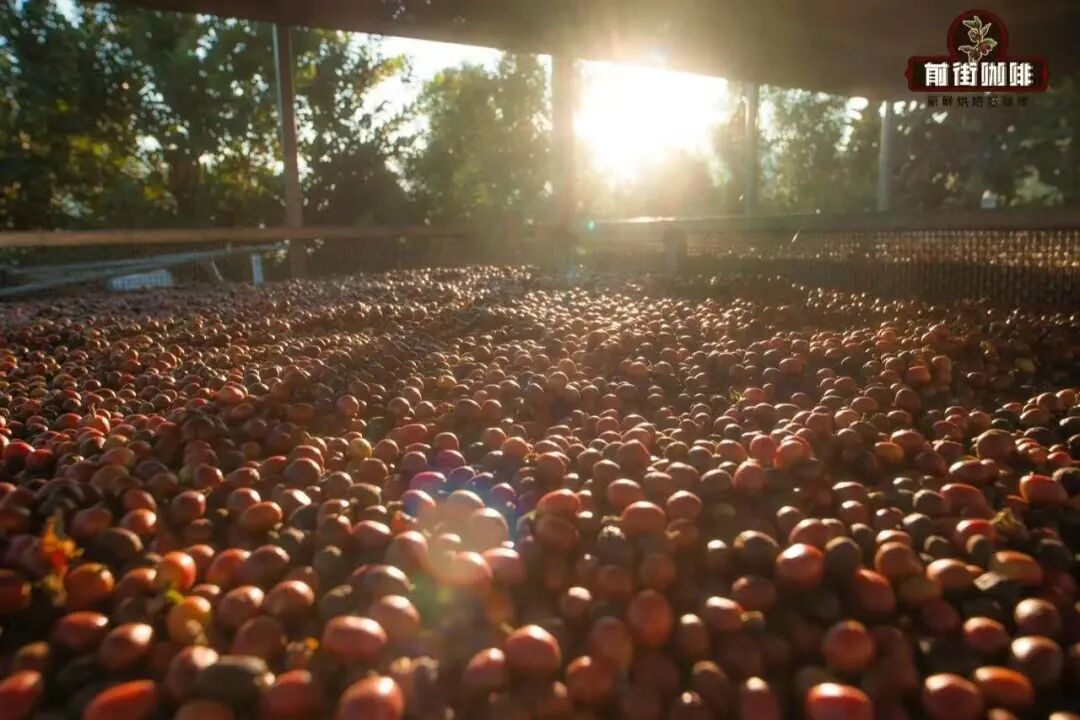
In contrast,Washed Processing Methodis much more complex, involving many more steps. First, the harvested coffee cherries go through floatation, where water buoyancy is used to screen out unripe or defective cherries. Then they enter a depulper to remove the outer flesh and skin, leaving only the coffee beans coated with mucilage. At this point, the beans still can’t be dried directly—they need to be soaked in water tanks to allow enzymes to break down the mucilage, after which any remaining mucilage is removed manually or mechanically. Finally, the beans are moved to the drying area to dry until the moisture content stabilizes, and then the parchment layer is removed. This method allows for more precise control over the degree of fermentation and significantly shortens the drying time.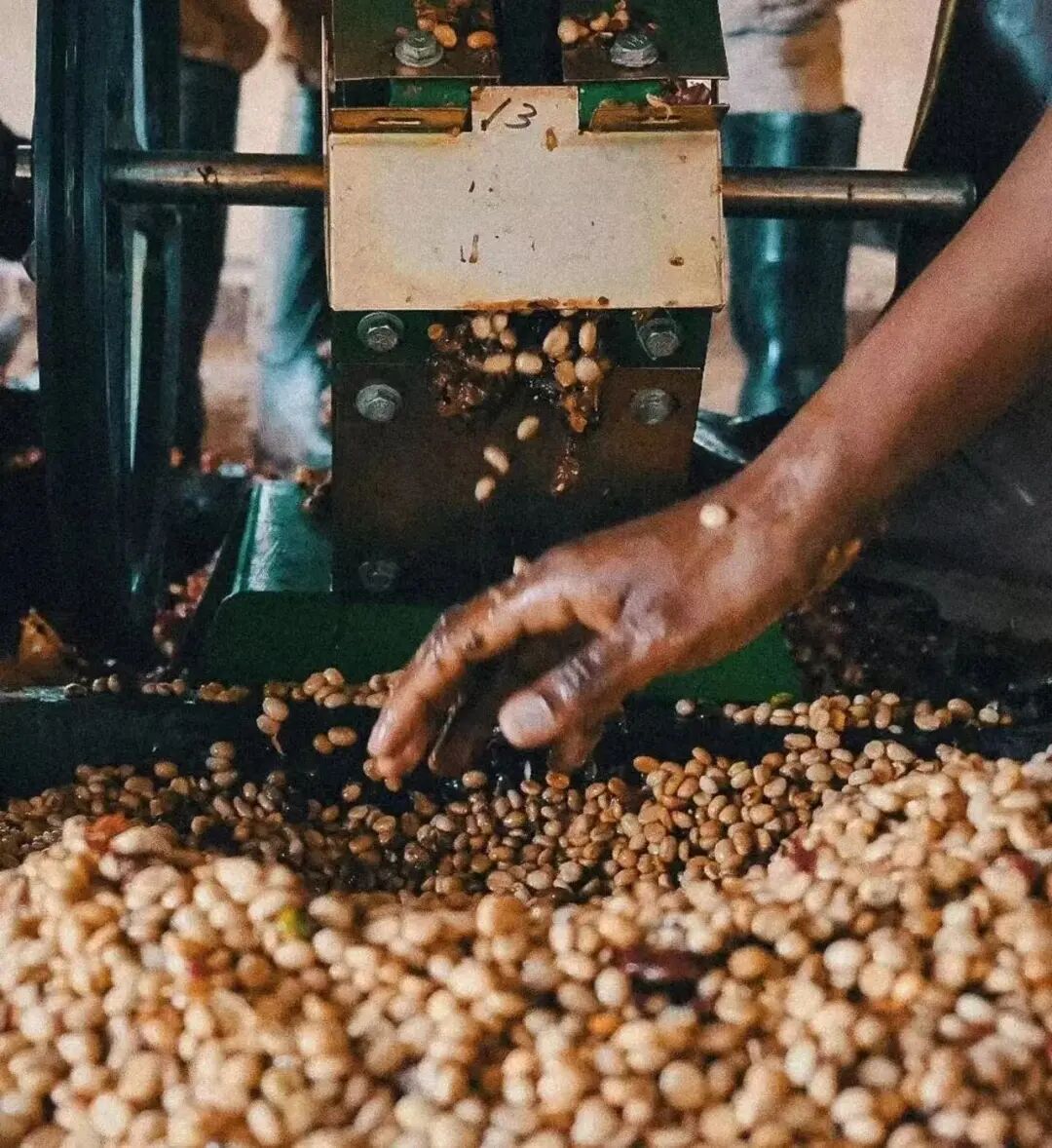

From this, we can see that the biggest difference between natural and washed processing lies in whether the fruit flesh, mucilage, and other tissues are retained during drying, which directly affects the degree of fermentation and the final flavor. Because the natural process takes longer, sugars and mucilage continue to interact, often resulting in richer, more complex flavors with even fermented fruit notes. On the other hand, the washed process removes excess tissues, resulting in lower fermentation levels, cleaner flavors, brighter acidity, and common fresh floral and citrus notes.
In practice, we can use the same coffee beans—Emerald Estate’s Diamond Mountain—processed both naturally and washed, to compare their flavor profiles. The brewing conditions remain consistent: using 15 grams of coffee grounds, ground to approximately the 10th setting on an EK43 grinder (equivalent to the fineness of caster sugar with an 80% extraction rate through a #20 sieve), a 1:15 coffee-to-water ratio, water temperature controlled at 92°C, using a V60 filter cone and a three-pour brewing technique, with a total brew time of about 2 minutes.
The natural-processed Diamond Mountain offers an immediate burst of intense fruity aromas upon entry—such as citrus, persimmon, and berries. The mouthfeel is rich and honey-like, with a cocoa and lightly fermented aftertaste. As the temperature cools, the sweetness becomes even more pronounced, with a multi-layered and balanced overall flavor profile.
The washed-processed Diamond Mountain, on the other hand, features a bright, crisp acidity upon entry, reminiscent of grapefruit and lemon, paired with delicate floral notes. The mouthfeel is extremely smooth and clean, and the aftertaste reveals green tea and cocoa tones. The overall profile is refreshing, like a high-quality fruit-infused green tea.
From the above comparison, it’s clear that natural-processed beans offer a richer, more layered flavor with notable sweetness and fermented notes, while washed beans emphasize a clean, bright acidity and distinct fruit character, making them ideal for those who prefer a refreshing taste.
So why is there such a significant difference in flavor between the two? The key lies in the fermentation process and drying method. Natural processing retains the fruit flesh and mucilage, allowing the coffee beans to undergo continuous natural fermentation during drying. The sugars in the fruit and microbial activity produce complex flavor compounds. In contrast, washed processing removes these components early on, resulting in lower fermentation levels and highlighting the unique intrinsic flavors of the coffee beans—often referred to as “origin flavors.”
Additionally, some readers may notice that the washed version seems to have more pronounced acidity, which is also related to the roast level. Although both are medium-light roasts, washed beans are typically roasted slightly lighter to preserve more fruit acids and aromatics. It’s worth noting that the lighter the roast, the more prominent the acidity tends to be. Meanwhile, natural beans, due to their higher sugar content, are more prone to caramelization reactions during roasting, which softens the acidity. Therefore, factors other than processing methods—such as roast profiles—also play a crucial role in flavor.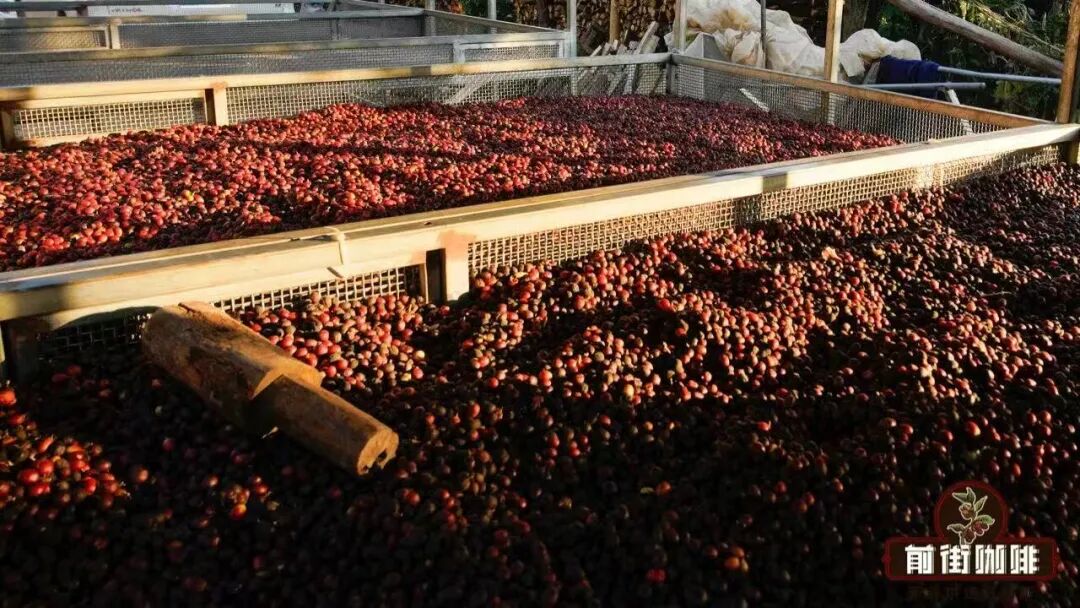

In summary, both natural and washed processing methods have their own unique flavor charms. Whether you prefer the rich complexity of natural-processed coffee or the clean brightness of washed-processed coffee, both are worth experiencing based on your personal taste preferences. Whether you’re drawn to explosive fruit intensity or clear, clean acidity, you can find your ideal coffee experience from these two processing methods.
Next time you’re selecting coffee, pay attention to the processing method indicated on the label, and pair it with a suitable brewing method—you’ll be able to delve deeper into the story and unique characteristics behind each coffee bean.


The above content is compiled by CoffeeHunters, a coffee news website.


