







Introduction:From pour over to manual pressure brewers, this guide delves into the principles, required equipment, and flavor profiles of six common coffee brewing methods. It details the extraction parameters and key techniques for each method, and compares how different tools affect coffee taste, helping you find the brewing style that suits you best.
In recent years, more and more people have moved beyond simply drinking coffee and begun exploring various brewing methods. Among them, pour over coffee stands out as the top choice for many enthusiasts due to its simple equipment requirements and relatively accessible cost. In fact, with just a few basic tools, you can brew coffee at home that rivals professional quality.
As coffee culture becomes increasingly popular, the variety of coffee equipment on the market is vast, ranging from simple manual devices to professional-grade machines, each with its own unique features. This article will focus on six mainstream coffee brewing methods: espresso, pour over, siphon, moka pot, AeroPress, and French press. We’ll explain the characteristics, operation details, and flavor profiles of each method.
Espresso is one of the fastest brewing methods, but it requires expensive equipment, ranging from tens of thousands to hundreds of thousands of yuan, akin to placing a car on your tabletop. This brewing process uses water heated to around 94°C and pushed through a tightly compacted puck of coffee grounds under 9 bars of pressure. A single serving is typically about 30 milliliters, topped with a reddish-brown layer of foam known as crema. Its high concentration and quick extraction make it a standard offering in many chain coffee shops.
During the extraction process, the high-pressure water forces the coffee grounds to release carbon dioxide along with their oils and aromatic compounds. The balance between the gas pressure from the carbon dioxide and the surface tension of the high-pressure water traps these essential substances, forming the crema. Making espresso requires a professional coffee machine paired with a high-quality grinder, the latter of which plays a critical role in overall extraction quality—arguably even more important than the machine itself.
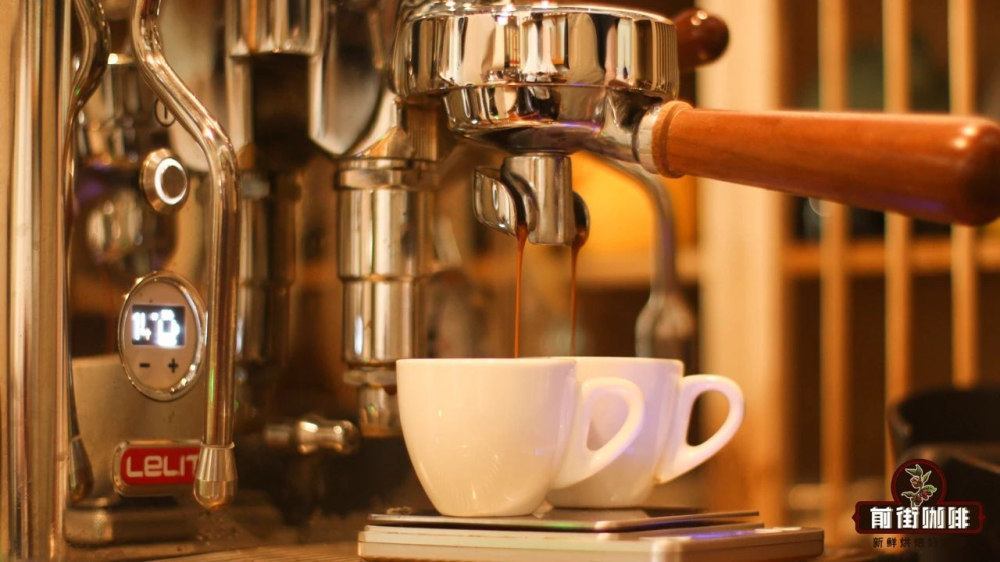
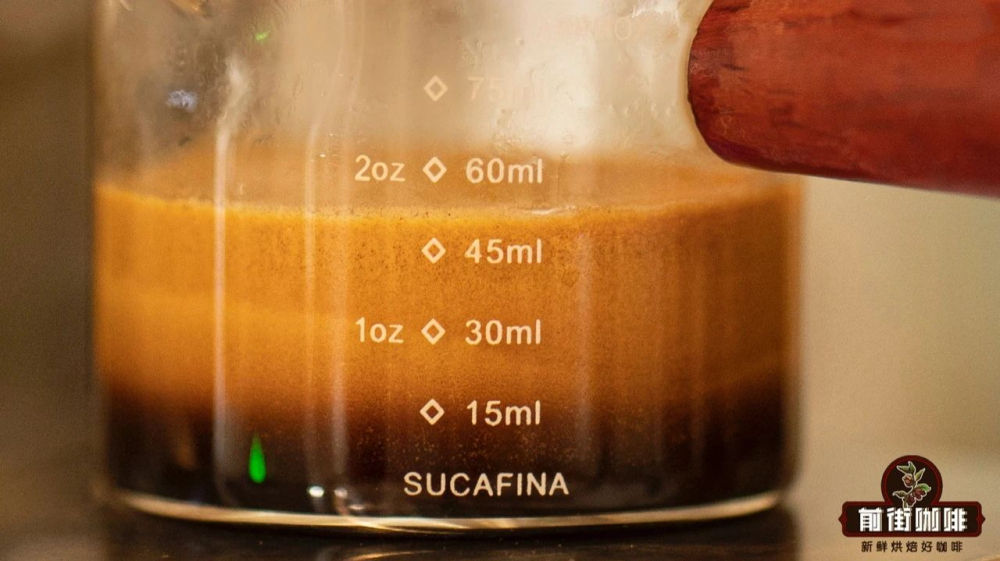
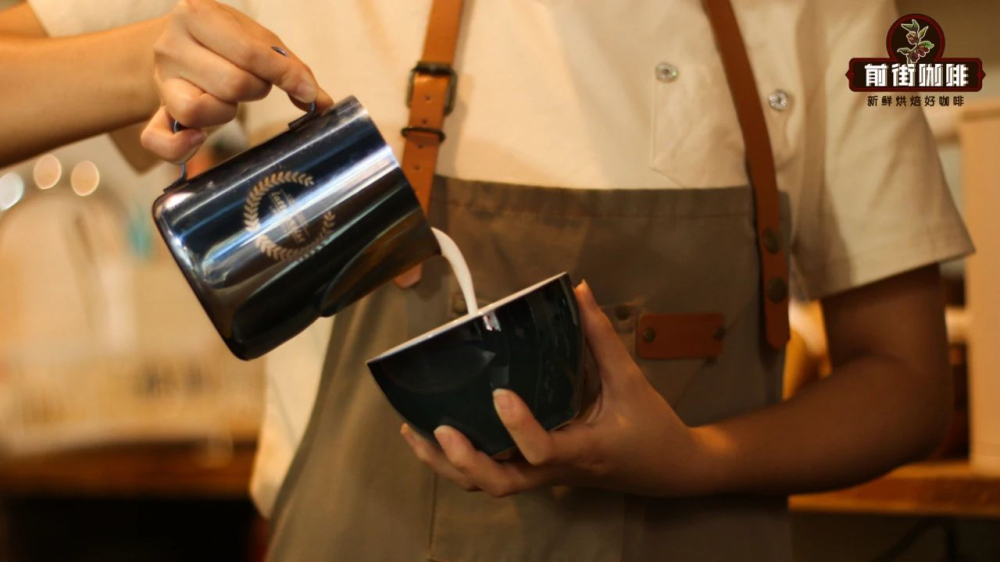
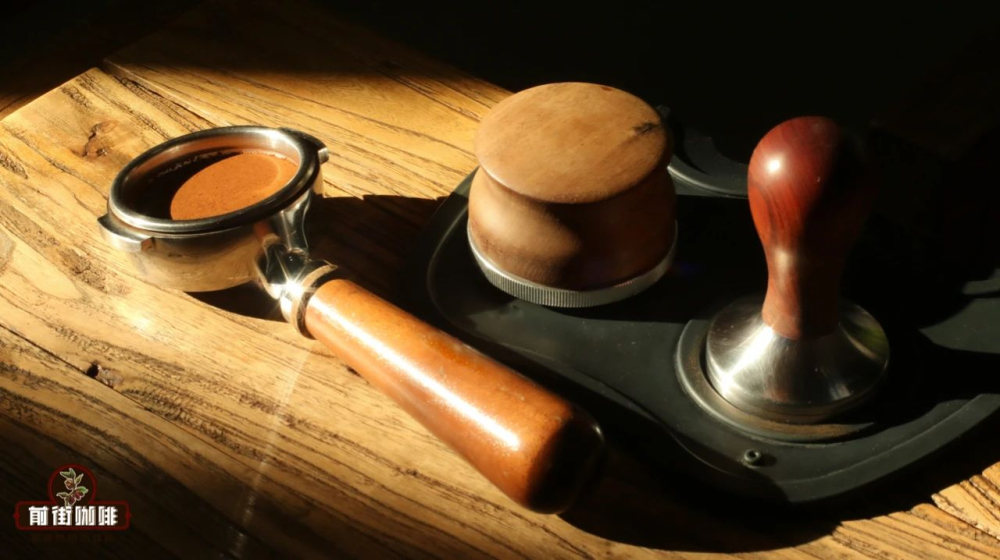
Common espresso tools include professional coffee machines (available for home or commercial use), grinders (where blade quality has a huge impact), milk frothing pitchers (recommended to have double the capacity of your cup), as well as auxiliary tools like thermometers, measuring cups, and timers. Since the extraction time is extremely short, even the slightest change in any parameter can significantly affect the final flavor.
Espresso is characterized by its extremely fast brewing speed (averaging under 30 seconds per cup), standardized workflow, and ease of establishing an SOP, making it the preferred choice for chain coffee shops. Additionally, it is highly versatile—not only for direct consumption but also as the base for milk-based drinks like lattes and cappuccinos. However, this method is highly equipment-dependent and does not fully showcase the original characteristics of coffee beans. Some shops opt for specific blends to highlight their signature flavors.
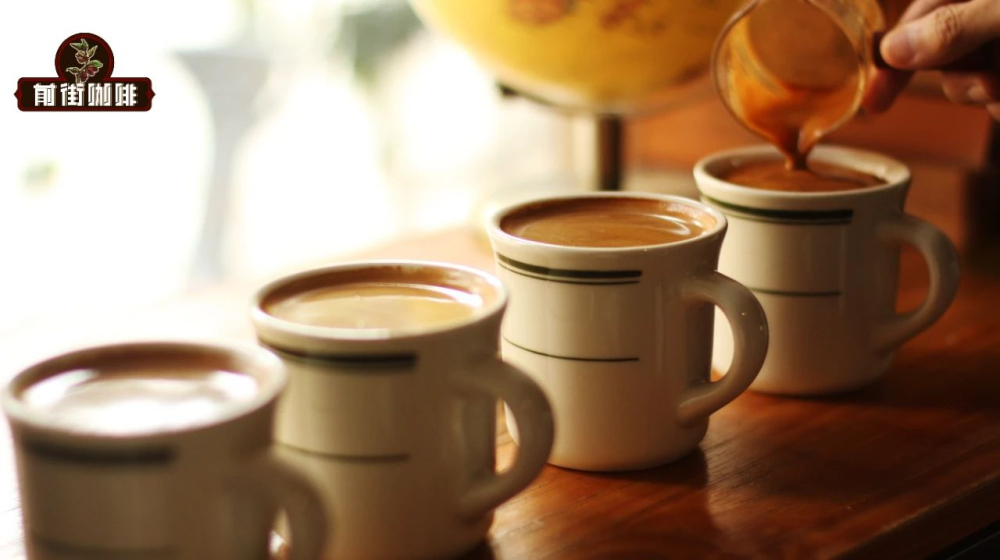
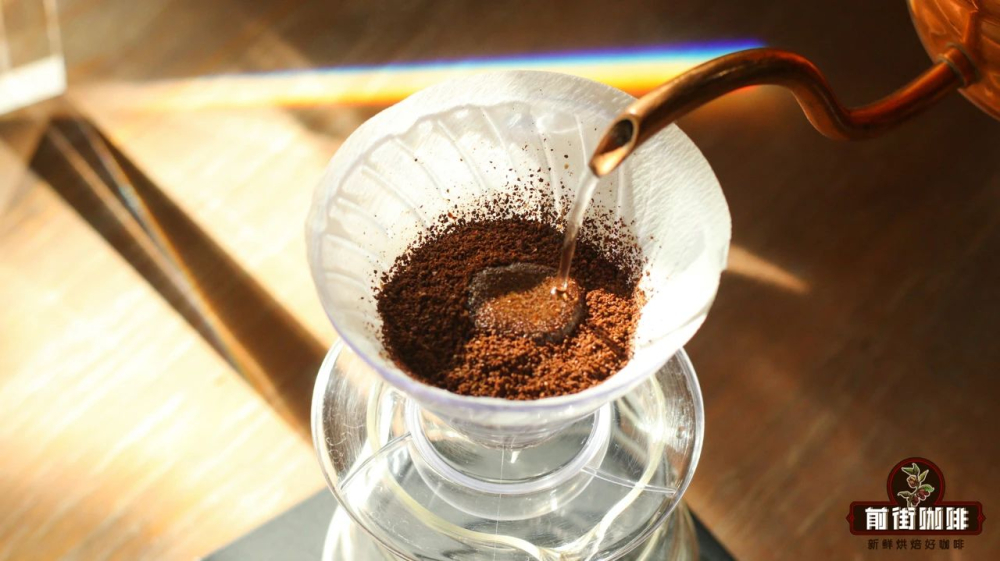
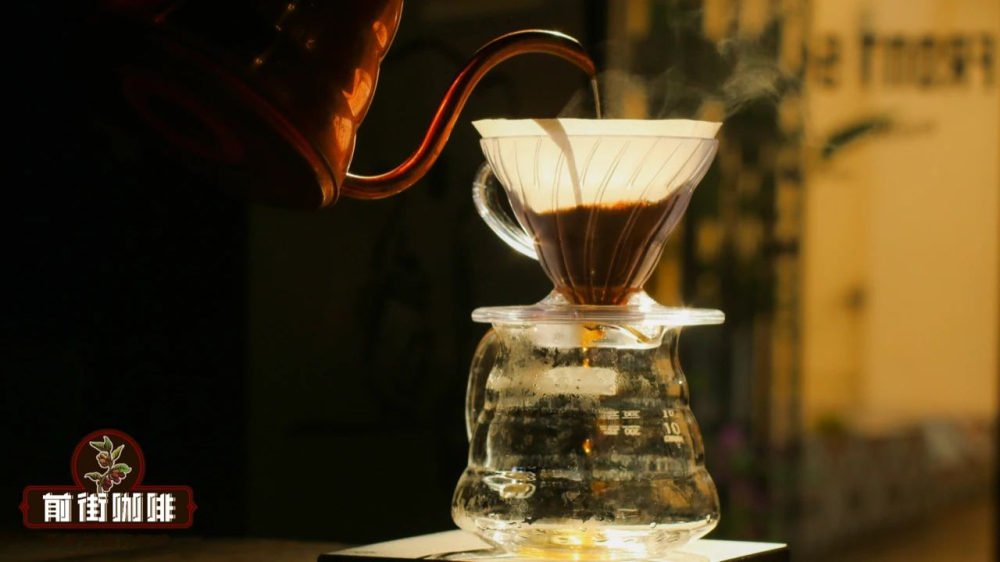
Pour over coffee is a brewing method that emphasizes feel and experience, originating in Japan and gaining worldwide popularity in recent years. The process takes about two minutes, and by manually controlling water temperature, flow rate, and pouring technique, you can influence the final flavor of the coffee. Since each variable can be adjusted, the outcome of each brew can vary greatly, making it both challenging and rewarding.
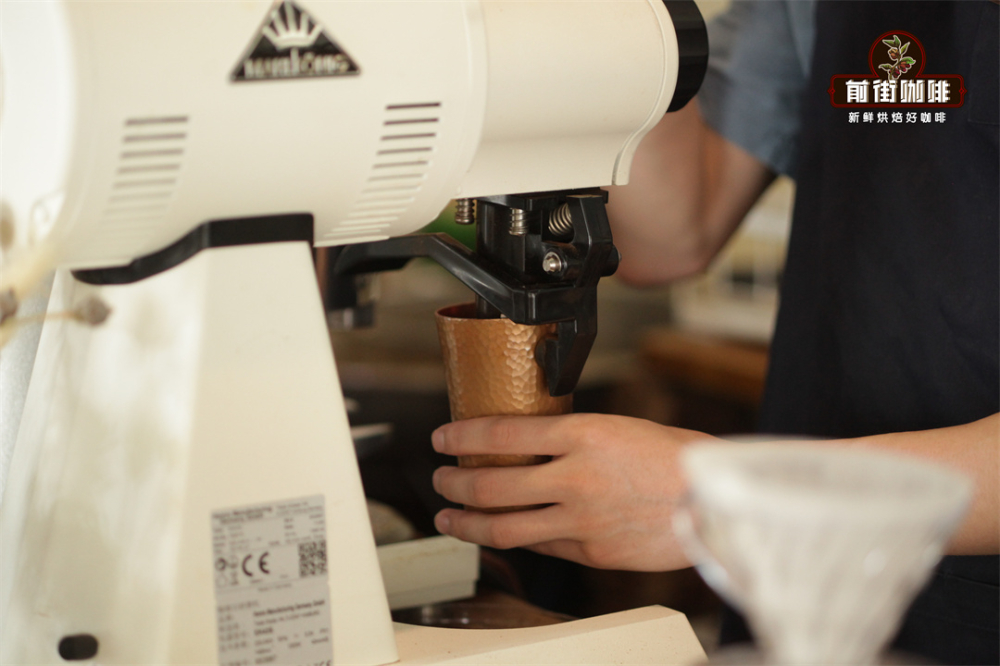
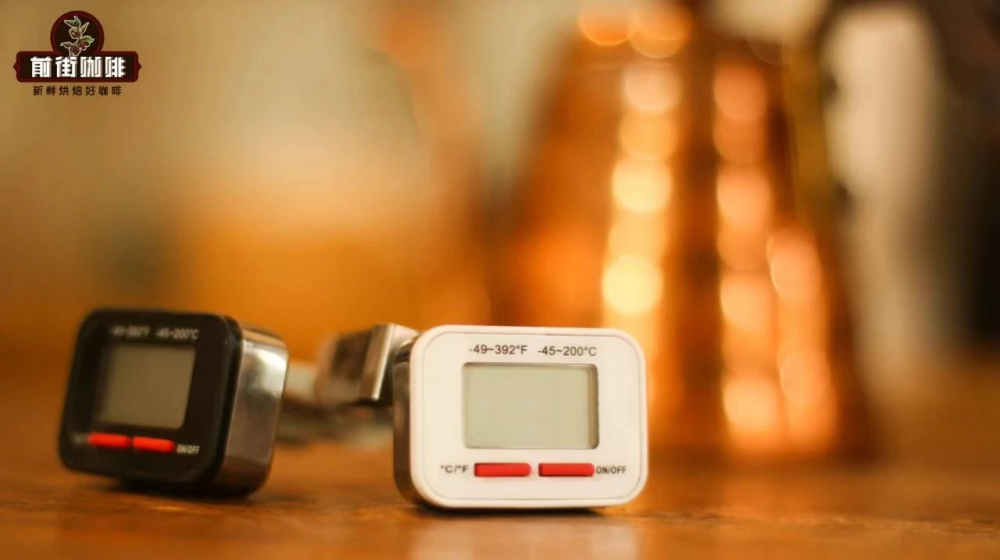
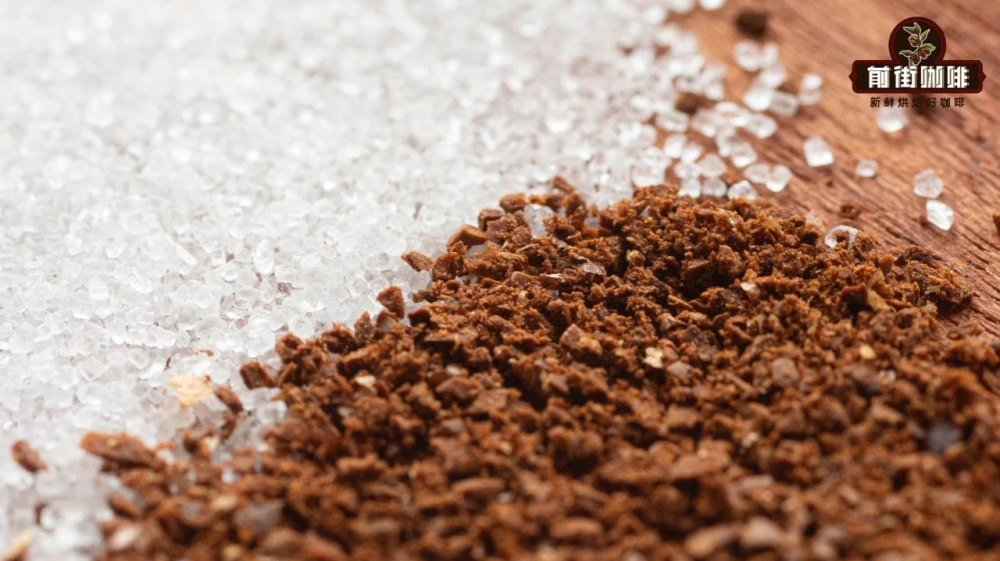
Basic pour over equipment includes a grinder (coffee grounds should be about the size of No. 2 sugar, with uniformity affecting taste), filter paper (unbleached paper may impart a papery taste; it’s recommended to wet it before use), a pour over kettle (a gooseneck spout allows for better water flow control and is ideal for beginners), a filter cone (shapes include V-shaped, conical, and wave types, each influencing flow rate and flavor), a server and cup (it’s advised to preheat them to maintain coffee temperature), along with auxiliary tools such as a scale, thermometer, and timer.
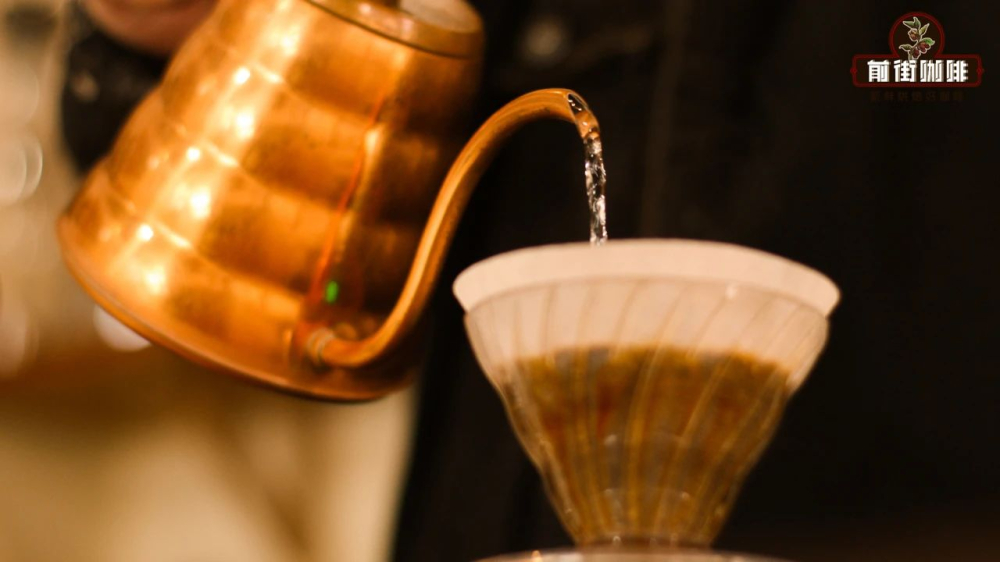
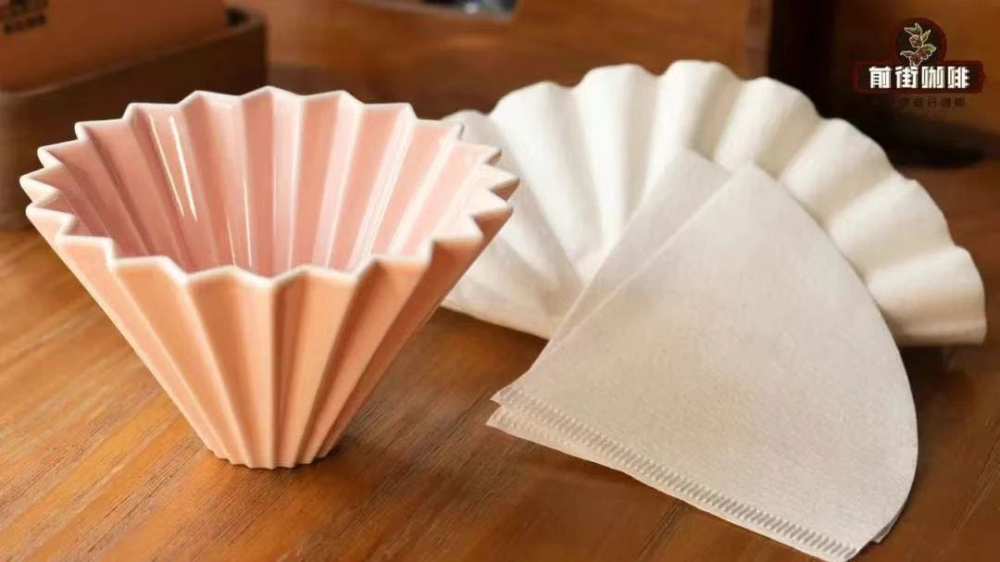
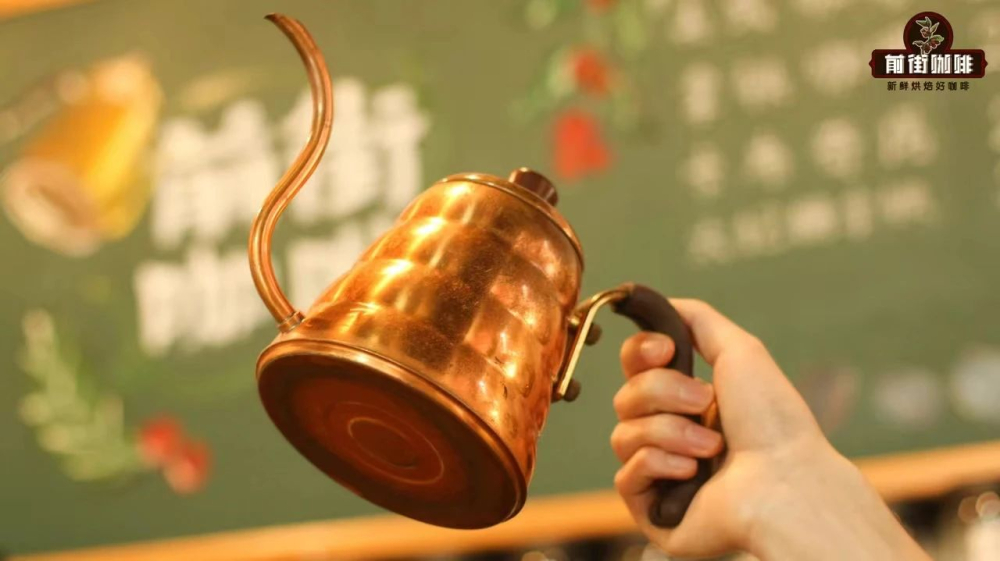
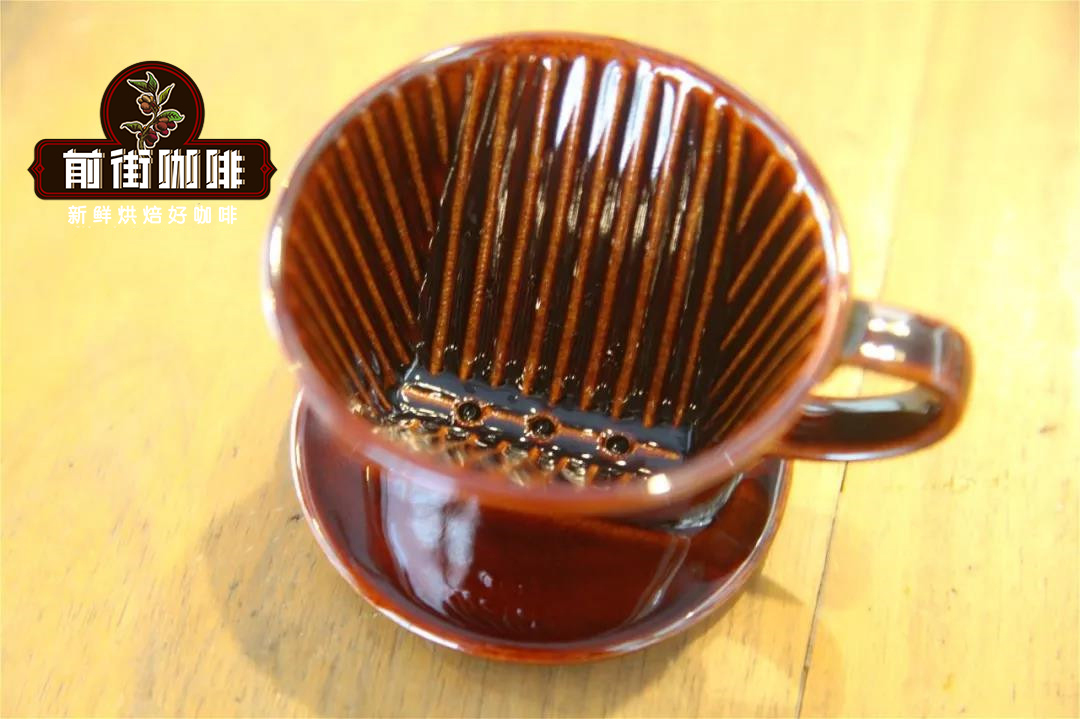
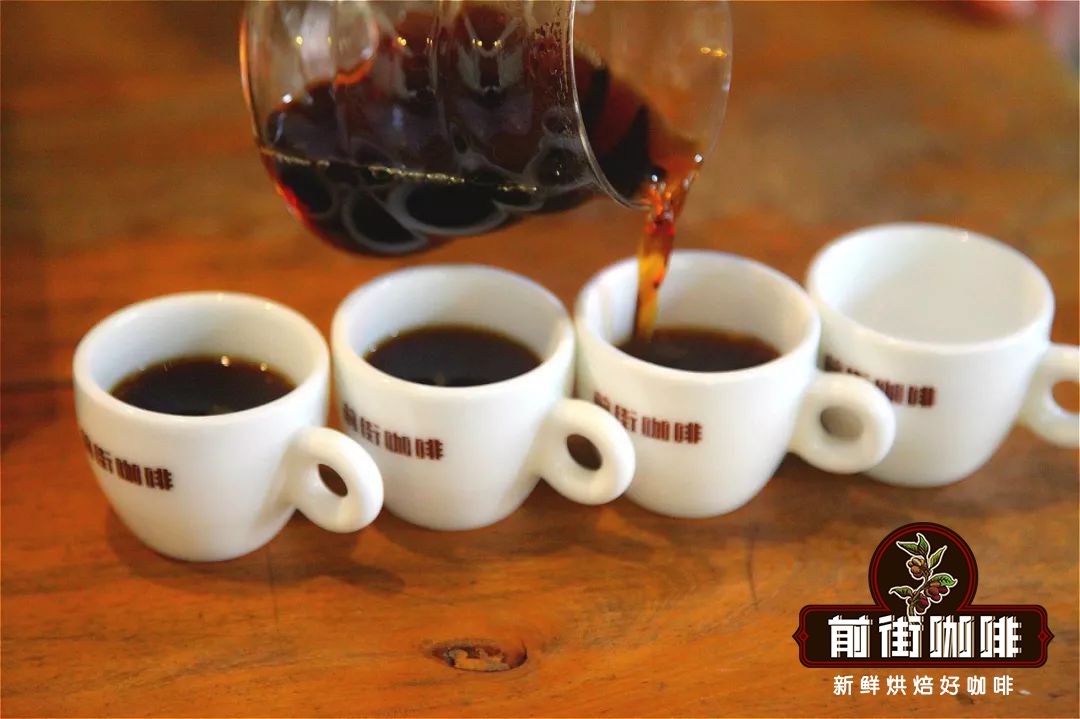
The advantage of pour over lies in its efficient extraction—constantly passing fresh hot water through the coffee grounds effectively extracts a variety of flavor compounds. However, due to the many variables involved, improper control can lead to over-extraction or imbalanced flavors. That said, this also means there's ample room for personal adjustment, and every attempt can bring a new surprise, which is part of its charm.
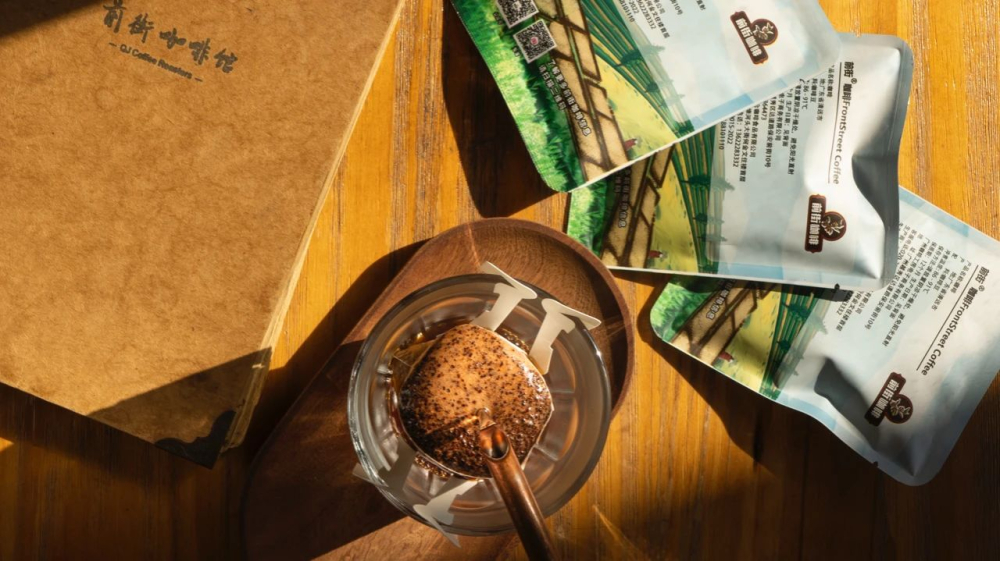
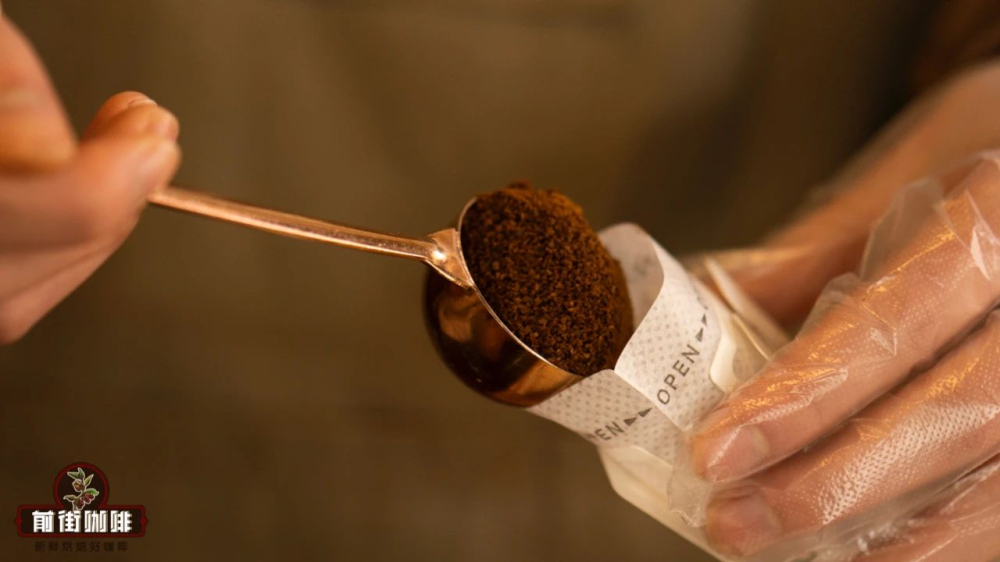
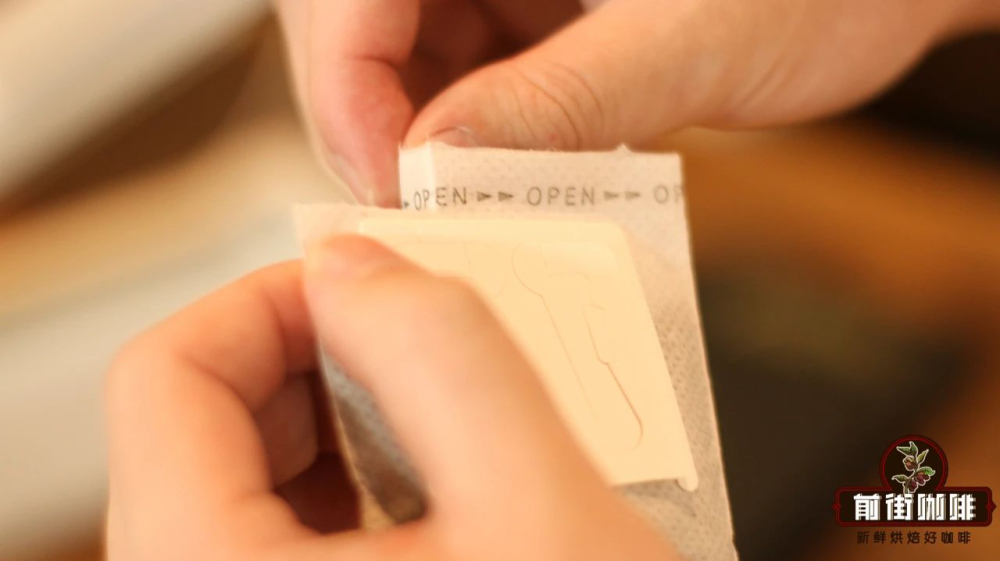
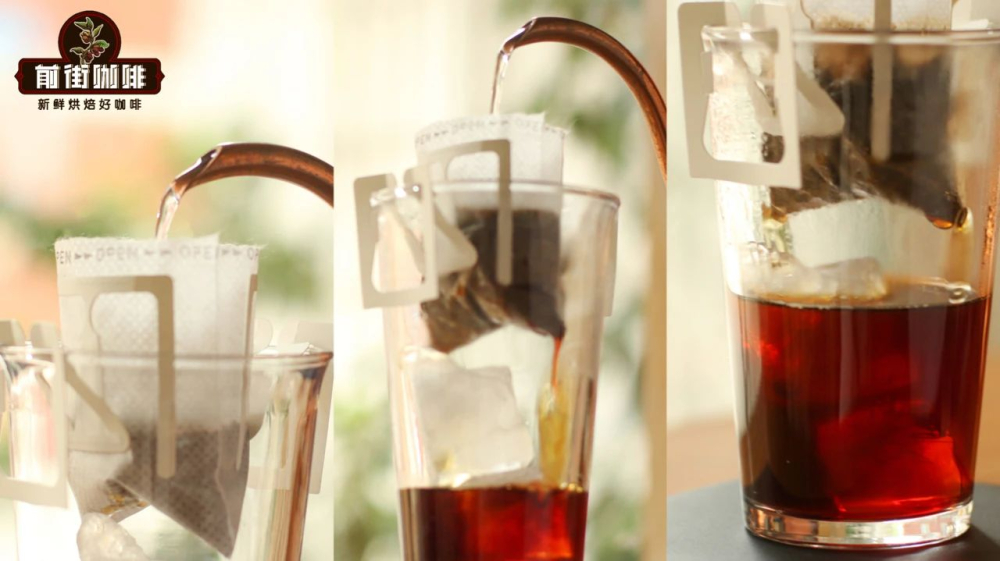
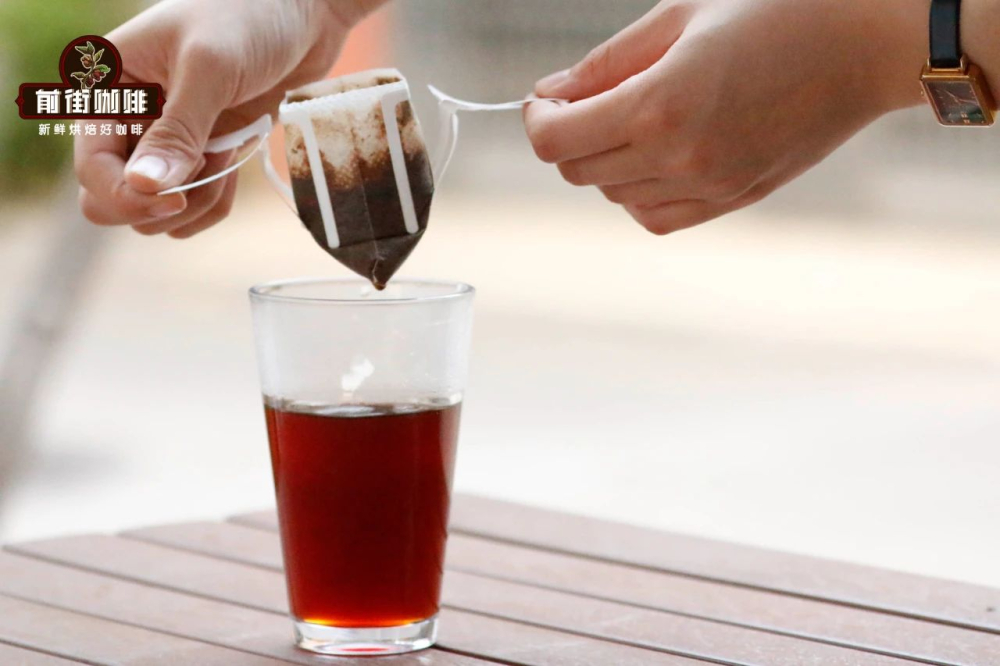
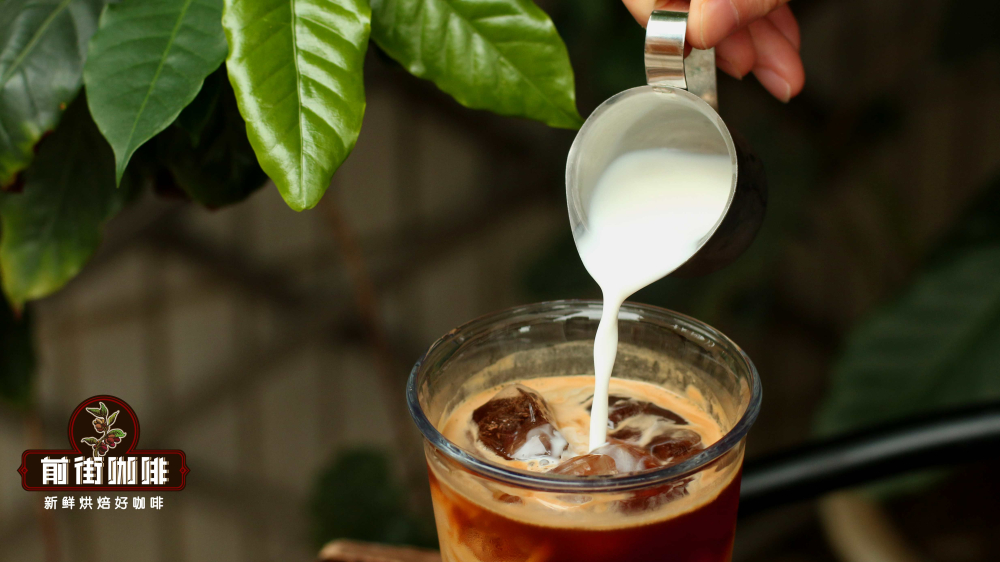
For busy modern individuals, drip bags can be seen as a simplified alternative to pour over. Their usage is similar but more straightforward, requiring no complex tools or techniques. While their aroma may be slightly less pronounced than pour over, they still retain a good level of coffee flavor, making them ideal for those with limited time who still want to enjoy single-origin coffee.
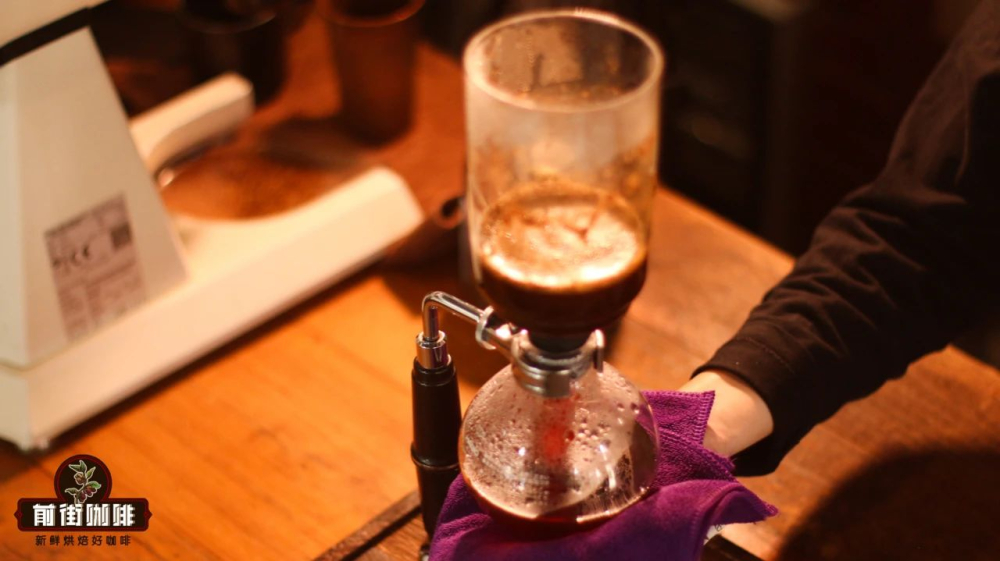
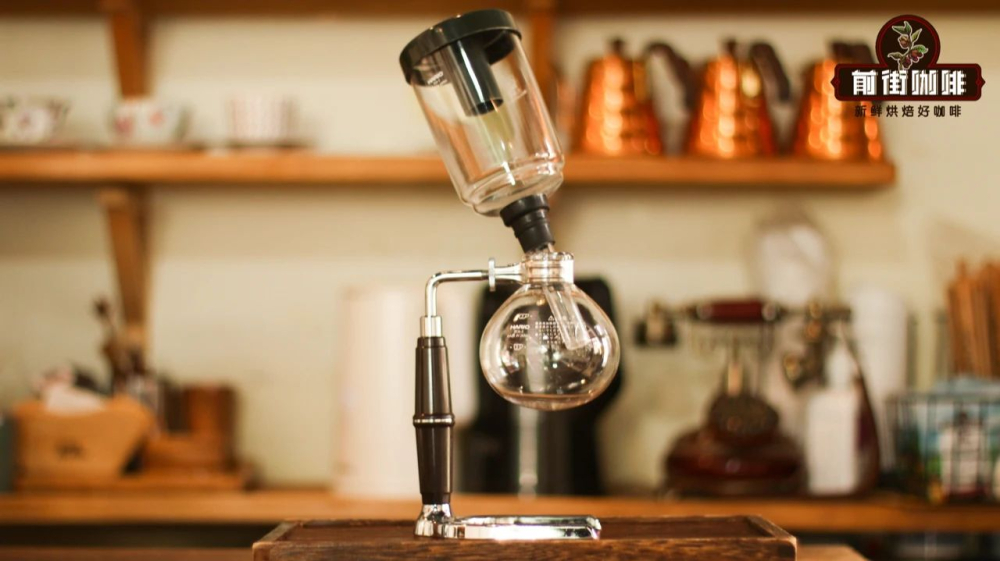
The siphon (Siphon) is a brewing method that combines scientific principles with culinary aesthetics, originating in Germany. The device consists of two chambers—one on top of the other. Heating the lower chamber generates steam pressure, pushing hot water up into the upper chamber where it mixes with the coffee grounds. After the heat is turned off, the resulting vacuum causes the brewed coffee to flow back down into the lower chamber, completing the extraction. This method produces a rich-tasting coffee, and the entire process resembles a science experiment—the device itself also serves as a decorative piece.
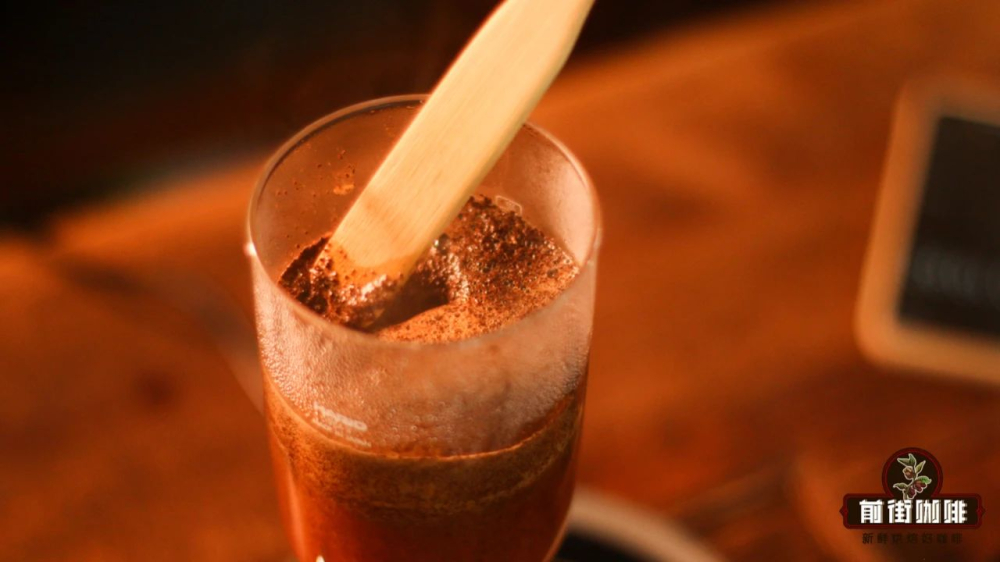
However, using a siphon requires a higher skill level—you must precisely control water temperature and time. Excessively high temperatures can scorch the coffee grounds, overly long steeping times may result in bitterness, and excessive stirring can introduce acidity. Therefore, this method is better suited for experienced coffee lovers.
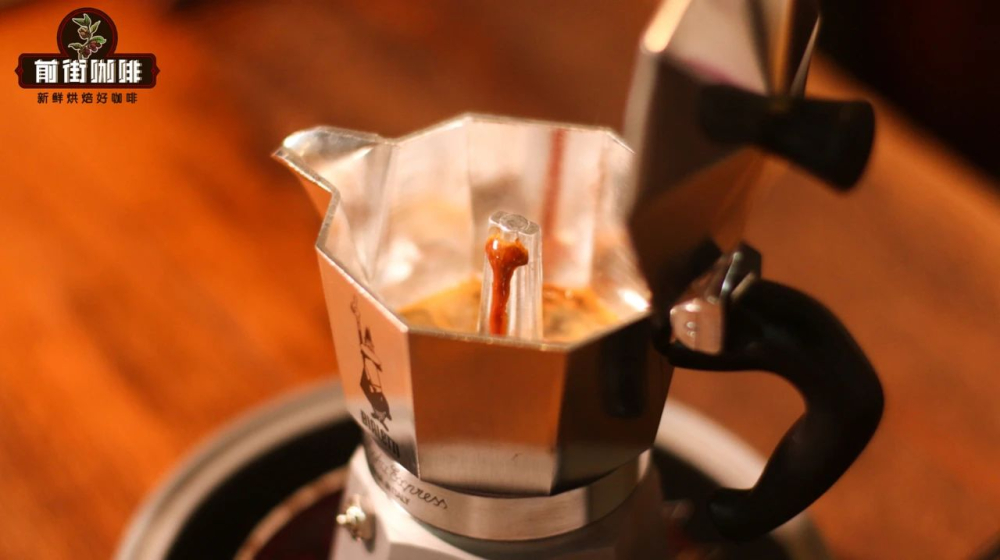
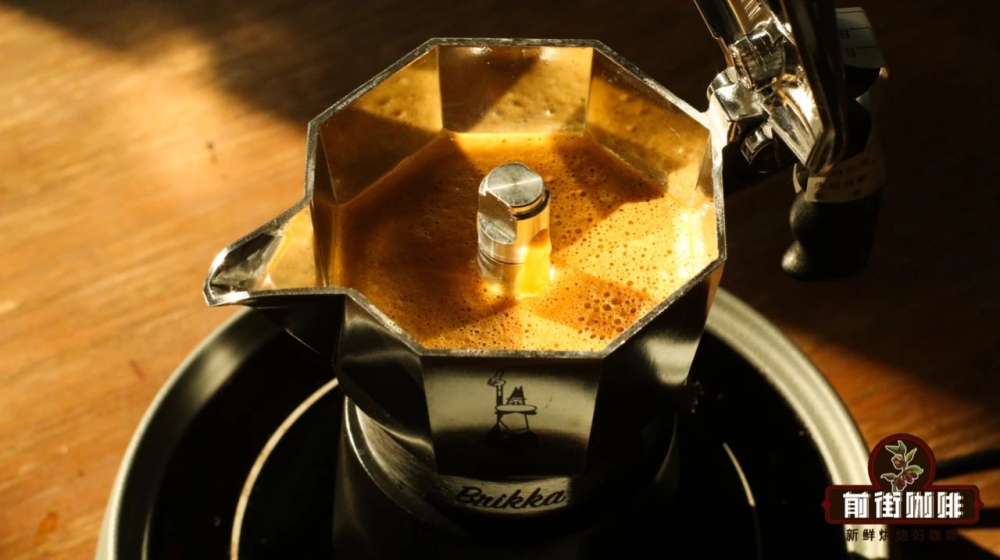
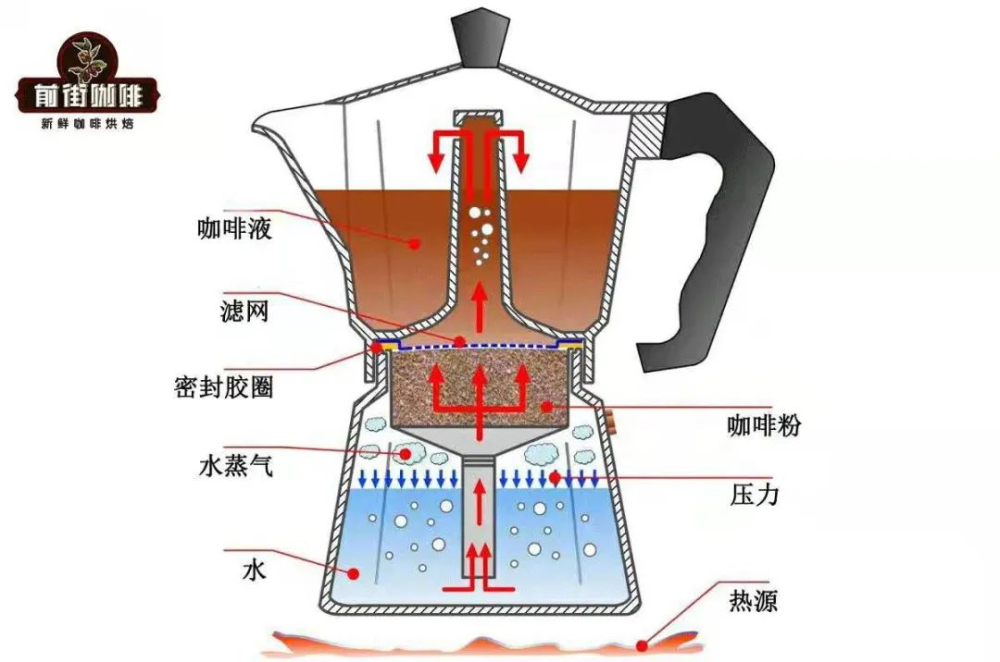
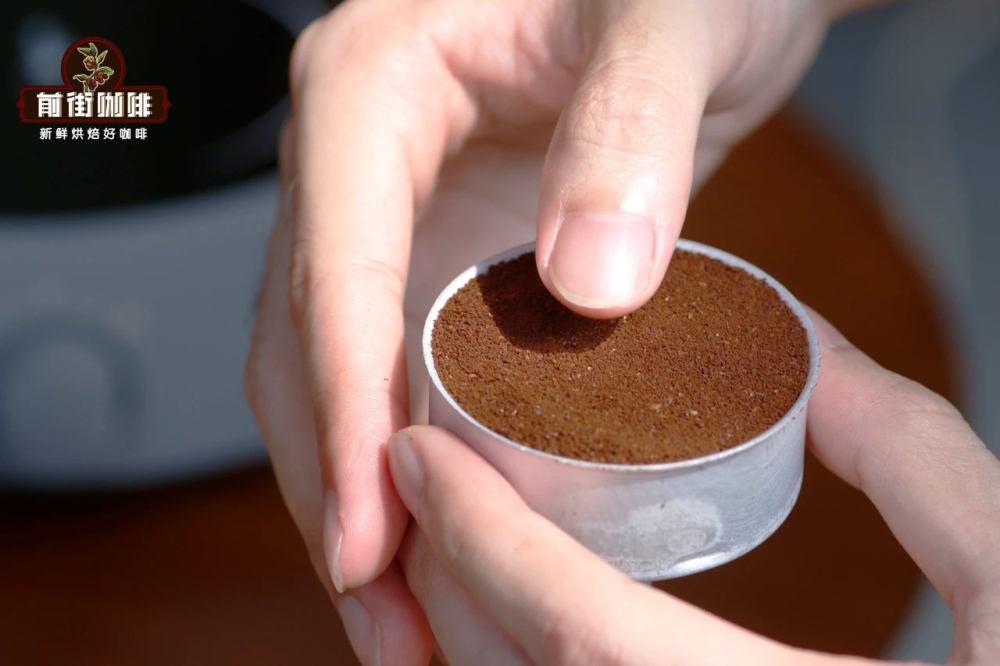
The moka pot (Moka Pot) is another widely used home coffee brewing device, invented in the 1930s by Italian designer Alfonso Bialetti. It consists of a lower chamber (for water), a middle filter basket (for coffee grounds), and an upper chamber (to collect the brewed coffee). When heated, steam pressure from the lower chamber pushes water through the coffee grounds and into the upper chamber, producing a strong coffee brew.
The moka pot operates at around 1.5 bar of pressure, much lower than the 9 bar of professional espresso machines. However, it is easy to use and produces a rich, bold coffee, making it ideal for outdoor activities or travel. Be sure to control the heat and ensure the water level in the lower chamber doesn’t exceed the safety valve to avoid accidents.
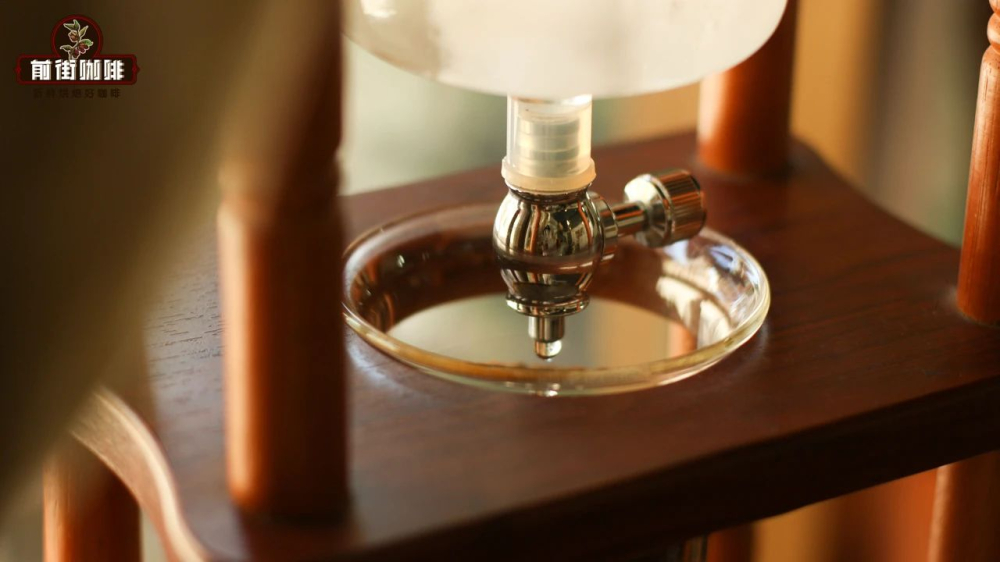
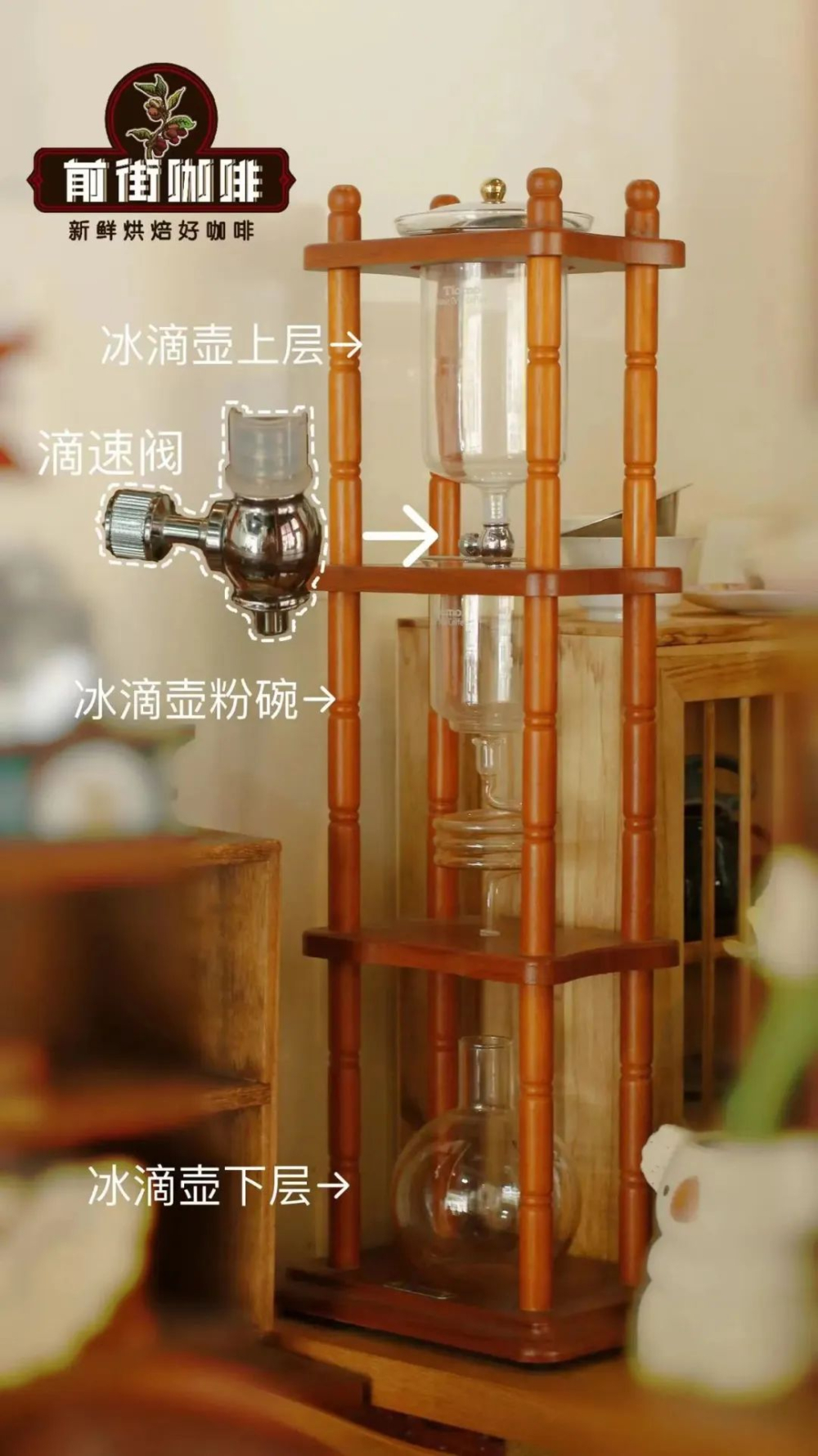
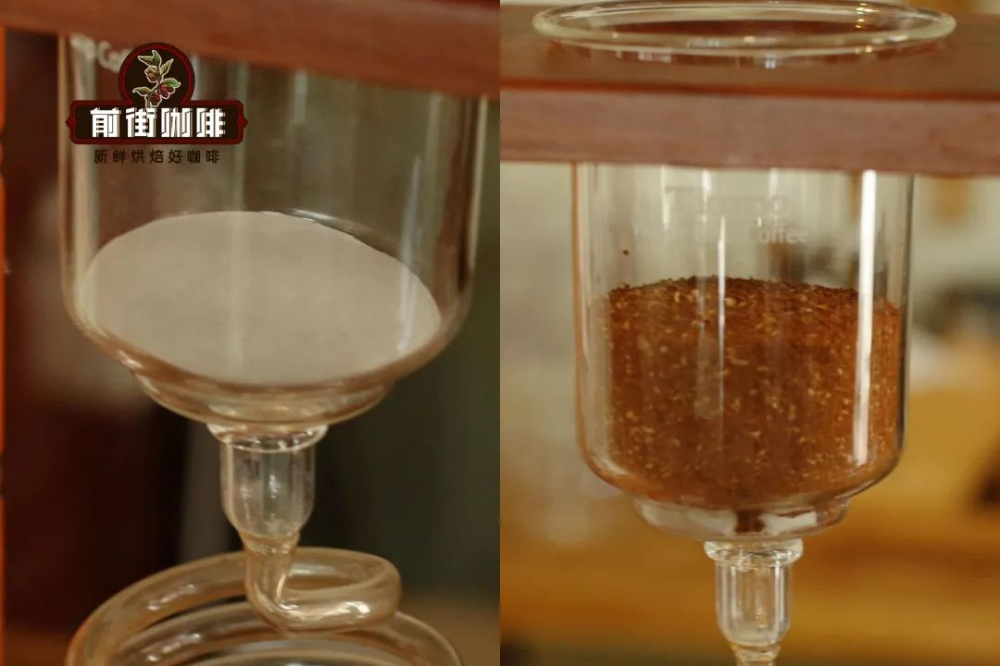
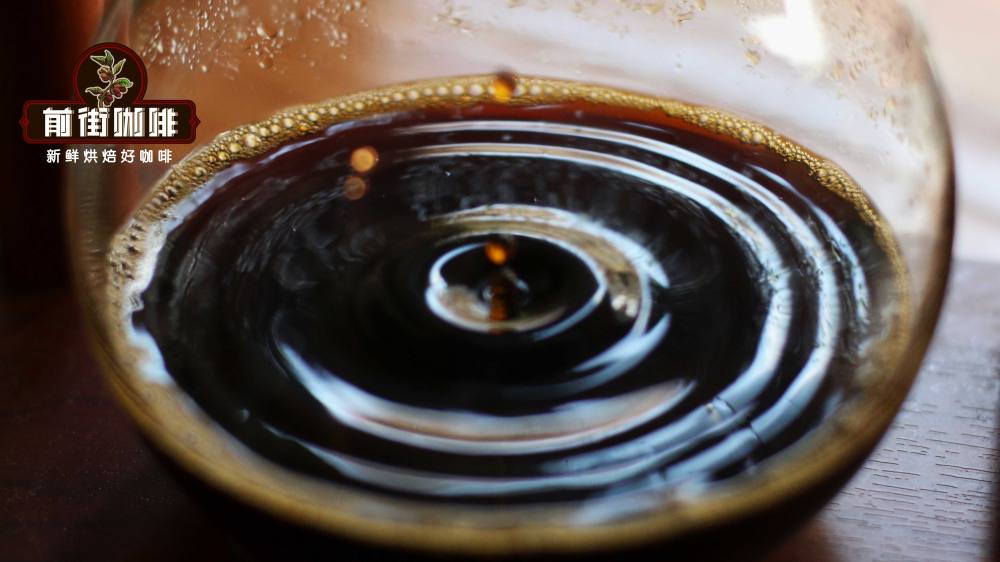
Cold drip coffee is an extremely patient brewing method, using ice water to extract coffee slowly over an extended period, which effectively reduces the extraction of astringent compounds. The process usually takes several hours or more, and it’s recommended to refrigerate the brewed coffee afterward to enhance flavor complexity and smoothness. Cold drip pots are generally divided into three layers: the top holds ice and water (in a ratio of about 1:1), the middle contains coffee grounds (ratio of about 1:10 to 1:12), and the bottom collects the brewed coffee.
During operation, pay attention to the flatness of the coffee layer and the use of filter paper to ensure even water distribution. Pre-wetting (similar to the bloom step in pour over) also helps improve extraction consistency, avoiding localized over- or under-extraction. After brewing, it’s recommended to let it sit and ferment for at least one night for optimal taste.
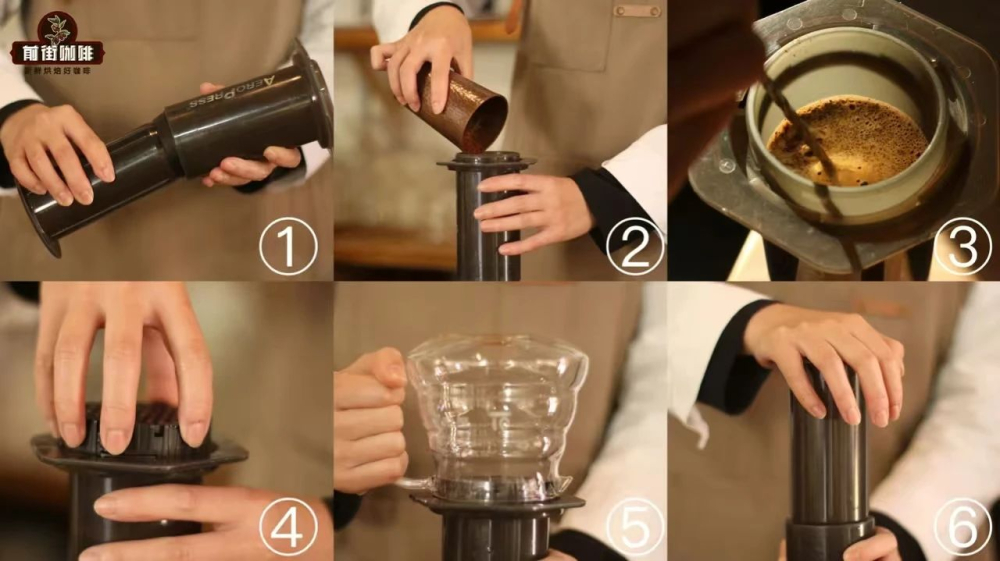
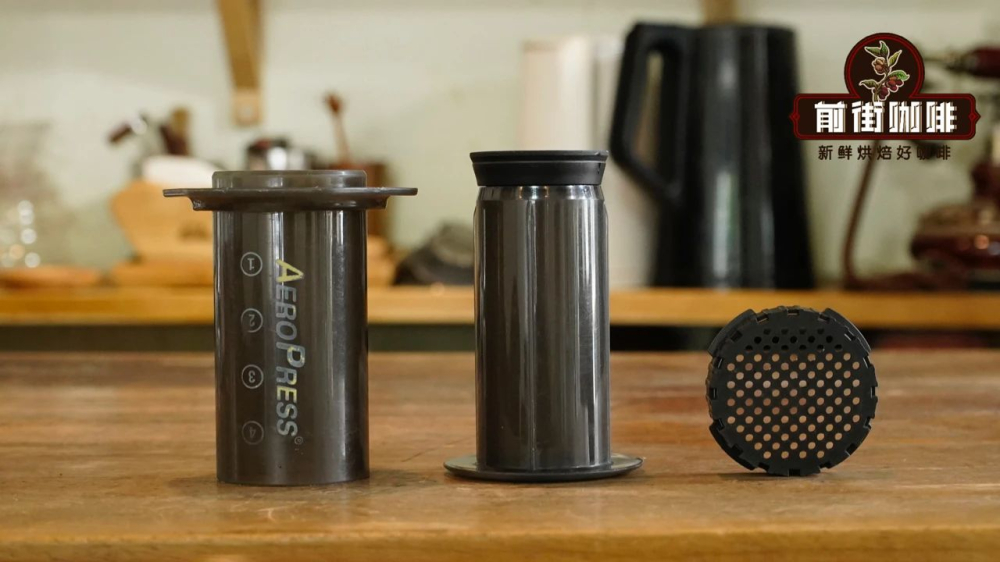
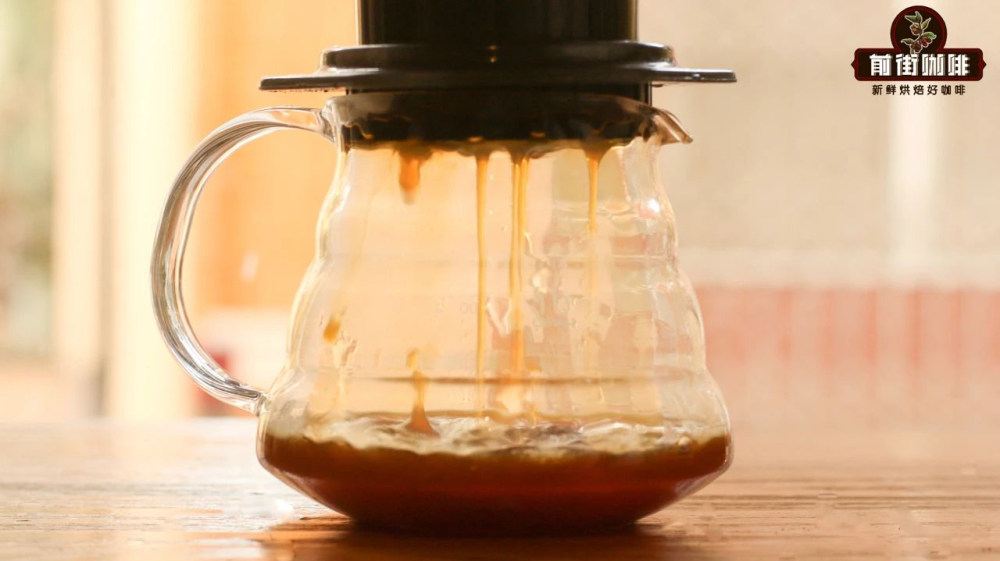
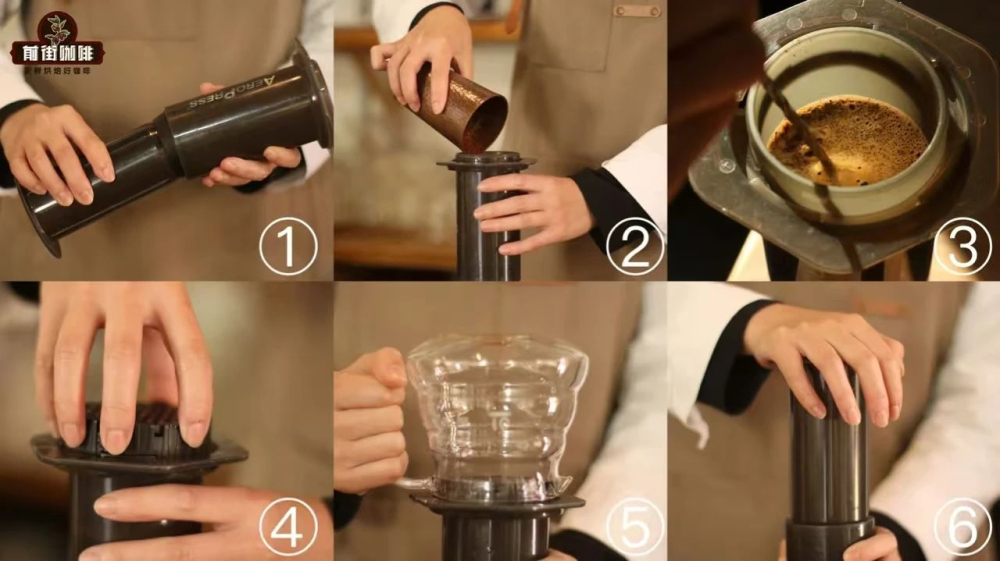
The AeroPress is a versatile coffee brewing tool that combines immersion and pressure, producing clean-tasting coffee with noticeable sweetness. It can be used in either the standard (positive) or inverted (reverse) method, with the reverse method often yielding a richer flavor profile due to the longer immersion time. Recommended parameters are 15 grams of coffee beans (with a grind size allowing about 70% to pass through a No. 20 sieve), water temperature of 88°C, a coffee-to-water ratio of 1:15, and a total brewing time of about 1 minute and 30 seconds.
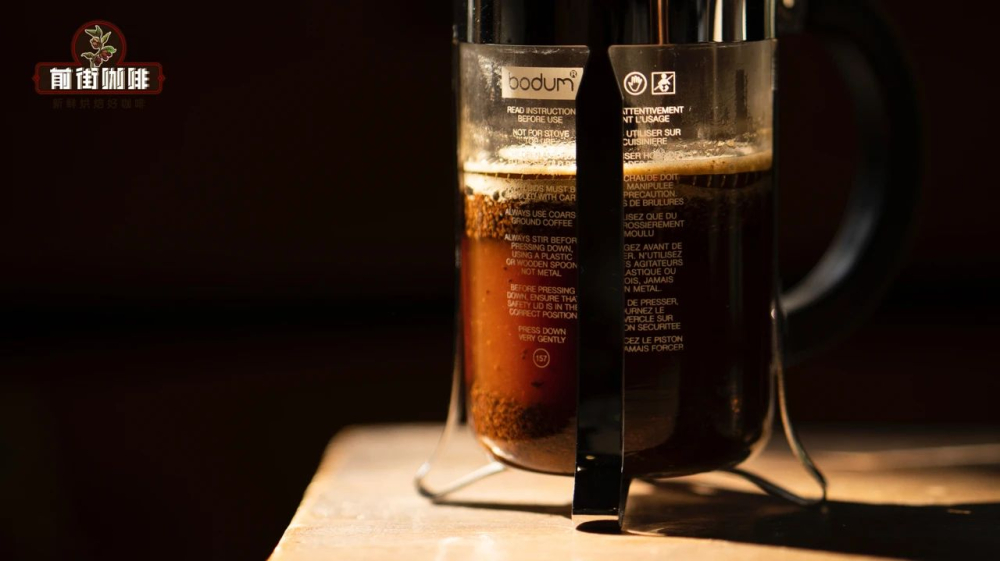
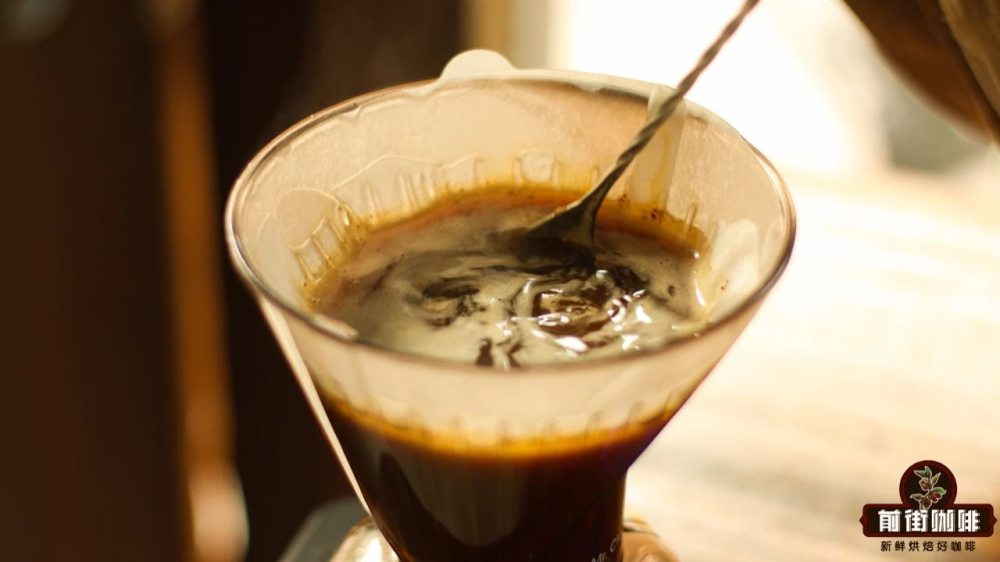
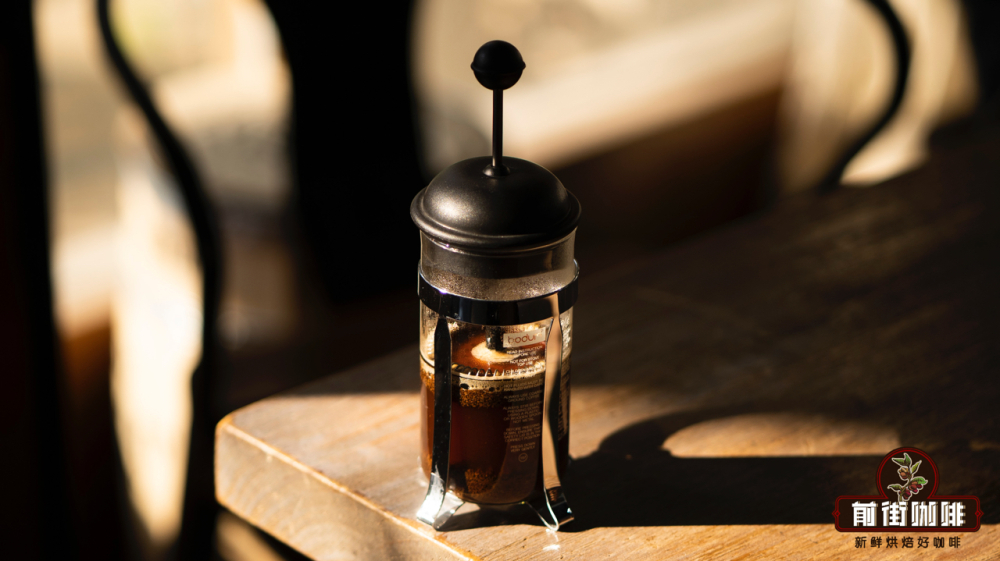
The French press (French Press) and the clever dripper (Clever Coffee Dripper) are two tools with simple structures but distinct brewing results. The French press uses a metal filter, retaining coffee oils and delivering a full-bodied taste, while the clever dripper uses paper filtration to produce a clear, transparent coffee with distinct flavor layers. Both have their fans, and users can choose based on personal flavor preferences.
Beyond the methods mentioned above, the market also commonly offers options such as American coffee makers, fully automatic coffee machines, capsule machines, and instant coffee. However, these methods often fall short in flavor expression and freshness compared to the manual brewing methods discussed earlier. It is recommended that coffee enthusiasts experiment with different tools and parameters to gradually discover the brewing style that best suits their taste and enjoy the journey of exploring the world of coffee.
The above content is compiled by CoffeeHunters, a coffee news website.


