








Introduction:Want to easily make a flavorful latte at home? This article delves into the origin and background of the latte, its basic recipe proportions, and provides a detailed analysis of the key differences in preparation methods, temperature control, and flavor layers between hot lattes, iced lattes, and Dirty coffees. Whether you're new to coffee or an enthusiast looking to refine your home brewing skills, you'll gain practical brewing tips and insights on how to enhance your flavor experience.
The term "latte" comes from the Italian word for "milk." A latte coffee is essentially a flavored coffee made by combining espresso with a moderate proportion of milk. This beverage did not actually originate in Italy but has deep roots in Vienna, the city of music. As early as the 17th century, after Austria successfully repelled the invasion of the Ottoman army, the retreating Turks left behind a large quantity of coffee beans, which later became the raw material for Vienna’s first coffeehouse. To make the strong, bitter black coffee more palatable to European consumers, the shop owners filtered out the coffee grounds and mixed in a large amount of milk, creating a smooth, sweet, and mellow milk coffee. This innovation helped popularize the latte around the world.

To make a standard latte, you only need two basic elements: espresso and fresh milk. There are no strict rules for the ratio, but a common range is about 1:5 to 1:8. For example, some professional shops use the golden ratio of 1:6, which means using 40 grams of espresso liquid with 240 grams of milk to achieve a rich yet not overly heavy balanced flavor.
Speaking of espresso, it is made by forcing hot water through finely ground coffee beans under high pressure, extracting a small amount of highly concentrated black coffee, with a layer of golden crema floating on top. Although not always explicitly labeled on café menus, classic drinks such as Americano, cappuccino, and latte are all based on espresso, making it the soul of coffee beverages.

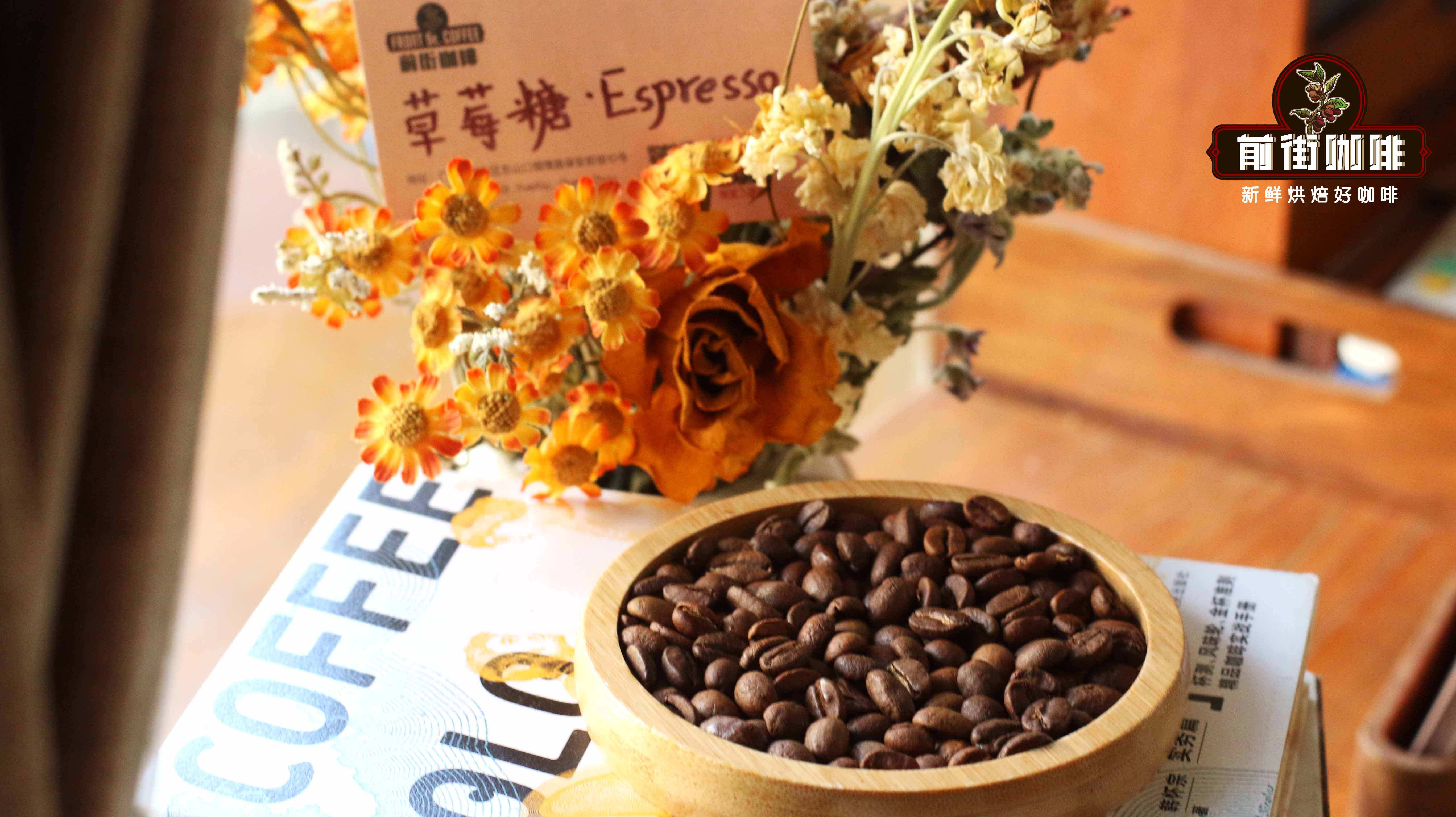
If you want to brew outstanding espresso at home, choosing the right coffee beans is crucial. If you prefer strong aromas like roasted nuts or fried peanuts, you might consider using a blend or base beans with Brazilian characteristics. If you’re drawn to fresh floral notes and mild fruity acidity, choose blends with noticeable citrus or berry flavors. If you prioritize cost-effectiveness, dark roast blends are also a good option.

To make a satisfying hot latte, pay attention to several key steps. First, it’s recommended to preheat your coffee cup to maintain the coffee’s temperature. Then, pour the extracted espresso into the cup, and use the steam wand of an espresso machine to froth the milk to a temperature of about 55–65°C. At this point, the milk will form fine microfoam with a certain thickness. Finally, slowly pour the frothed milk into the coffee, and add latte art if desired to enhance the visual appeal.
A well-made hot latte usually presents a rich, sweet aroma reminiscent of liqueur-filled chocolate, with a silky-smooth texture. The method for making an iced latte is slightly different. Typically, a moderate amount of ice cubes and a small amount of fresh milk are placed in the cup first, then the extracted espresso is poured over the top. It is recommended to stir well before drinking so that the cold milk and rich coffee can fully blend, delivering a refreshing and balanced taste experience.
Speaking of iced lattes, we must mention the Dirty coffee, which has gained significant attention in recent years. This drink is characterized by pouring hot espresso directly into chilled milk, creating a striking visual layered effect due to the temperature difference. The espresso slowly sinks along the inside of the glass, giving off a somewhat “dirty” visual impression. Dirty coffee is usually served in smaller cups and is meant to be consumed immediately while cold, allowing you to experience the unique contrast between hot and cold textures.

Below are detailed step-by-step visual guides for readers to make iced lattes and Dirty coffee at home. By following these instructions, you can easily replicate café-quality flavors.
Steps to make an iced latte:
Step 1: Prepare a cup with a capacity of about 300 milliliters.
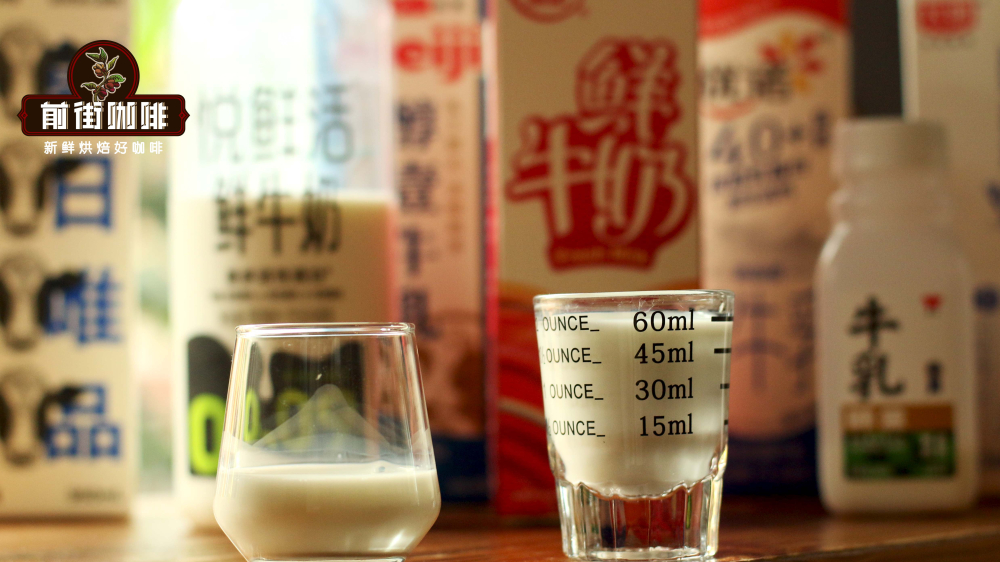
Step 2: Add about 80 grams of ice cubes, then pour in 170 milliliters of fresh milk.
Step 3: Grind about 20 grams of coffee beans and extract a single shot of approximately 38 milliliters of espresso (the specific values can be fine-tuned according to your equipment and the condition of the coffee beans).
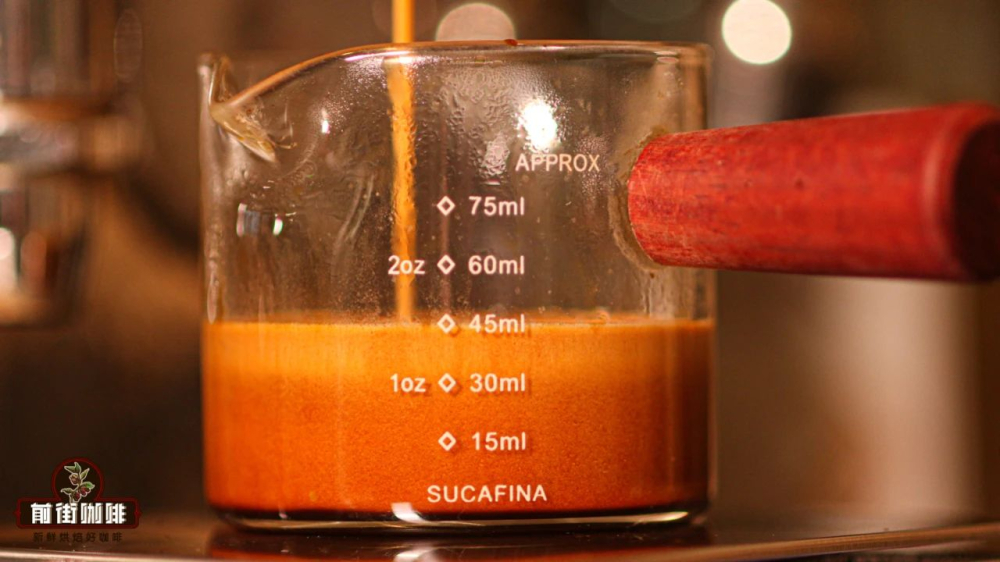
Step 4: Pour the extracted espresso into the cup containing the ice cubes and milk.
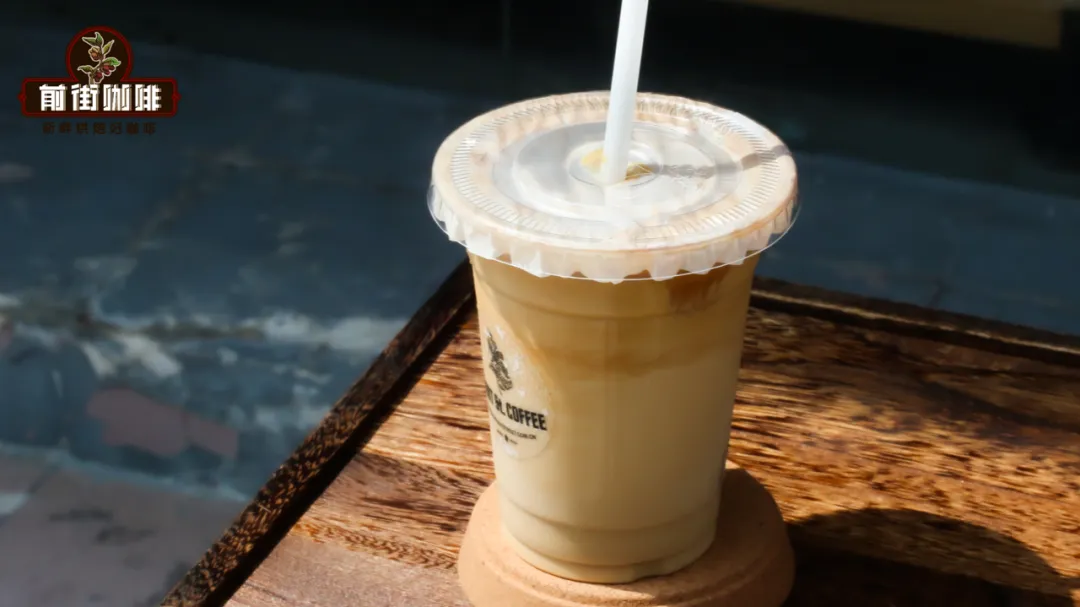
Step 5: Stir gently to mix evenly, and enjoy a refreshing iced latte!
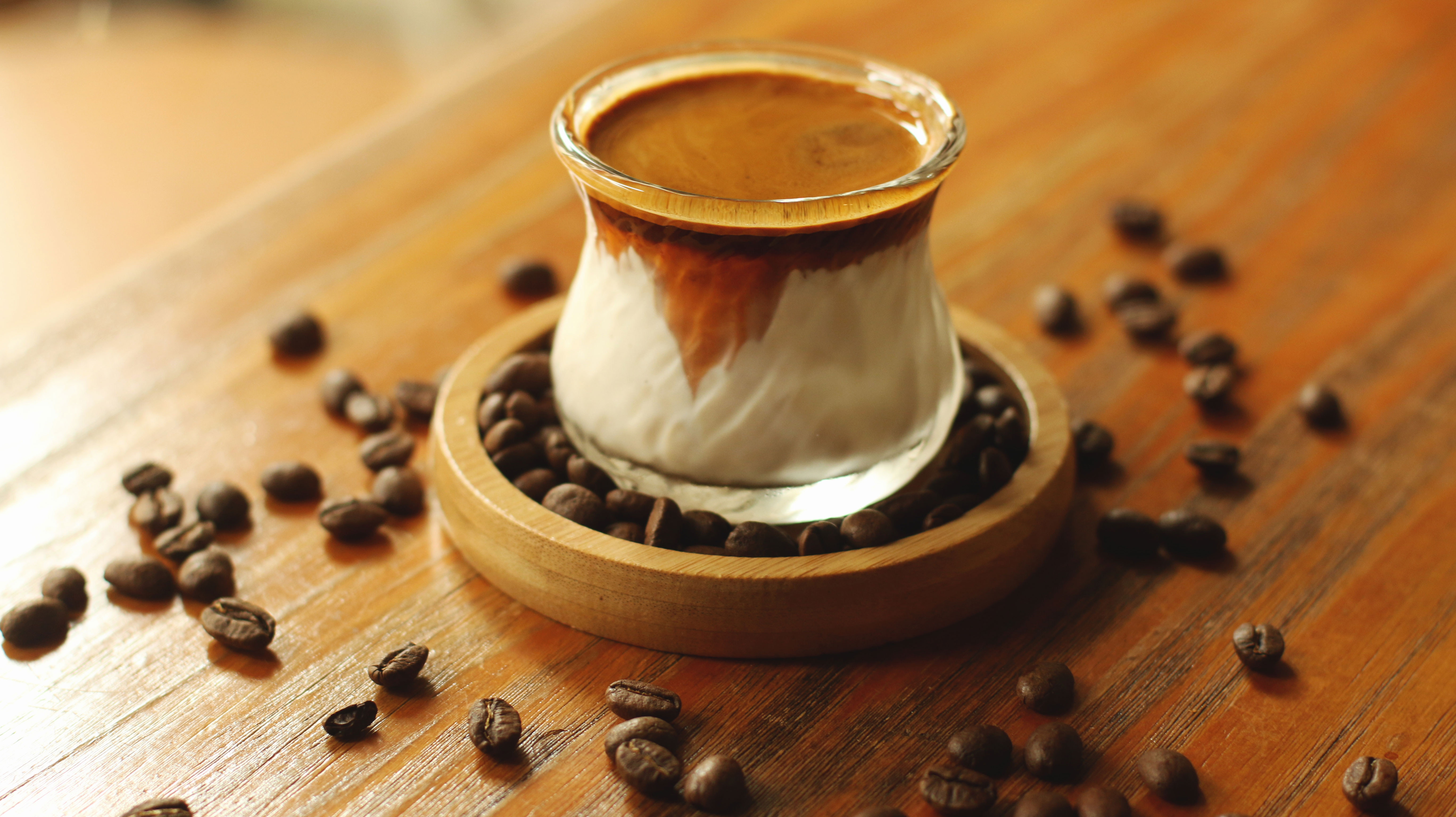
Steps to make a Dirty coffee:
Preparation: It’s recommended to refrigerate the cup you plan to use in advance to ensure it is sufficiently cold, which helps maintain the drink’s layered effect. Since Dirty emphasizes the visual and flavor contrast of hot and cold layering, please perform the following steps consecutively for the best experience.
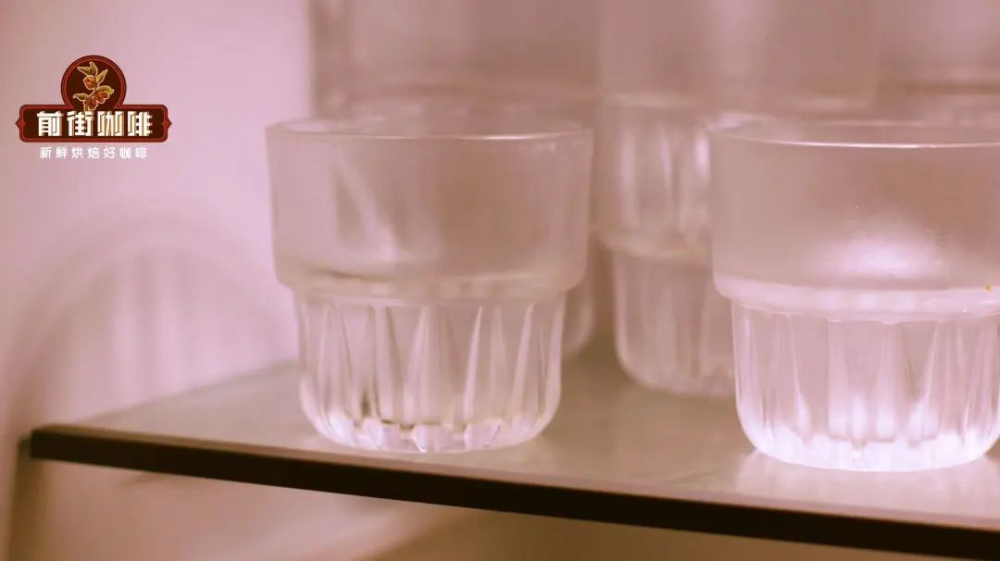
Step 1: Take out the pre-chilled cup.
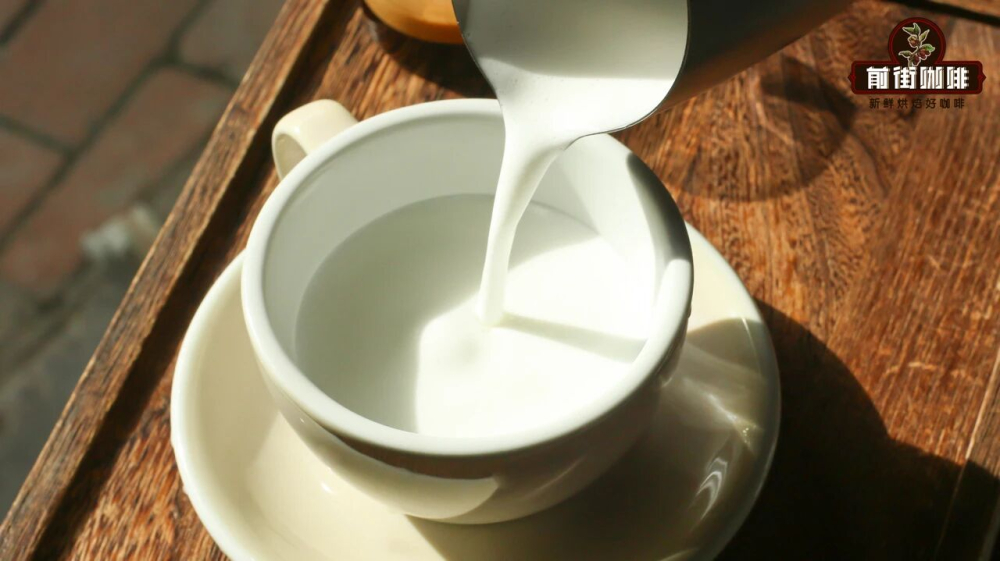
Step 2: Pour in about 180 milliliters of cold milk.
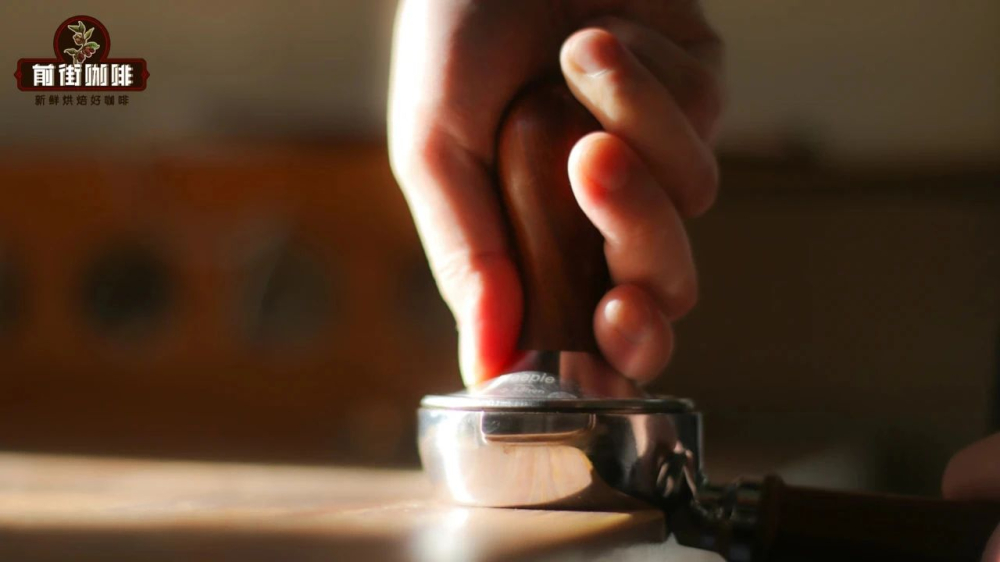
Step 3: Grind an appropriate amount of coffee beans, and fill and tamp the coffee powder into the portafilter.
Step 4: While extracting the espresso, place the cup steadily under the machine’s group head, allowing the hot espresso to be poured directly onto the surface of the cold milk, creating a distinct layered effect.
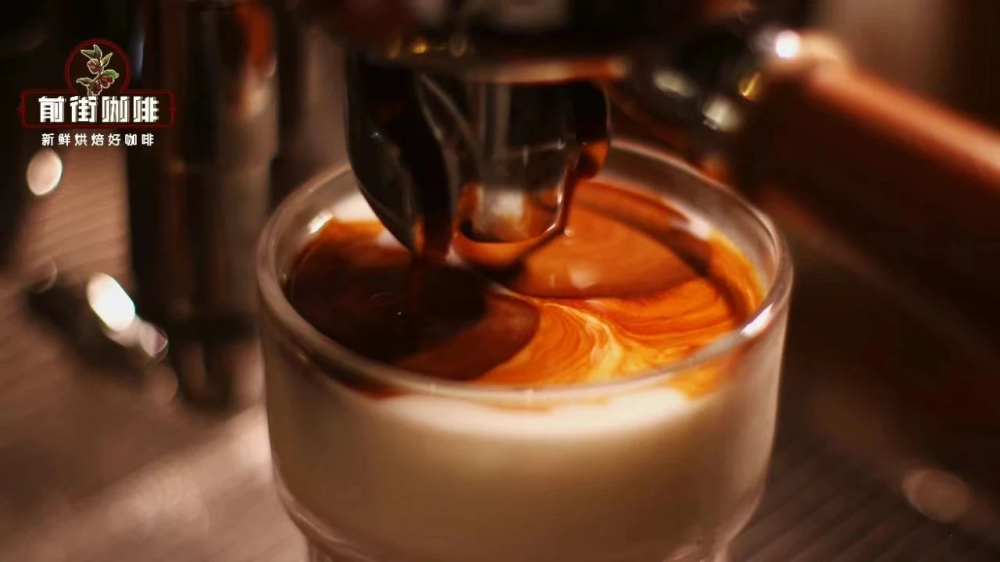
Step 5: Once the espresso extraction is complete, it’s recommended to take a big sip to fully experience the unique charm of alternating temperatures and interwoven intensities of flavor.

The above content is compiled by CoffeeHunters, a coffee news website.


