







Introduction:Struggling to brew a rich, non-astringent dark roast coffee with pour over? This article dives deep into the characteristics of dark roast beans, guiding you through key parameters like coffee-to-water ratio, brewing time, filter choice, and pouring techniques. We also recommend classic dark roast beans such as Golden Mandheling and Yunnan coffee, teaching you how to adjust variables to avoid thin, bitter results and achieve a bold, balanced black coffee.
Many coffee enthusiasts often encounter overly thin and flat flavors, or even noticeable bitterness, when attempting pour over with dark roast beans. This is closely related to brewing parameters and the inherent traits of the beans themselves. So, how can you adjust various factors to bring out the optimal richness and depth from dark roast beans? This article will break it down for you in detail.
First, we need to understand the concept of “body.” It refers to the weight and fullness a coffee presents on the palate, which is directly linked to the extraction concentration of the coffee liquid. When concentration is low, the taste feels thin and light; conversely, it becomes thick and intense. Dark roasted beans, due to their looser structure, are relatively easier to extract sufficient compounds from, resulting in a rich mouthfeel experience.

If you find your brewed dark roast coffee always tastes weak and insipid, start by examining the brewing parameters. Factors such as coffee-to-water ratio, extraction time, the type of filter used, and pouring method are all key elements that influence the final flavor.
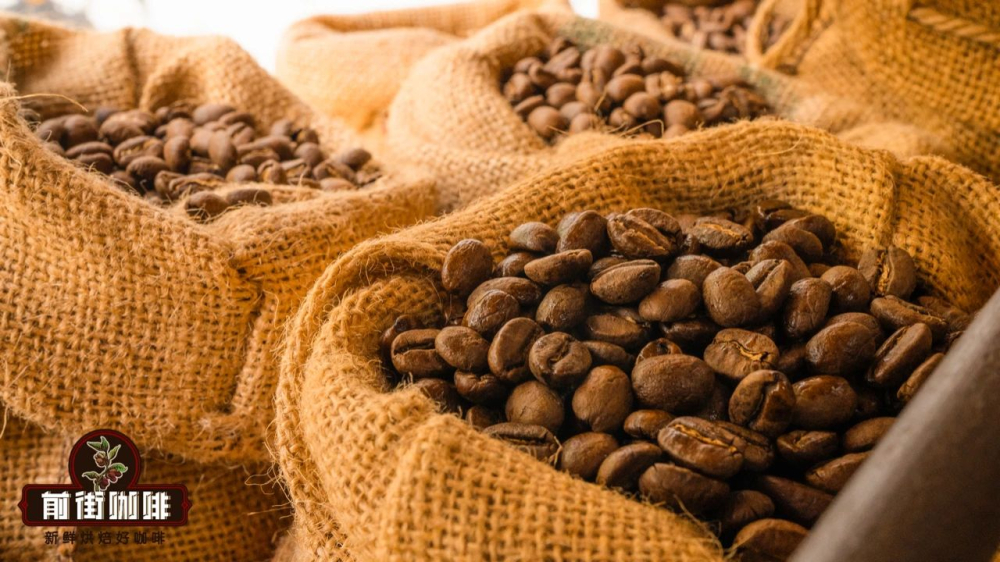
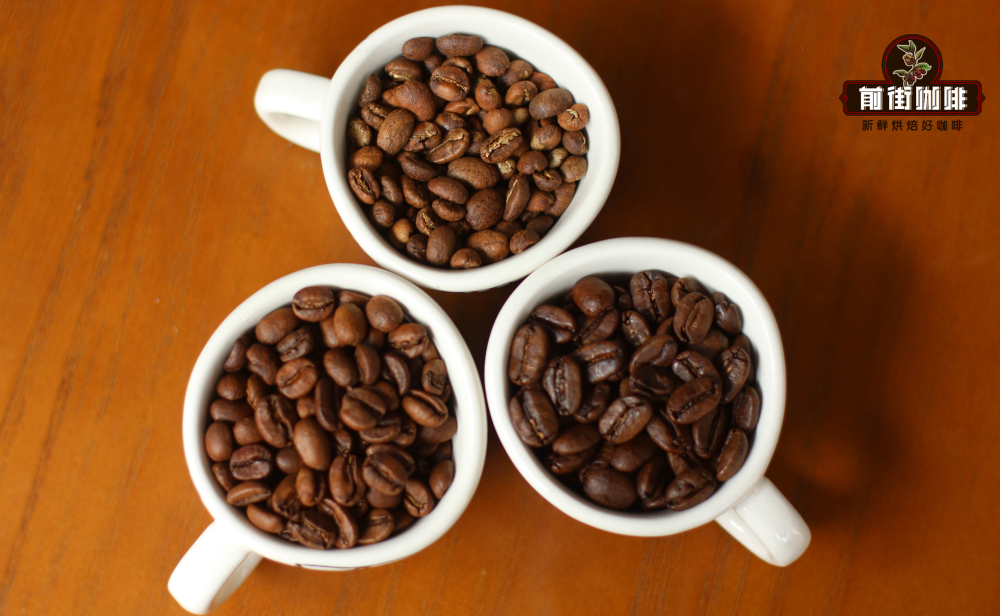
In the market, coffee roast levels are generally divided into three main categories: light, medium, and dark. Light roasts emphasize fruit acidity and floral notes, often featuring bright and vibrant citrus or berry tones—for example, certain washed Yirgacheffe coffees fall into this category. Medium roasts offer mellow flavors like nuts, caramel, and cocoa, with softer acidity, making them suitable for those who prefer balanced profiles. Dark roasts, on the other hand, are dominated by intense chocolate, spice, and woody notes, with acidity significantly reduced and a blend of bitterness and sweetness—classic representatives include Golden Mandheling and certain Blue Mountain varieties.
In practice, if you choose to brew dark roast coffee, it is recommended to keep the coffee-to-water ratio between 1:14 and 1:15. This range ensures sufficient extraction concentration to support a rich body. Once the ratio exceeds 1:15, too much water can dilute the flavors, making the coffee taste thin and weak. If you prefer a bolder profile, you can even adjust the ratio to 1:13–1:14, but be mindful not to over-concentrate the flavors.
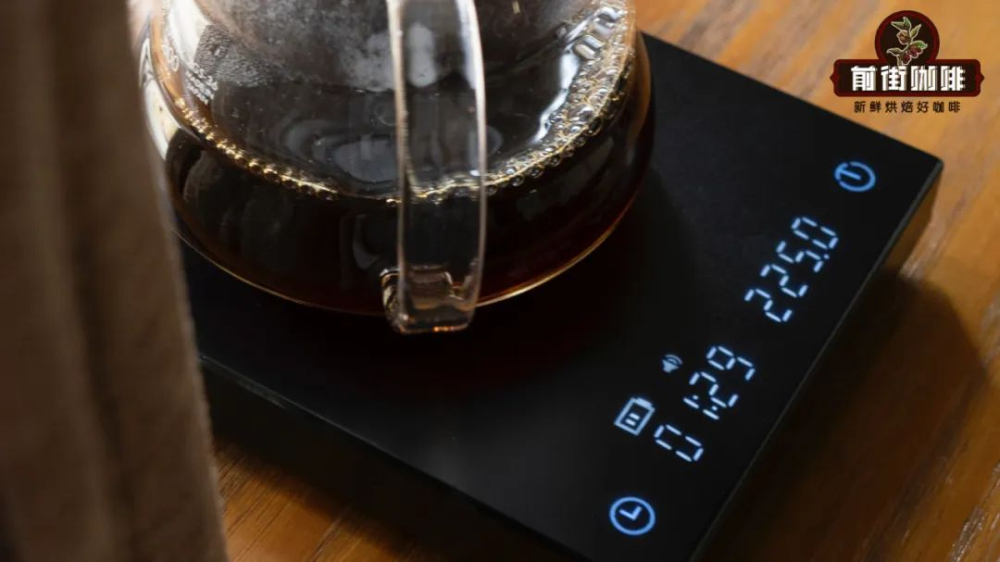
If adjusting the ratio still leaves the coffee tasting thin, the next step is to check the brewing time. Generally speaking, when using more than 15 grams of coffee, if the total brew time is only around 1 minute and 30 seconds, it likely indicates the grind is too coarse, causing the water to flow too quickly and leading to under-extraction. In this case, it’s advised to grind finer and aim for an overall brew time between 2:00 and 2:30 minutes, allowing the coffee grounds more time to release flavor compounds and thereby enhancing the body.
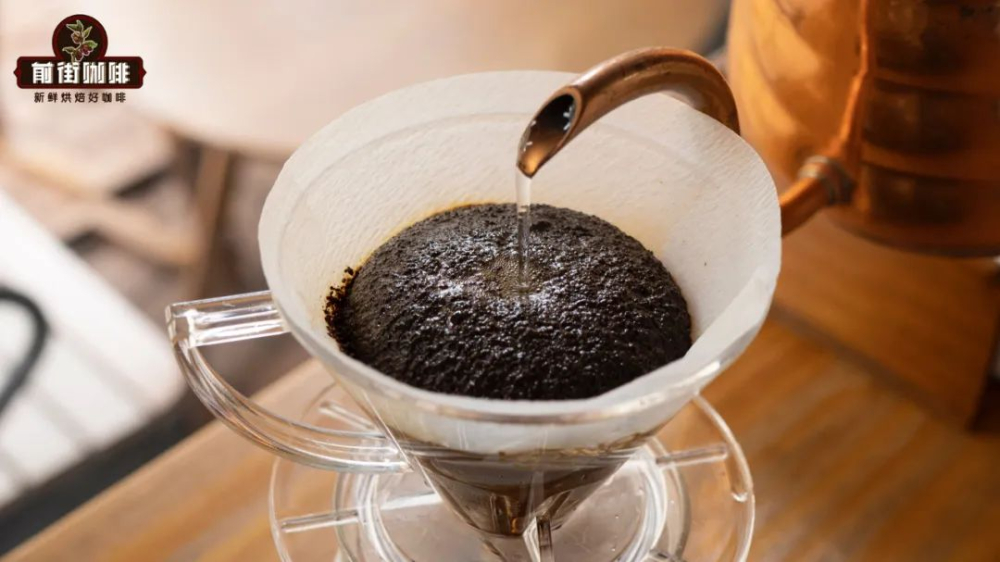
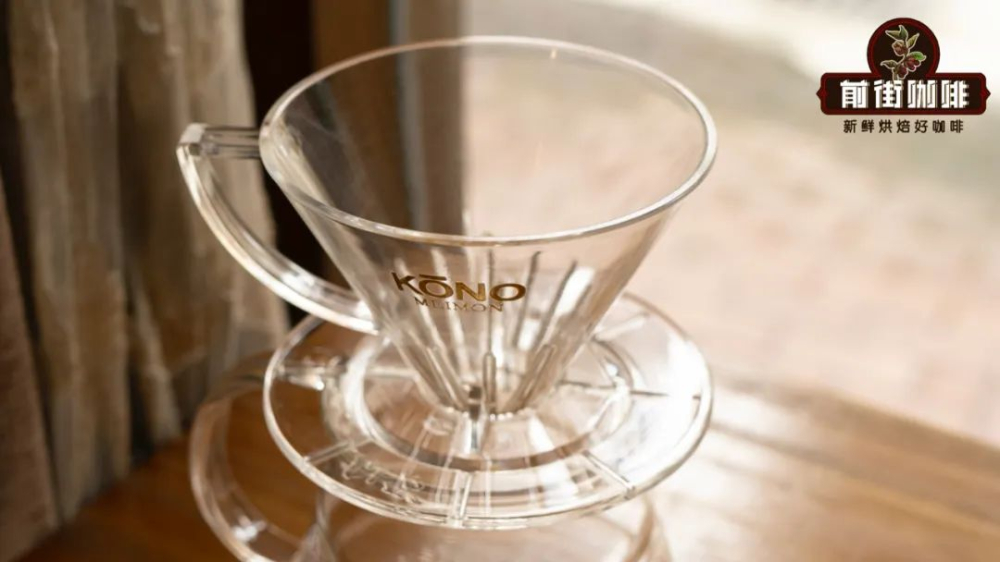
The choice of filter is equally crucial. Many people habitually use the V60 when brewing dark roast beans, but in reality, the Kono filter often better highlights the characteristics of dark roasts. The reason is that the V60 has more internal flow ribs, which accelerate water flow—this suits medium and light roasts that require fine grinding and slow extraction, helping to showcase complex layers. However, dark roast beans, due to their loose structure and fast release of compounds, may lead to under-extraction or uneven flavor extraction when using the V60. In contrast, the Kono filter has flow ribs only on the lower half, effectively slowing down water flow and extending the contact time between coffee grounds and water, achieving more complete extraction.
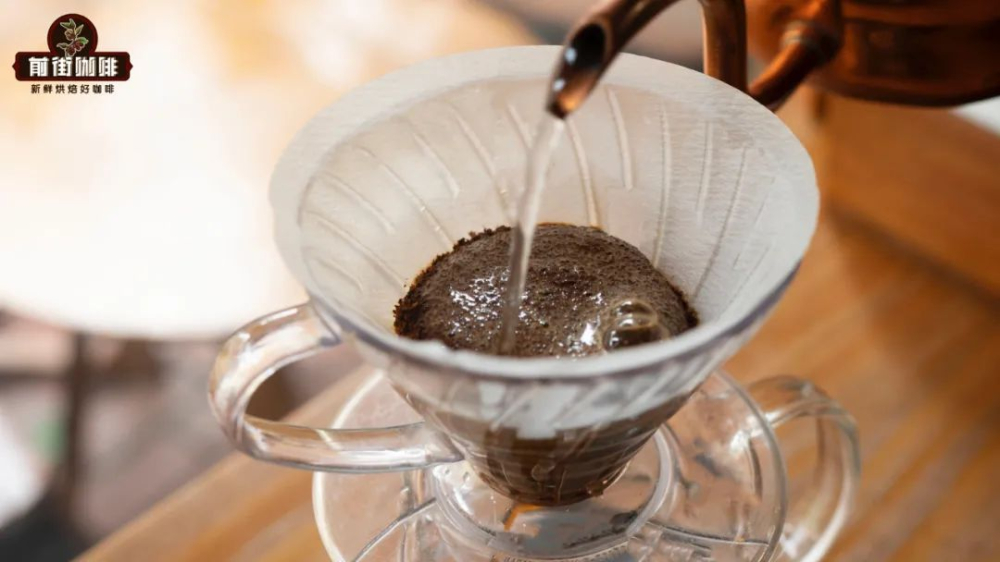
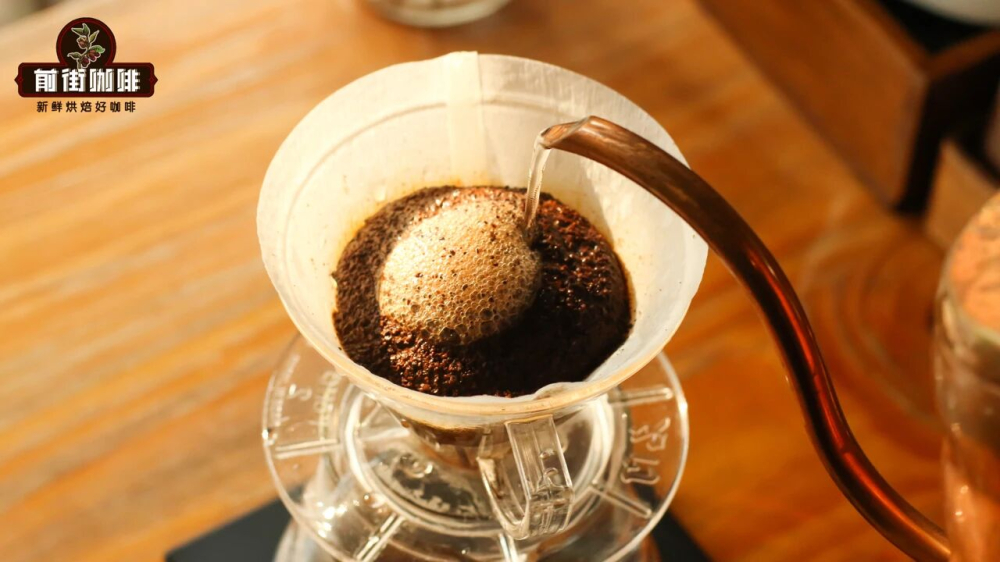
Beyond equipment and ratios, pouring technique is also a vital factor affecting taste. A common mistake beginners make during pour over is pouring the water stream directly onto the filter wall. This causes the water to flow quickly down the side, resulting in some hot water extracting insufficiently before entering the brew chamber, thus diluting the overall flavor concentration of the coffee liquid. The correct approach is to focus the circular pouring motion so that the water stream is concentrated in the center of the coffee bed, avoiding frequent contact with the filter wall. This ensures every drop of coffee liquid is properly extracted, ultimately delivering a rich and balanced taste.

The above content is compiled by CoffeeHunters, a coffee news website.

