








Introduction:Do you know why some pour over coffees have a refreshing floral aroma? This article will take you through the origins of "white floral" flavors in coffee, analyze which coffee bean varieties are more likely to exhibit delicate floral notes and pronounced sweetness, and recommend specialty coffee beans suitable for pour over based on aroma types. Whether you're a beginner or an advanced pour over enthusiast, you'll find bean options and brewing tips that suit your taste.
Among many beverages, what makes coffee so captivating is not just its rich layers and diverse flavors—sometimes, that touch of fresh floral aroma can remind one of a spring garden. Especially in the world of pour over coffee, lightly to medium-roasted beans often showcase elegant aromas reminiscent of white flowers, such as jasmine, white rose, and pear blossom, making you feel as if you’re in a flower field, with every sip full of surprises.

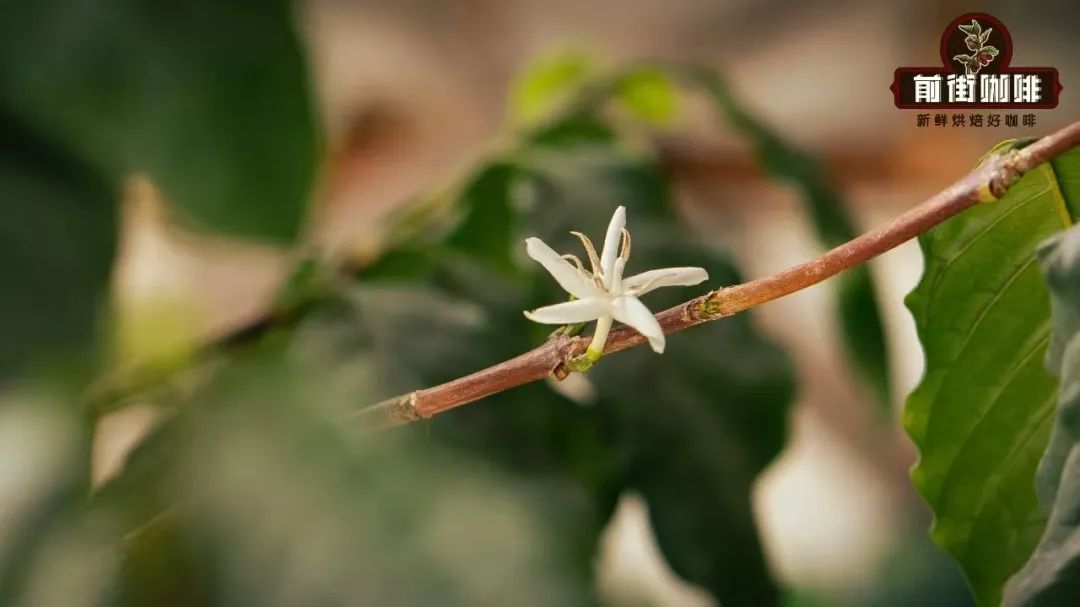
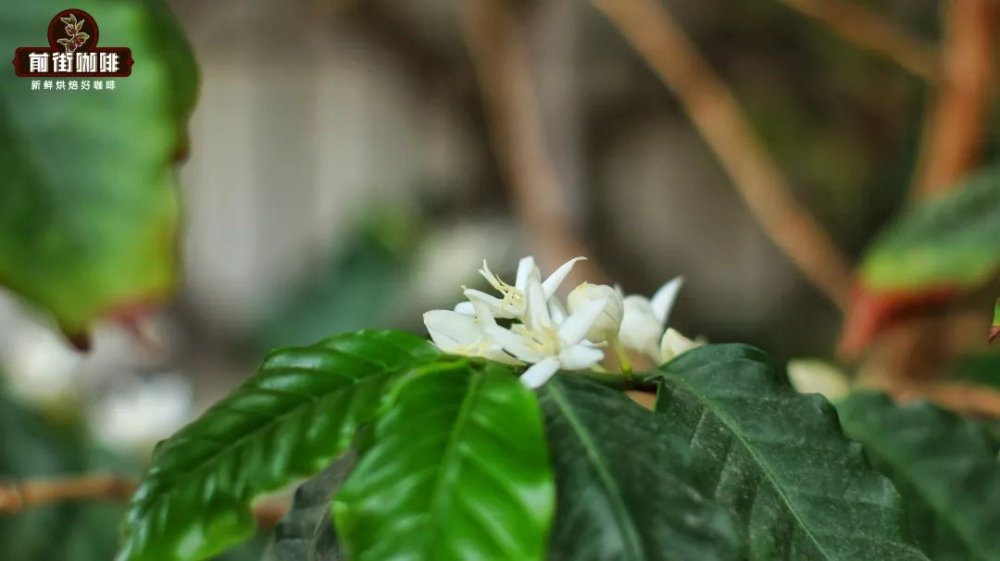
Many people may not know that coffee trees themselves emit enchanting fragrances during their flowering period. Coffee blossoms are delicate in form, typically having five to six pure white petals, often arranged in a windmill-like spread. These blossoms grow in clusters, attracting not only bees for pollination but also baristas with their subtle and pleasant fragrance. Descriptions of coffee flower aroma vary—some say it resembles jasmine, others liken it to gardenia, and some even associate it with thyme—all of these floral scents mostly belong to the white flower family.
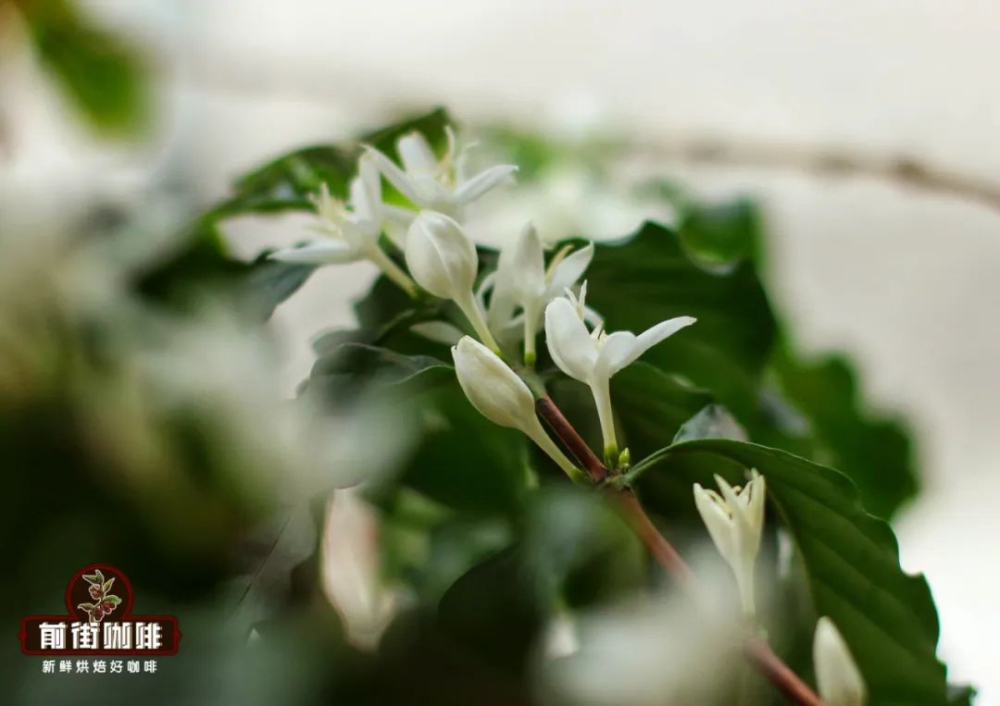
In fact, in early botanical classifications, Arabica coffee (the small-seeded coffee species) was temporarily named "Jasminum arabicanum" due to its flower scent being similar to Arabian jasmine. Although the classification was eventually adjusted, the similarity in aroma between coffee blossoms and jasmine remains a topic of discussion among many coffee enthusiasts. Additionally, coffee trees and gardenias both belong to the Rubiaceae family, though different genera, and they share certain visual similarities, though coffee blossoms tend to have a fresher and more delicate fragrance.

When we talk about floral notes in coffee, it’s actually not easy to pinpoint exactly which type of flower it is. This is because coffee aroma is complex, often a blend of multiple floral notes that together create a pleasant sensation reminiscent of white flowers. Therefore, the industry generally refers to this category of aromas as "white floral." Common white-flower aromas include jasmine, white rose, white camellia, white magnolia, pear blossom, lemon blossom, and plum blossom. These aromas, especially in pour over coffee and in beans roasted from light to light-medium, are more subtly and delicately presented.
Floral notes in coffee can be roughly divided into three types: muted, subtle, and fresh, each with distinct characteristics, and slightly different recommended brewing methods and roast levels. Fresh floral notes are refreshing and pleasant, commonly found in washed-process Yirgacheffe or certain Panamanian Geisha beans, with aromas resembling delicate jasmine or small white roses. They often come with a noticeable citrus note and sweetness, making them a top choice for many pour over lovers. For example, some washed Yirgacheffe beans from Ethiopia often exhibit light white floral notes similar to jasmine.
If you prefer a slightly sweeter and softer rose-like aroma, you might consider subtle floral beans. These aromas are usually more soothing, such as those found in certain Jade Red Label Geisha or specially processed strawberry-toned beans, offering a warm and relaxing drinking experience. On the other hand, muted floral notes carry a touch of intensity and unique character, such as chamomile or osmanthus aromas. At first sniff, they may seem a bit overpowering, but upon closer tasting, they reveal distinctive charm. These are recommended for coffee enthusiasts who enjoy exploring different aroma layers—try beans like Mozart or Gold Label Geisha.

To fully experience the floral notes in coffee, it’s recommended to choose lightly to medium-roasted beans, because as the roast level deepens, the volatile aromatic compounds in the beans gradually transform or dissipate. Especially in high-temperature, long-duration dark roasts, the delicate floral characteristics can easily be erased. Generally speaking, light to medium roasting preserves the most original flavors, and the coffee texture is lighter, making it easier to detect those subtle changes in aroma while tasting.

Moreover, floral notes are usually most prominent in the dry aroma after grinding, during the blooming stage, and when the coffee liquid cools down to a medium to low temperature range (about 60–80°C). It’s recommended that you pay special attention to the aroma changes during these stages of the pour over process. You can even try comparing the scents you perceive with actual white flowers you’ve encountered, which can help you more accurately identify and appreciate the floral nuances in your coffee.



The above content is compiled by CoffeeHunters, a coffee news website.

