







Introduction:Want to understand the differences between pour over coffee, Americano, and black coffee? This article provides an in-depth analysis of the brewing methods, flavor characteristics, and ideal audiences for these three common types of coffee, while also comparing their strength and sweetness profiles. Whether you’re new to coffee or a hobbyist looking to select the right beans, you’ll gain practical knowledge to find the coffee type and brewing method that best suits your taste.
In modern coffee culture, pour over and espresso are the two most widely used brewing methods, which is why most coffee beans on the market are roasted and processed with these two extraction styles in mind. Pour over coffee is a normal-pressure drip filtration method, similar to brewing tea. Hot water slowly seeps through the coffee grounds, gradually “dissolving” the flavor compounds, resulting in a cup that is usually clean and layered in taste.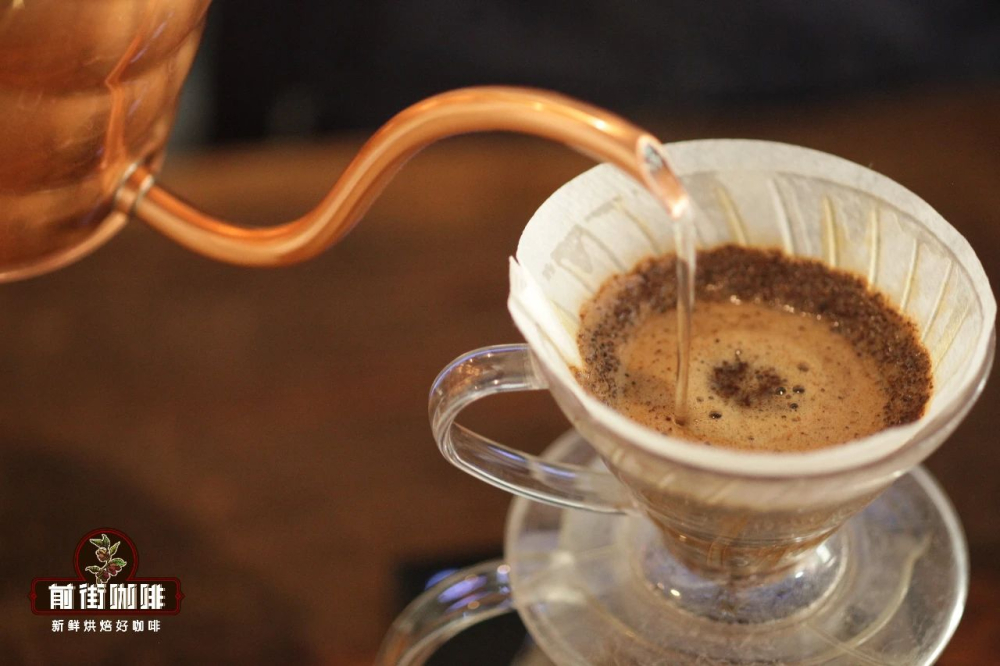
In contrast, espresso is extracted under high pressure, typically using an espresso machine. Under high temperature and high pressure, extremely finely ground coffee is quickly brewed into a concentrated shot—commonly known as espresso. This method yields a coffee that is strong and low in volume, making it suitable for further dilution with water or milk to create drinks such as Americanos or lattes.
The process of making pour over coffee is relatively simple yet meticulous. First, the coffee beans are ground to a medium fineness. Then, using a pour over kettle, hot water is evenly poured over the coffee grounds placed in a filter basket lined with a paper filter. The filter removes the coffee grounds, leaving behind a clear black coffee. Based on practical experience, aside from choosing high-quality beans, a basic pour over setup—including a pour over kettle, filter basket and paper, server, grinder, scale, and thermometer—is essential to extraction quality.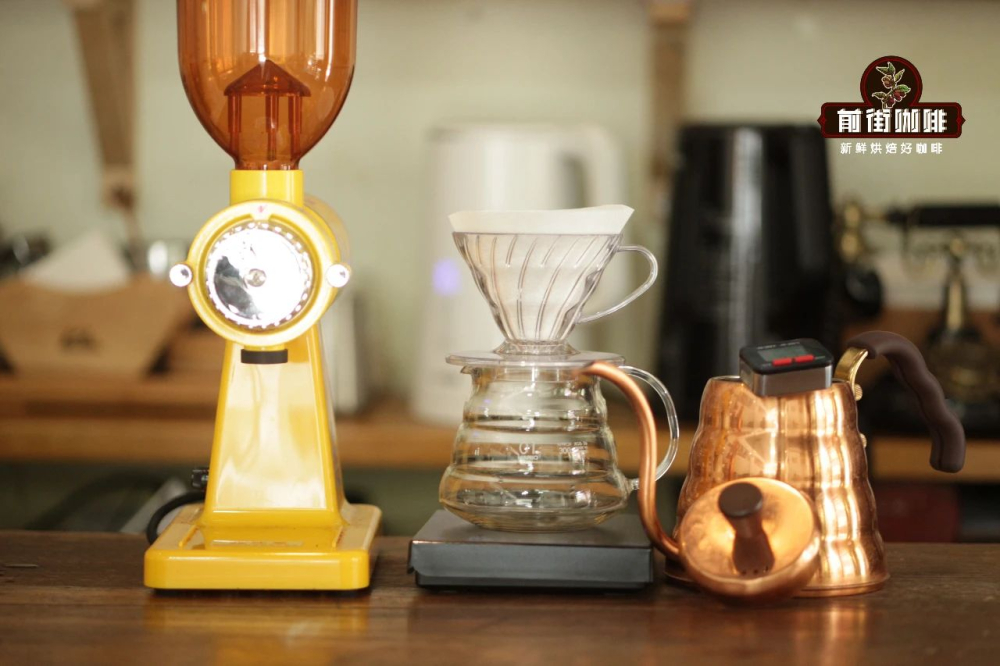
As for espresso extraction, it relies on a professional espresso machine. Extremely finely ground coffee is tamped into a puck, and then extracted under high pressure and high temperature water flow in a short period (usually around 25–30 seconds) to produce a concentrated shot. This high-pressure environment greatly enhances the release efficiency of flavor compounds, but it also places higher demands on the quality of the coffee beans, grind uniformity, and operator skill. Common influencing factors include roast level, dose, water temperature, pressure, extraction time, and yield—all of which may need fine-tuning based on the beans’ condition and ambient humidity.
It is not recommended to use light roast pour over beans for espresso, as the bright or overly acidic flavors can be amplified under high pressure and high temperature, potentially leading to bitterness or an unbalanced taste. Therefore, choosing the appropriate beans for the specific brewing method is a key principle to ensure optimal flavor expression.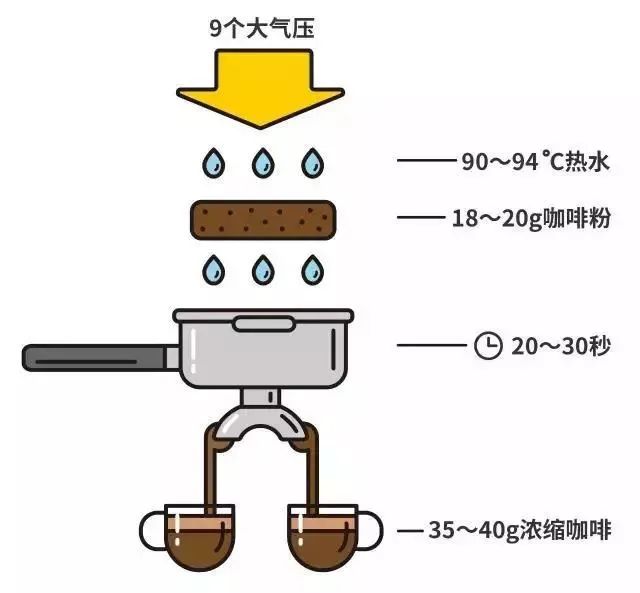
For those just starting out with coffee, pour over is an accessible way to clearly experience the coffee’s original flavors. Through pour over, you can more intuitively appreciate the unique aromas and tastes brought by different regions, processing methods, and roast levels—such as citrus, floral, nutty, or caramel notes. Beginners are advised to practice with cost-effective everyday beans, allowing them to familiarize themselves with basic brewing techniques while exploring the diverse world of coffee within a reasonable budget.
Many coffee shops offer everyday bean series specifically designed for pour over, covering renowned regions including Ethiopia’s Yirgacheffe, Guatemala’s Huehuetenango, Colombia’s Huila, Brazil’s Cerrado, Costa Rica’s Tarrazú, Indonesia’s Lintong Mandheling, and China’s Yunnan Baoshan. These beans are often processed via washed or natural methods, offering clear flavors at an affordable price—making them an excellent choice for getting to know regional coffee characteristics.
In comparison, espresso blends focus on balanced and stable flavors. Since various flavor compounds are released intensively within a very short time during espresso extraction, blends usually combine beans from different regions and with different processing methods in specific proportions. This approach leverages the strengths of each to ensure every shot delivers consistent and rich flavors—such as chocolate, roasted nuts, and creamy notes. Such blends serve as the ideal base for classic drinks like Americanos and lattes.
The method of making an Americano is relatively straightforward, typically involving diluting a shot of espresso with hot water at a certain ratio. A common ratio is 1:2 for the espresso extraction, followed by mixing the coffee liquid with water at a 1:6 ratio—for example, using 20 grams of coffee to extract 40 grams of espresso, then adding 240 grams of water at about 88°C to make a standard hot Americano.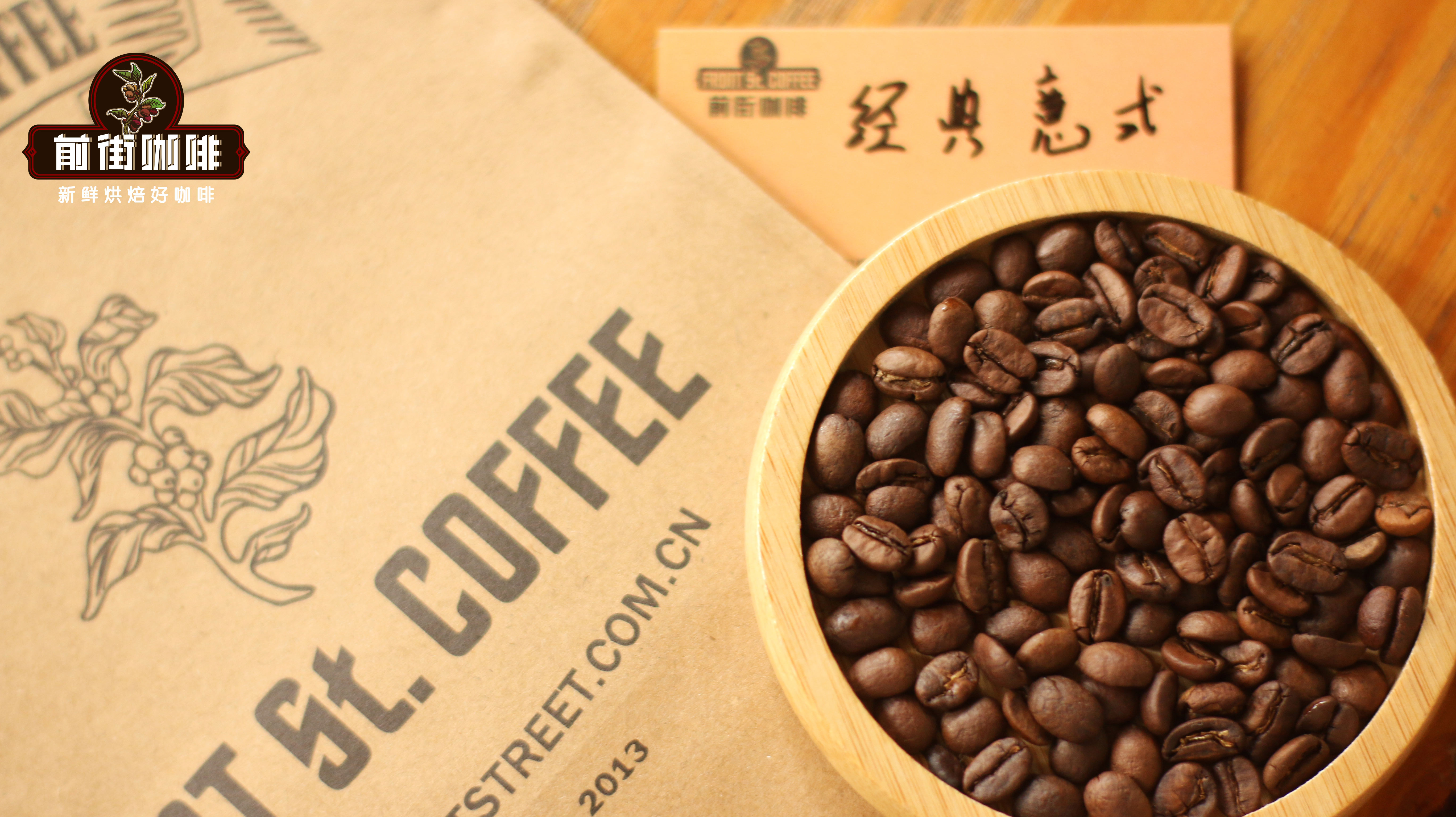
If you prefer an iced Americano, you can replace some or all of the hot water with ice cubes and room temperature water. For instance, using 120 grams of ice plus 120 grams of room temperature water can help maintain optimal flavor before the ice melts. Iced Americanos often have a refreshing sweet-and-sour taste, making them an easy-to-accept entry option for those who don’t usually drink coffee.
In summary, pour over coffee, Americano, and black coffee each have their unique extraction logic and flavor profiles. Pour over emphasizes clarity and original flavors, making it ideal for those who enjoy savoring coffee slowly; Americanos use espresso as a base, adjusting concentration and taste with water or milk; whereas the term black coffee generally refers to pure coffee without additives, whether pour over or espresso. No matter which you choose, understanding the basic extraction parameters and suitable types of coffee beans will allow you to better enjoy the diverse charm of coffee.
The above content is compiled by CoffeeHunters, a coffee news website.


