







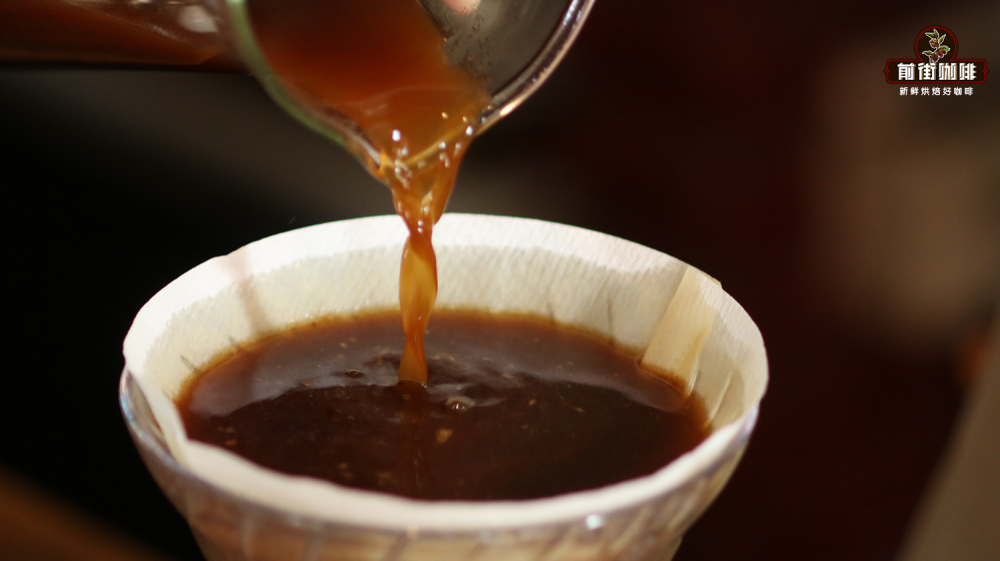
Introduction:Want to understand the differences between cold brew and ice drip — the two main methods of making cold coffee? This article provides a detailed breakdown of the principles, steps, parameter settings, and their impact on flavor and mouthfeel for both methods, along with practical tips to help you find the cold coffee brewing method that suits you best.
On a hot summer day, there’s nothing better than a refreshing cup of coffee to perk you up. For coffee lovers, compared to regular hot coffee, cold brew is undoubtedly a more refreshing choice. But did you know that cold brew can be divided into cold brew (steeped) and ice drip styles, and that the two differ significantly in brewing method, flavor, and mouthfeel? This article will take an in-depth look at these two cold coffee methods, including specific brewing steps, key parameters, and recommended coffee bean choices, so you can easily make professional-grade cold coffee at home.
First, let’s talk about the common characteristics of cold brew coffee. Compared to traditionally hot-brewed coffee, cold brew made with slow extraction using cold water typically results in a smoother, sweeter flavor, clearer acidity, and less bitterness or off-flavors. This is why more and more coffee enthusiasts are drawn to this brewing method. One of the keys to cold brew lies in controlling the coffee-to-water ratio, which is generally recommended to be1:10— that is, 10 grams of coffee grounds for every 100 milliliters of water — helping to balance strength and flavor expression.
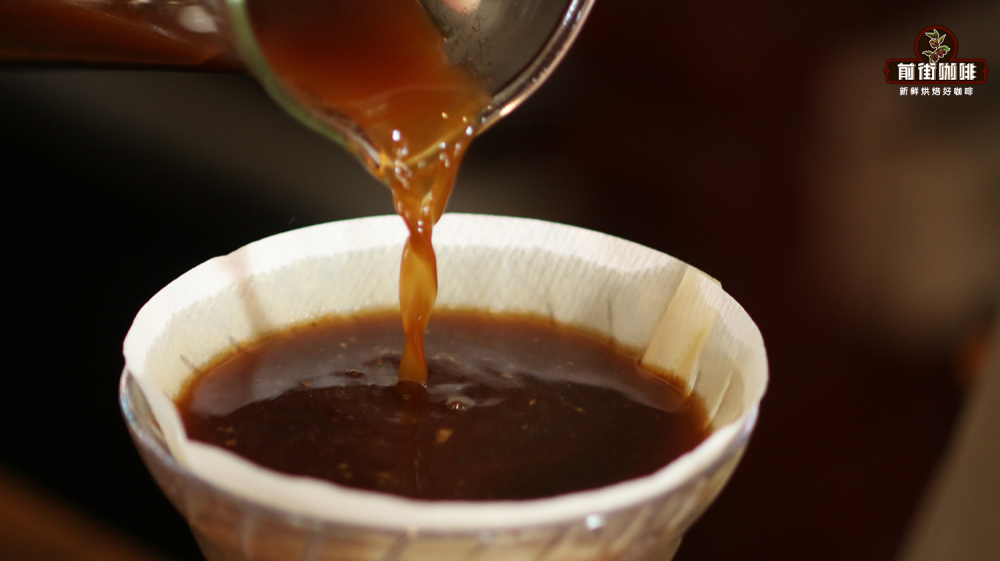
When drinking, many people add ice cubes to adjust concentration and mouthfeel. This not only maintains the chill but also allows the coffee’s flavor layers to gradually unfold as the ice melts, suiting consumers with different taste preferences. Additionally, cold brew is highly approachable and great for those new to black coffee.
Let’s start with immersion cold brew — one of the more commonly known methods of making cold coffee. This approach involves steeping coffee grounds in cold water, allowing the coffee’s flavor compounds to slowly infuse into the water. It is a relatively simple method that requires minimal equipment. Immersion cold brew usually has a smooth mouthfeel, bright and clear acidity, and unobtrusive bitterness. By adjusting the type of coffee beans and brewing conditions, it can also showcase a wide range of flavor profiles.


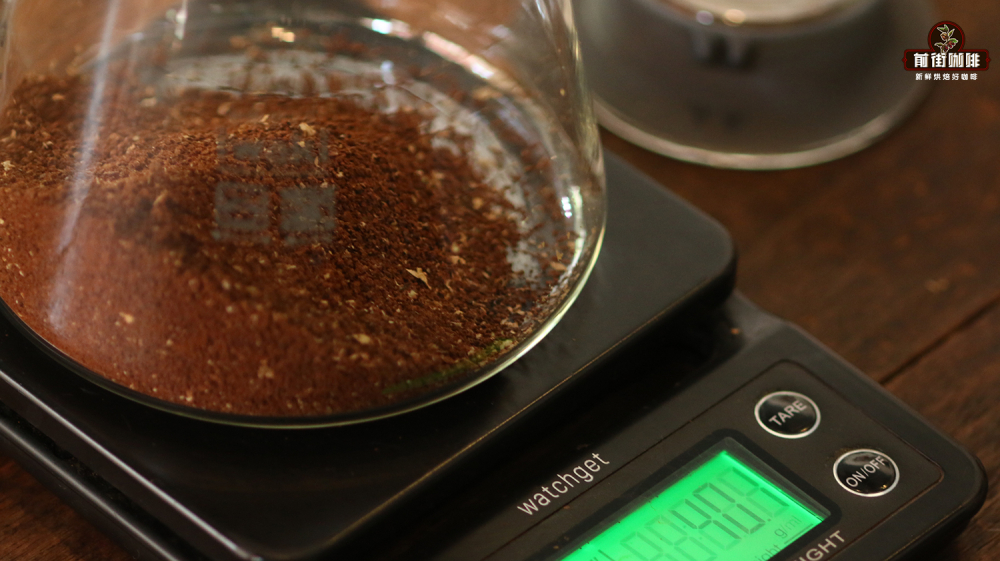
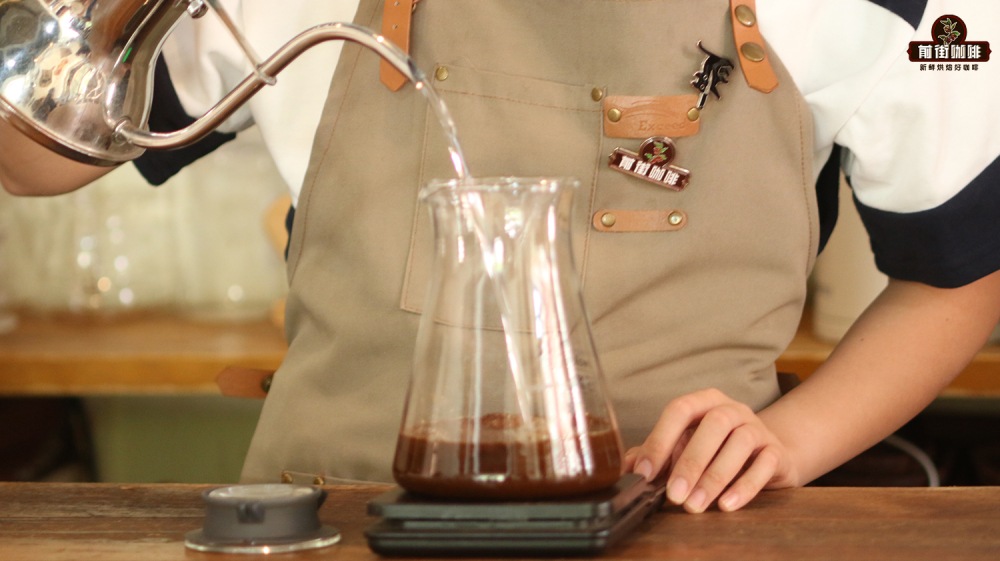
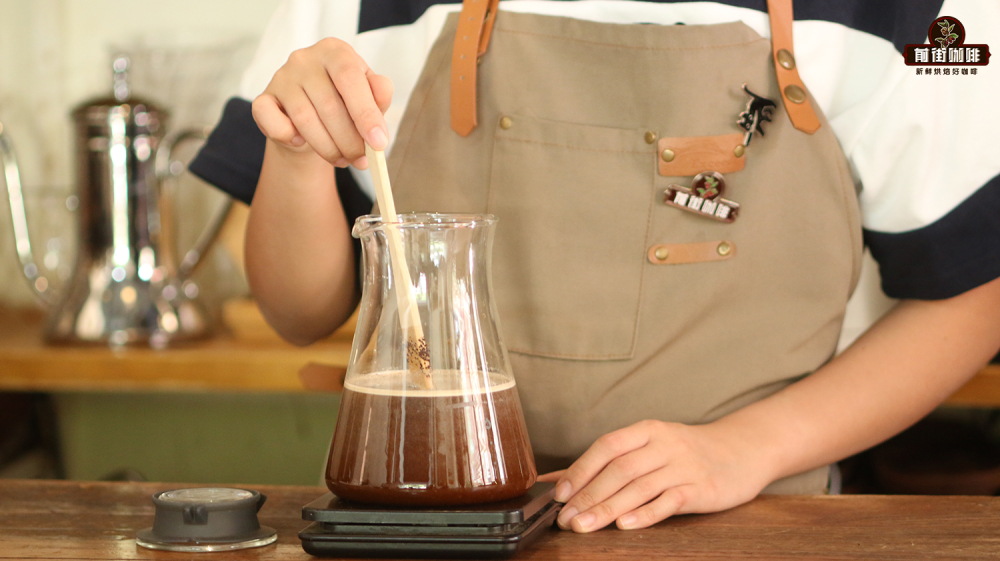
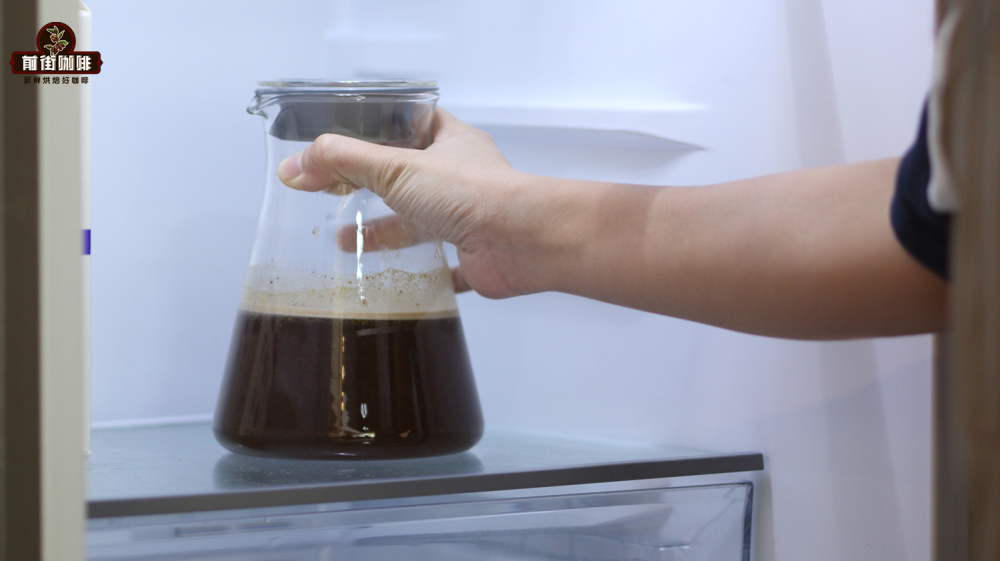
Taking a common home-brewing method as an example, it usually uses50 grams of coffee groundswith500 milliliters of cold water, maintaining the same coffee-to-water ratio of1:10. It’s recommended to use a grind size slightly coarser than that for pour over. If tested with a Chinese standard No. 20 sieve, the pass-through rate is about65%. Place the coffee grounds in a glass container, add cold water, and stir gently to mix evenly. Then seal and refrigerate. The steeping time is generally12 to 24 hours. The longer the steeping time, the stronger the flavor, but it can also extract more unwanted flavors. Therefore, it’s best to adjust based on personal taste.
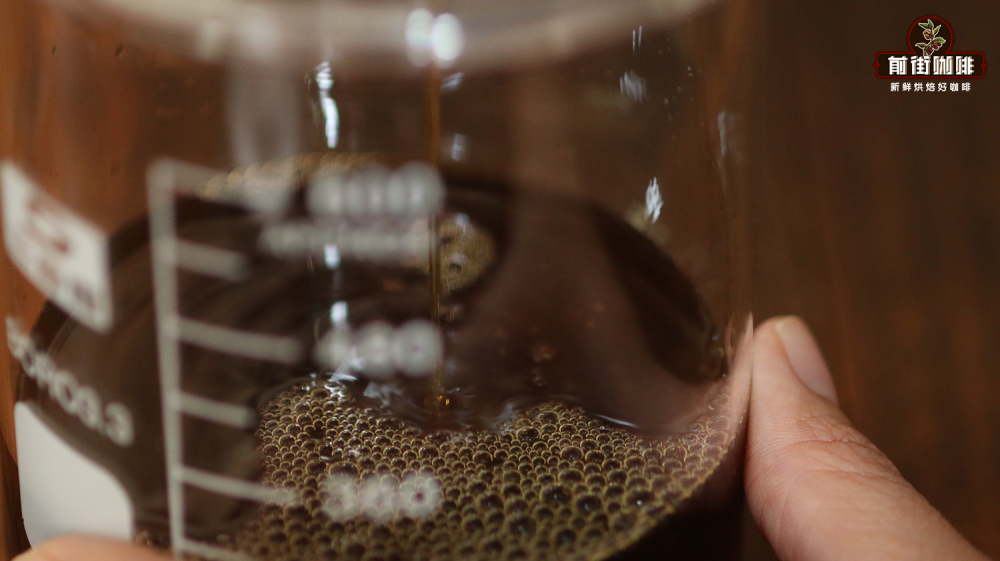
After steeping, use filter paper to remove the coffee grounds, resulting in a clear coffee liquid. Some methods recommend letting the coffee liquid sit refrigerated for another4 hoursto allow the flavors to meld further, resulting in a smoother taste. It’s worth noting that the length of the steeping time directly affects the flavor profile: shorter times yield softer, more delicate flavors, while longer times produce richer, more layered tastes — though over-extraction should be avoided to prevent bitterness or unwanted flavors.
Another cold brew method is ice drip coffee. Originating in the Netherlands but popularized in Japan and Korea — even becoming a signature drink in some local cafés — ice drip coffee’s English names often include “Kyoto Coffee” or “Japanese-style slow-drip.” This method emphasizes extremely slow extraction and is highly visual, making it a favorite among coffee enthusiasts.
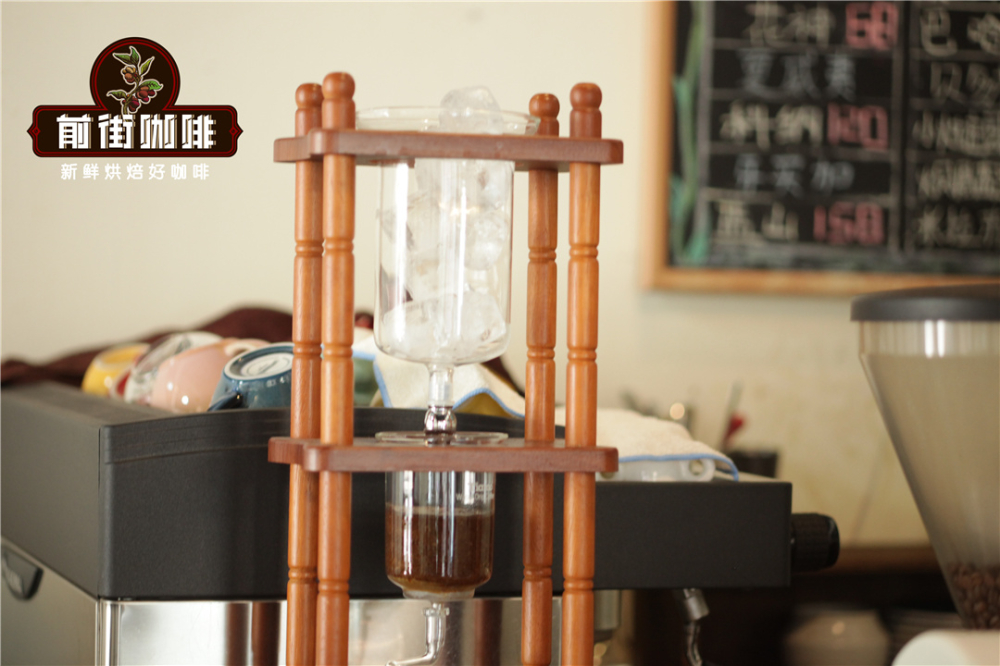
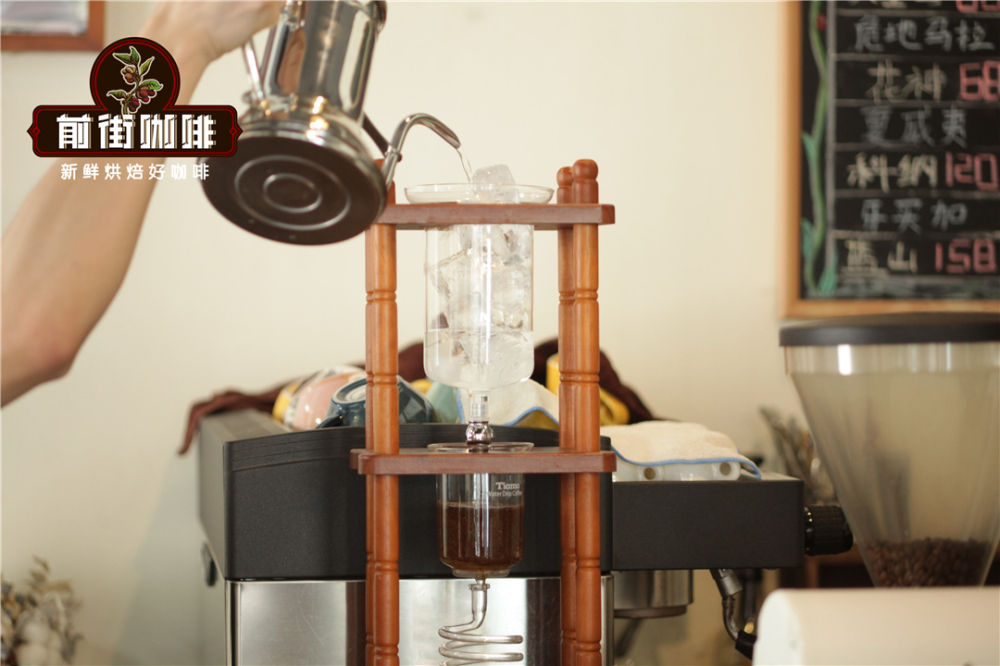
The process of making ice drip coffee is more complex and requires specialized ice drip equipment. Taking a common home setup as an example, it uses60 grams of coffee groundswith a1:10 coffee-to-water ratio, and a recommended grind size of about85% passing through a Chinese No. 20 sieve, with the overall extraction time taking around6 to 8 hours. In terms of operation, first place a round filter paper at the bottom of the coffee chamber and wet it with water to ensure it adheres to the walls. Then add the ground coffee and press it down lightly to level it, followed by covering it with another layer of filter paper to prevent the coffee bed from collapsing.
Next, uniformly wet the coffee grounds with ice water to simulate the blooming step in pour over, which helps improve extraction uniformity and flavor consistency. Then, pour the ice water mixture into the water reservoir and adjust the dripping speed to7 drops per 10 seconds, allowing the ice water to slowly drip through the coffee grounds for ultra-low temperature, long-duration extraction. The resulting coffee liquid is recommended to be sealed and refrigerated to allow further melding and maturation, enhancing the overall roundness and layered complexity of the flavor.
As for coffee bean selection, it’s recommended to choose beans with bright acidity and a clear flavor profile — for example, beans from Kenya. Kenya’s “Little Tomato” coffee beans, sourced from the Thika region at an altitude of approximately1550–1750 meters, are of the SL28 and SL34 varieties and processed using the K72 washed method. This processing involves three 24-hour fermentation cycles, totaling72 hoursof fermentation, which imparts the coffee with rich fruity acidity and a fresh aroma.
These Kenya Little Tomato coffee beans are lightly roasted, with lively and refreshing acidity, featuring scents reminiscent of cherry tomatoes and grapefruit. When used to make cold brew or ice drip coffee, they yield a juice-like, refreshing taste — perfect for hot summer days, providing a clean, bright, and energizing flavor experience.


The above content is compiled by CoffeeHunters, a coffee news website.


