







Introduction:Want to understand the differences between cold drip coffee, iced americano, and cold brew? This article delves into the unique flavor profile and brewing principles of cold drip coffee, and provides practical parameters such as recommended coffee-to-water ratio, grind size, and extraction time for beans like Ethiopian Natural Hua Kui. Whether you're a beginner or a coffee enthusiast, you’ll be able to master the key techniques of cold drip coffee, learn how to select the right beans, and improve your success rate in making it at home.
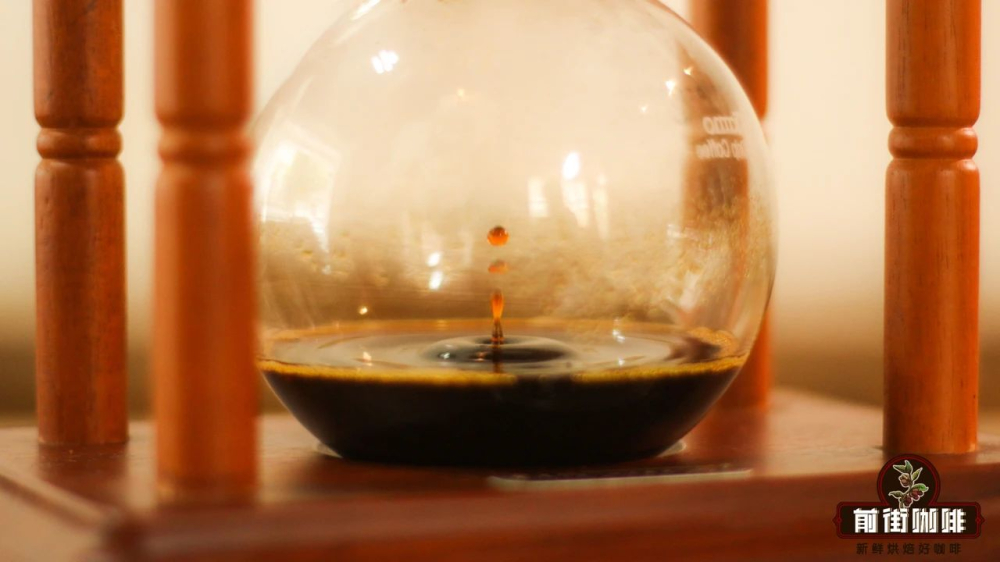
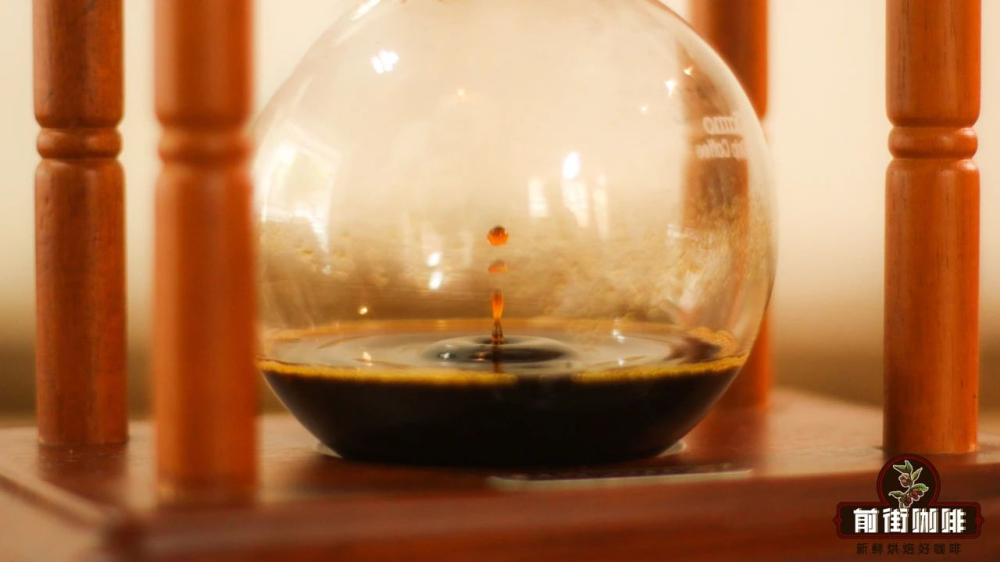
Cold drip coffee is often a limited offering in coffee shops because its production process takes at least eight hours or more. This type of cold brew, which originated in Europe, is said to have been first created by the Dutch, and is therefore referred to as "DUTCH COFFEE" in some regions. During the brewing process, water drips slowly by gravity through ground coffee, eventually collecting drop by drop in a container below—hence it’s also called drip-style coffee. This extraction method not only takes time but also requires attention to detail to fully showcase the coffee’s layers and fruity notes.
How is cold drip coffee typically made in coffee shops? The essential tools include a cold drip brewer, room-temperature drinking water, ice cubes, specialized round filter paper, a coffee bean variety suitable for cold drip extraction, a grinder, and a clean, airtight container. Taking a common recipe as an example, the typical coffee-to-water-to-ice ratio is set at 1:6:6. Assuming 50 grams of coffee beans, this would pair with 300 grams of water and 300 grams of ice. This ratio ensures sufficient extraction without excessive dilution.
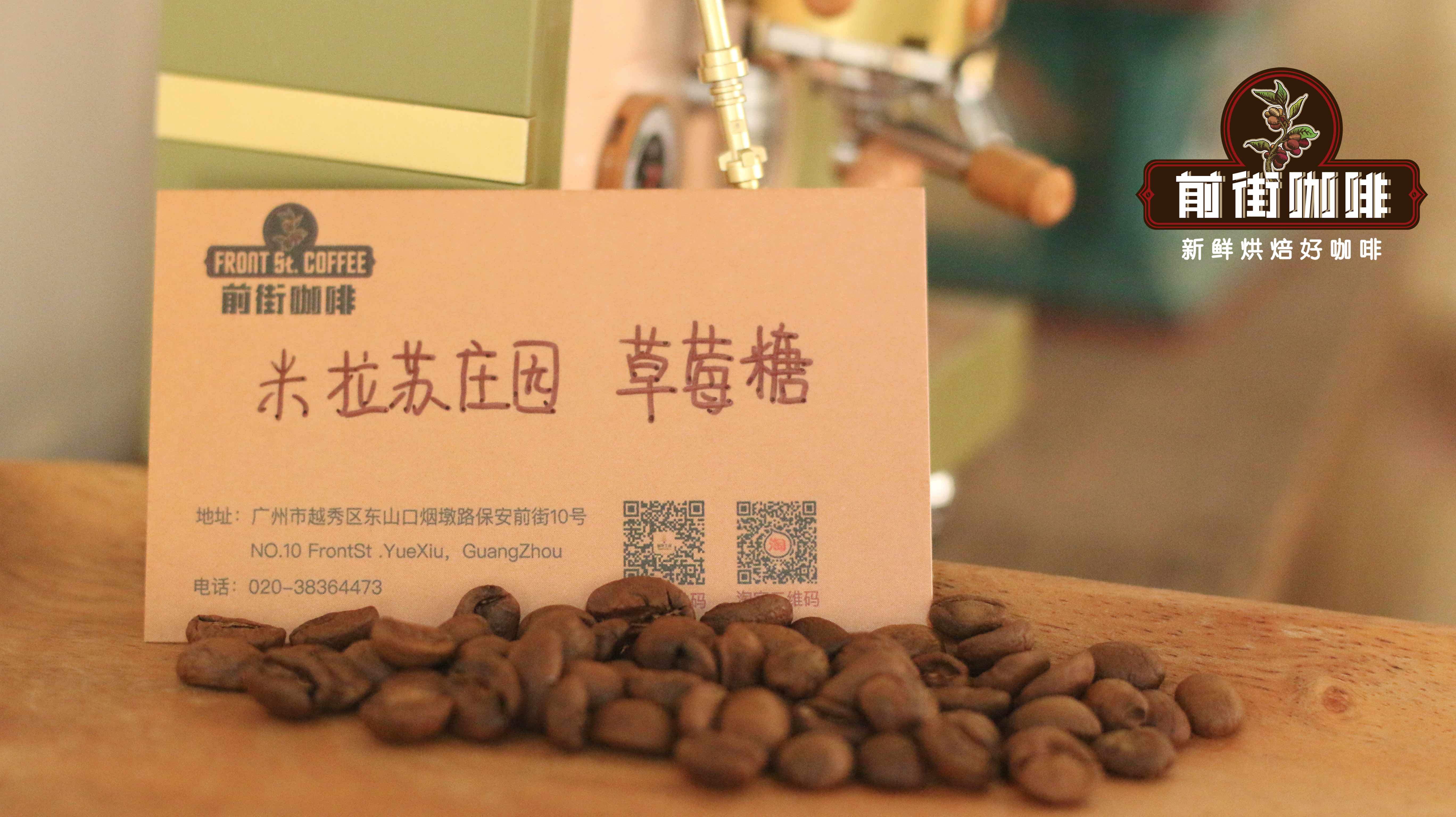
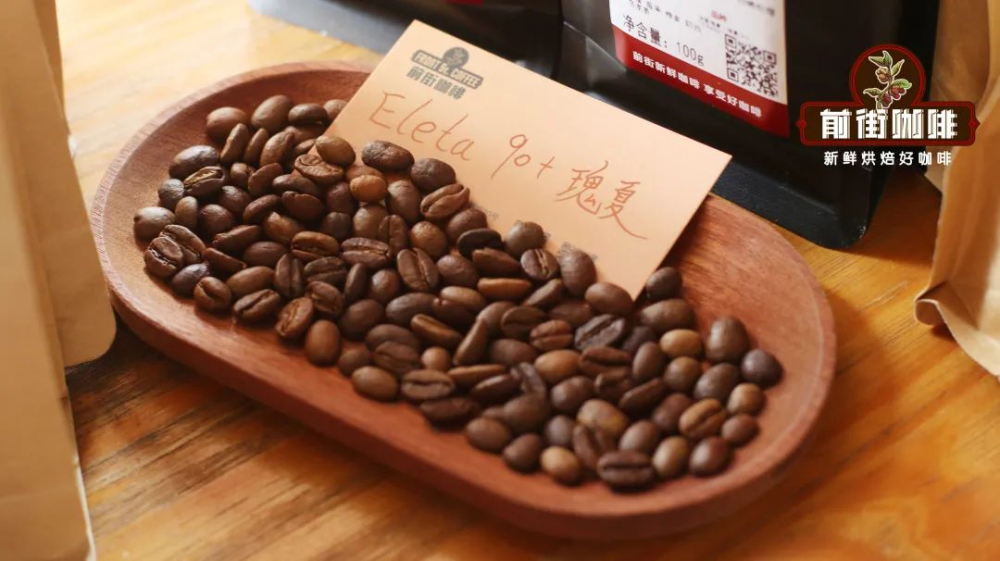
As for choosing coffee beans, it’s recommended to prioritize those with bright floral aromas or rich fruity flavors. For readers who prefer floral notes, you can try Ethiopian Natural Hua Kui, Flower Butterfly, or Strawberry Candy. If you enjoy coffee with intense fruitiness and fermentation characteristics, options like Mozart, Sidamo, or Eleta from the 90+ Estate are good choices. Different bean varieties will deliver distinctly different flavor profiles, which is also part of the charm of cold drip coffee.
In terms of the brewing steps, the first thing you need to do is grind the selected coffee beans to a coarseness suitable for cold drip, similar to the grind level used for iced pour over. Taking the EK43s grinder as an example, you can use setting number 9. This grind size ensures smooth water flow while maintaining extraction efficiency.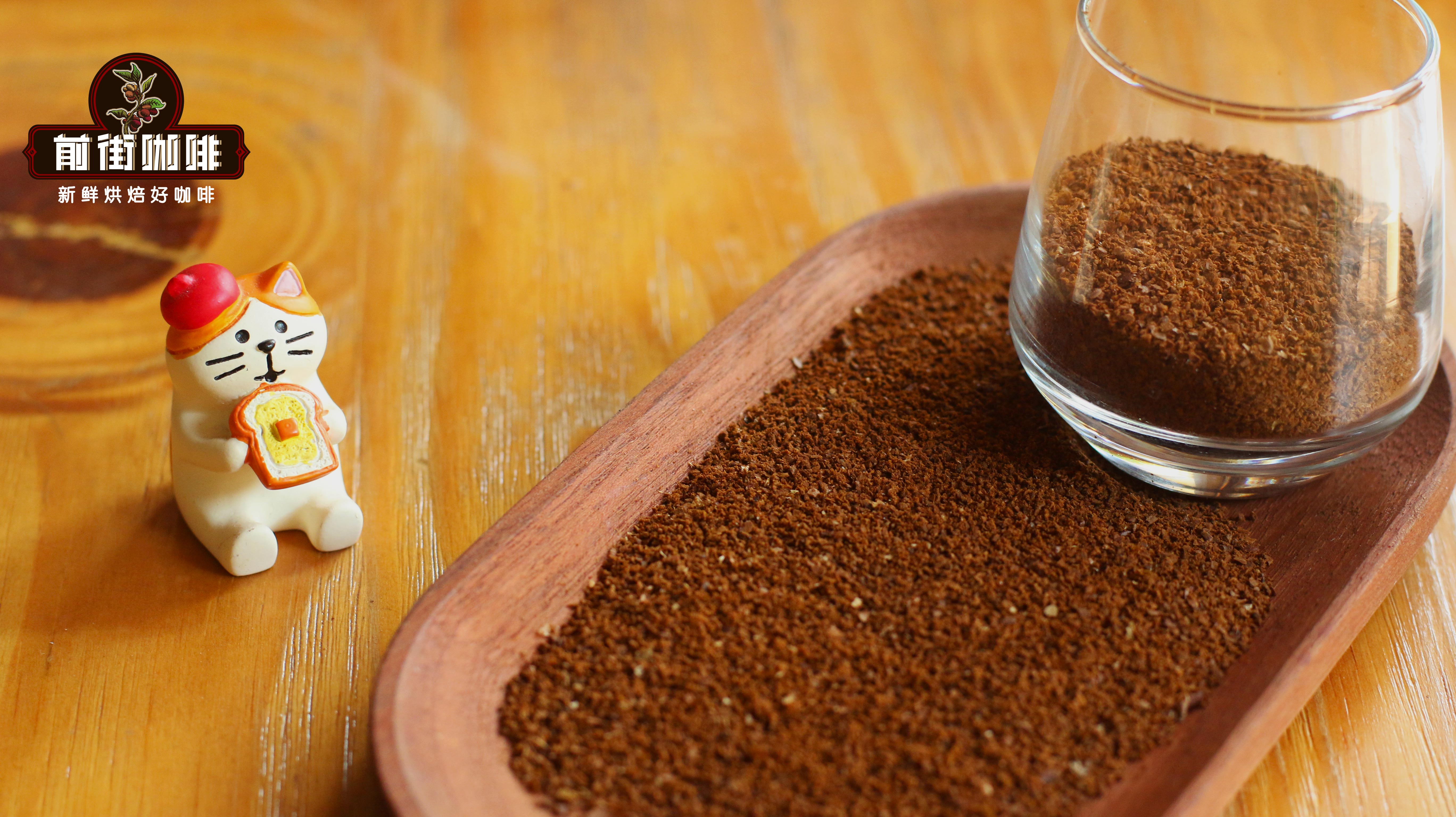
Next, place a layer of specialized round filter paper in the coffee grounds bowl of the cold drip brewer, and lightly moisten it with room-temperature water. This helps ensure even distribution of the coffee grounds later on. Then, add the ground coffee into the bowl, spreading it gently to ensure the surface is flat and free of clumps.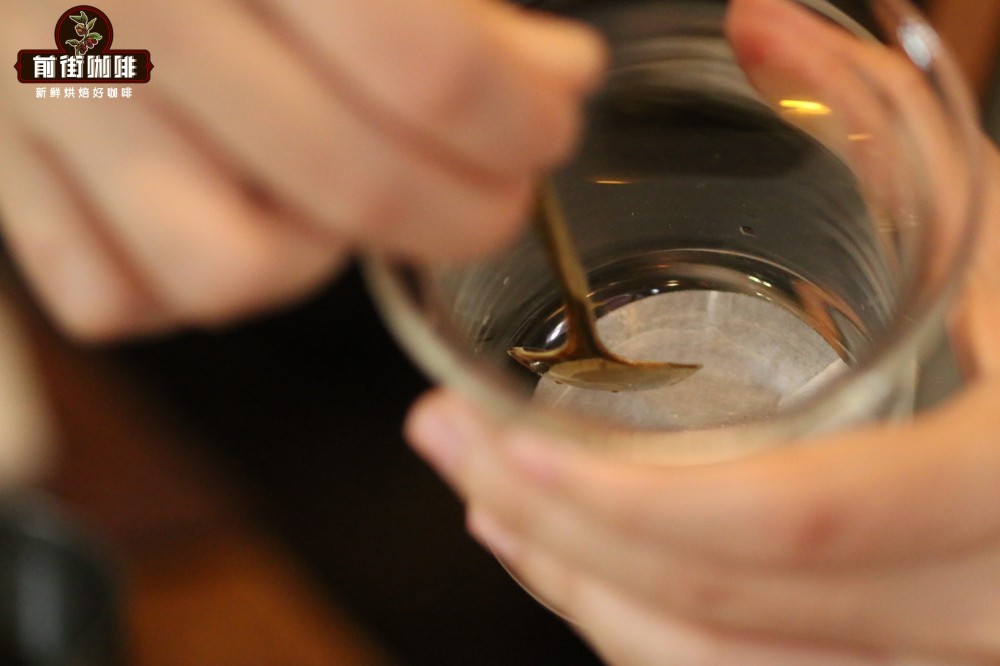
To allow the coffee grounds to fully pre-wet, it’s recommended to cover them with another layer of filter paper and evenly moisten the entire coffee layer with room-temperature water. This step is crucial—it can shorten the overall dripping time and ensure that every coffee particle absorbs water evenly, thereby improving the stability and consistency of subsequent extraction.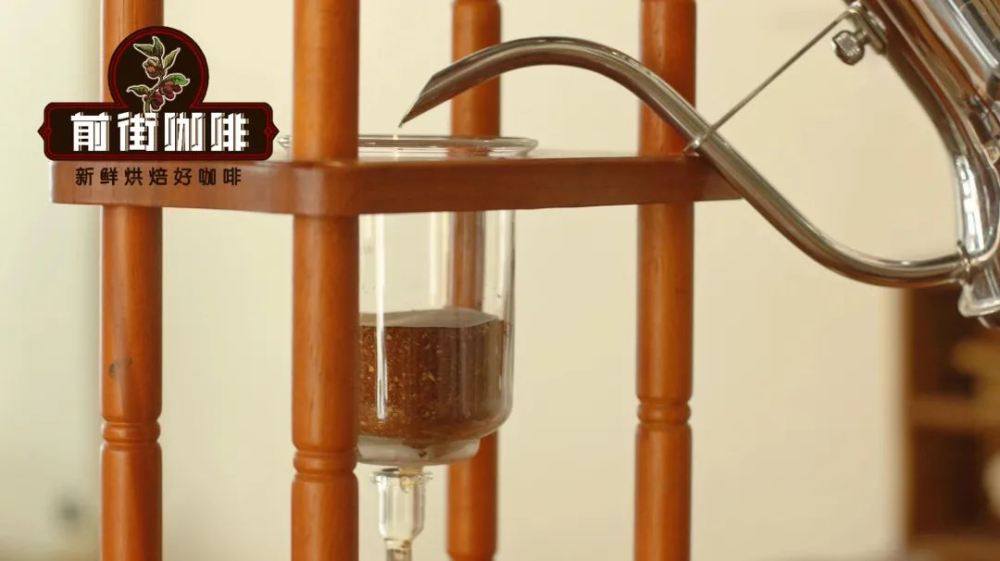
After completing the above preparations, adjust the drip valve to control the dripping speed to about 7 drops per 10 seconds. This speed helps maintain stable extraction pressure and timing. The entire dripping process may take several hours, during which it’s advisable to occasionally check whether the dripping speed remains consistent, to avoid any changes affecting the final flavor.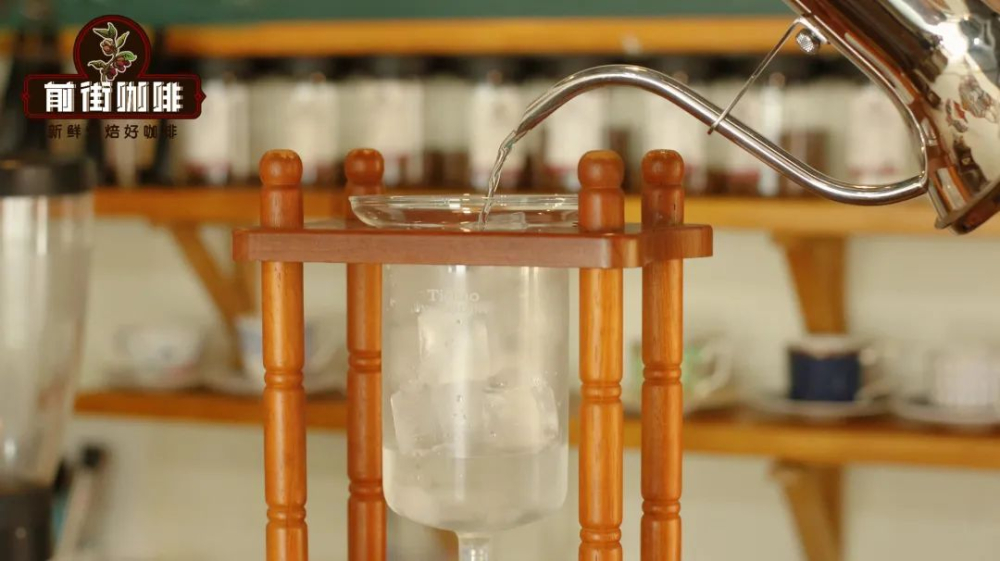
Once the cold drip extraction is complete, it’s recommended to transfer the coffee liquid into a clean, well-sealed container and place it in the refrigerator for at least one night. This period not only aids in flavor maturation, but also allows the coffee to stabilize naturally in a low-temperature environment, reducing risks of oxidation and microbial contamination. Many coffee enthusiasts believe that this “refrigerated maturation” process can make the taste of cold drip coffee richer and more layered.
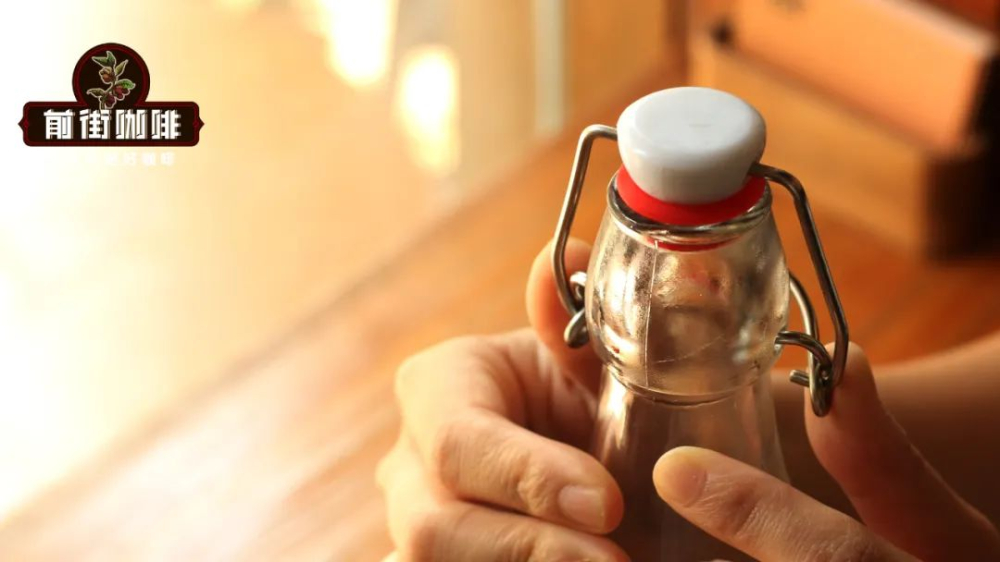
It’s important to note that since household refrigerators may still harbor microscopic microorganisms, containers used for storing cold drip coffee must be thoroughly cleaned and ensured to be completely airtight. Low-temperature storage not only inhibits the growth of undesirable bacteria but also slows down flavor deterioration. As a general guideline, whether it's cold drip or cold brew coffee, it’s best to consume it within five days of preparation to ensure optimal flavor and drinking safety.
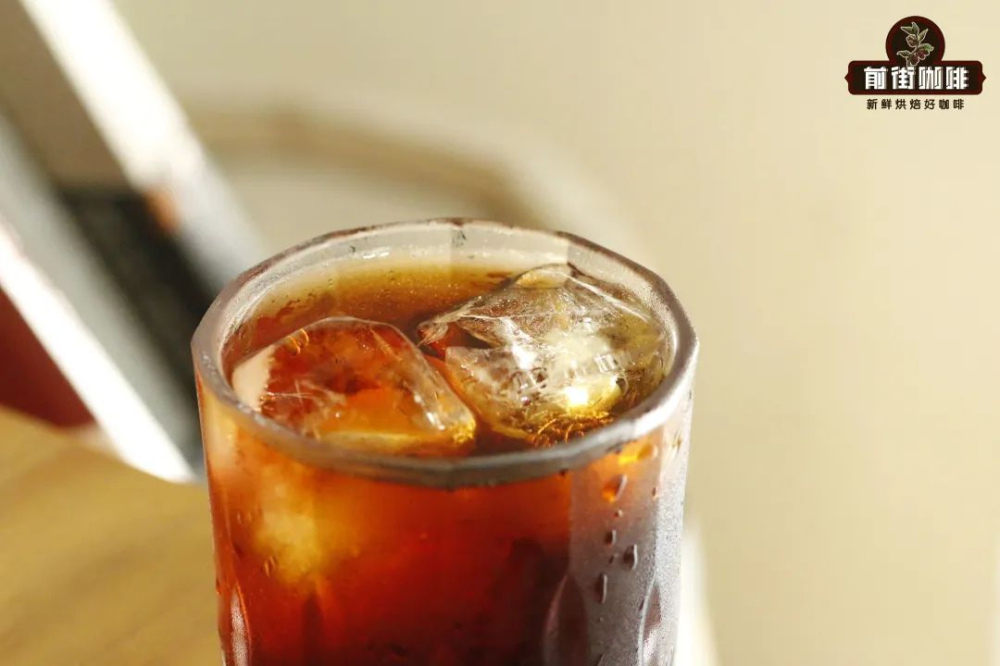
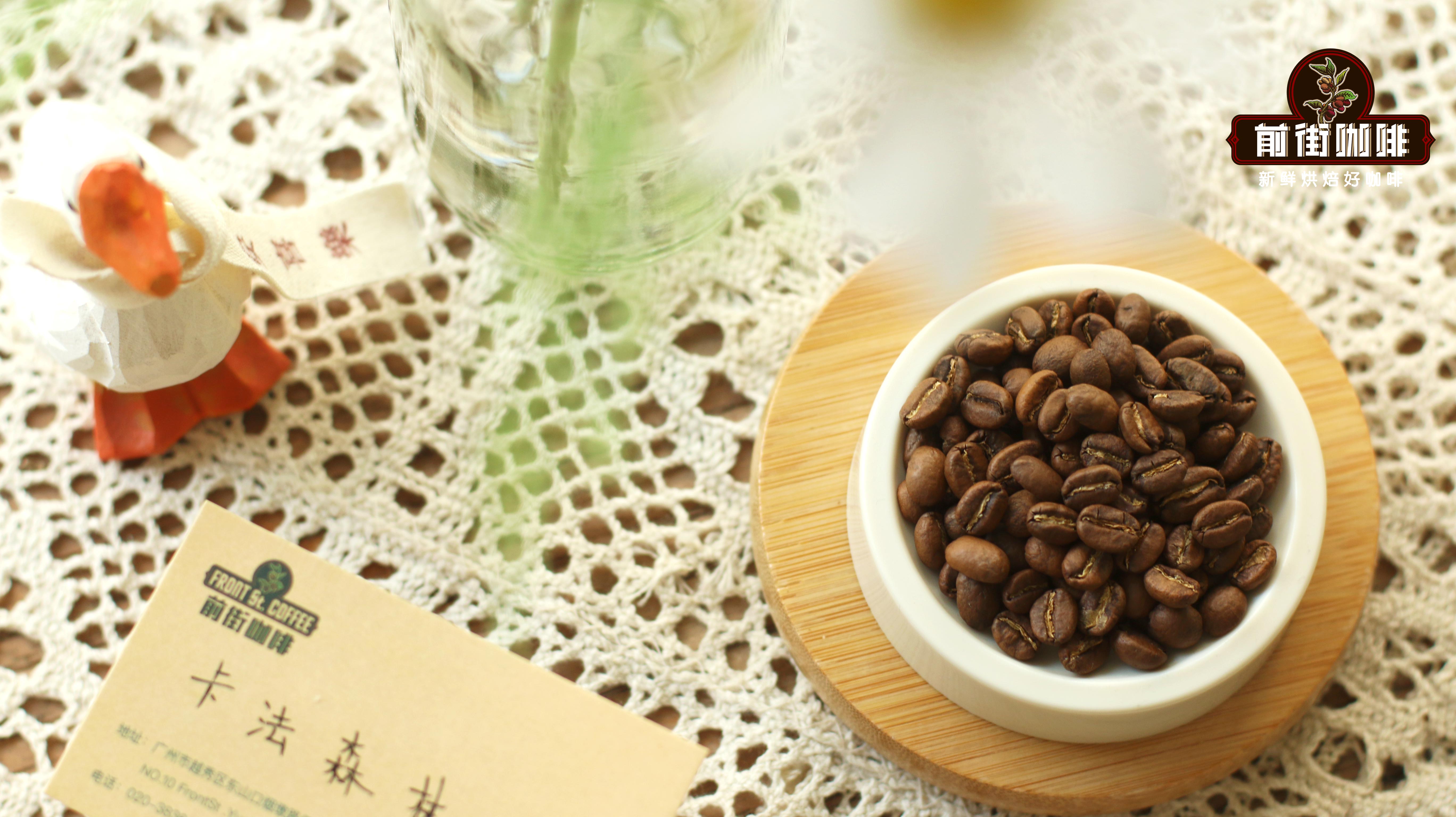
Besides cold drip coffee, many coffee shops also offer another common iced coffee option—iced pour over. Compared to cold drip, iced pour over is simpler to make and suitable for trying at home. Taking medium-light roasted Kafa Forest coffee beans as an example, it’s recommended to use 15 grams of coffee grounds, paired with 150 grams of 92°C hot water and 75 grams of ice cubes, with a grind size of about 83% passing through a #20 sieve—that is, setting 9 on the EK43s or setting 22 on the C40.
For the specific operation, you can use a three-stage pouring method: first, place 75 grams of ice cubes in the lower brewing chamber, then pour 30 grams of hot water for a 30-second bloom, with a pouring speed of about 3 milliliters per second. Next, pour the second stage of 60 grams of hot water, being mindful to control the liquid level height to avoid over-dilution. Finally, when the coffee liquid is nearly finished dripping, pour the remaining 60 grams of hot water at the same flow rate. The total extraction time is recommended to be controlled between 1 minute 50 seconds and 2 minutes to achieve the best balance and flavor expression.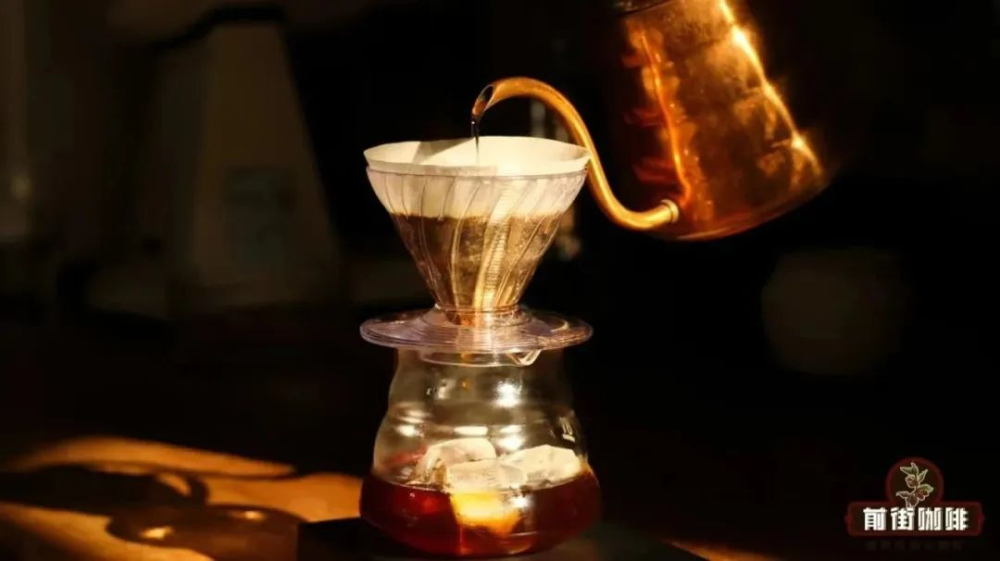
The above content is compiled by CoffeeHunters, a coffee news website.


