








Introduction:Iced drip coffee is widely loved by coffee enthusiasts for its unique brewing method and smooth texture. This article delves into the flavor characteristics of iced drip coffee, introduces suitable light to dark roast beans for making it, and details the standard brewing process and key parameters to help readers master the essence of iced drip coffee — from bean selection to brewing with ease.
Iced drip coffee is a brewing method that extracts coffee slowly through the slow dripping of ice water. Coffee grounds are infused with ice water, and by controlling the rate at which the water drips, the essence of the coffee is gradually extracted. The coffee produced by this method typically exhibits a rich, smooth, and full-bodied mouthfeel, while the flavor profile varies depending on the type of coffee beans used.
The greatest advantage of iced drip coffee lies in its mild flavor characteristics, with very low acidity or bitterness and relatively gentle stimulation to the stomach. Dark roasted beans such as Indonesia's Mandheling often feature complex layers of caramel and spices, while coffee from the Huila region showcases sweet notes of dark chocolate and maple syrup. Coffee from the Sidama region is also well-suited for iced drip; its nutty and cocoa tones become even more mellow under the slow extraction of iced drip, with a pronounced aftertaste, making it highly compatible with ice.

For those who prefer fruity and floral notes, light roasted beans are also a great choice. Varieties such as Huakui, Strawberry Candy, or Little Tomato, when processed through iced drip, not only have minimal bitterness but also reveal rich layers of flavor. When served with ice, these beans often present delicate floral aromas and a subtle sweet-tart fruitiness. Among them, iced drip made from Huakui is often described as having a sweet, tea-like aftertaste reminiscent of black tea.

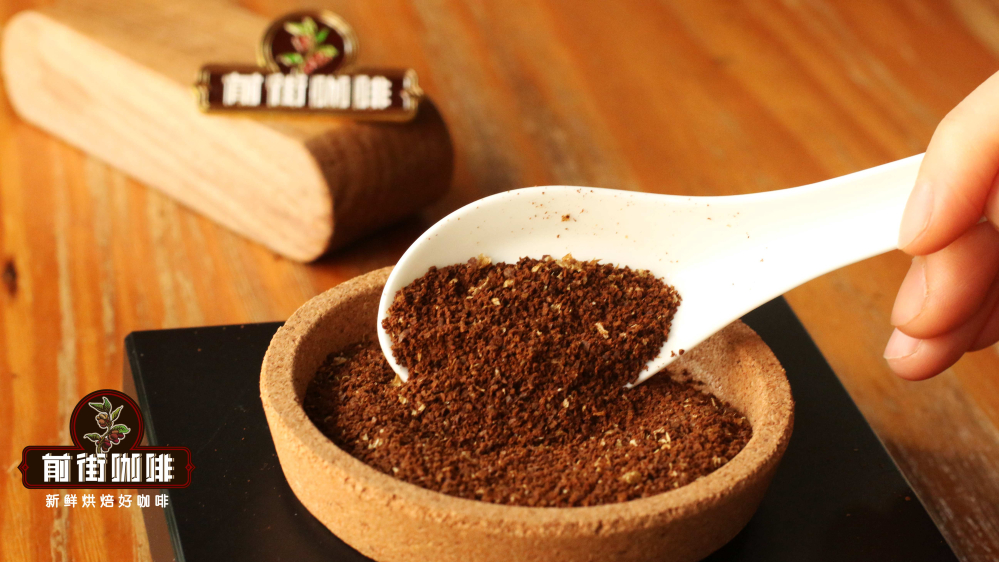
In the standard process of making iced drip coffee, preparation is crucial. It is recommended to use a professional iced drip brewer, along with about 60 grams of coffee beans, 300 grams of drinking water, and 300 grams of ice. The grind size of the coffee beans should be close to that of fine sugar, and it is recommended to use a Chinese No. 20 standard sieve with a filtration rate of around 80%. This grind size ensures uniformity and efficiency in extraction.
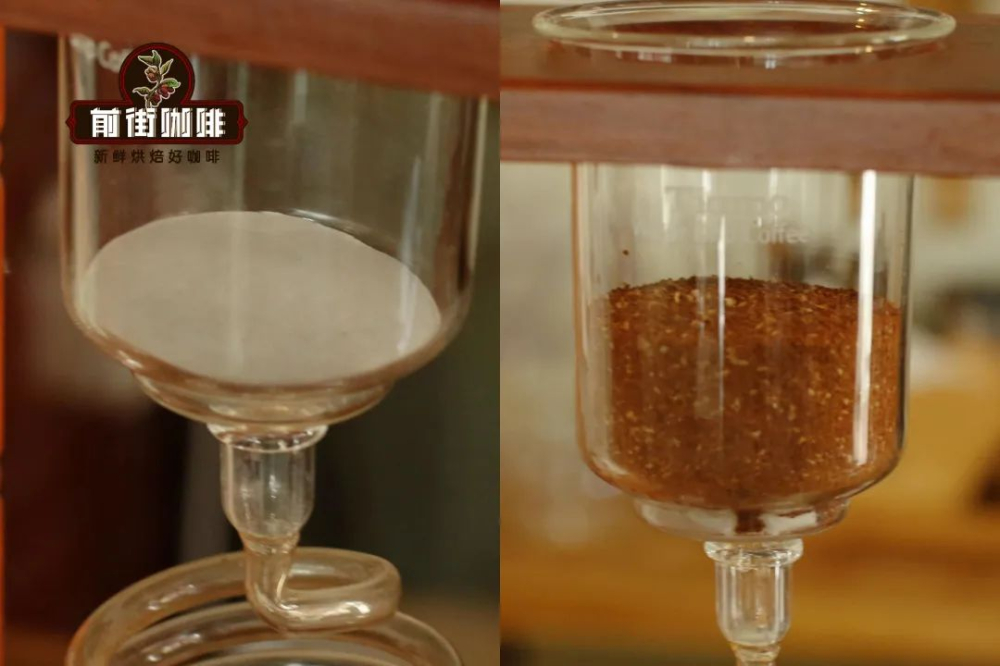
When filling the coffee grounds, first place a round filter paper at the bottom of the powder container and lightly wet it with water to make it adhere tightly to the walls. Then, pour in the ground coffee and gently shake to level the surface. If a tamper is available, it can also be used to lightly press the coffee layer to ensure an even and dent-free surface. This step is critical for the subsequent distribution of water droplets.
To further enhance the uniformity of extraction, it is recommended to place another sheet of filter paper on top of the coffee layer. The tension of the filter paper helps distribute the water droplets evenly across the surface of the coffee grounds, preventing issues such as localized over-extraction or depression of the coffee bed due to concentrated dripping. Next, gently moisten the entire coffee layer with ice water. This step is similar to the bloom phase in pour over brewing and can effectively improve extraction efficiency and ensure consistent flavor in the final cup.
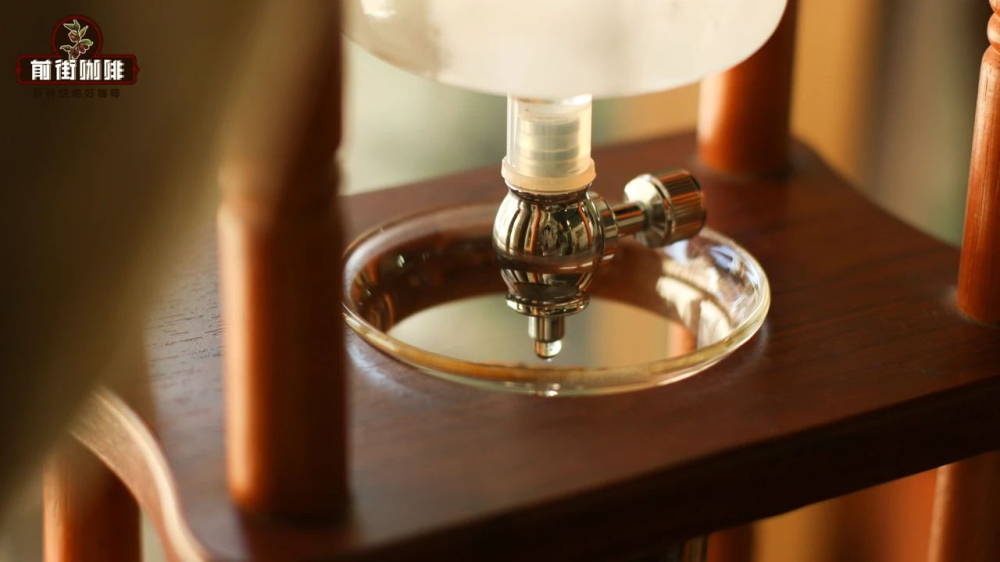
Adjusting the dripping speed is one of the key parameters in iced drip coffee. It is recommended to mix ice water in a 1:1 ratio and pour it into the drip bottle, then control the dripping speed to about 7 drops per 10 seconds. This speed ensures that the coffee grounds have sufficient time for adequate extraction, while avoiding issues of over-dilution or under-extraction.
After the extraction is complete, pour the iced drip coffee into a clean, dry, oil-free sealed bottle and place it in the refrigerator for oxidation. This period allows the flavor molecules in the coffee to further release, enhancing the overall flavor profile. Letting it sit for a while before tasting allows you to more fully appreciate the subtlety and layered complexity of iced drip coffee.

In summary, the charm of iced drip coffee lies in the delicate flavors and rich textures revealed during its slow extraction process. From bean selection and grinding to adjusting extraction parameters, every step influences the final product. Through this guide, readers can gain a deeper understanding of the key points in making iced drip coffee and choose the most suitable coffee beans according to personal preference to craft their own perfect cup of iced drip coffee.
The above content is compiled by CoffeeHunters, a coffee news website.


