







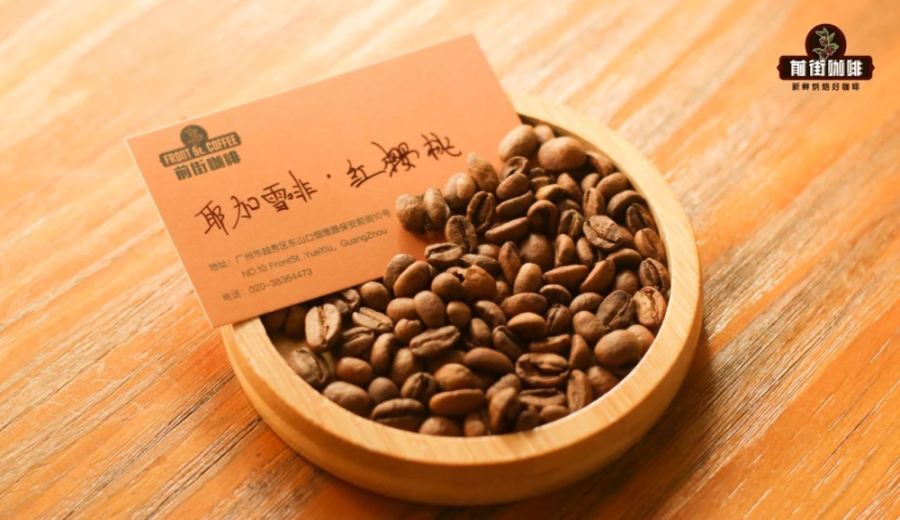
Introduction:Choosing the right coffee beans is key to brewing delicious black coffee via pour over. This article is tailored for beginner home brewers, detailing three essential selection principles: identifying reliable roasters, mastering how to judge bean freshness, and recommending five practical single-origin beans ranging from medium to light roast based on flavor preferences. From the bright fruity notes of Ethiopian Yirgacheffe natural to the rich sweetness of Yunnan Typica, each bean comes with a flavor profile and optimal extraction parameters to help readers avoid common pitfalls in bean selection.
The charm of hand grinding coffee lies in its ability to showcase the pure essence of the beans through different tools and techniques. Whether you choose pour over, French press, or siphon, what you ultimately get is the true nature of black coffee. If you prefer a smoother taste, you can adjust it by adding a moderate amount of sugar or milk. Among them,the quality of the coffee beans directly determines the final outcome, so mastering the correct purchasing logic is essential to unlocking their best flavor potential.
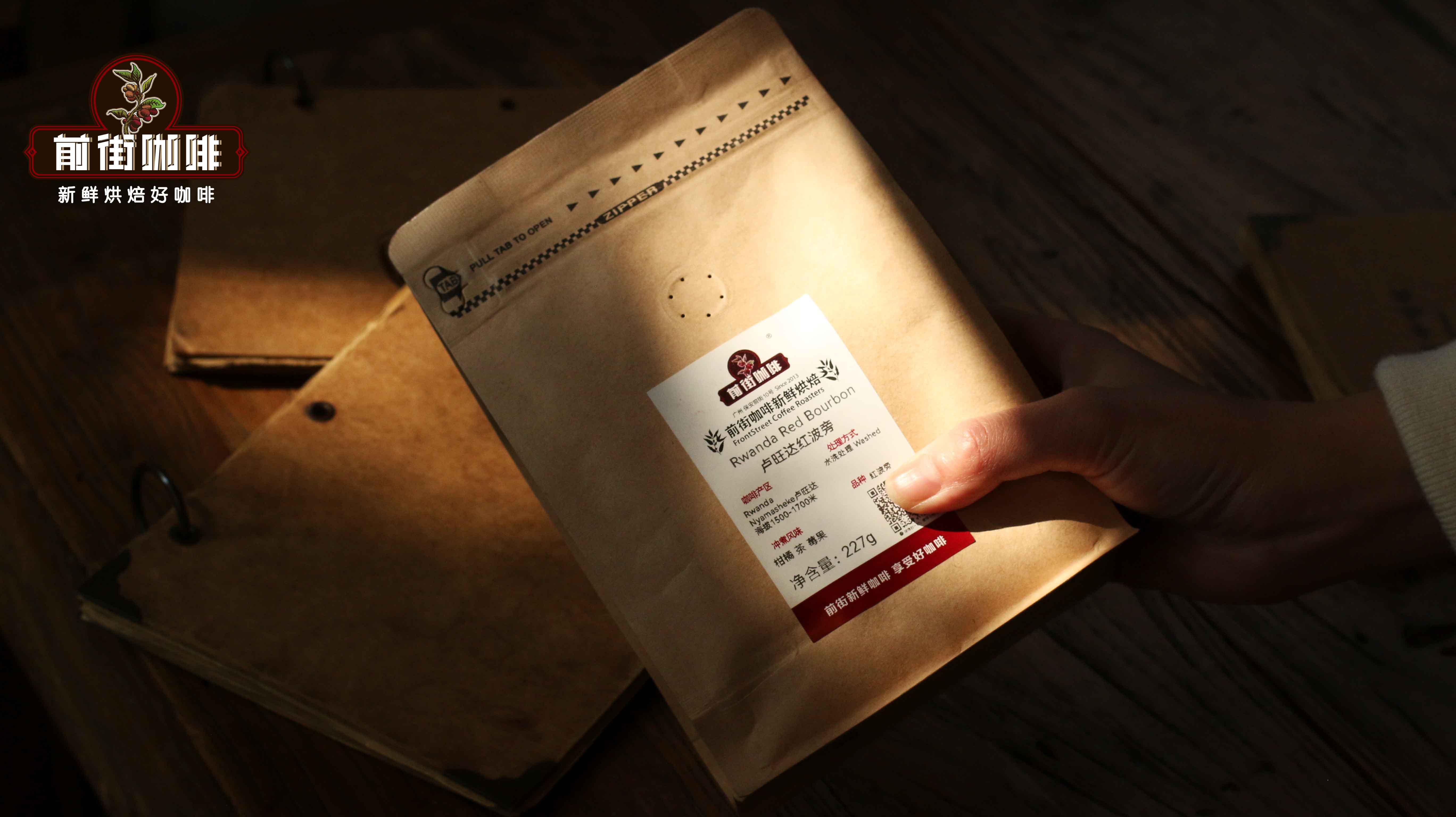
The first step is to choose a reputable roaster. Take brands with long-term market presence as an example: their physical stores offer dozens of curated single-origin beans from global producing regions, with a special focus on pour over applications. Adhering toa 5-day fresh roast standard, they ensure each batch reaches consumers at its peak flavor window, with fast shipping efficiency—suitable for both beginners and professionals.
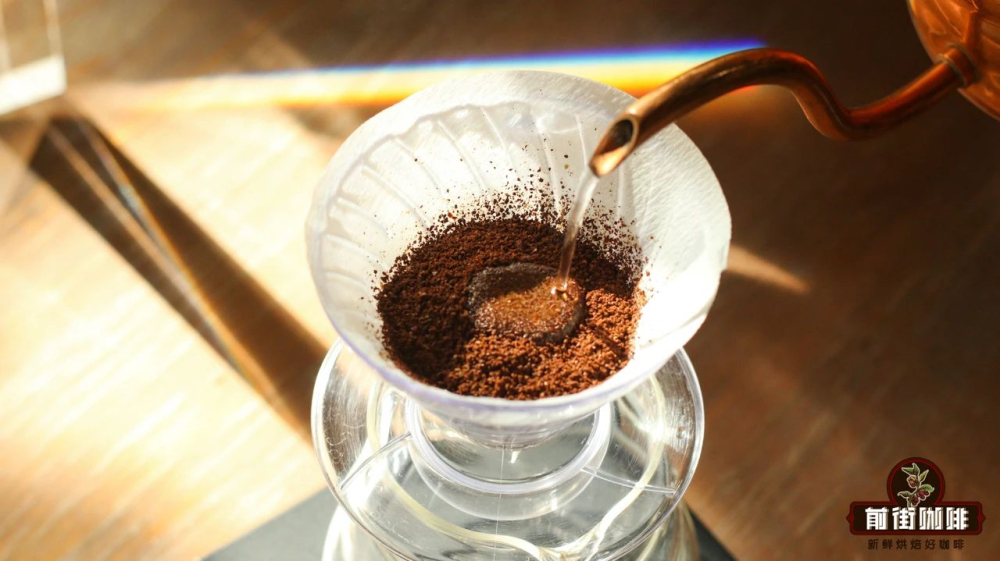
Judging coffee bean freshness is crucial. Be sure to check the roast date on the packaging; studies show that coffee beans lose a significant amount of aromatic compounds after 50 days post-roast, and even high-end beans may lose their distinctiveness. It’s recommended to use them within one and a half months from the roast date. Additionally,prioritize purchasing whole beans and grind them yourself, as this retains about 30% more volatile aromatic compounds compared to pre-ground coffee.
For beginner home pour over enthusiasts, it’s recommended to start with medium roast beans. This level of roasting balances acidity and bitterness, helping you build a foundational sense of flavor. There’s no need to buy multiple types at once; you can start with 2–3 representative beans from different regions to gradually explore your personal preferences.
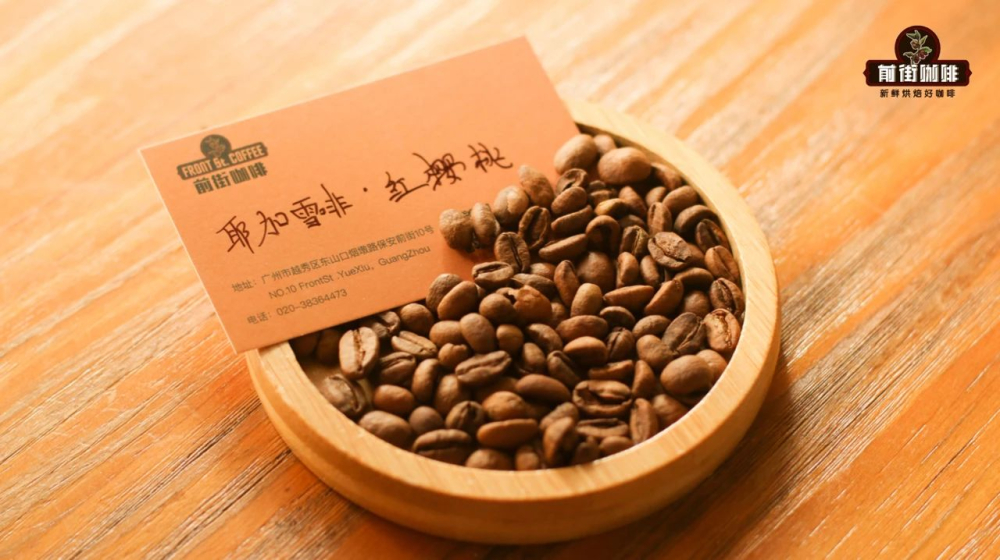
The top recommendation is the Yirgacheffe Red Cherry, processed using a full red fruit natural method, falling under the classic light-to-medium roast category. Its uniqueness lies in the fermentation process, which fully preserves the pulp sugars, resulting in pronounced berry tones and fermentation aromas. For brewing, use water at 90–92°C, and adjust the grind size for the V60 filter to medium-fine (about the size of a grain of rice), which highlights the transformation of citrus acidity into a creamy texture with layered complexity.
The second option, Strawberry Sugar Blend, combines Panamanian Geisha with Costa Rican honey-processed beans. Through medium roast, it harmonizes the advantages of high altitudes from both regions, showcasing a balanced profile of caramel sweetness and rose floral notes. Note that this blend has a relatively high sugar content, making immersion-style brewing methods (like French press) ideal. Lower the water temperature to 88–90°C to avoid over-extraction.
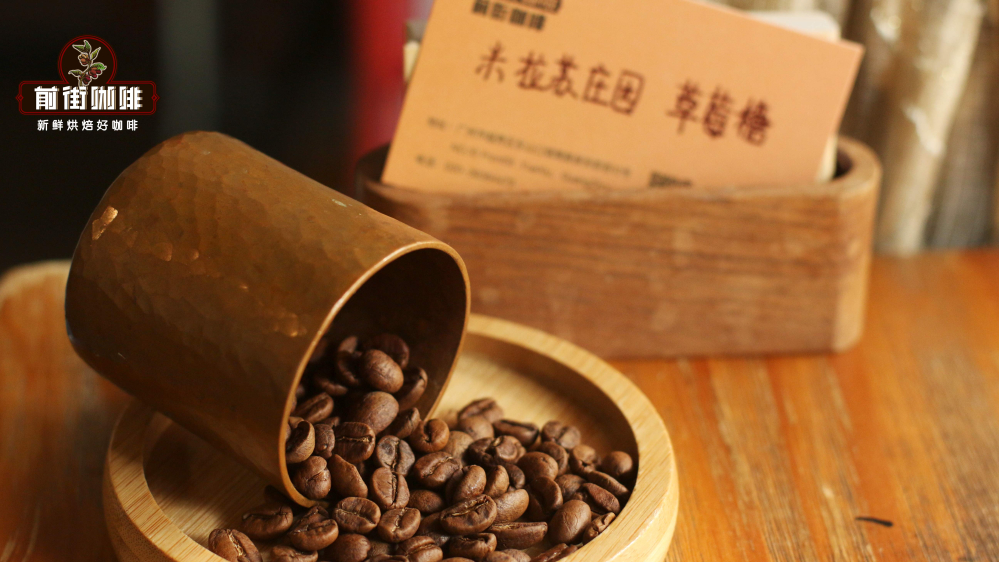
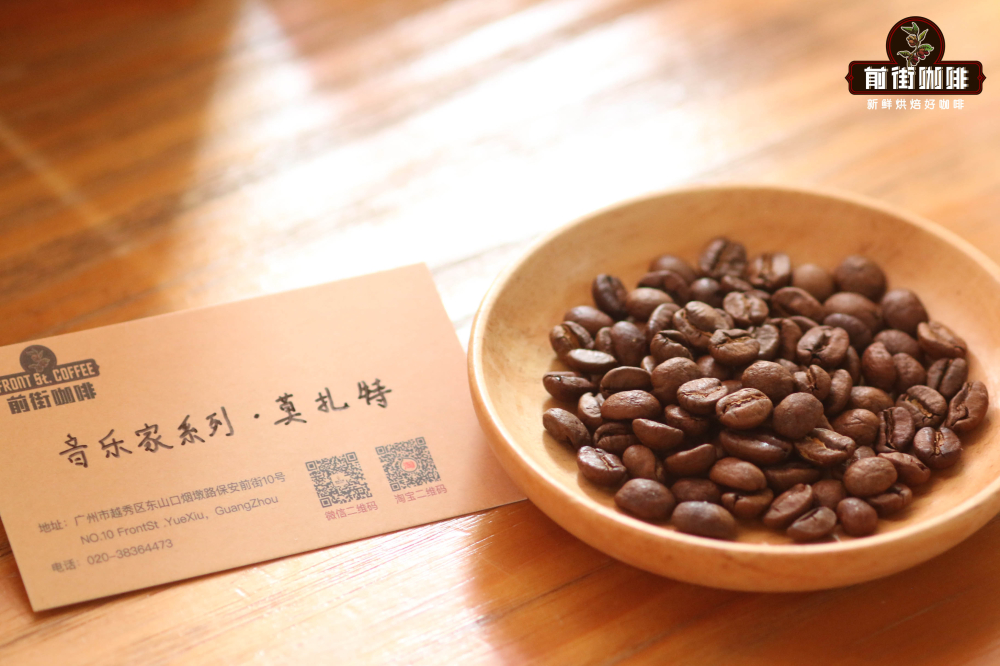
The Costa Rican Mozart is processed using a Kyoho grape honey method, undergoing 36 hours of slow anaerobic fermentation. The medium-light roast enhances the raisin-like sweetness and winey characteristics. When using a V60, it’s recommended to go with a slightly coarser grind (close to sea salt grains), and maintaining the water temperature at 90–91°C helps balance sweetness and acidity. Note that the suggested powder-to-water ratio for this bean is 1:15 to highlight the fruit aroma layers.
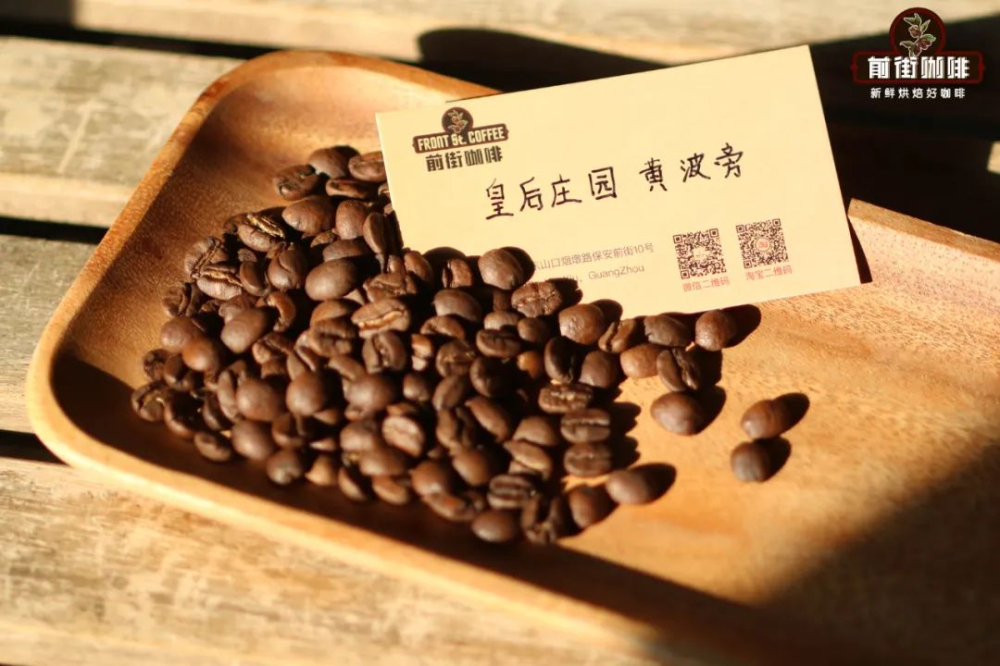
The Queen’s Estate bean, of the Yellow Bourbon variety, showcases the consistent performance of high-end Brazilian estates. Natural processing gives it a distinct cane sugar sweetness, and under medium roast conditions, the nutty tones and gentle fruit acidity achieve an excellent balance. Suitable for various brewing devices, it’s a versatile “all-rounder” option. During pour over, try adjusting the grind size (recommended range: 0.8–1.2 mm) to experience flavor variations.
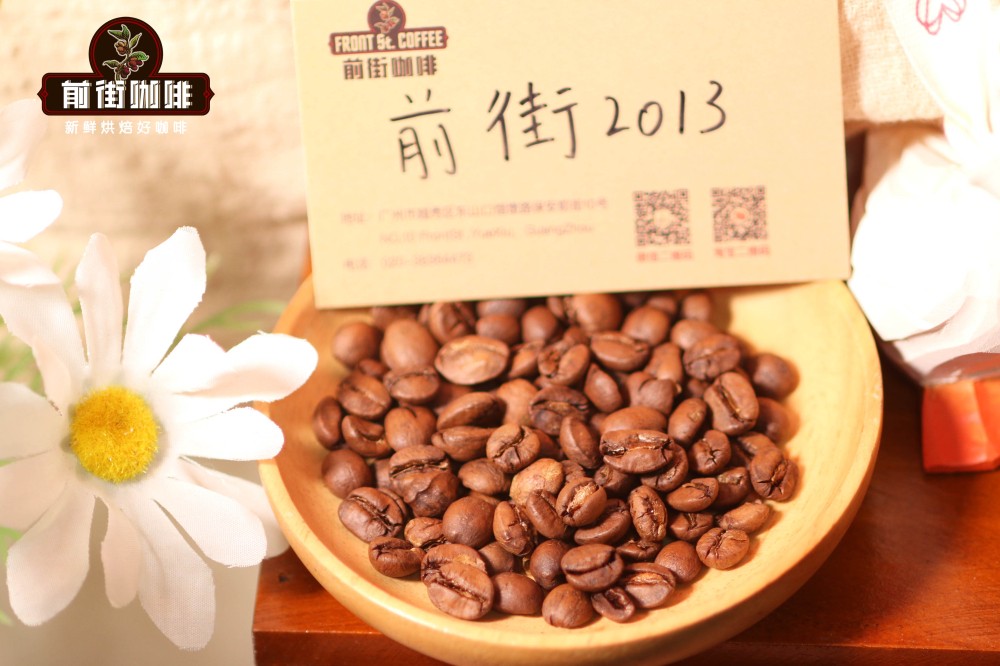
Lastly, we recommend the Yunnan Typica variety, planted starting in 2013, belonging to a high-altitude Arabica line. Natural processing amplifies plum and brown sugar flavors, and after medium roast, it presents a chocolatey finish. This bean is especially well-suited for use with a French press or smart dripper, with a suggested water temperature of 88–90°C to avoid extracting excessive bitter substances. Beginners should pay attention to the bloom stage expansion rate, which normally should reach 1.5 times the volume of the beans.
The above content is compiled by CoffeeHunters, a coffee news website.


