







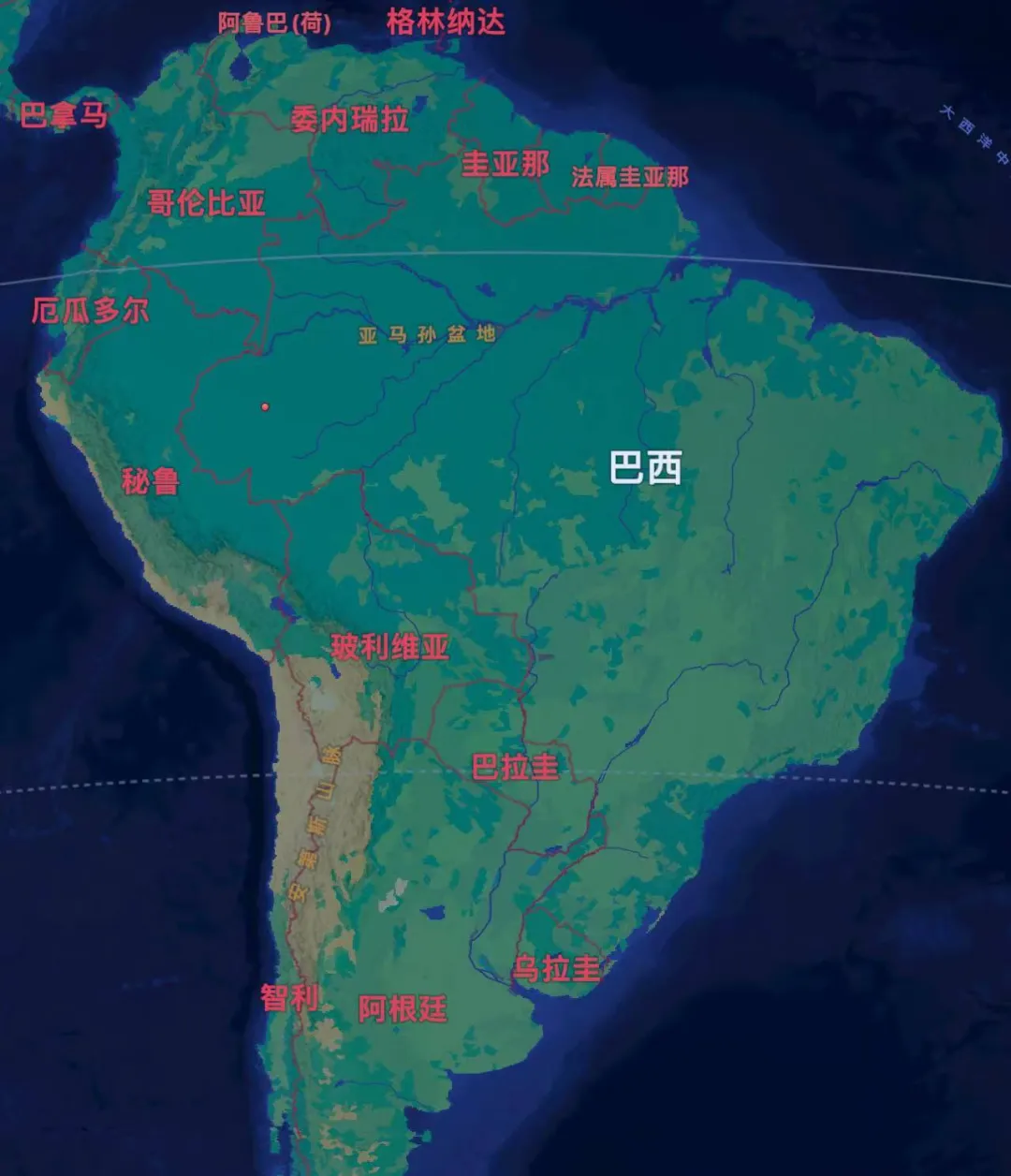
Introduction:Want to understand the representative flavors of fine Brazilian coffee? The Bourbon variety from the Cerrado region, processed with the honey method, showcases unique nutty and chocolatey notes, making it ideal for both pour over beginners and advanced enthusiasts. This article delves into the characteristics of Brazil’s major coffee-growing regions and their climate conditions, and provides a detailed explanation of the flavor profile and optimal brewing parameters for Cerrado Red Bourbon beans, taking you on a comprehensive journey from origin to cup to fully appreciate the charm of this classic bean.
Brazilian coffee is often seen as synonymous with "high cost-performance." This is not only because of its large production volume and affordable prices, but also due to its balanced taste, making it a daily choice for many. A basic pack of Brazilian everyday beans is reasonably priced, and blends that include Brazilian beans generally fall within an affordable budget, suitable for daily consumption.
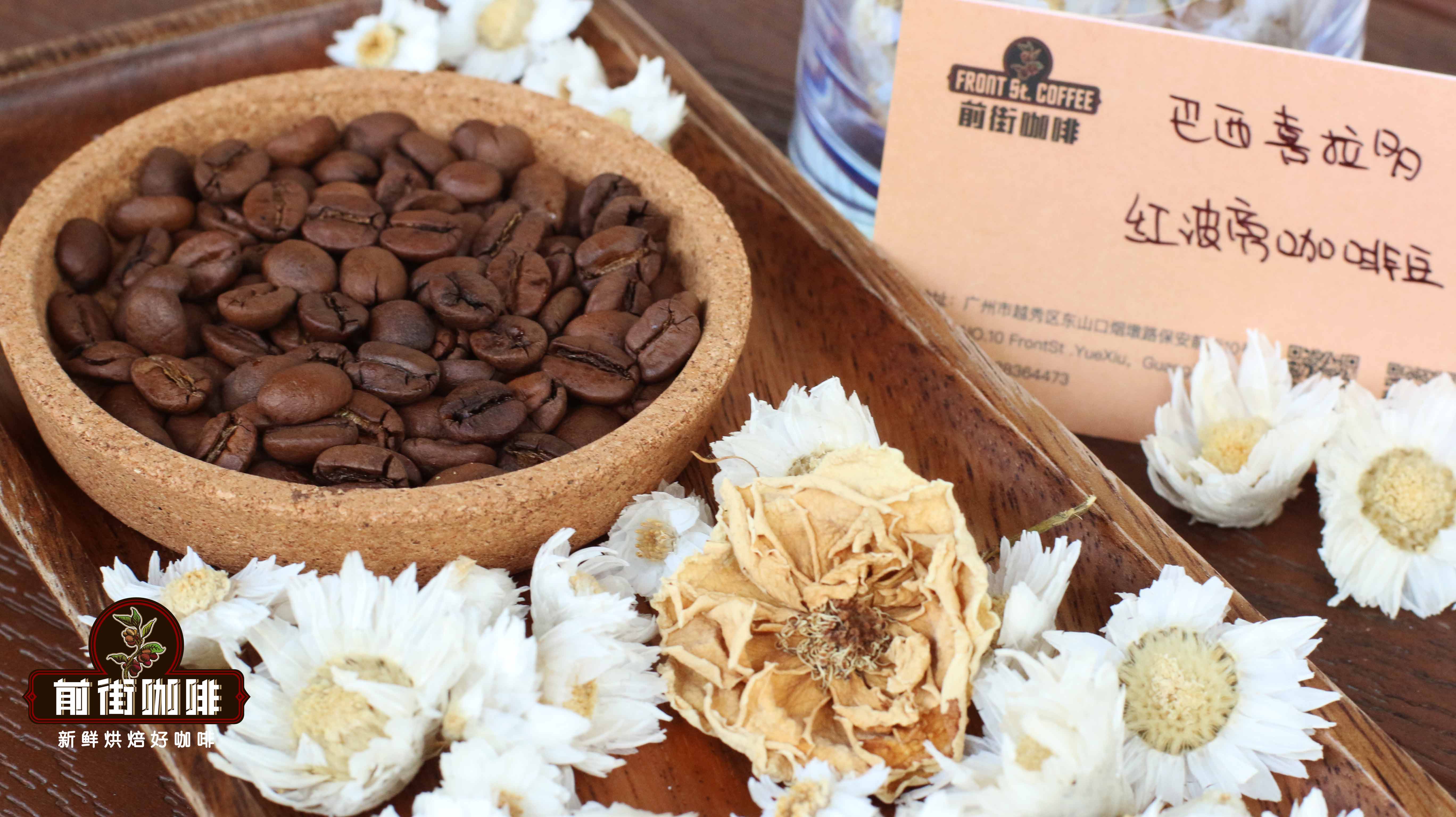
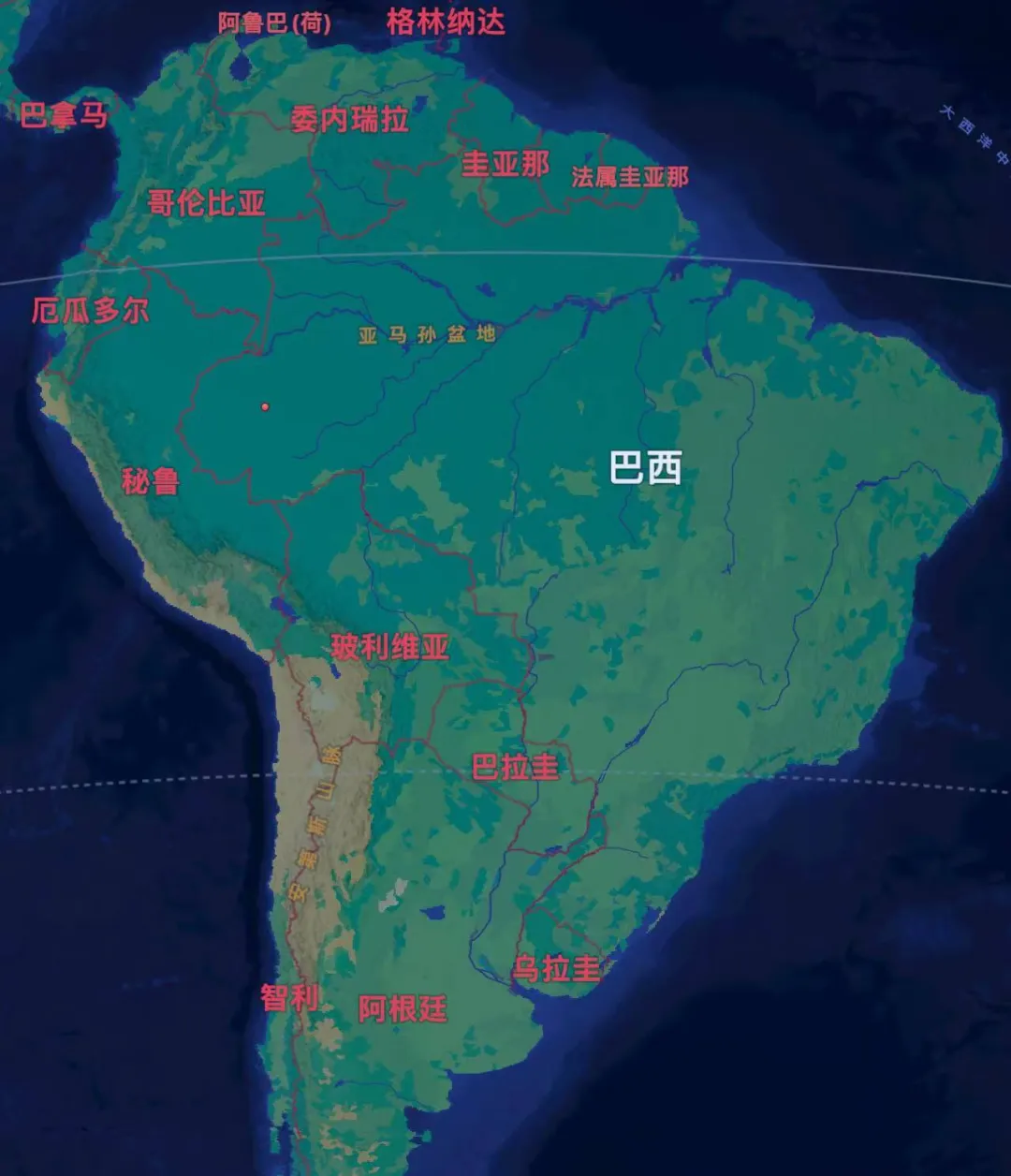
As the world’s largest coffee-producing country, the Federative Republic of Brazil is not only vast in territory but also boasts diverse natural environments. The entire country spans the eastern part of South America, bordering more than ten countries including Uruguay and Argentina, with a total area of 8.5149 million square kilometers, ranking fifth in the world. The territory can be divided into the central-southern plateau at elevations above 500 meters (accounting for 60% of the country), and the low-altitude plains of the Amazon River basin in the north (mostly below 200 meters). Climate types include tropical rainforest, tropical savanna, and subtropical monsoon, among which the southern region has an average annual temperature of 16–19°C, providing ideal growing conditions for Arabica coffee.
The green in the Brazilian flag symbolizes dense forests, yellow represents abundant mineral resources, and the white five-pointed stars on the central blue globe mark the locations of the 26 administrative regions—these details, along with the inscription "Order and Progress," all imply the nation’s pursuit of balance between nature and development. This spirit is also reflected in its coffee industry: while ensuring stable supply, it continuously cultivates fine bean varieties with regional characteristics.

Out of the country’s 26 states, 17 are involved in coffee cultivation, with Paraná, São Paulo, Minas Gerais, and Espírito Santo collectively contributing 90% of production. The variety distribution is dominated by Arabica (80%), including classic types such as Bourbon, Catuai, Typica, and Mundo Novo, with the main harvest season being from May to September each year.
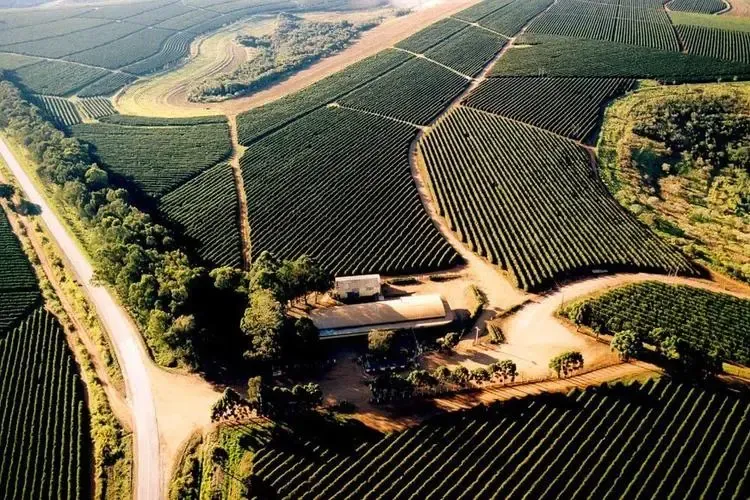
Each region forms a unique flavor profile due to differences in geographical conditions: Although Paraná accounts for only 2.5% of the country’s area, it produces nearly 25% of the agricultural output, but its altitude is generally below 950 meters, making it less conducive to high-quality coffee. The Mogiana region in São Paulo is renowned for its red sandy soil at altitudes of 900–1100 meters, and the mineral-rich soil is particularly suitable for coffee growth. Here, the Yellow Bourbon variety, processed with the honey method, when brewed using a pour over method (such as the KONO filter, with a 1:15 coffee-to-water ratio), can showcase sugarcane sweetness, black tea undertones, and delicate layers of chocolate, with a bright, rich, and balanced mouthfeel.
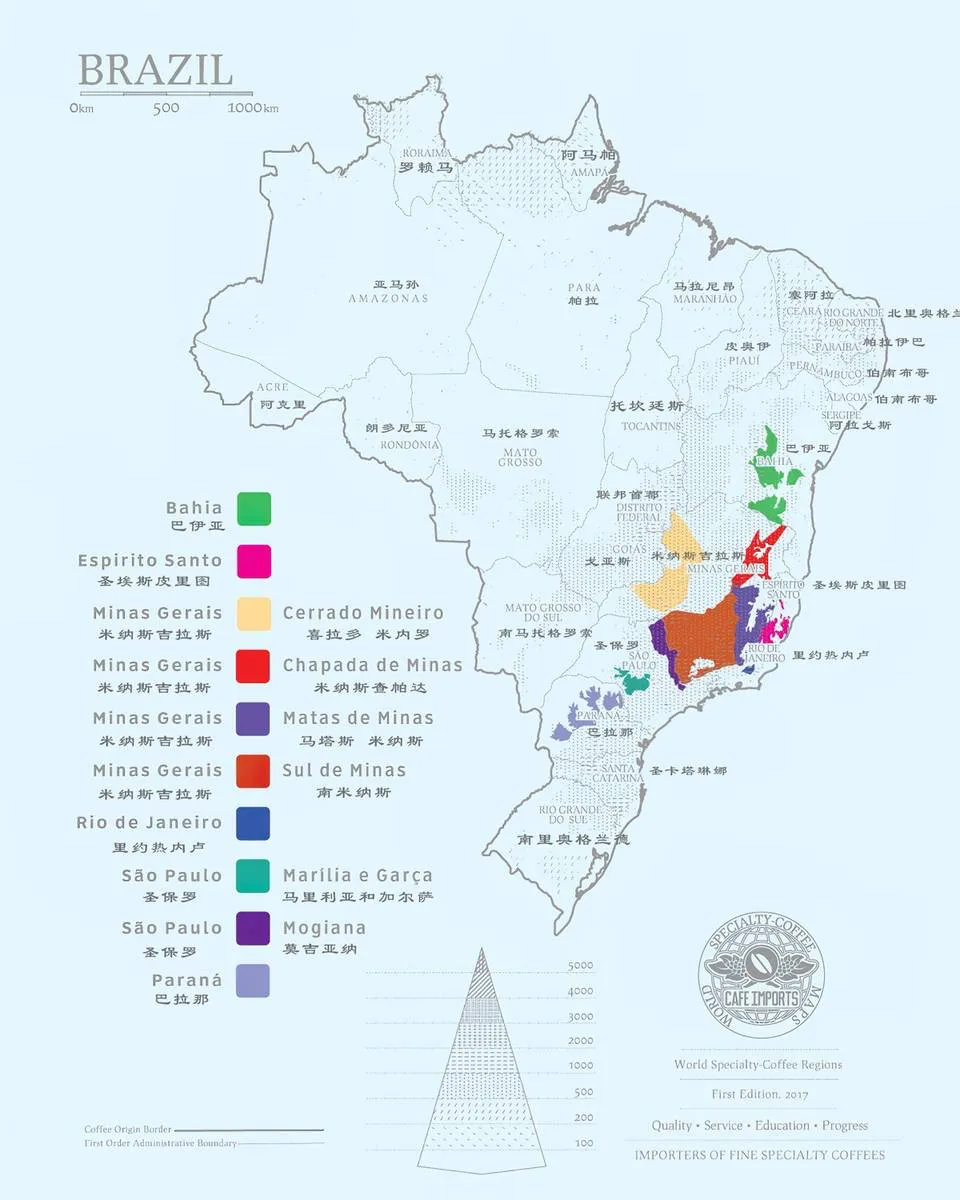
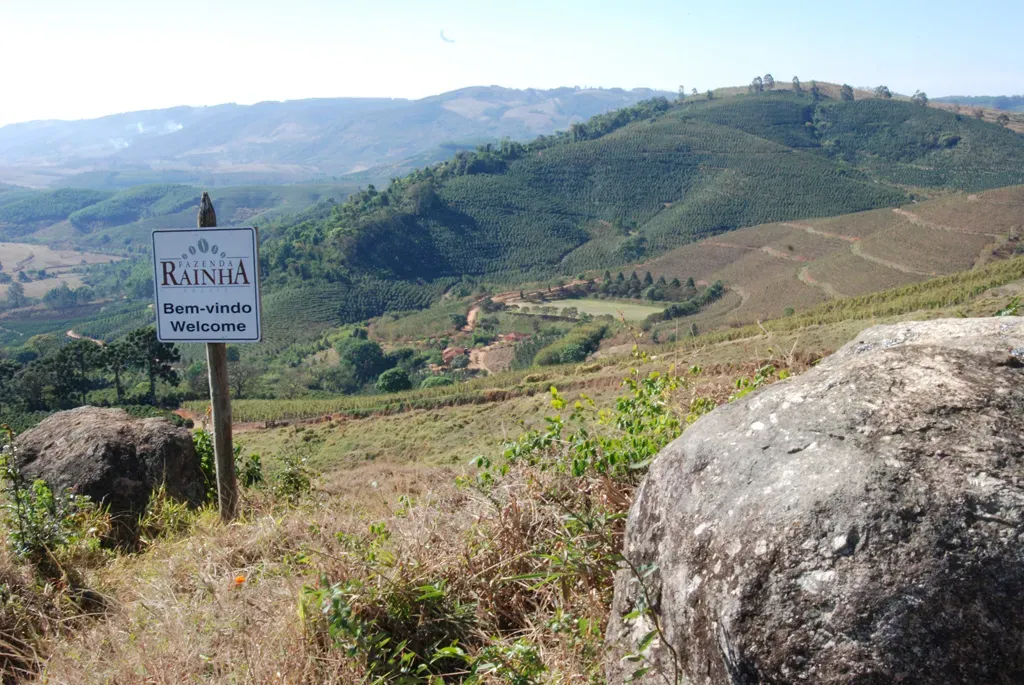
Minas Gerais is located in southeastern Brazil and is home to the country’s highest mountain ranges. Its sub-regions, Cerrado and Sul de Minas, are especially focal points for fine coffee. Most coffee farms in this state are large-scale operations, with widespread mechanization, and production accounts for 30% of Brazil’s total Arabica output. The altitude range of 700–1350 meters gives the coffee a rich and sweet base note, and the microclimatic conditions of the Cerrado area in particular create the classic Bourbon bean flavors to be detailed next.
Although small in size, Espírito Santo is a major producer of Robusta (accounting for 80% of the region), with only a few farmers in the south choosing to cultivate Arabica. Planting areas within the 900–1200 meter altitude range require special attention to how microclimates influence flavor.
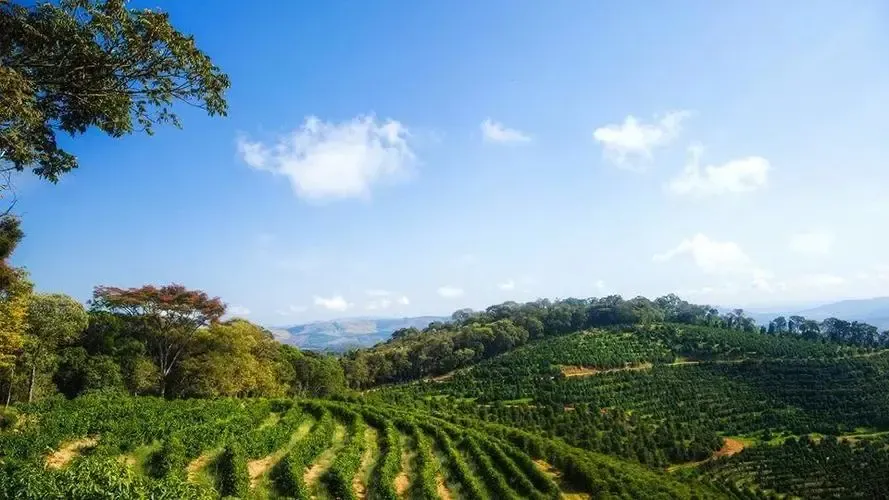
Focusing on the Cerrado region, which is highly regarded by fine coffee enthusiasts, the Red Bourbon variety here, processed with the honey method, exhibits captivating characteristics. Planted at altitudes between 700–1200 meters, the moderate elevation combined with the region’s distinctive dry and wet seasonal alternation allows the coffee cherries to retain more pulp sugar during processing. The typical flavor profile includes the fullness of nuts, the richness of dark chocolate, the smoothness of cream, and the gentle finish of peanuts and caramel, delivering an overall impression that is both deep and harmonious.
For actual brewing, it is recommended to use Cerrado Red Bourbon beans roasted to a medium-light to medium level. When using a pour over device, pay attention to the following parameters: grind size should be medium-fine (similar to medium-fine sugar), set the coffee-to-water ratio at 1:15, and control water temperature at 88–90°C. Using a pulse pouring method (for example, first pouring 30% of the water to bloom for 30 seconds, then pouring the remaining water in 2–3 increments) can help achieve even extraction. If using a KONO filter, its unique rib design slows down the water flow rate, further enhancing the expression of a rich mouthfeel. Focus on the nutty aroma and dark chocolate main note upon entry, feel the smooth texture of cream in the mid-palate, and savor the interplay of peanut and caramel notes in the lingering aftertaste.
The above content is compiled by CoffeeHunters, a coffee news website.

