







Introduction:Colombian coffee is renowned for its balanced acidity and sweetness, along with a rich, lingering aftertaste. Its grading classification and washed processing method are key factors that influence its flavor profile. This article delves into the three main grade standards of Colombian coffee beans, export regulations, and how washed processing shapes a clean and bright flavor profile. It also provides practical pour over parameters to help you choose the right coffee beans and master brewing techniques.
As the world’s second-largest producer of Arabica coffee, Colombian coffee beans are known for their mild berry-like acidity, roasted nut aromas, and smooth caramel finish. This well-balanced flavor profile makes it a top choice for many beginners in pour over coffee. Such outstanding quality stems from Colombia’s active volcanic terrain—volcanic ash has created fertile soil rich in minerals, combined with high altitudes and diverse microclimates, all of which nurture coffee beans with complex flavor layers.
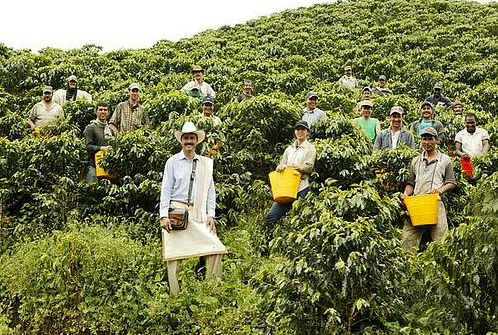
In recent years, with the rise of coffee competitions and improved farmer incomes, Colombian coffee has gradually shaken off its former image as merely commercial-grade beans or espresso blend components. Advances in modern cultivation techniques have also significantly elevated overall quality, making it rare to find subpar products on the market. To truly appreciate the charm of Colombian coffee, one must first understand the secrets behind its grading system and processing methods.
The grading of Colombian coffee beans is primarily based on the size of green beans, screened using specialized sieves (measured in mesh). The main grades are: Supreme (the highest grade), which requires bean size to reach 95 mesh; the EP (European Preparation) grade commonly used in European markets, with a standard of 15 mesh; and the U.G.Q grade, screened at 14 mesh. There are also subdivisions—for example, beans sized at 95 mesh may be labeled as Supreme Premium or Extra. It’s important to note that the commonly seen Excelso is not part of Colombia’s green bean grading system but rather its optimal export grade—any beans meeting specific criteria, regardless of mesh size (including Supreme, EP, U.G.Q), can be classified as Excelso.
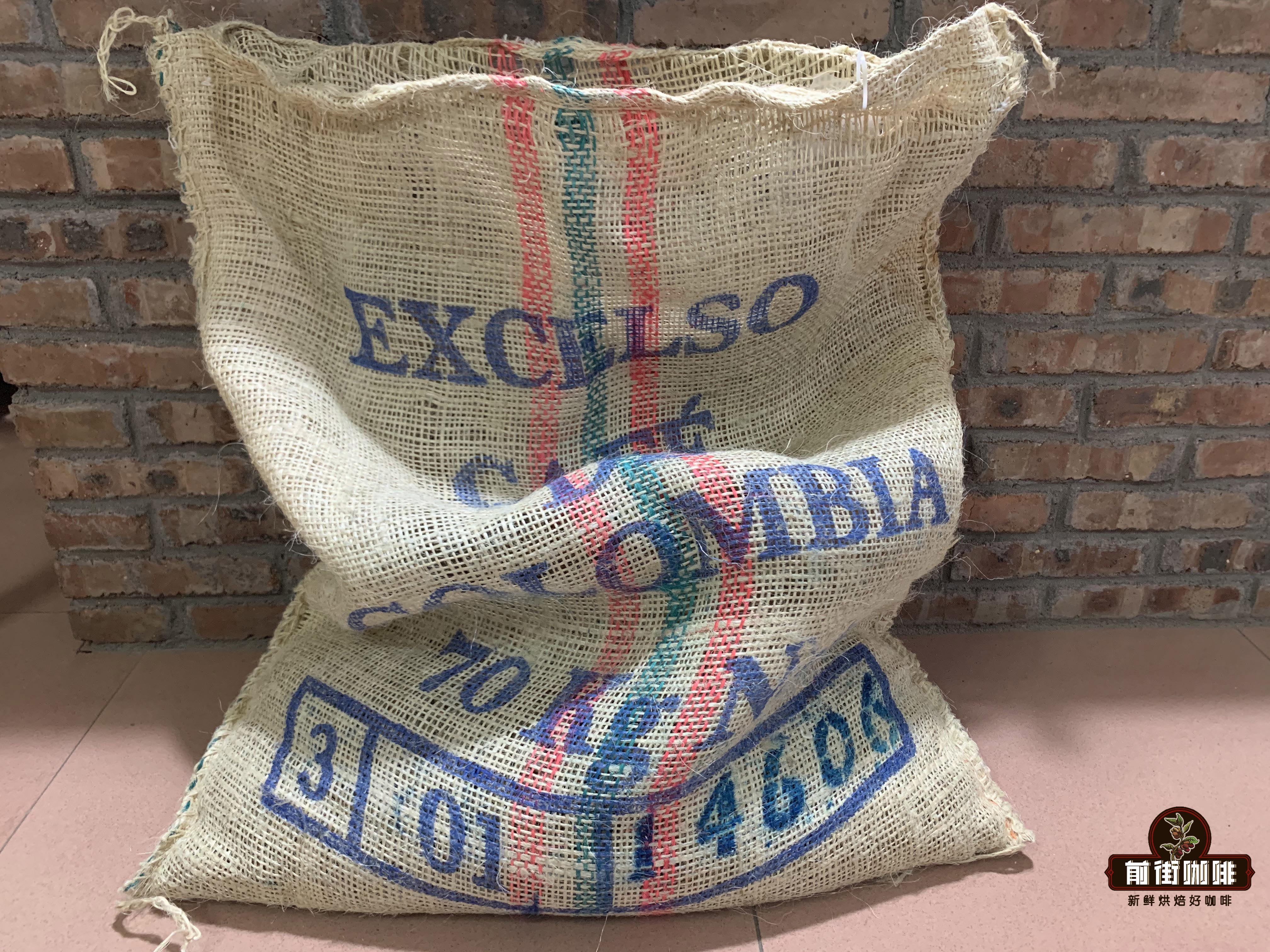
In 2016, the Colombian Coffee Growers Federation (FNC) issued new regulations requiring all exported green beans to meet the Excelso standard. Only then can the packaging display the “EXCELSO - Café de Colombia” label, accompanied by an official Quality Certificate. This is why the term Excelso is so commonly seen on sacks of Colombian coffee sold in the market.
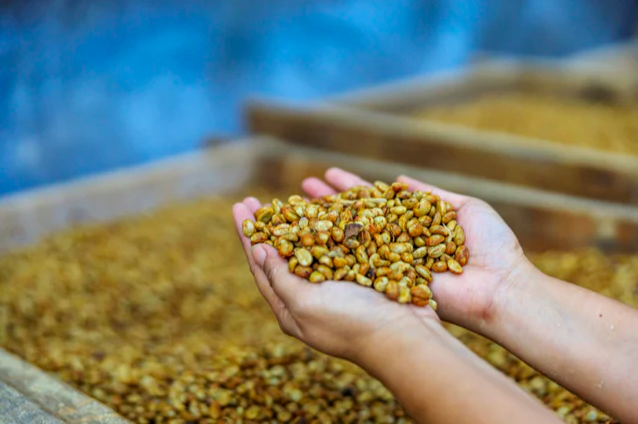
The processing method for Colombian coffee is predominantly traditional washed processing. This approach involves soaking the beans in water tanks to ferment, breaking down the mucilage layer of the coffee fruit while promoting a brighter acidity in the beans. The subsequent short drying process results in a final flavor that is clean and refreshing. It is especially recommended for beginners to try washed coffee beans from the Huila region, which are priced at about 29 yuan per 100g—a cost-effective option for experiencing flavors from different growing regions.
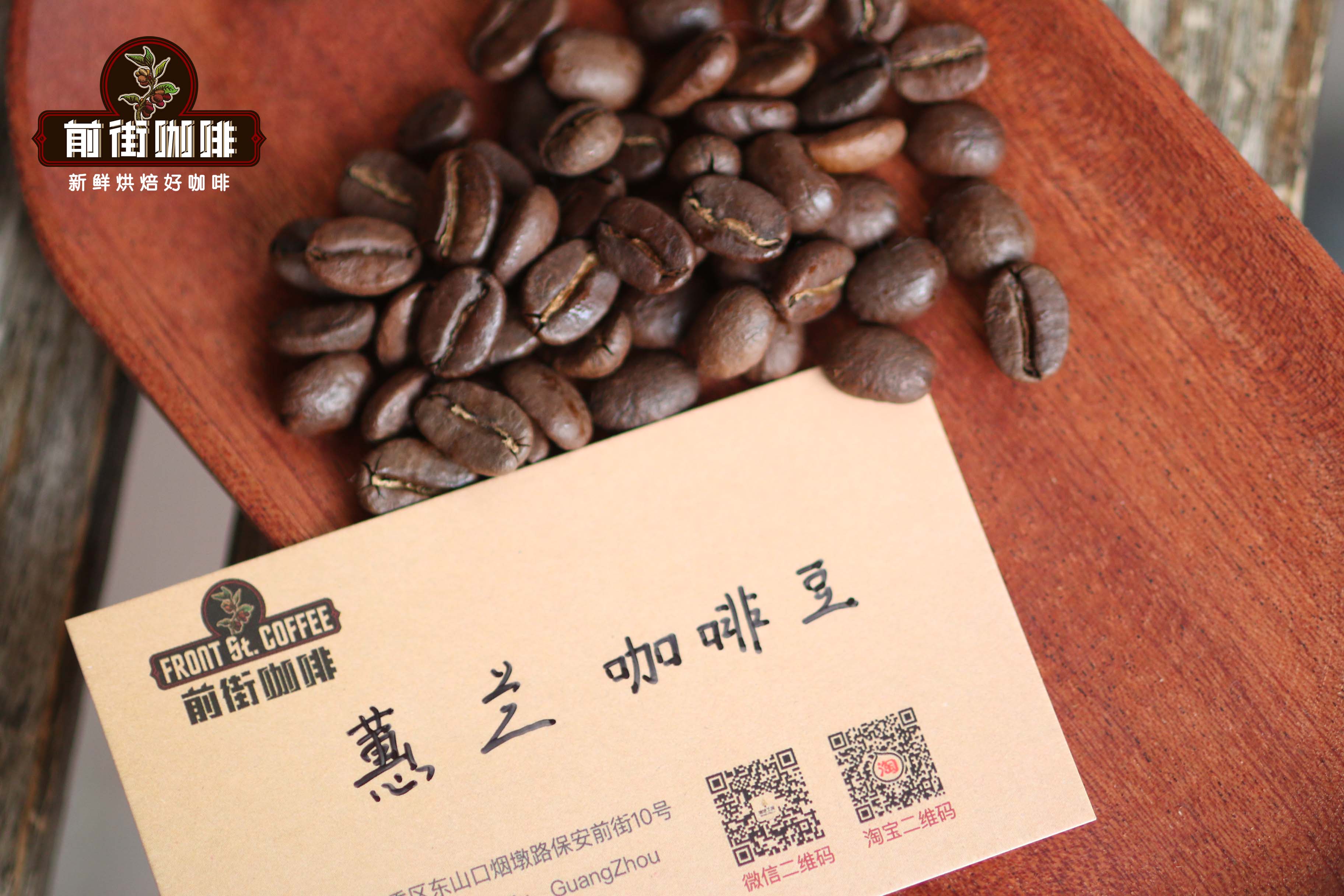
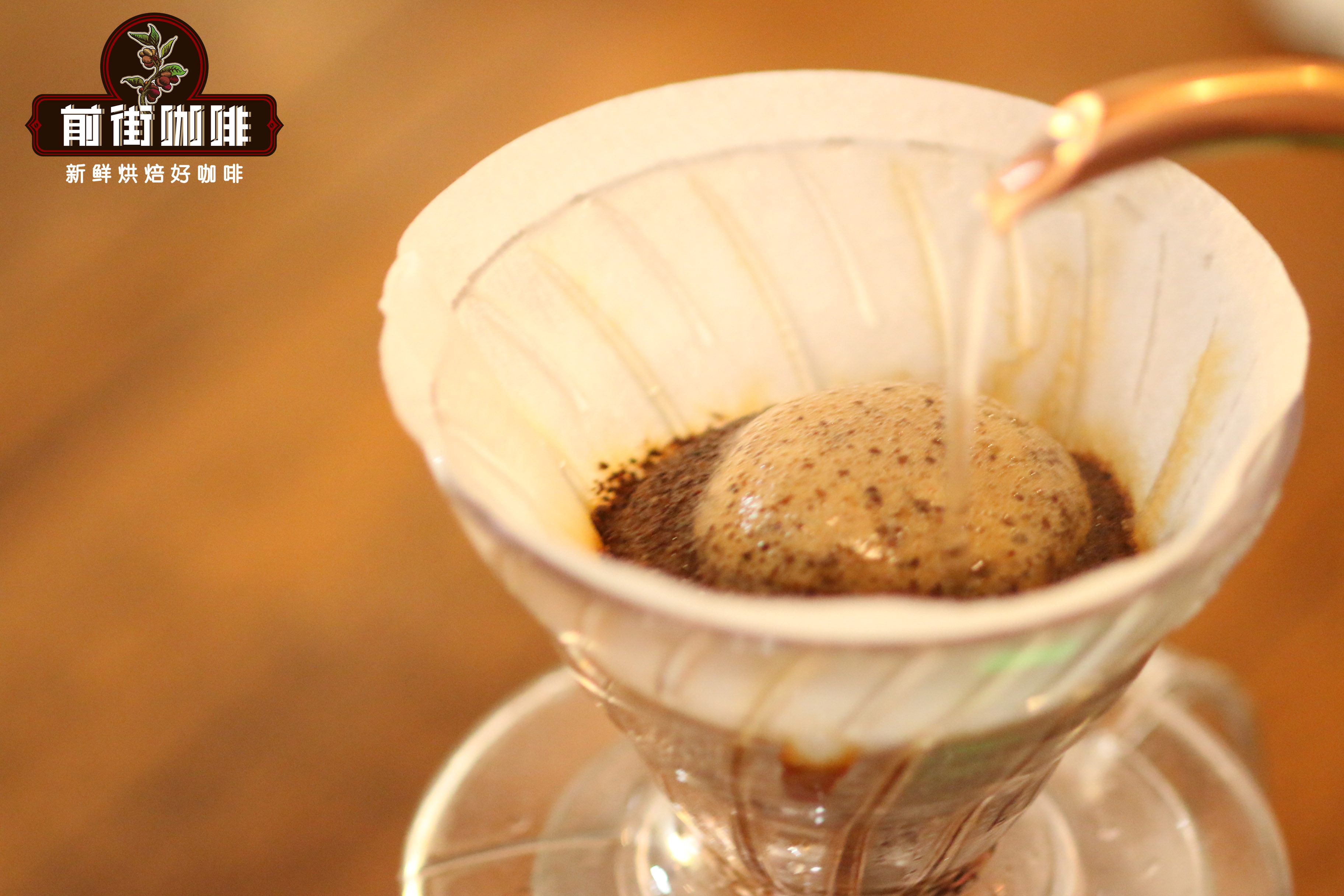
When brewing Colombian washed coffee beans, it is recommended to use a V60 size 01 filter to enhance the layered flavor profile. Prepare 15g of coffee beans, ground to a medium-fine consistency (similar to fine sugar, with about a 75% passing rate through a Chinese standard 20-mesh sieve), and extract with 90°C hot water using a 1:15 coffee-to-water ratio. The specific steps are: first pour 30g of water for a 30-second bloom, then pour in a small circular motion until reaching 125g for the first pour, followed by a pause when the water level is about to expose the coffee bed and continue pouring to 225g, then remove the filter when the water level drops again. The total extraction time is approximately 1 minute and 59 seconds, fully showcasing a flavor spectrum of berries, nuts, caramel, and chocolate.
The above content is compiled by CoffeeHunters, a coffee news website.

