








Introduction:Drip bags are a convenient alternative to pour over coffee for busy modern lifestyles—no special equipment needed to enjoy specialty coffee flavors. This article dives into the brewing essentials of Arabica drip bags, offers beginner-friendly purchasing tips, and recommends practical options based on different flavor preferences to help you find your ideal drip bag and savor a high-value coffee experience.
Drip bags, also known as filter-bag coffee, are a brewing method that combines convenience with quality. They eliminate the hassle of preparing intricate pour over tools or mastering techniques—just hang the filter bag on your cup, pour in hot water, and effortlessly extract a brew close to that of pour over coffee. As a result, they’ve become a top choice for many office workers and coffee newcomers.
Compared to traditional coffee brewing methods, the biggest advantage of drip bags lies in their simplicity and time-saving nature. Moreover, coffee flavor primarily depends on the beans’ inherent quality and processing method, so choosing high-quality Arabica drip bags is key to enjoying delicious coffee.

Once coffee beans are ground into powder, their aroma quickly dissipates, making freshness crucial for drip bags. It’s recommended to consume them within 20 days of roasting to ensure optimal flavor expression. Beyond this period, the coffee’s aroma and complexity noticeably decline, impacting the overall drinking experience.
For consumers new to specialty coffee, it’s advisable to start with everyday-value blends offering good cost-performance, gradually exploring your preferred flavor profiles before diving into single-origin or specially processed premium drip bags.
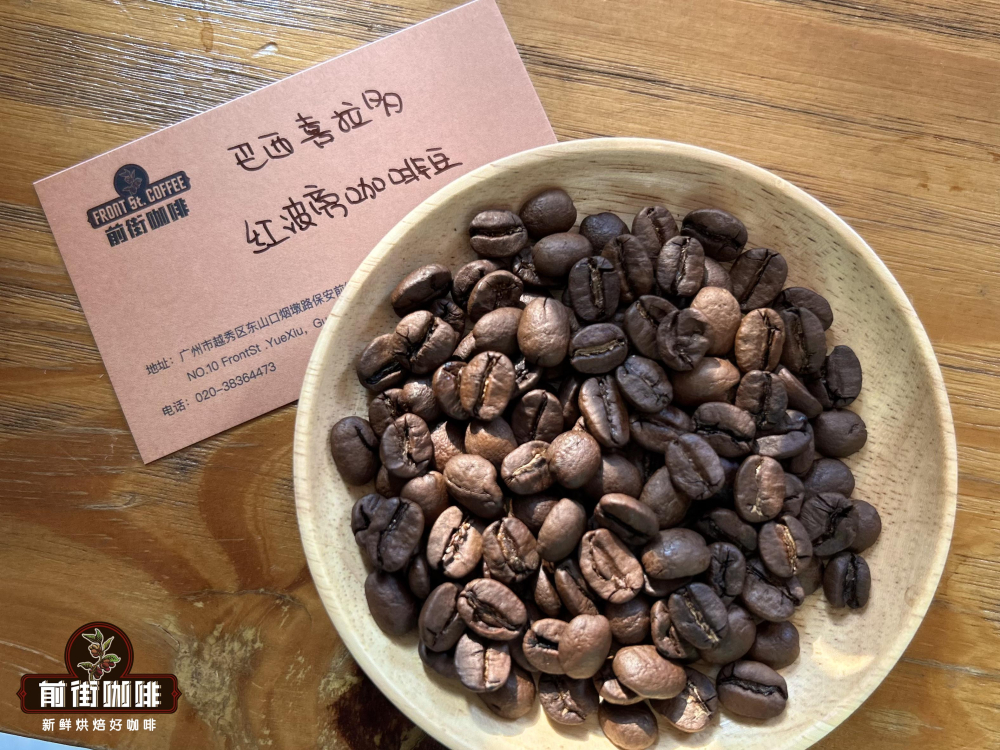
Coffee lovers who enjoy rich and bold flavorscan try moderately roasted options. These typically feature hearty notes like nuts and cream, with low acidity and a full-bodied mouthfeel. For example, Red Bourbon from Brazil’s Cerrado region, medium-roasted, exhibits distinct nuttiness alongside smooth peanut and cream textures—perfect for those who prefer solid, well-rounded flavors.
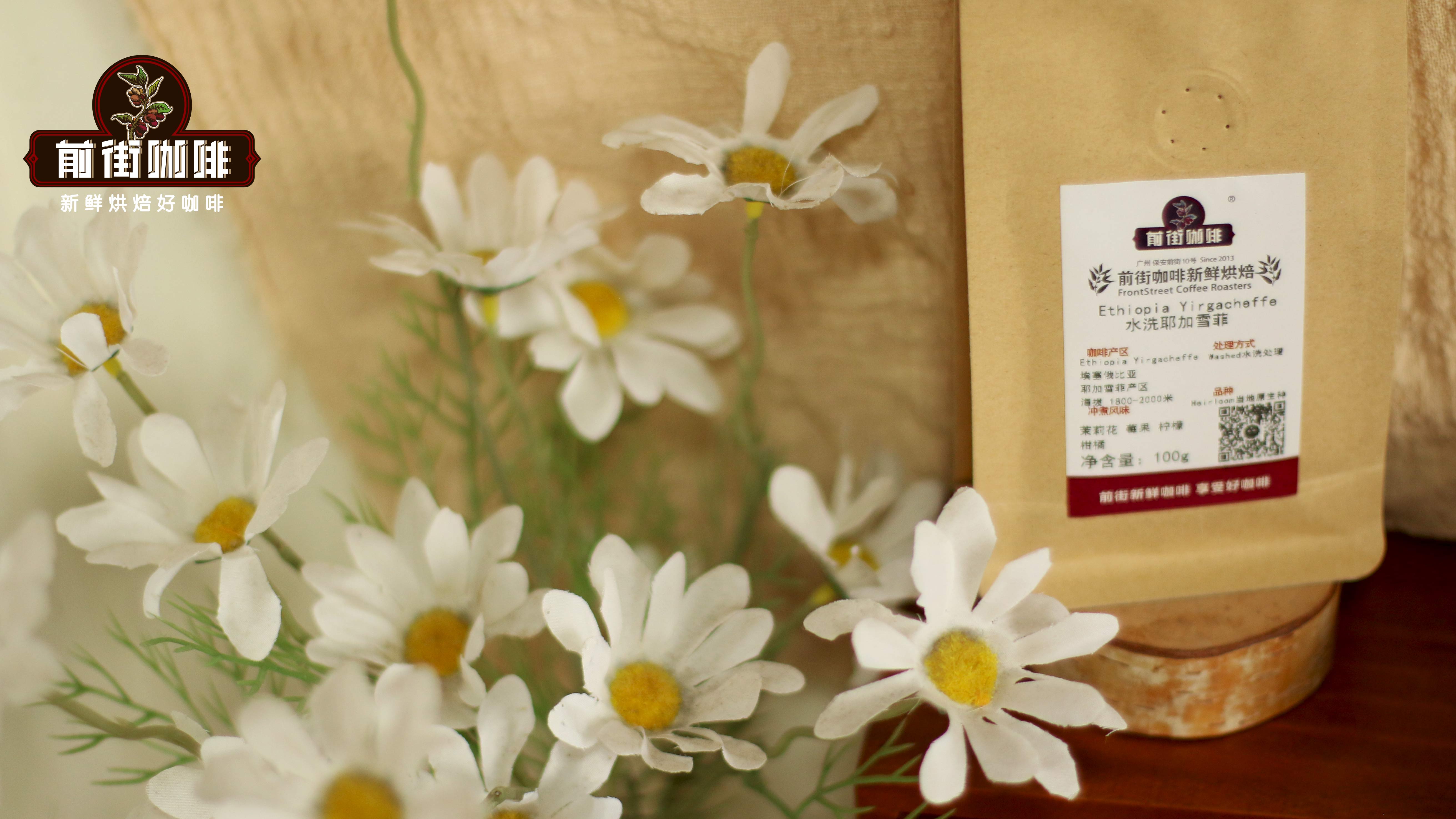
Consumers who prefer bright fruity acidity and floral notescan opt for medium-light roasted Arabica. These often showcase vibrant citrus acidity and elegant floral aromas, delivering a refreshing yet layered taste. For instance, freshly harvested beans from Ethiopia’s Yirgacheffe region, lightly roasted, reveal zesty lemon acidity and pure white floral notes with minimal bitterness—ideal for summer or anyone who enjoys sweet-tangy balance.
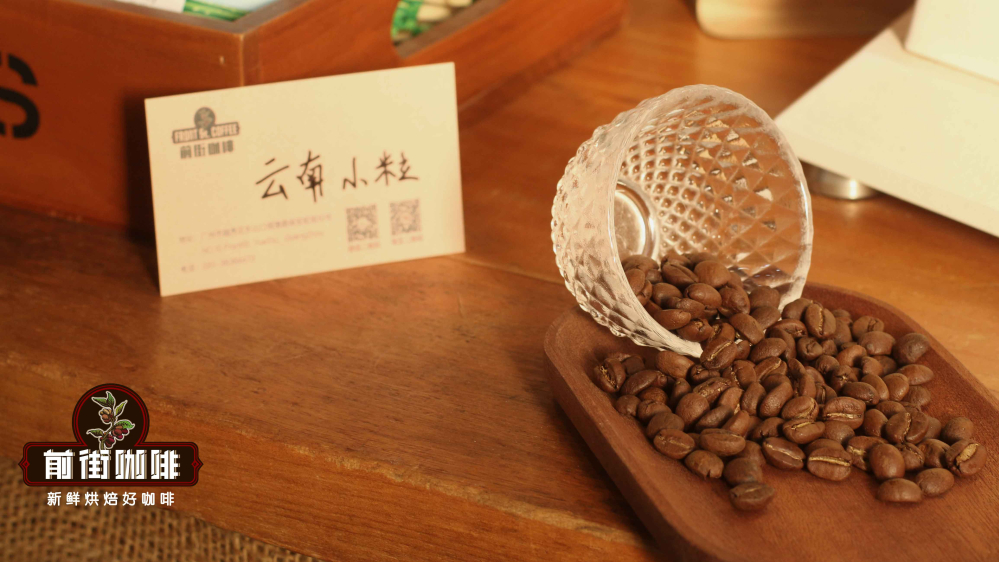
For coffee enthusiasts seekingbalanced flavors and diverse tasting layers,medium-roasted beans blending nutty, chocolatey, and caramel notes are a great choice. Take, for example, small-bean coffee from China’s Baoshan region in Yunnan, meticulously medium-roasted to offer gentle nuttiness and herbal undertones alongside a sweet finish of chocolate and caramel. With moderate acidity and pronounced aftertaste, it suits most palates.
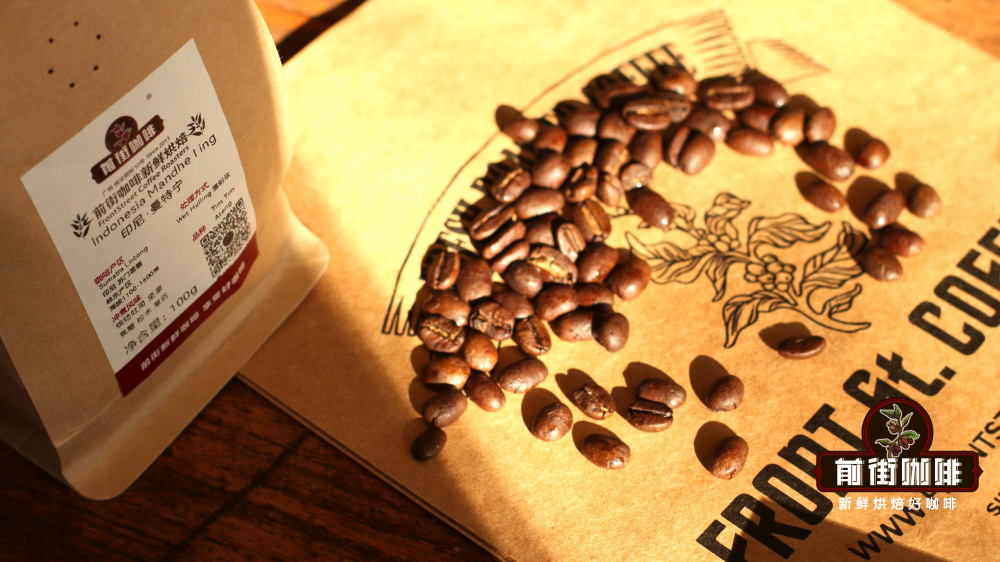
For thoseunaccustomed to coffee acidity or preferring bold, heavy-bodied flavors, medium-dark roasted Sumatra Mandheling is an ideal pick. These coffees often present intense dark chocolate, cocoa, and spice notes, with a thick yet clean mouthfeel and a lingering finish of sweet aftertaste and woody tones—perfect for deep-roast fans or situations where a caffeine boost is desired.For consumers who prefer a rich and full-bodied taste, medium-dark roasted Sumatra Mandheling coffee is an ideal choice. This type of coffee typically exhibits intense flavors of dark chocolate, cocoa, and spices, with a robust yet clean body, and a long-lasting aftertaste featuring sweet notes and woody undertones. It is highly suitable for those who enjoy dark roast coffee or need a caffeine boost in their drinking occasions.
The above content is compiled by CoffeeHunters, a coffee news website.


