







Introduction:Why is it that when drinking pour over coffee, some people taste citrusy acidity and sweetness, while others only perceive plain sourness and astringency? In fact, appreciating coffee flavors relies not just on the taste buds but is also closely tied to the sense of smell. This article will break down in simple terms where the acidity and bitterness in coffee come from, helping beginners build a solid foundation in flavor evaluation, and learn how to combine smell and taste to gradually identify common flavor descriptors such as citrus and dark chocolate, thereby enhancing the overall coffee tasting experience.
"How do you detect citrus notes in coffee?"
Many people, when first trying pour over coffee, are surprised—and even puzzled—by how professionals can accurately describe specific flavors like "citrus," "berries," or "caramel." Some even wonder, "I can only taste sour or bitter; where do all these details come from?" Some go so far as to say that such flavor descriptions are just marketing jargon.
This reaction is actually quite similar to what many beginners experience when they first hear terms like "nutty" in wine tasting. In truth, our perception of coffee flavors does not rely solely on taste,but most flavor detection comes from our sense of smell, especially retronasal olfaction..

When we have a cold and our nose is congested, although we can still sense the sourness or bitterness of coffee, it becomes very difficult to discern specific flavor layers, such as the fresh, tangy aroma of citrus. This is because flavor molecules need to travel through the nasal passages, and when nasal mucosa is swollen due to a cold, this ability is greatly diminished.
Additionally, the sense of smell is divided into "orthonasal olfaction" and "retronasal olfaction."Orthonasal olfaction is the aroma you perceive when you directly smell coffee grounds or the steam rising from hot coffee,such as the nutty or caramel-like scents after roasting;retronasal olfaction occurs when you sip the coffee, and the steam and aromas travel up through the back of your throat into your nasal cavity, creating a richer flavor sensation.This is also the source of what we often refer to as the flavors we "taste."
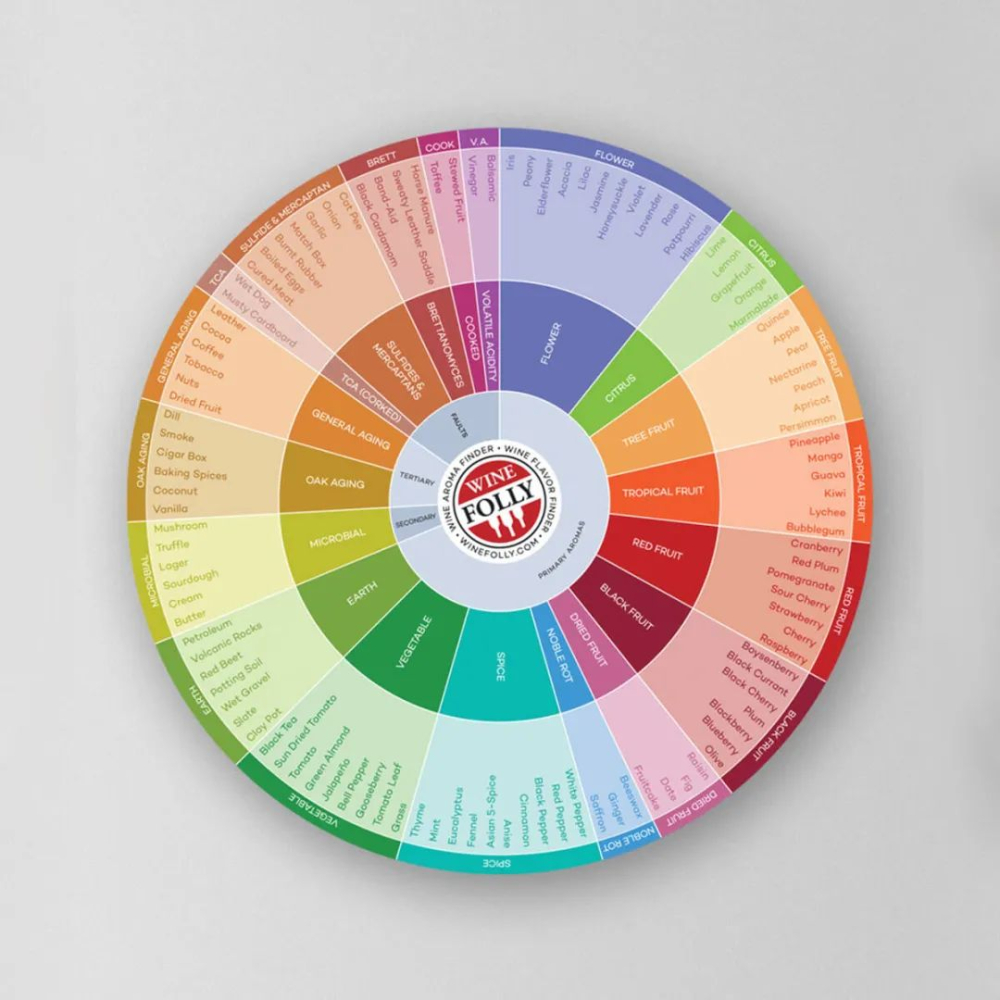
To enhance your sensitivity to coffee flavors, building a "flavor memory bank" is a crucial step. This involves accumulating everyday sensory impressions of various fruits, nuts, chocolates, and other foods through smell and taste. For example, when you peel an orange or lemon, that fresh, slightly acidic aroma serves as a reference point for the "citrusy profile" you might taste in coffee.
It’s recommended that you try different types of fruits, such as green lime, yellow lime, orange, mandarin, pomelo, and grapefruit, by comparing their acidity levels, aroma intensity, and aftertastes to train your ability to discern subtle differences.You can also buy several fruits with similar flavor profiles and conduct blind taste tests, which helps deepen your memory and judgment skills..

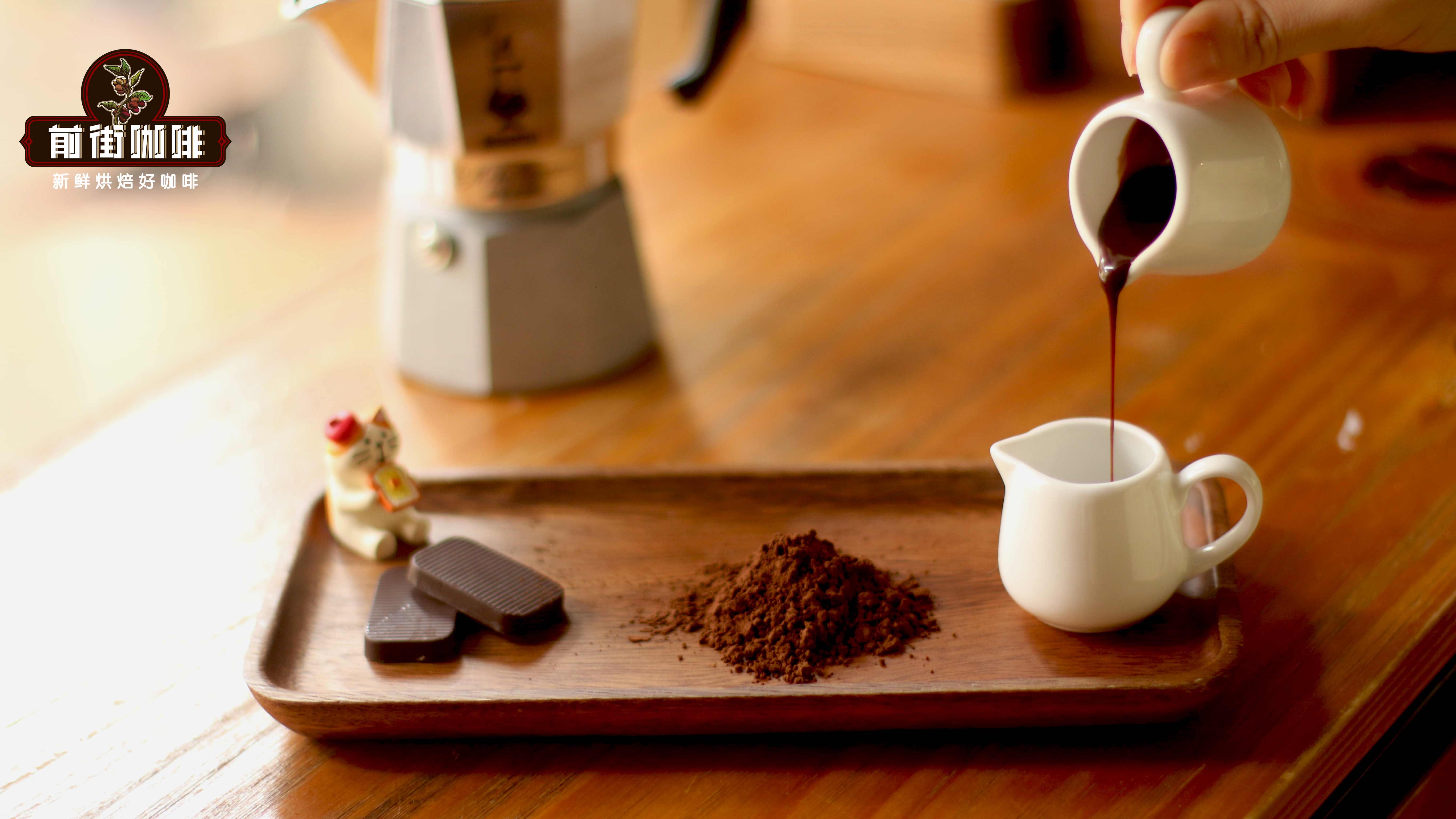
However, it’s also important to note that some commonly used flavor descriptors differ from their everyday interpretations. For instance, when many people hear "dark chocolate," they often picture a sweet, milk-containing chocolate bar. But in the coffee flavor wheel, "dark chocolate" usually refers to high-concentration pure chocolate with a cocoa contentof 70% to 99%,which is characterized by a prominent bitterness with subtle acidity, and is entirely different from the common milk chocolate found in stores.
Similarly, descriptors like "cherry blossom," "watermelon," or "blackcurrant" (also known as cassis) can also lead to misunderstandings. In reality, cherry blossom has a very faint scent, and many food products claiming cherry blossom aroma actually simulate that impression using flavoring agents, differing significantly from real cherry blossoms. The taste and aroma of watermelon and blackcurrant-flavored gum also differ markedly from the actual fruits.
Therefore,when you encounter these flavor terms while evaluating coffee, it’s advisable to first clarify their professional definitions to avoid confusing them with everyday foods,so you can more accurately understand and perceive the flavor characteristics described by baristas or on product labels.

In summary, being able to discern delicate flavors like citrus, berries, honey, or chocolate in pour over coffee is not something that happens overnight. In addition to mastering basic brewing parameters such asgrind size, water temperature, coffee-to-water ratio, and brew time,it’s even more important to develop your olfactory memory and taste sensitivity. Through systematic training and daily observation, you too can gradually master the language of coffee flavor description and further enjoy the diverse layers and pleasures of pour over coffee.
The above content is compiled by CoffeeHunters, a coffee news website.


