







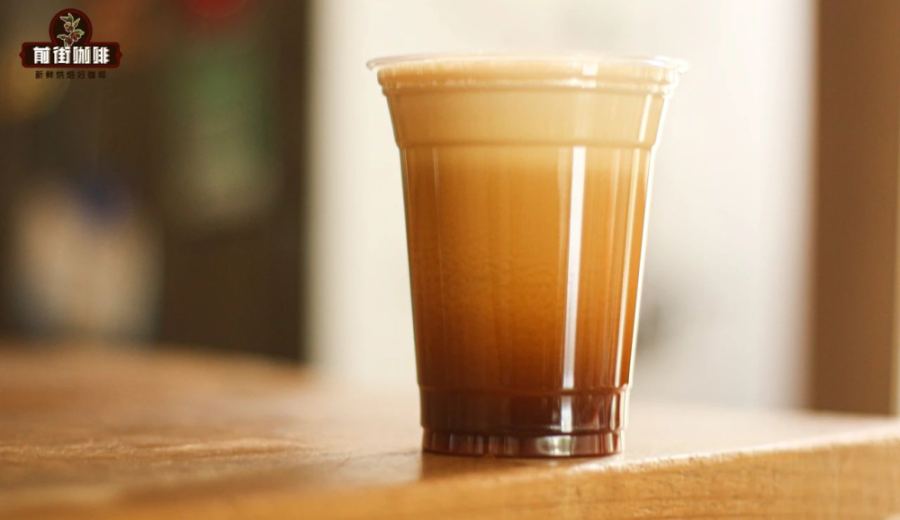
Introduction:Americano is one of the most common types of black coffee, beloved by many whether served hot or iced. But do you know the subtle differences in taste, flavor, and brewing methods between hot and iced Americanos? This article will delve into the principles behind making an Americano, the truth about its calorie content, recommended coffee-to-water ratios, and compare flavor profiles at different temperatures — helping you find your ideal way to enjoy coffee.
In modern life, coffee has become an indispensable beverage for many people, whether to boost energy, complement meals, or simply enjoy its rich aroma. As one of the most common forms, Americano is made by diluting espresso with water — retaining the purity of black coffee while offering diverse possibilities for variation.

When it comes to Americano, many people think of the delicate nuances of pour over coffee or the bold intensity of espresso. However, it actually sits somewhere in between, with a relatively refreshing taste and suitability for drinking in larger quantities. Some even refer to Americano as drip-style black coffee, though such black coffee typically refers to manually or machine-brewed coffee without added milk or other flavorings.

The name “Americano” originates from World War II, when American soldiers, aiming to consume more caffeine with limited resources, diluted espresso with hot water so they could drink twice the amount in one go. Therefore, what we now call Americano usually refers to black coffee made by adding a large amount of hot water to espresso, or directly brewed using a drip coffee machine.
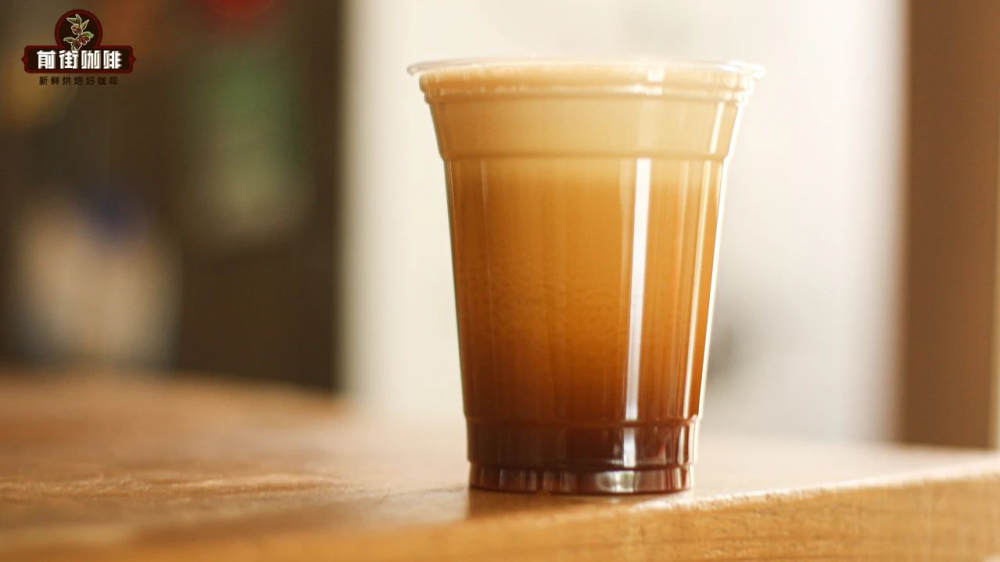
Many coffee enthusiasts often wonder: which tastes better, iced or hot Americano? In fact, there are clear differences in brewing methods and final flavor presentations. Hot Americano is made by diluting espresso with hot water — it’s quick and easy to prepare, usually tasting crisper and slightly sweet, with a more straightforward flavor profile. Iced Americano, on the other hand, is made by adding ice cubes and cold water to freshly extracted espresso. Due to the cooling process, which causes the evaporation and transformation of aromatic compounds, the overall flavor tends to be more restrained, featuring a unique balance of acidity and sweetness.

In terms of specific flavor comparison, iced Americano, affected by the cooling process, tends to have more pronounced smoky aromas, relatively milder acidity, but an overall lighter taste experience. Hot Americano, however, can showcase a fuller range of flavors brought out by coffee oils and caramelization reactions — such as a mildly bitter yet rounded sweetness, along with more distinct notes of nuts, cocoa, and spices. Moreover, hot drinks allow you to perceive the full evolution of flavors as the coffee cools down, whereas cold drinks are better suited for hot weather, delivering a refreshing and invigorating sensation.

From a calorie perspective, both iced and hot Americanos have negligible calorie content. This is because their main components are espresso and water — neither of which contains significant calories. Therefore, whether you choose to dilute with hot or iced water, it will not affect your overall calorie intake. Some assume that iced drinks dilute calories because of the ice, but the impact is minimal. The key factor lies in the ratio of coffee to water.
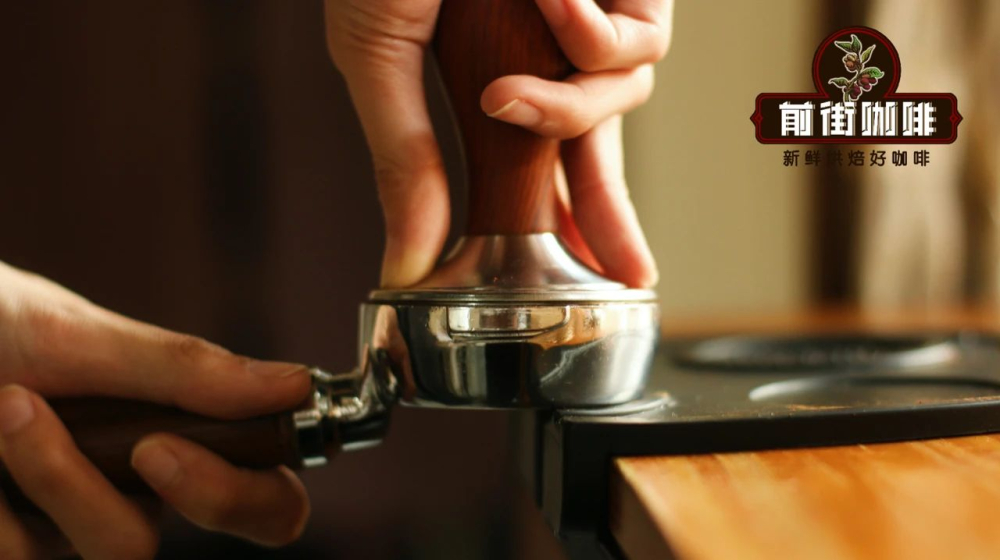
When making Americano, the process generally consists of two steps: first, extracting the espresso, which plays a decisive role in the overall flavor; then, based on personal taste preferences, diluting the espresso with water at a specific ratio. A common coffee-to-water ratio is 1:8, but this can be adjusted according to the characteristics of the coffee beans and individual preferences — for example, a 1:6 ratio can produce a bolder taste and richer aftertaste, especially suitable when using dark roast or blended beans.

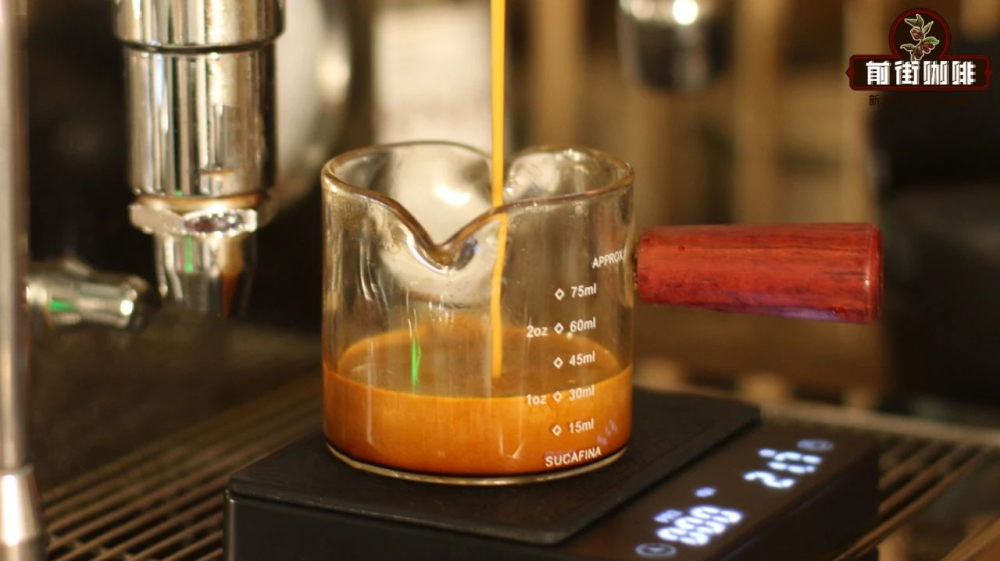
In practical operation, the parameters used for extracting espresso are also crucial. For instance, using an extraction pressure of 9 bar, controlling the water temperature at around 93°C, and extracting 40 grams of coffee liquid in 20–30 seconds can yield a stable and well-balanced espresso base. Whether using a single shot (12 grams of coffee grounds, yielding 20 grams of liquid) or a double shot (20 grams of coffee grounds, yielding 40 grams of liquid), the subsequent dilution ratio can be adjusted according to your needs.
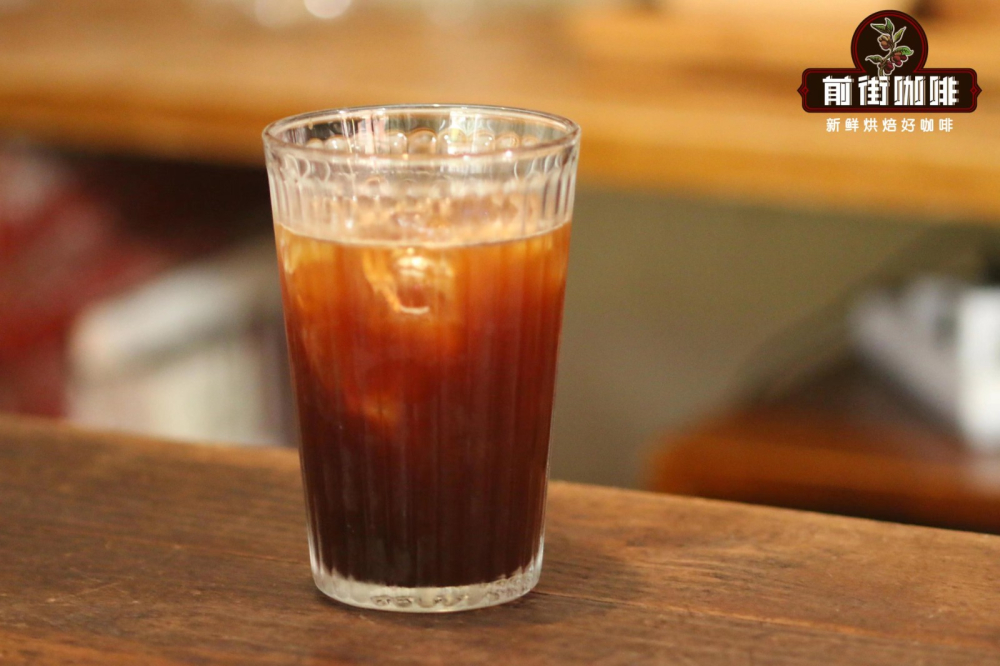
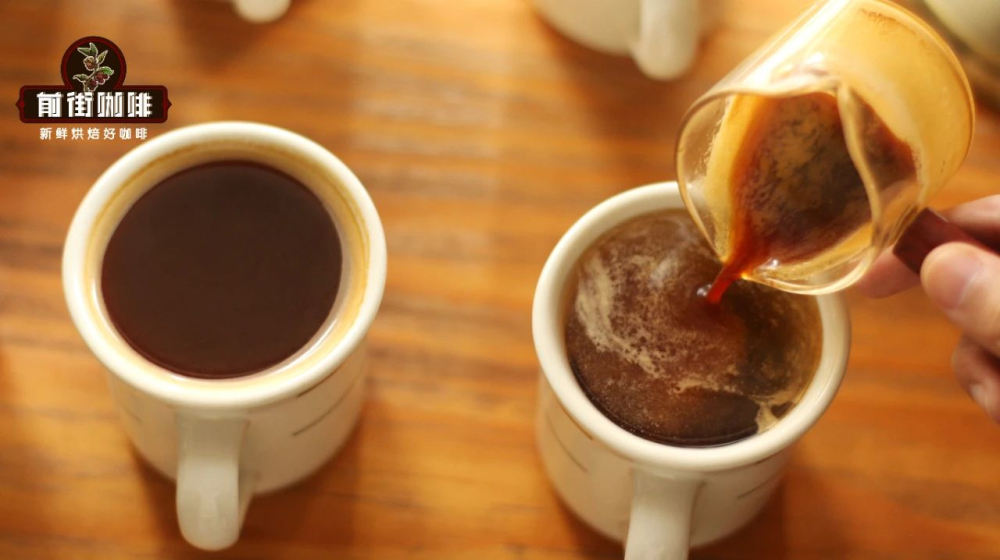
Once the espresso has been extracted, the next step is to mix it with water or iced water. For hot Americano, it is recommended to use near-boiling hot water (around 90–96°C) for dilution, with the ratio adjustable between 1:6 and 1:8 depending on your taste preference. For iced Americano, the espresso can be poured directly into a cup containing ice cubes and iced water — the proportion of iced water and ice cubes can be freely adjusted. The higher the proportion of iced water, the lighter the overall flavor will be, but it will retain a cool and refreshing mouthfeel.

Additionally, Americano served at different temperatures also varies in aroma expression. Hot Americano, due to the high temperature, can release more volatile aromatic compounds, resulting in a more expressive aroma, with less noticeable acidity and flavors that highlight hazelnuts, caramel, and dark chocolate. Americano at room temperature has a more subdued aroma, gentler acidity, and a smoother mouthfeel. Iced Americano, affected by the low temperature, has the least active aroma, but the acidity is the most pronounced — often delivering a bright, berry-like tartness with hints of wine, and an aftertaste that may reveal layers of chocolate and nuts.
In summary, whether you prefer the rich and full-bodied taste of hot Americano or the refreshing and energizing qualities of iced Americano, you can find your ideal coffee combination by adjusting brewing parameters and coffee-to-water ratios. Understanding these details can also help you appreciate the craftsmanship and science behind each flavor when savoring your coffee.




The above content is compiled by CoffeeHunters, a coffee news website.


