








Introduction:Want to know which coffee beans are best for iced and hot Americanos? What are the flavor differences between espresso blends and single-origin beans? This article takes an in-depth look at common bean choices for American-style coffee, extraction parameter settings, and offers practical brewing tips for both iced and hot versions, along with detailed tasting steps to help you better understand the Americano in your hand.
The basic method of making an Americano is diluting espresso with hot or iced water, so the base coffee beans chosen often determine the final flavor direction. A common choice is to use dark-roasted espresso blends, but is this the only option? Can other flavor-profile beans also showcase different characteristics? The following will guide you step by step—from types of coffee beans, suitable formulas for iced and hot versions, practical extraction parameters, to how to correctly taste and evaluate—helping you gain a deeper understanding.

Common Americano beans can be broadly divided into two categories: blended coffee beans and single-origin espresso beans (SOE, Single Origin Espresso). Blended beans are typically made by combining two or more types of coffee beans, aiming to merge characteristics from different regions and compensate for potential flavor flaws of a single bean variety, such as insufficient aroma, overly sharp acidity, or lack of body. On the other hand, SOEs emphasize the unique features of a single origin, showcasing distinctive floral, fruity, caramel, or herbal notes of that specific region. However, if the beans themselves are not stable in quality, their flaws can also become more apparent.

The composition of blended beans emphasizes balance and complementarity. It is generally recommended to base the blend on three types of coffee beans, not too many, otherwise the flavor layers may become muddled and lose focus. For example, if one bean has a smooth mouthfeel but a light aroma, it can be paired with another bean that has a prominent aroma and bright flavors. By adjusting the proportions reasonably, a more layered drink can be created.
As for SOEs, their appeal lies in their ability to faithfully present the unique personality of a particular region—for instance, the citrus and floral notes of Ethiopia, or the nutty and chocolatey tones of Central and South America. If you have a strong preference for the flavors of a specific origin, choosing an SOE allows for a more direct experience of that region’s terroir. However, this also places higher demands on the quality of the beans themselves and the roasting technique, so the price is usually slightly higher than that of typical commercial blends.

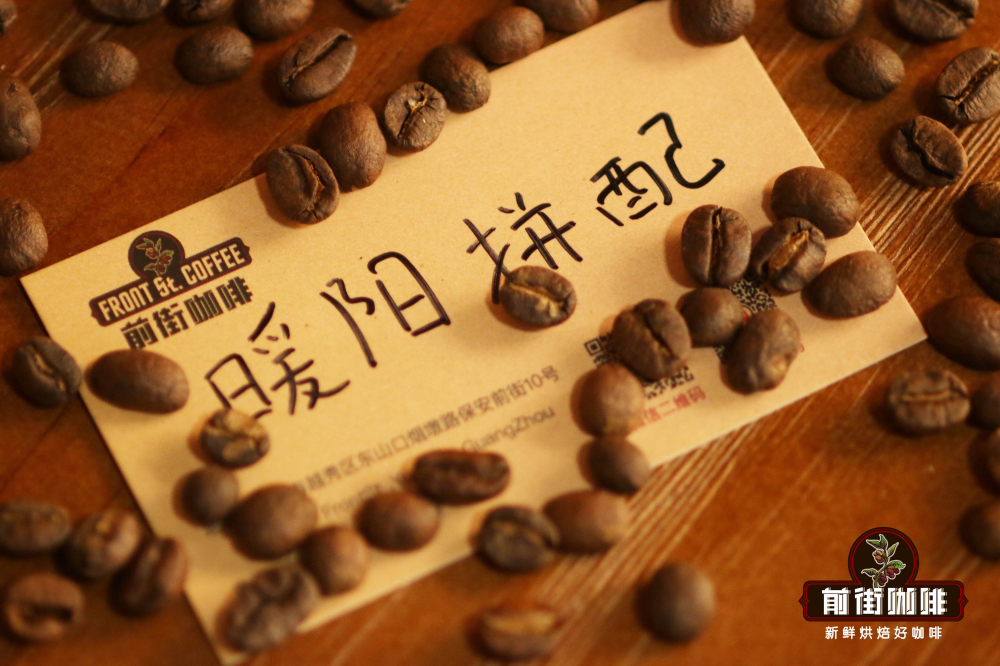
Next, let’s take a look at several actual blends used to make Americanos, as well as their performance under different brewing methods. First, take the Sunflower Warmth Blend as an example, which combines Honduran Sherry and Yirgacheffe Red Cherry. This bean highlights bright fruity acidity and berry notes, with a hint of wine-like aroma and a rich chocolatey finish, and a clear aftertaste. For a hot Americano, it is recommended to use a double shot of coffee (about 18 grams, with an allowable ±1 gram margin of error), extracting 36 grams of coffee liquid, with a time controlled at around 28 seconds, then pouring it into a 200 ml cup pre-filled with hot water. If you prefer a stronger taste, you can reduce the amount of water added; if you want a lighter flavor, you can appropriately increase the water volume.
If you prefer a rich and full-bodied mouthfeel, you can choose a formula similar to commercial blends. These blends often mix Colombia, Brazil, and a small amount of Robusta to bring out caramel sweetness, nuttiness, and dark chocolate flavors, with overall balanced acidity and sweetness, and a mild, slightly bitter aftertaste. The brewing recommendation for an iced Americano is the same as above: 18 grams of coffee to extract 36 grams of concentrated liquid, maintaining a 28-second brew time, then pouring it into a 330 ml cup already filled with ice cubes and water, allowing the coffee to gradually cool while blending with the ice water to produce a smoother mouthfeel.


For readers who prefer a balanced flavor profile and do not want it to be overly acidic or heavy, a premium blend is an ideal choice. This formula, mainly based on Colombian and Brazilian beans, features a soft, mildly acidic taste with natural sweetness and a nutty aftertaste. The overall presentation is mild, without strong stimulation, and has a medium level of crema, suitable for most people's palates. The brewing parameters are also 18 grams of coffee, 36 grams of coffee liquid, and a 28-second extraction. It is suitable for both iced and hot versions; you just need to adjust the water volume or the proportion of ice according to personal preference.


Overall, the three blends each showcase different flavor tendencies: readers who enjoy bright fruit acids and lively aromas may prioritize fruit-acid-oriented blends; those seeking rich, bold flavors with chocolate and nut profiles are advised to go for full-bodied blends; if you prefer a gentle and balanced taste without being overly intense, neutral and balanced blends are more appropriate. No matter which type, as long as you master the extraction parameters and brewing methods, you can bring out the best of that particular bean.

Finally, there is also an art to tasting an Americano. First of all, don’t rush to drink it all in one go. It is recommended to follow the steps below to fully appreciate the layers and details of the coffee. The first step is to smell: bring your nose close to the rim of the cup and catch the aromas released by the coffee—this is often the first step in judging the flavor direction. The second step is to observe the color: look at the shade of the coffee, which should ideally be a deep brown, rather than completely black and lacking in nuance. The third step is to taste: take a sip of the black coffee and pay attention to the balance of its acidity, sweetness, and bitterness. The coffee should have a touch of acidity, sweetness, and moderate bitterness, but should not taste astringent. It is recommended to take small sips, letting the coffee sit in your mouth briefly, mixing with saliva and air before swallowing, which helps you more fully perceive the subtle flavor details.


The above content is compiled by CoffeeHunters, a coffee news website.


