







Introduction:Americano is a staple daily coffee for many, but do you know its history, correct brewing methods, and caffeine content? This article delves into the origins of Americano, its differences from espresso, common brewing techniques (such as drip and American-style brewing), and the approximate caffeine content in each cup. Additionally, it explores both the benefits and potential drawbacks of drinking Americano, along with flavor descriptions and drinking suggestions to help you better understand this classic black coffee.
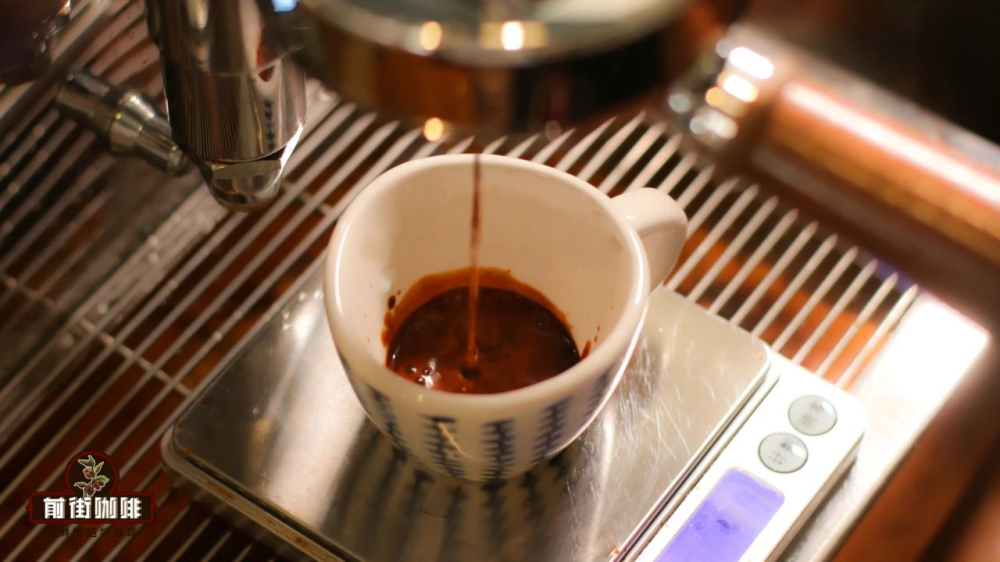
Americano, known in English as Americano, is a coffee beverage made by diluting espresso with hot water. Many people who are new to espresso-based drinks are curious about the existence of Americano. In fact, Americano can be considered a “diluted version” of espresso, not only offering a fresher flavor but also being more suitable for everyday consumption. The most common method today involves adding an appropriate amount of hot water to one or two shots of espresso to adjust the concentration and taste.
The history of this drink dates back to World War II. At that time, American soldiers stationed in Europe missed the drip-filtered black coffee from home, so they diluted the local espresso with hot water to mimic the flavor of American coffee. Although this adjustment was questioned by some Europeans—and even jokingly called “jus de chaussette” (meaning “sock juice”) by the French—it eventually became widely popular and is now one of the most consumed forms of coffee globally.
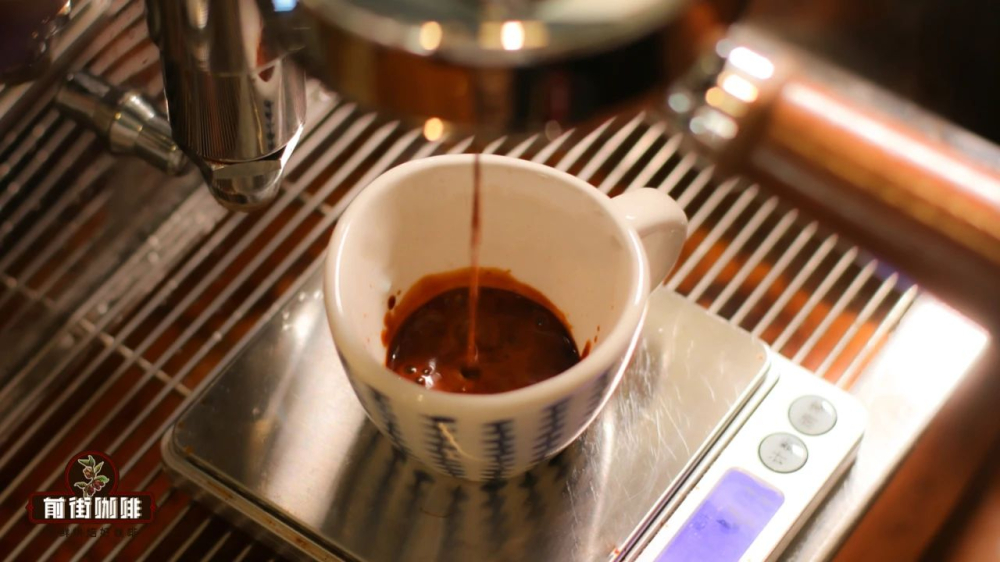
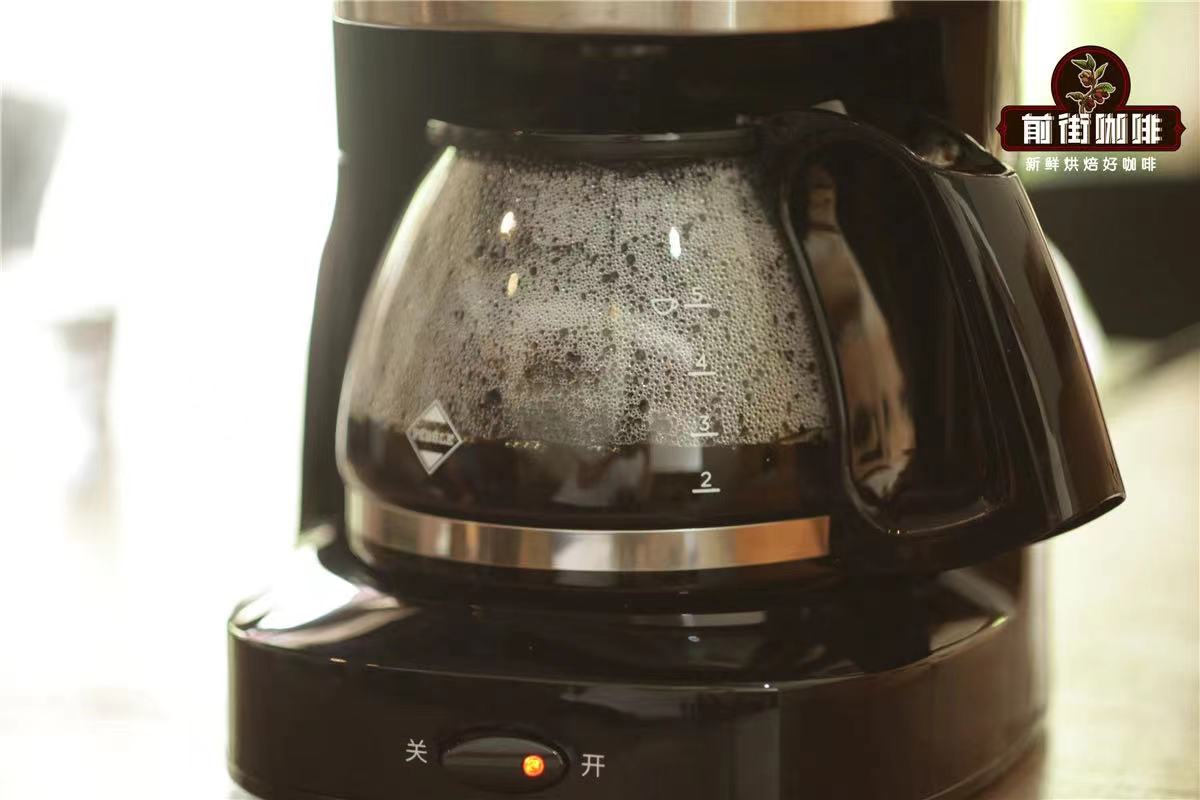
There are roughly two ways to brew Americano: one is to use a drip coffee machine to brew straight black coffee, and the other is to add hot water to espresso. The latter is the most mainstream method today, as it not only allows for easy control of concentration but also retains the original aroma and layered complexity of espresso. Either way, Americano has a milder taste compared to espresso, making it suitable for those who are not accustomed to the strong stimulation of coffee.
Caffeine Content:A standard cup of Americano (made with one shot of espresso, about 30 ml, and diluted with hot water to 240 ml) contains approximately 95 to 150 milligrams of caffeine, though the actual amount may vary slightly depending on the type of coffee bean, roast level, and brewing time. If made with a double shot of espresso (60 ml), the caffeine content may be higher, reaching over 200 milligrams, which those sensitive to caffeine should be particularly mindful of.
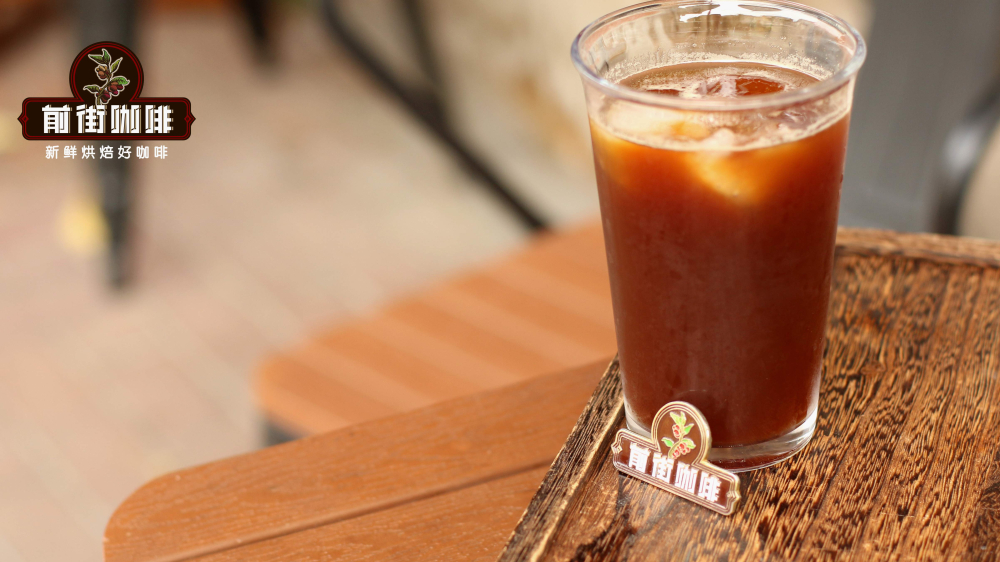
Interestingly, the preparation of Americano varies slightly by region. For example, in Australia and New Zealand, locals often refer to water-added Americano as “long black.” This method typically involves pouring hot water first and then adding the espresso to preserve more crema (the coffee’s oily layer), which is said to deliver a richer aroma. In the United States and most other countries, however, the more familiar version is made by adding water to espresso.
When it comes to the flavor of Americano, it is greatly influenced by the type of coffee beans used and their roast level. Light-roasted beans often exhibit pronounced floral and fruity aromas with bright acidity—for instance, common Ethiopian beans frequently offer refreshing notes of lemon and berries, appealing to those who enjoy complex and layered flavors. However, under-roasting may lead to overly sharp or grassy tastes, so it’s important to choose beans from reliable sources.

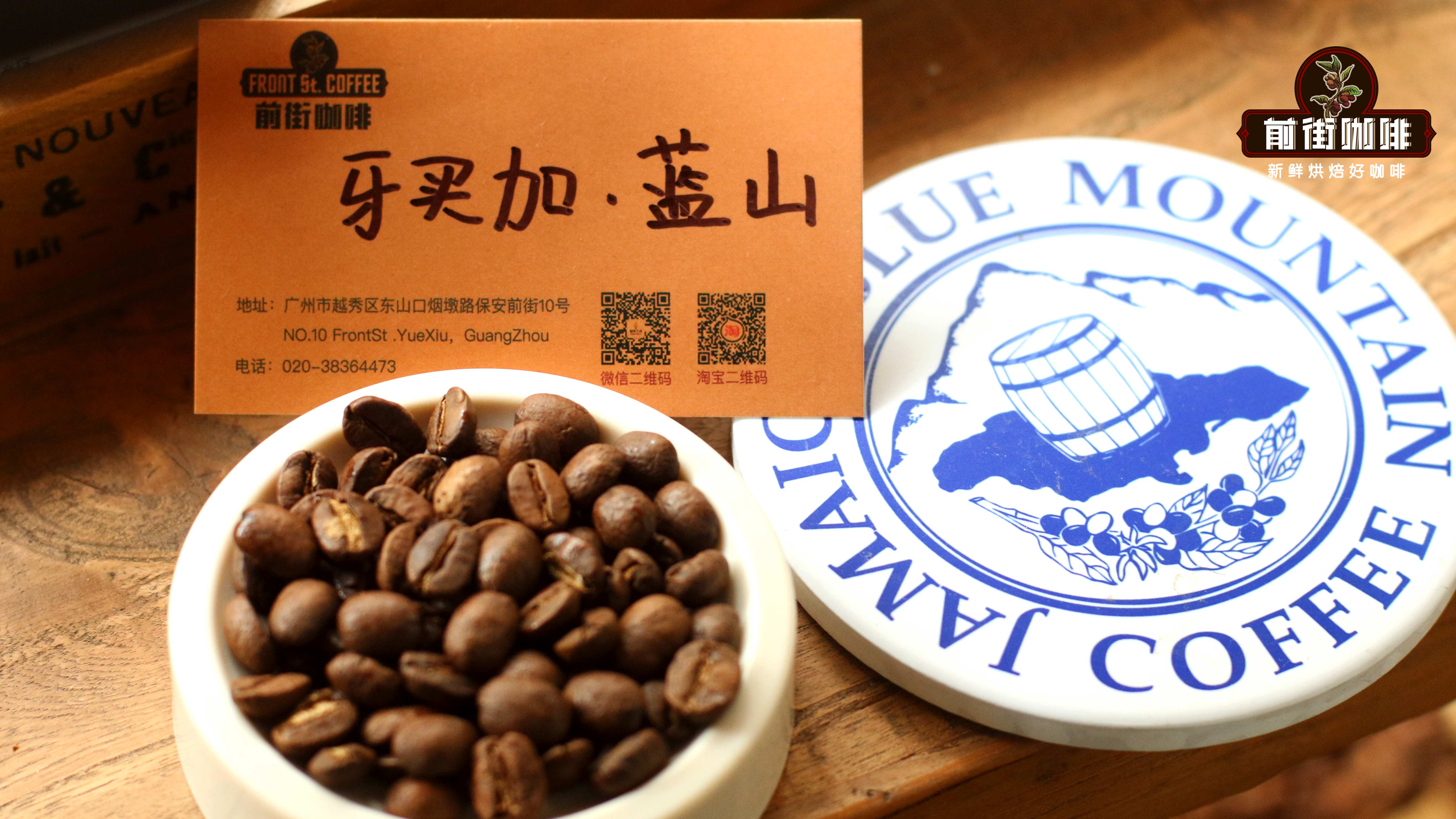
Medium-roasted coffee emphasizes balance, with moderate acidity and bitterness, often featuring notes of nuts, caramel, and chocolate—suitable for most palates. For example, Blue Mountain coffee is primarily medium-roasted, delivering a smooth and gentle taste, making it ideal for Americano. Dark roast, on the other hand, highlights intensity and richness, commonly found in Indonesian beans or specific Latin American regions, often showcasing complex flavors such as chocolate, smokiness, and even spices—preferred by those who enjoy bolder profiles.
Many cafés use their own proprietary blends to make Americano, such as combining beans from different regions to craft unique aromatic profiles. For instance, some shops might blend sherry-cask-aged beans with high-acidity Arabica to create a fusion of wine and fruit notes, adding an element of surprise to an ordinary cup of Americano. When brewing, it’s recommended to use water at 90–96°C with a coffee-to-water ratio of about 1:15 to 1:18, which can fully bring out the aroma and sweetness of the coffee.
Compared to milk-based coffees like lattes, Americano has extremely low calories—almost negligible—making it a friendly beverage for those watching their weight. However, whether it's Americano or latte, excessive intake may still affect sleep quality or cause palpitations, especially for those sensitive to caffeine. It’s advised to keep daily caffeine intake below 400 milligrams, roughly equivalent to 3 to 4 regular cups of Americano.
Beyond its energizing effect, studies suggest that moderate coffee consumption may help reduce the risk of Alzheimer’s and Parkinson’s diseases, potentially alleviate symptoms of depression, promote fat burning, protect kidney function, and provide antioxidant benefits that help delay aging. However, it’s worth noting that low-quality coffee or altered versions of Americano loaded with excessive sugar and creamers may introduce additional calories and health risks—opting for high-quality beans and minimizing additives is recommended.
When tasting Americano, start by gently sniffing its aroma to perceive the fruity, floral, or roasted notes released in the steam; then lightly stir to evenly distribute the flavors; finally, take small sips, letting the coffee linger in your mouth briefly to appreciate the layers of acidity, sweetness, bitterness, and body. If the freshly brewed coffee feels too strong, letting it cool down to around 60°C can make the flavor smoother and more balanced.
In summary, Americano is not only one of the most classic forms of coffee but also, due to its diverse brewing methods and flavor potential, has become a daily choice for many coffee enthusiasts. Whether you prefer the bright acidity of light roasts, the balanced smoothness of medium roasts, or the bold richness of dark roasts, you can find your own flavor experience in a cup of Americano.

The above content is compiled by CoffeeHunters, a coffee news website.


