







Introduction:From Blue Mountain to Geisha, the varietal differences behind specialty coffees worldwide determine their flavor profiles. This article delves into the core distinctions between Arabica and Robusta, detailing the origin characteristics, processing impacts, and brewing recommendations of seven common varieties such as Typica, Bourbon, and Geisha. It helps you choose the right coffee beans based on your taste preferences and elevates your appreciation level.
When it comes to specialty coffee, variety is often the first key factor determining flavor. The two most mainstream types of coffee beans on the market—Arabica and Robusta—not only differ significantly in origin distribution and plant characteristics but also directly affect the final aroma, acidity-sweetness balance, and body that reach your palate. If you want to deeply understand the coffee beans in your hand, starting with variety is the most solid approach.
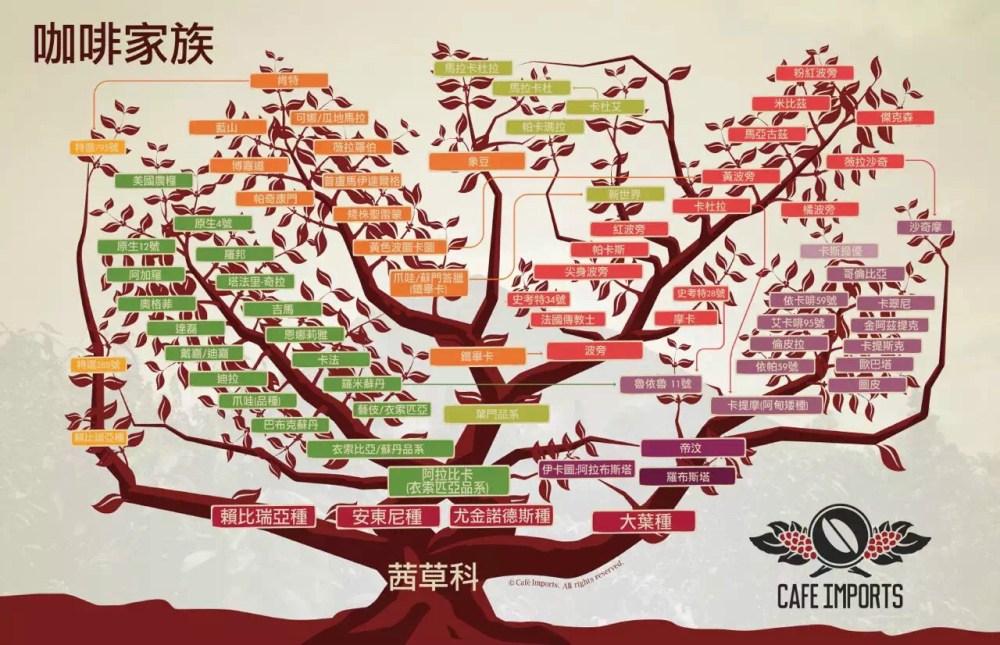 There are approximately a hundred or more species of coffee plants globally, but only three major species are widely circulated on a large scale: Arabica, Robusta, and Liberica. Among them, Arabica accounts for more than three-quarters of global coffee sales and is the mainstay of specialty coffee; Robusta, due to its strong disease resistance and high caffeine content, is mostly used for instant coffee or commercial blends. If you’re pursuing a pour over experience rich in layers and bright acidity, Arabica is definitely the top choice.
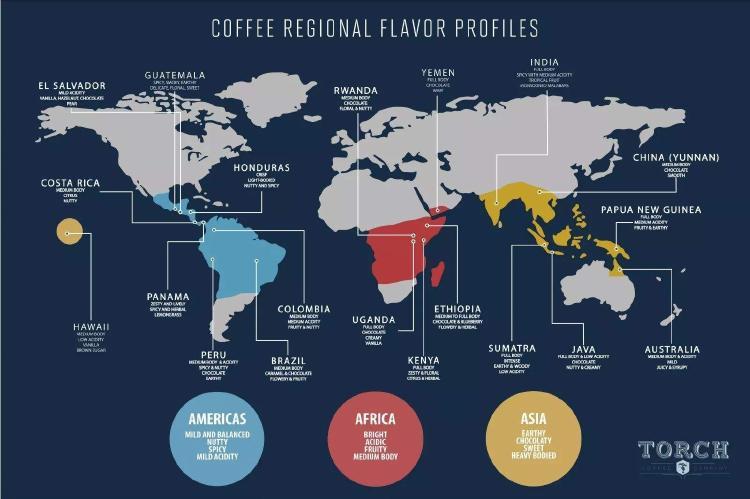
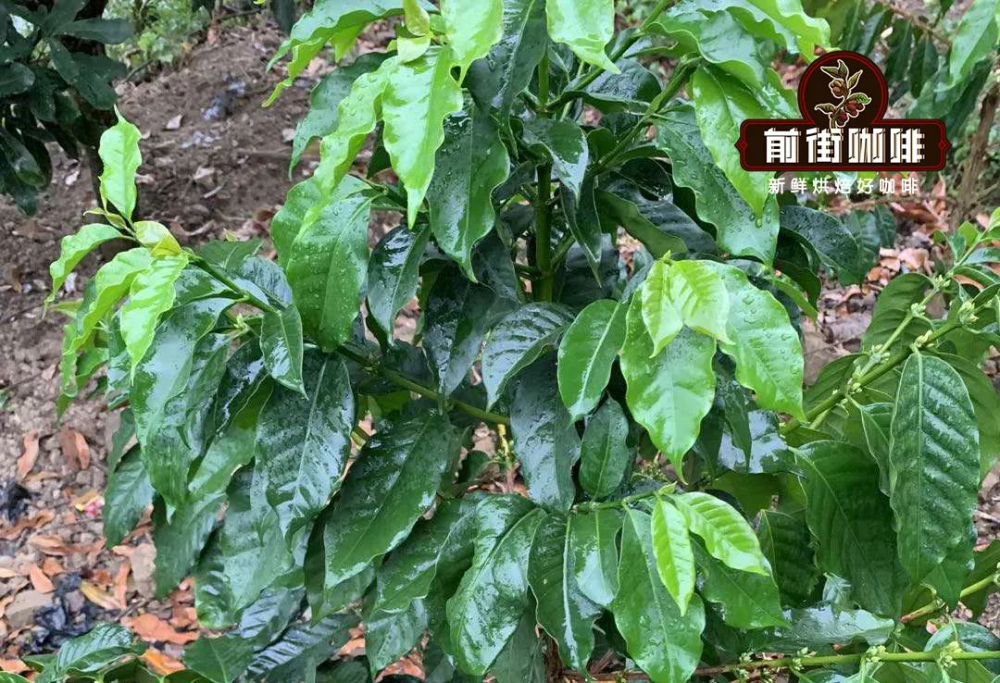
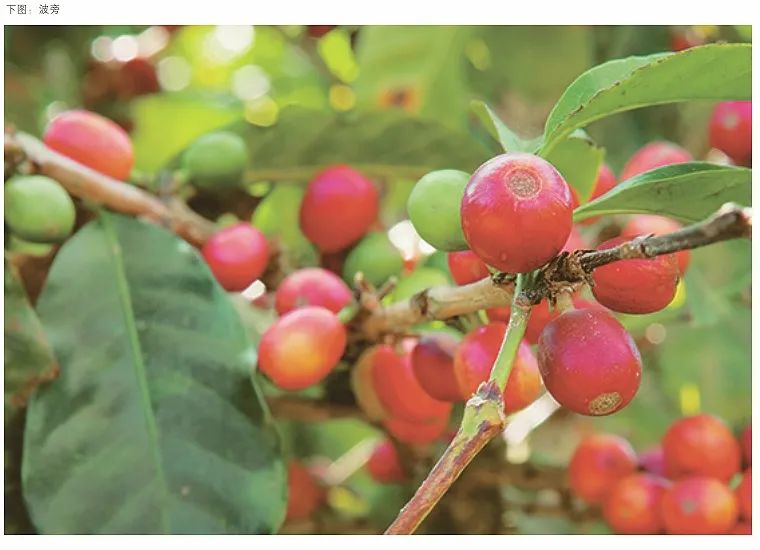
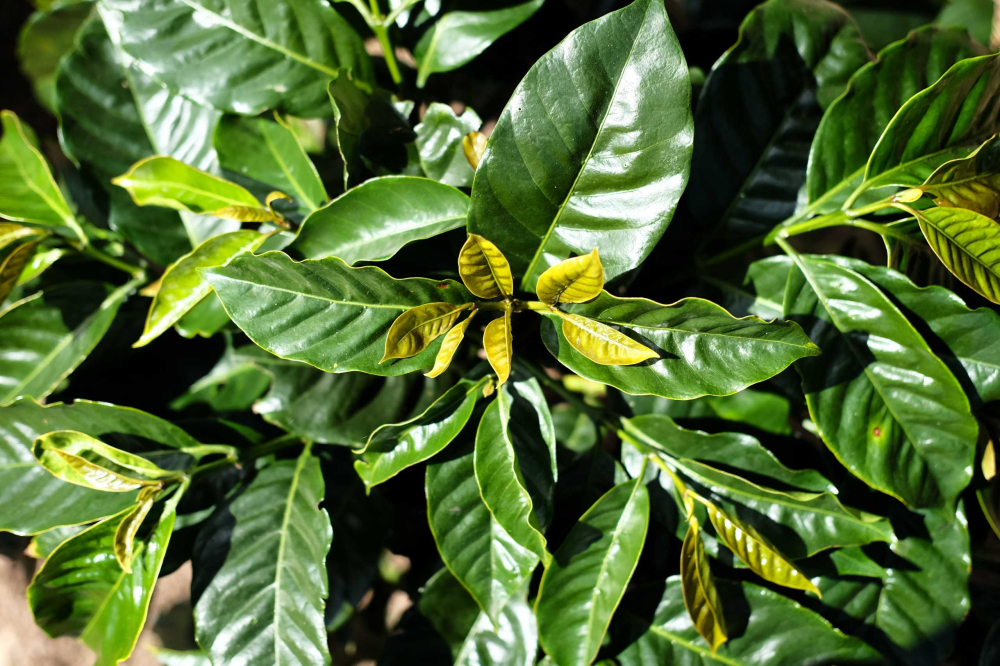
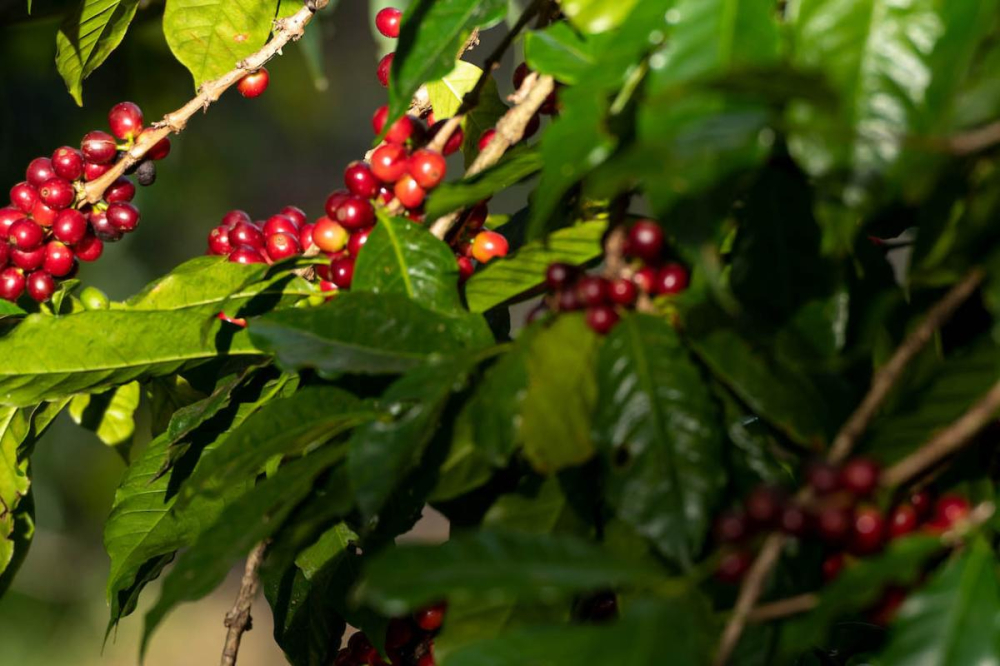
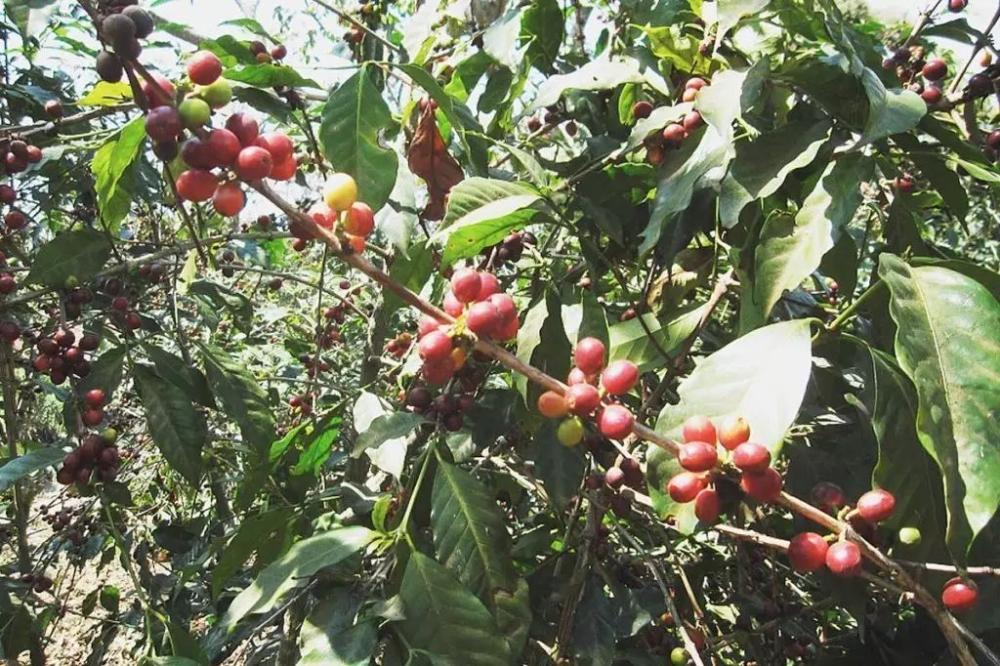
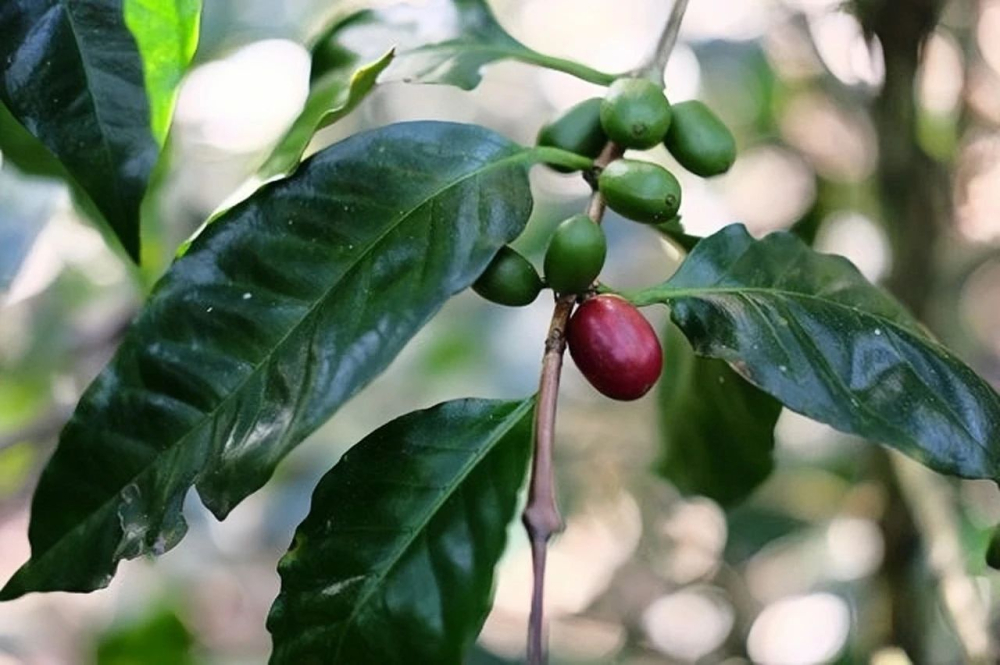
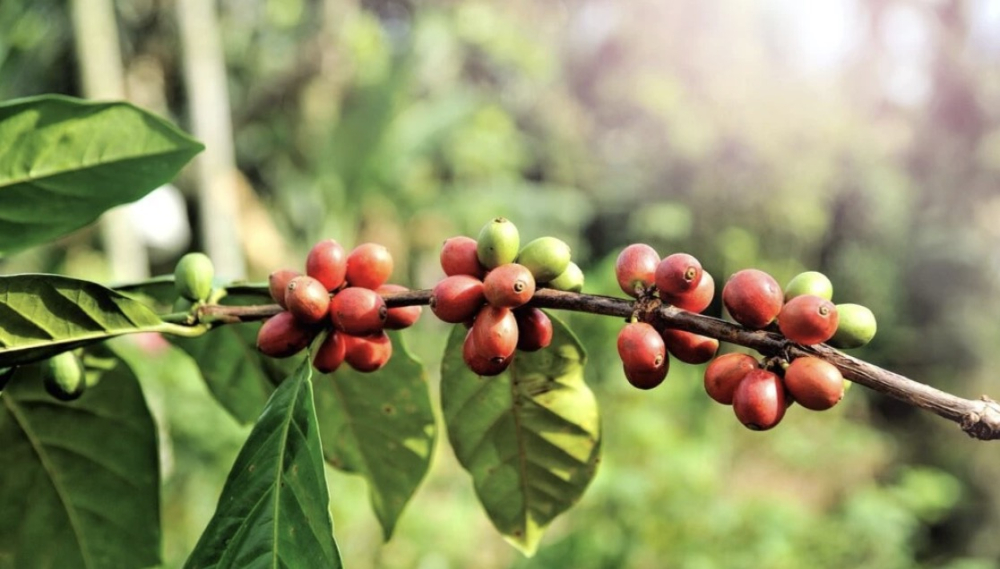 Arabica is hailed as the “small coffee bean” and is originally from Ethiopia. It is now mainly distributed in South America (excluding parts of Argentina and Brazil), Central America, East Africa (such as Kenya and Ethiopia), Asia (such as Yemen, India, and Papua New Guinea), and other regions. This type of coffee tree has extremely high environmental requirements and needs to be planted on volcanic slopes or plateaus at altitudes of 500 to 1500 meters or above, especially at high altitudes above 1500 meters. The large diurnal temperature variation and long growth cycle there can nurture beans that are denser and have more intense flavors. The plants themselves are weak in resistance to pests and diseases and grow slowly, hence the relatively low yield. But it is precisely because of this that they possess exquisite flavor potential.
From an evolutionary perspective, the current Arabica varieties mostly originate from Ethiopia’s oldest native species—Typica and Bourbon. Through mutations in different producing regions or artificial crossbreeding, over seventy variant varieties have been developed. The characteristics of these varieties can change significantly depending on the altitude, soil, and climate of the planting location. For example, the same Geisha grown in Ethiopia and Panama will present completely different aroma profiles.
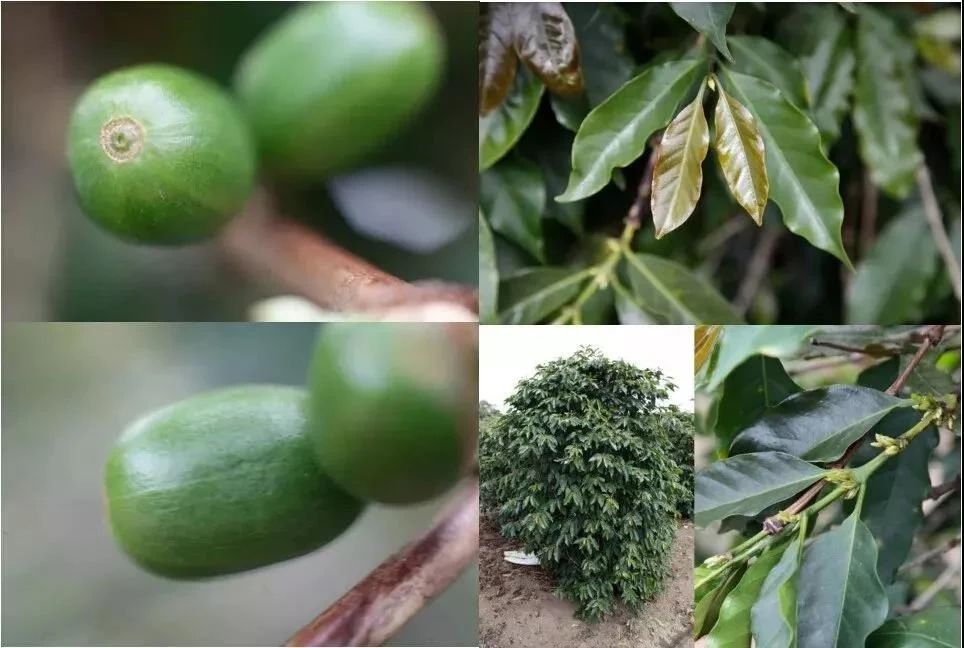
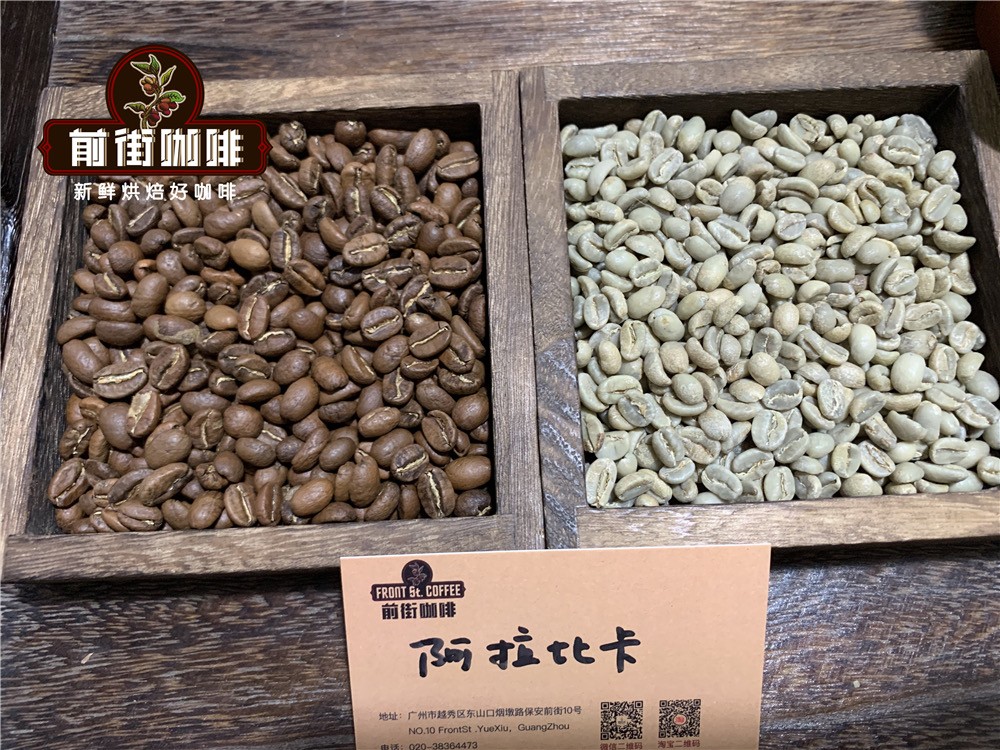 In appearance, Arabica beans are slender and slightly flat, with a center seam showing a distinct S-curve; whereas Robusta beans are rounder and fuller, with seams nearly straight. In terms of flavor performance, Arabica, due to its harsh growing environment, usually exhibits bright acidity, complex floral and fruity notes, and delicate sweetness; Robusta, due to its strong disease resistance and wide adaptability (it can grow in hot, low-altitude areas), contains higher caffeine content (about twice that of Arabica), and its flavor tends to be strong, bitter, often with woody or nutty tones, and is mostly used for commercial blends or espresso bases.
 Robusta’s suitable planting conditions are relatively loose, and it can grow in environments with unstable rainfall and higher temperatures. Its altitude adaptability range is broad (from lowlands to medium-high altitudes), but its flavor is generally not as refined as Arabica’s. However, when used to make espresso, Robusta’s high concentration and crema performance can add thickness and a strong mouthfeel to the crema, making it suitable for consumers who prefer intense stimulation.
Diving into the Arabica family, one can discover many classic varieties, each exhibiting unique flavor characteristics due to their genetic backgrounds and origin traits. Common varieties include Typica, Bourbon, Caturra, Pacas, Villalobos, Geisha, Catimor, and others, among which Typica and Bourbon are the most representative ancient native species.
 Typica is one of the most original varieties from Ethiopia and is regarded as the “ancestor” of the Arabica lineage. Its beans are slender and pointed, with an elegant and delicate flavor, but it has low yield and is susceptible to pests and diseases. Historically, Typica spread from Ethiopia to Yemen and then across the globe, giving rise to famous variants such as Mandheling, Blue Mountain, and Yunnan small beans. For example, the exceptional flavor of Blue Mountain coffee is not only attributed to the growing environment of Jamaica’s high mountains, but its Typica genes are also one of the key factors. It is suitable for drinkers who enjoy fresh floral notes, soft acidity, and a tea-like aftertaste.
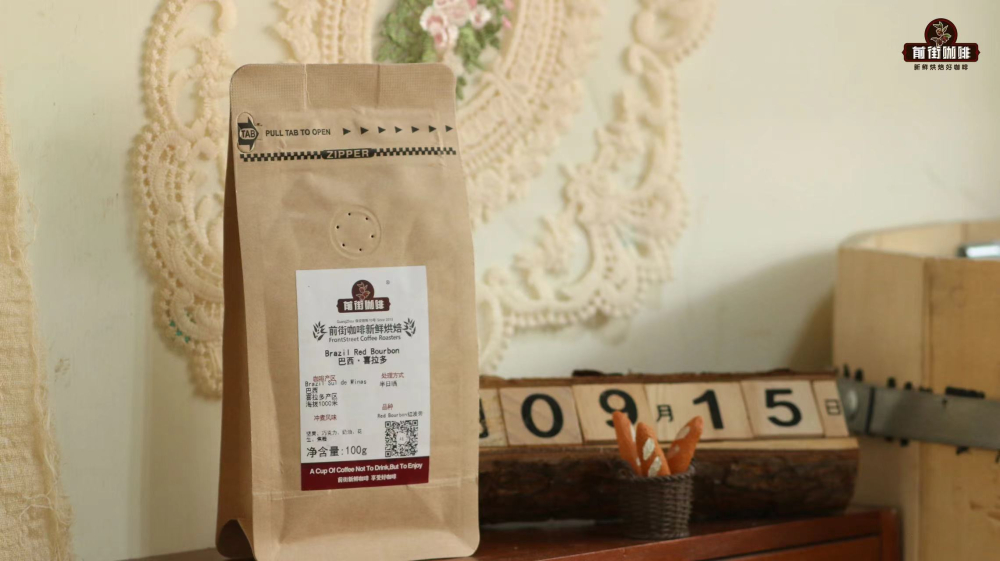
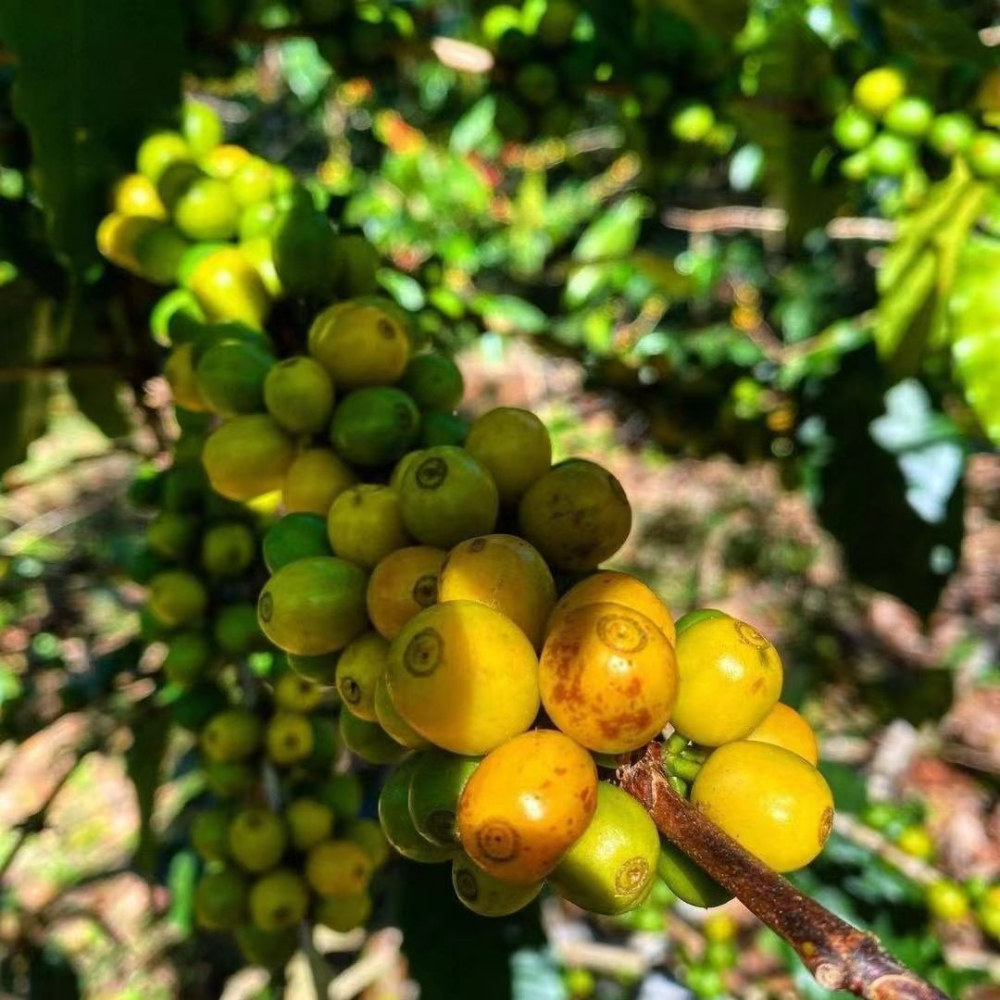
Bourbon is an ancient variety as renowned as Typica, originating in Yemen and later spreading to Africa and Central and South America. Its beans are rounder and fuller, and its flavor profile is usually richer than Typica’s, with distinct caramel, creamy, and nutty tones. It also often stands out in international cupping competitions. Bourbon yields about 30% more than Typica, but its fruiting cycle is one year of harvest and one year of dormancy, so attention is needed in cultivation management. Classic producing regions such as Brazil’s Cerrado are known for their Red Bourbon variety, which is famous for its nutty, chocolatey, and caramel aromas, making it a top choice for many pour over enthusiasts.
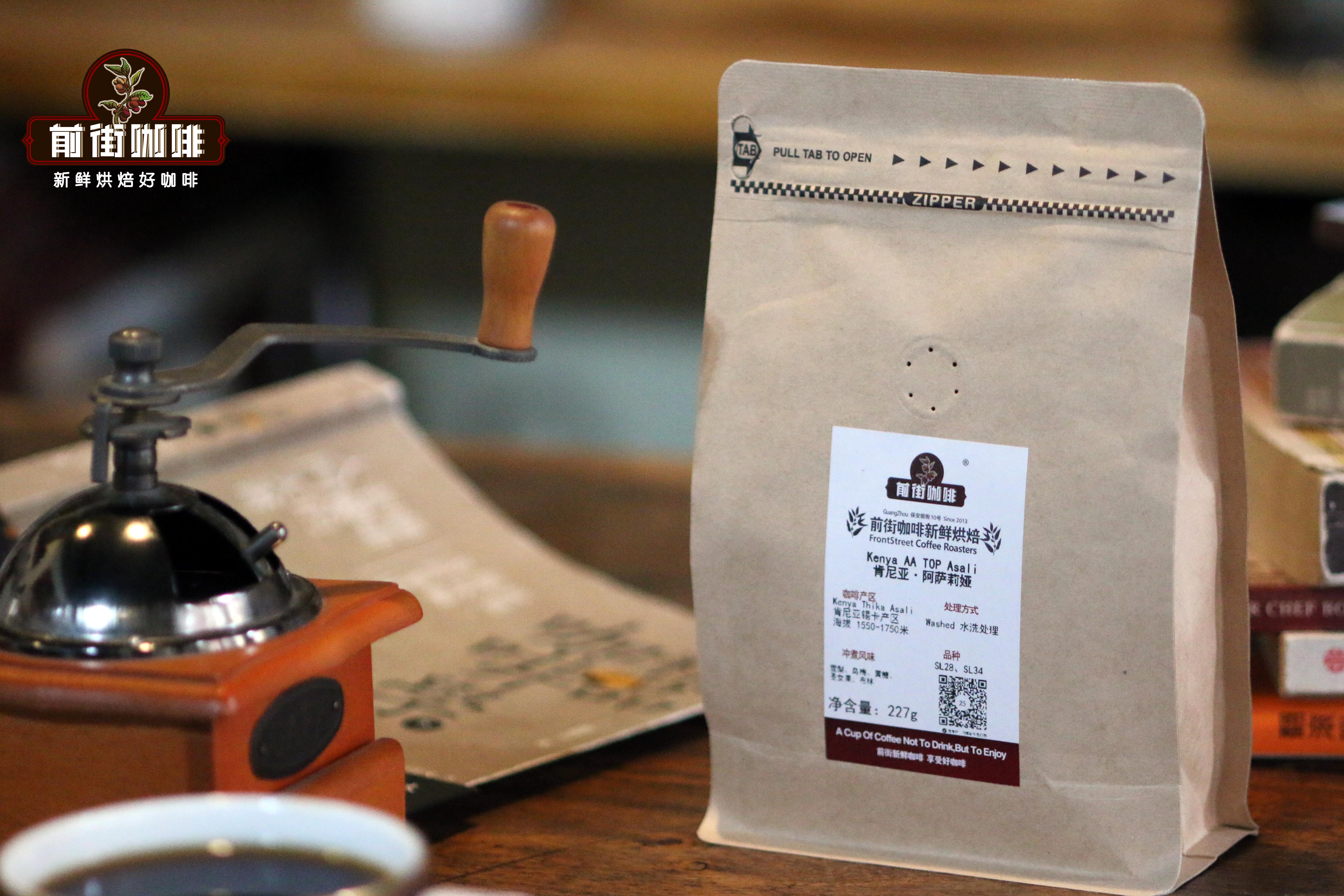
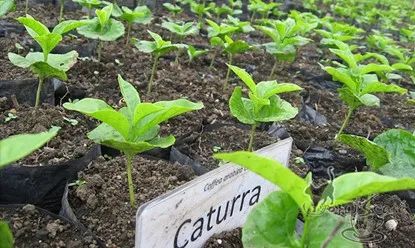
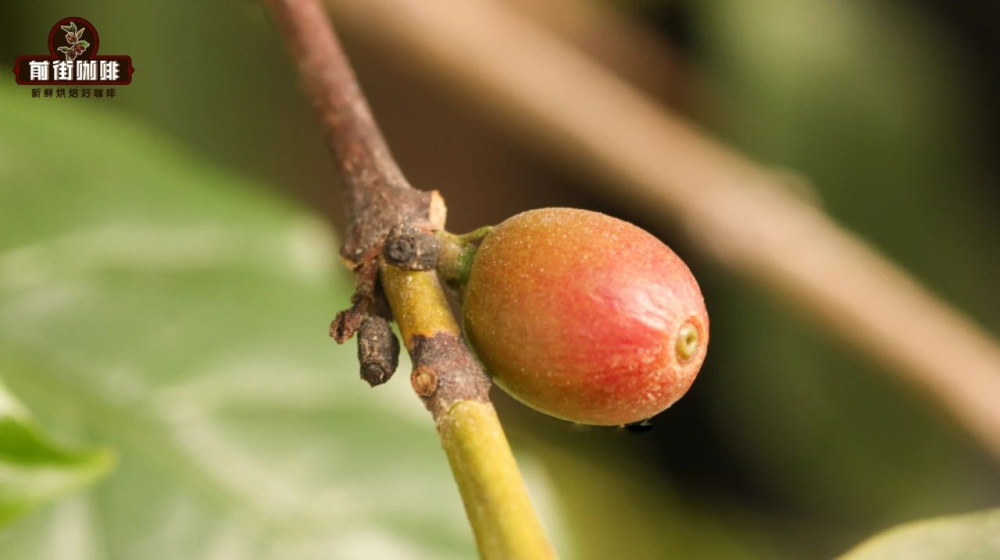 In addition to ancient native varieties, the Arabica family also includes many varieties developed through genetic mutation or artificial selection, such as SL28, SL34, Geisha, Yellow Bourbon, and Caturra. These varieties have become stars in the specialty coffee scene because they are adapted to specific environments or enhance certain flavor traits. For example, SL28 and SL34 are varieties cultivated by the Scott Laboratories in Kenya in the 1930s. The former is known for its high acidity and bright sweetness, while the latter shows balanced acidity-sweetness and a caramel aftertaste. Geisha, with its complex aroma of rose, citrus, and honey, has won championships in international competitions for multiple years, becoming a representative of top-tier pour over beans.
In summary, the difference between Arabica and Robusta lies not only in disease resistance and yield but is also directly reflected in flavor layers and suitable brewing methods. If you are new to the coffee world, it is recommended to start tasting classic Arabica varieties (such as Typica, Bourbon, and Geisha), paired with appropriate roast levels and brewing parameters (for example, pour over is recommended at 90–93°C water temperature and a 1:15–1:16 coffee-to-water ratio), to better appreciate the unique charm of different varieties.
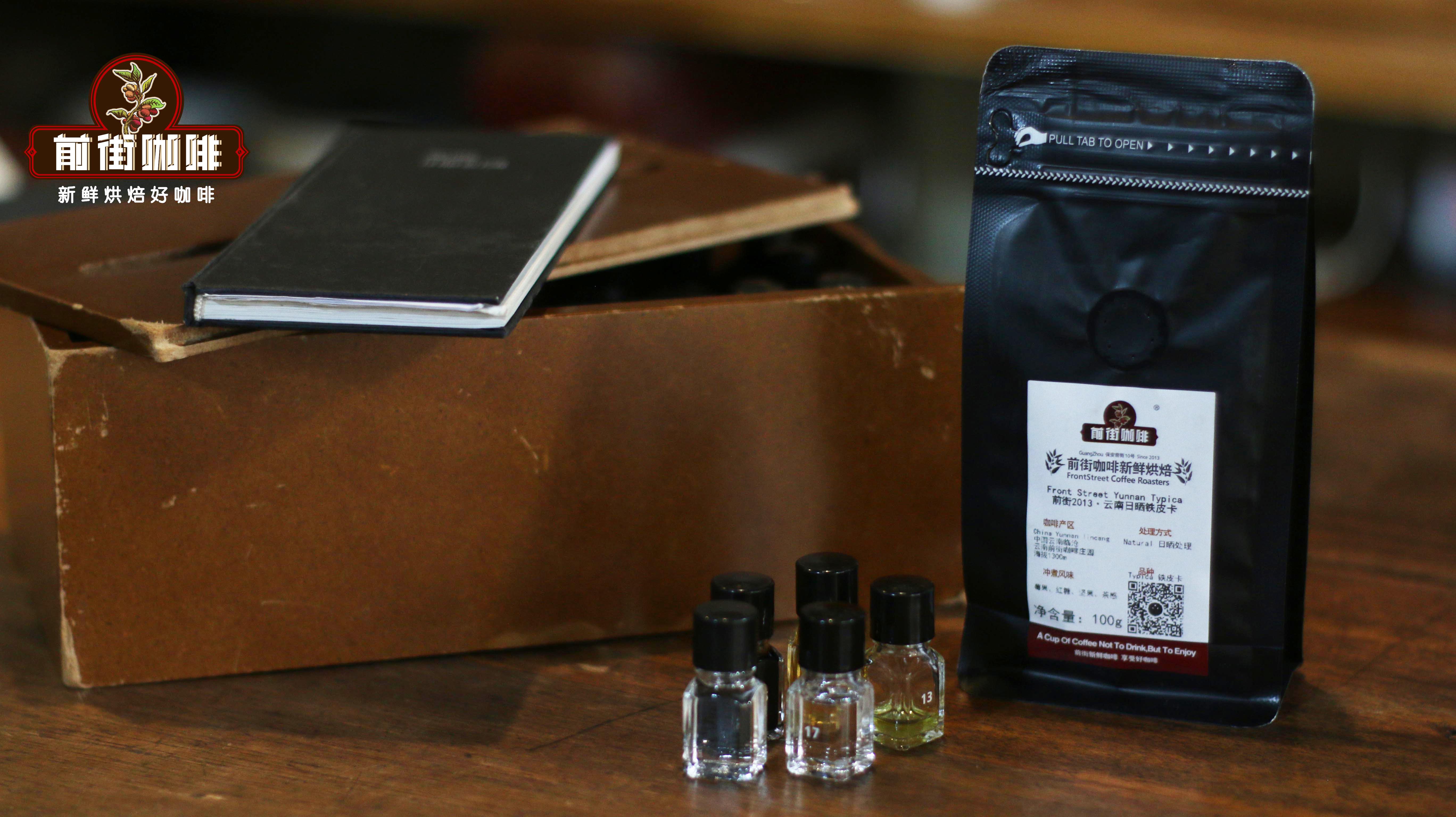
 The freshness of coffee beans is also a key factor affecting flavor. It is recommended to choose beans shipped within five days of roasting, and let them rest for 4–7 days after receiving to allow the residual carbon dioxide inside the beans to fully release, reaching the optimal flavor window. If you choose to buy coffee powder, brew it as soon as possible to avoid oxidation, but flavor preservation still does not match that of freshly ground whole beans.



The above content is compiled by CoffeeHunters, a coffee news website.


