








Introduction:As one of the most representative coffee-growing regions in southern Ethiopia, Yirgacheffe has captivated pour over coffee enthusiasts worldwide with its distinctive citrus and floral flavor profiles. This article delves into the differences between washed and natural processing methods in Yirgacheffe, covering everything from processing techniques and flavor characteristics to grading classifications. It also explains why this region’s coffee is considered an ideal entry point into specialty coffee, along with practical bean selection and brewing advice.
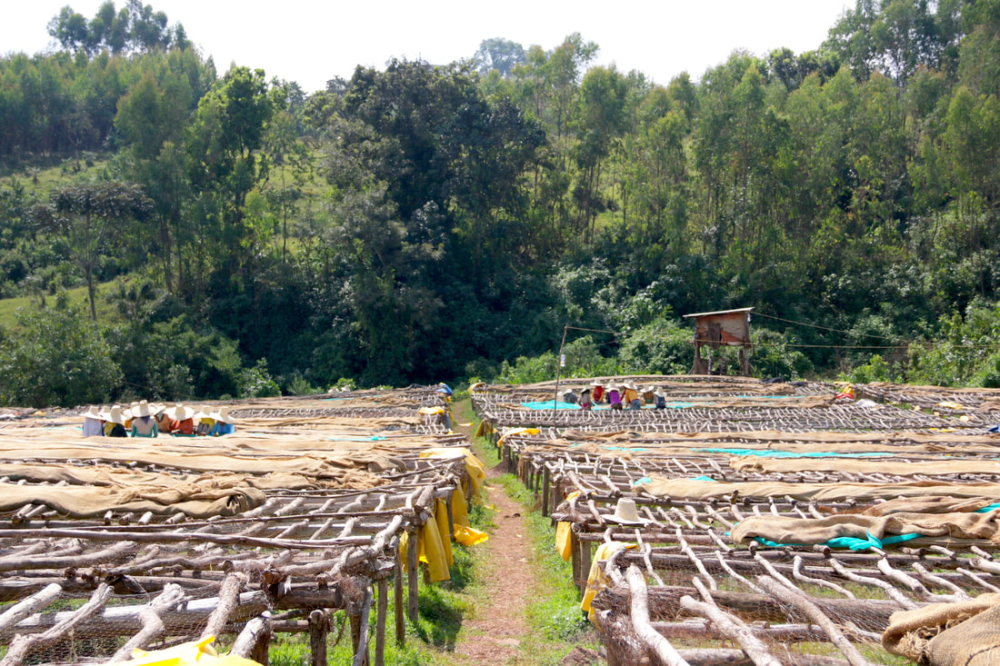
Yirgacheffe was originally a small town in southern Ethiopia, once part of the Sidamo region. However, because its coffee exhibits highly recognizable, fresh floral aromas and bright citrus acidity—markedly different from the traditional flavors of Sidamo—it quickly garnered international attention. This unique flavor profile led Yirgacheffe to break away from Sidamo and establish itself as an independent region, sparking global appreciation for high-acidity specialty coffee. To this day, it remains a flagship representation of Ethiopian specialty coffee.
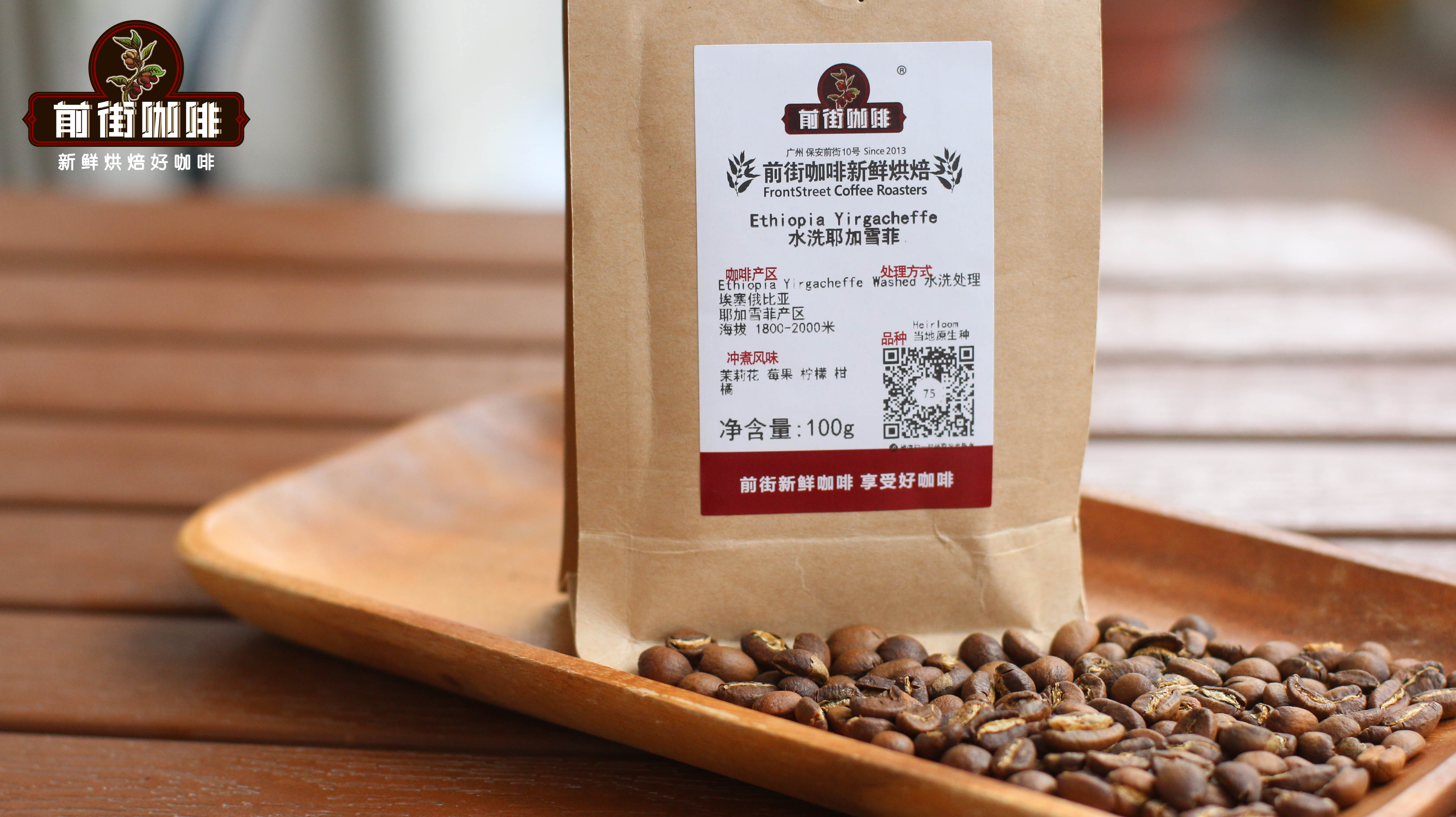
If you haven’t yet experienced the legendary Yirgacheffe coffee, now is the perfect time to try it. Choosing beans from a reputable roaster ensures you enjoy the freshest and most flavorful cup. Freshly roasted beans not only preserve the most vibrant aromas but also showcase the true regional characteristics of each origin. Consistent roasting quality and proper storage are the foundations of a great pour over experience.
In Ethiopia, most small-scale coffee farmers are unable to process their beans using the washed method alone, as it requires significant investment in dedicated washing equipment and processing facilities. As a result, washed processing is typically carried out by centralized washing stations or cooperatives. Though more costly, this approach ensures standardized and stable processing procedures. The washed method highlights the purest flavor characteristics of the beans, making it especially well-suited to showcasing Yirgacheffe’s light and bright profile.
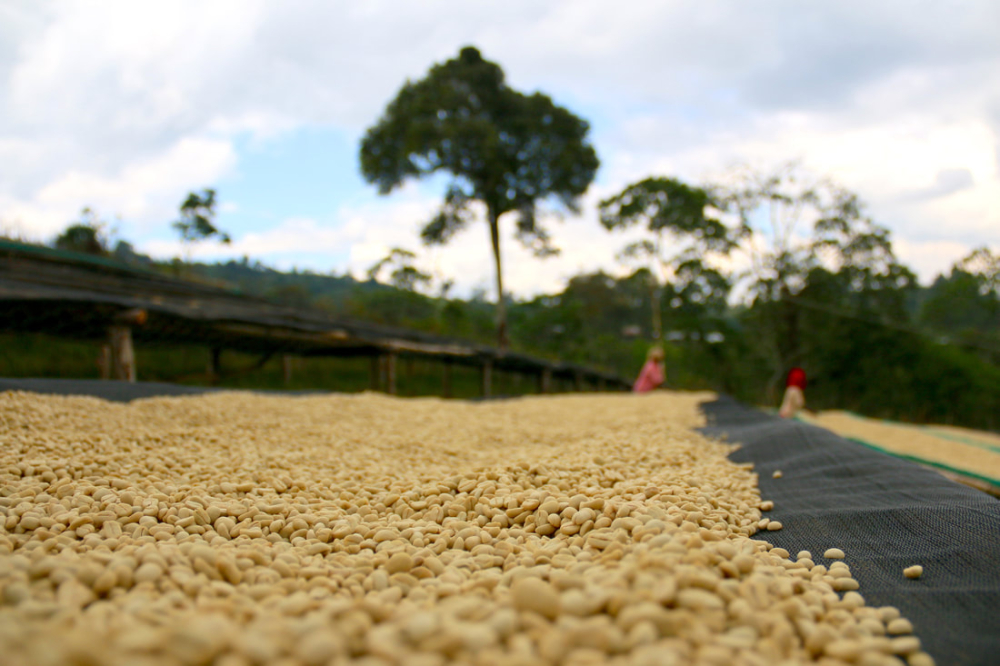
The washed processing of Yirgacheffe begins with the removal of the coffee cherry’s skin and pulp, followed by a fermentation step to eliminate the remaining mucilage layer. The beans are then thoroughly rinsed with clean water until their surface is smooth. At this stage, the beans are still encased in their parchment layer, with a moisture content as high as 50%. They must undergo prolonged sun drying to reduce the moisture level below 12%, preventing mold growth. This process usually takes 1 to 3 weeks but imparts pronounced floral, citrus, orange, and lemon-like aromatic notes—a classic flavor profile cherished by many pour over enthusiasts.
In Ethiopia, coffee bean grades are primarily determined by defect rates, with lower numbers indicating higher quality. Yirgacheffe’s Grade 1 is the highest standard, allowing no more than 3 defective beans per 300 grams of green coffee. It is the top choice for coffee lovers seeking delicate and nuanced flavors. When selecting Yirgacheffe coffee, it is recommended to prioritize Grade 1 beans for the richest complexity and cleanest taste profile.
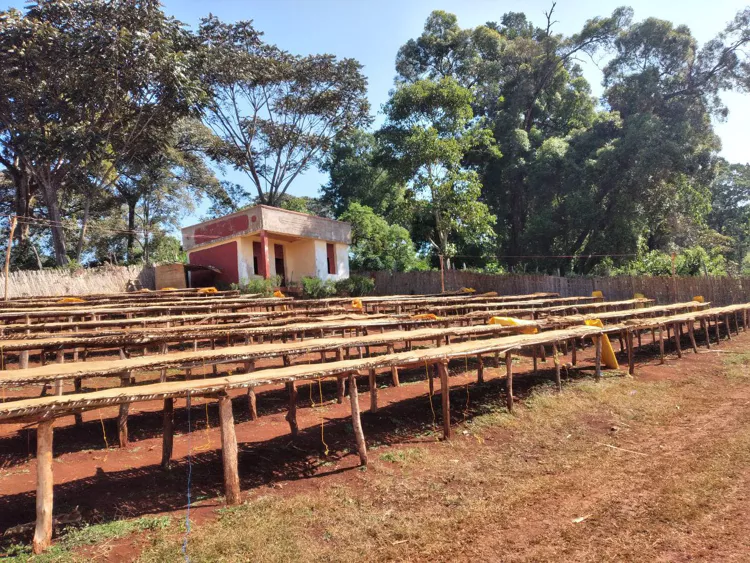
Coffee from the Gute Town in Yirgacheffe owes its distinctive flavor profile to the region’s unique altitude and microclimate. The Gute Cooperative employs both traditional washed and natural processing methods, with beans meticulously cultivated and processed by local smallholders. The resulting coffee often features prominent jasmine floral notes and citrus acidity, paired with a natural honey-like sweetness—making it a popular choice for those new to Yirgacheffe in the pour over scene.
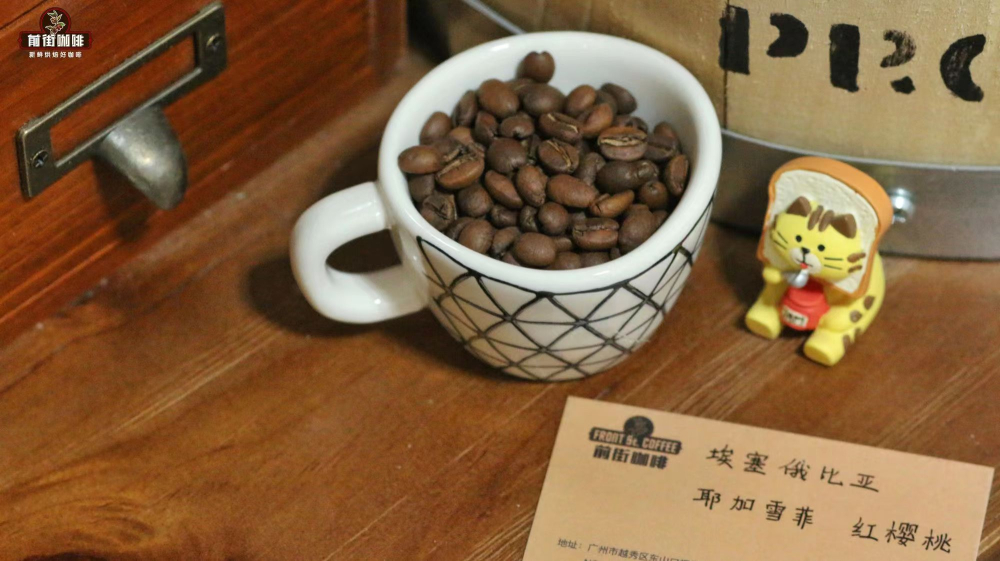
In contrast to the crispness of the washed method, the natural process offers a distinctly different flavor direction. Yirgacheffe’s natural-processed beans are typically dried in the sun for an extended period—around four weeks—following harvest. During this time, temperature and stirring frequency are closely monitored to ensure the fruit flavors evenly penetrate the bean core. This ancient technique yields coffee with richer fruitiness, a wine-like sweetness, and a fuller body, appealing to those who enjoy bold flavors and tropical fruit notes. Classic naturally processed Yirgacheffe offerings like Red Cherry are prime examples of this complex and layered profile.
The above content is compiled by CoffeeHunters, a coffee news website.


