







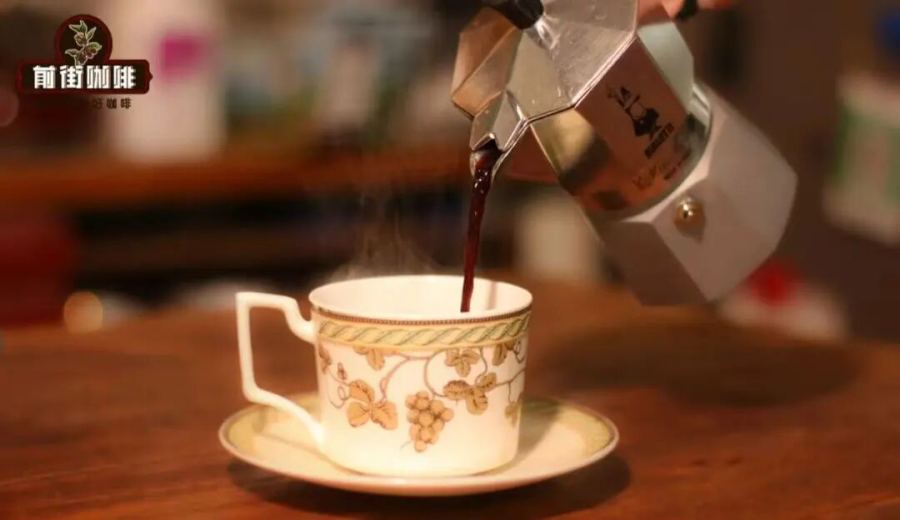
Introduction:When using a Moka pot to brew coffee, many people often encounter issues such as over-extraction, burnt or bitter flavors, or overwhelming off-notes. This article delves into the causes of Moka pot over-extraction, including key factors like channeling, improper heat control, and mismatches between grind size and water volume, while also providing concrete improvement suggestions to help you adjust parameters and brew balanced, aromatic coffee.
Many coffee enthusiasts who enjoy brewing with a Moka pot frequently raise similar questions on social media platforms or forums: "Why does my Moka pot coffee always have a burnt bitter taste?" or "How can I avoid over-extracting with my Moka pot?" These concerns are actually quite common because, compared to methods like drip or pour over, the Moka pot operates under pressure and is more prone to over-extraction.
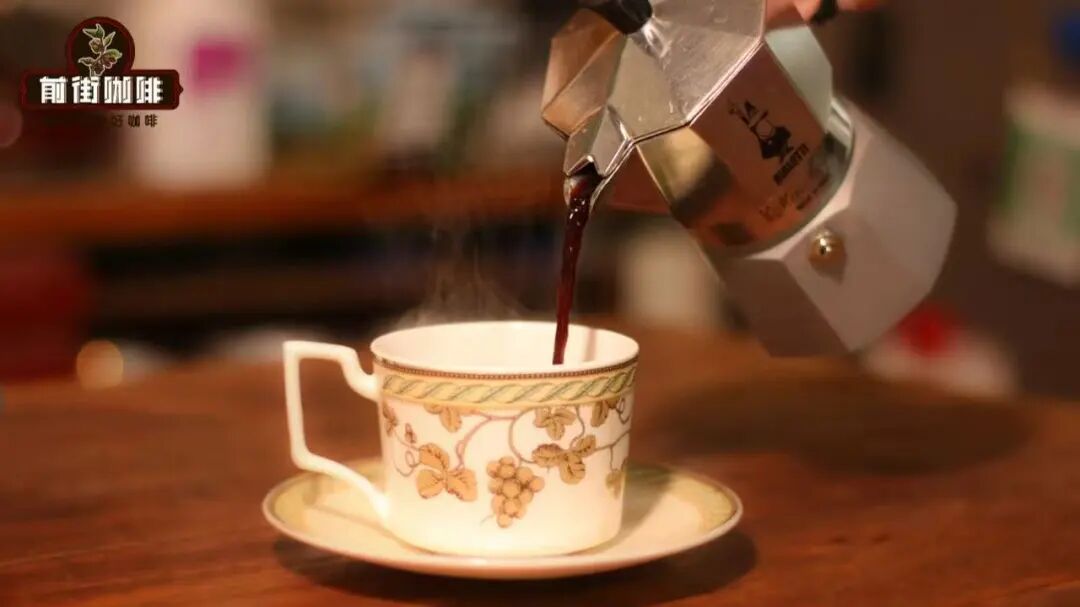
The advantage of pressurized extraction lies in its efficiency — it can release a large amount of flavor in a short time. However, due to the high pressure and extraction rate, improper operation can easily lead to over-extraction, resulting in a bitter and off-note-heavy cup that even milk or sugar can hardly mask.
< >
To address these common issues, the following sections will detail the three main causes of over-extraction when using a Moka pot, along with practical improvement tips, so you can brew a well-balanced, non-bitter cup at home.
First, to tackle over-extraction, it’s helpful to understand what “over-extraction” means. Simply put, it occurs when too many soluble substances are drawn out from the coffee grounds — not just the desirable aromas and sweetness, but also excessive bitter compounds and unwanted off-flavors. With this basic concept in mind, we can more precisely identify where problems lie.
1. Channeling is a Common Culprit of Over-Extraction
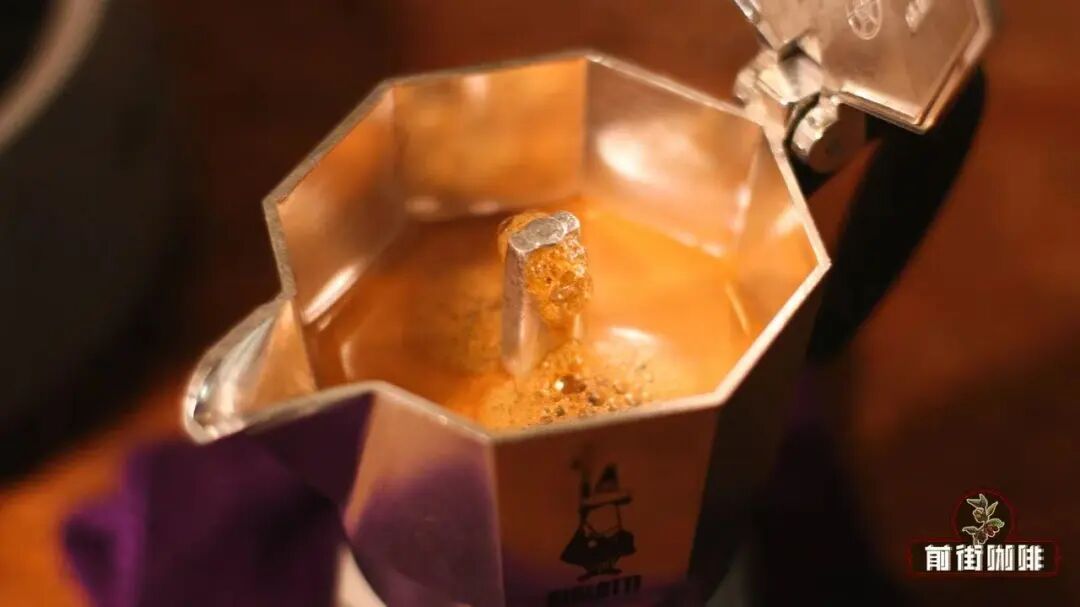
In pressurized extraction, “channeling” is one of the common causes of over-extraction. Channeling refers to the phenomenon where hot water flows through the coffee grounds by taking the path of least resistance, leading to certain areas being over-extracted while others are under-extracted. This uneven extraction ultimately results in a coffee that tastes noticeably bitter and acidic, with an imbalanced overall flavor.
 >
One of the main reasons for channeling is uneven distribution of coffee grounds. When coffee is unevenly placed in the basket — some areas thick, others thin — and then tamped without adjustment, it forms a puck with inconsistent density. When pressure is applied, water naturally chooses the path of least resistance through the less dense areas, causing localized over-extraction.
To avoid this, it’s recommended to observe whether the coffee bed is level before tamping. If the grounds are unevenly distributed, gently adjust them with your fingers to create a consistent thickness across the puck. Then lightly tap the basket to settle the grounds before applying moderate tamping pressure. This helps form a uniformly dense puck, reducing the likelihood of channeling.<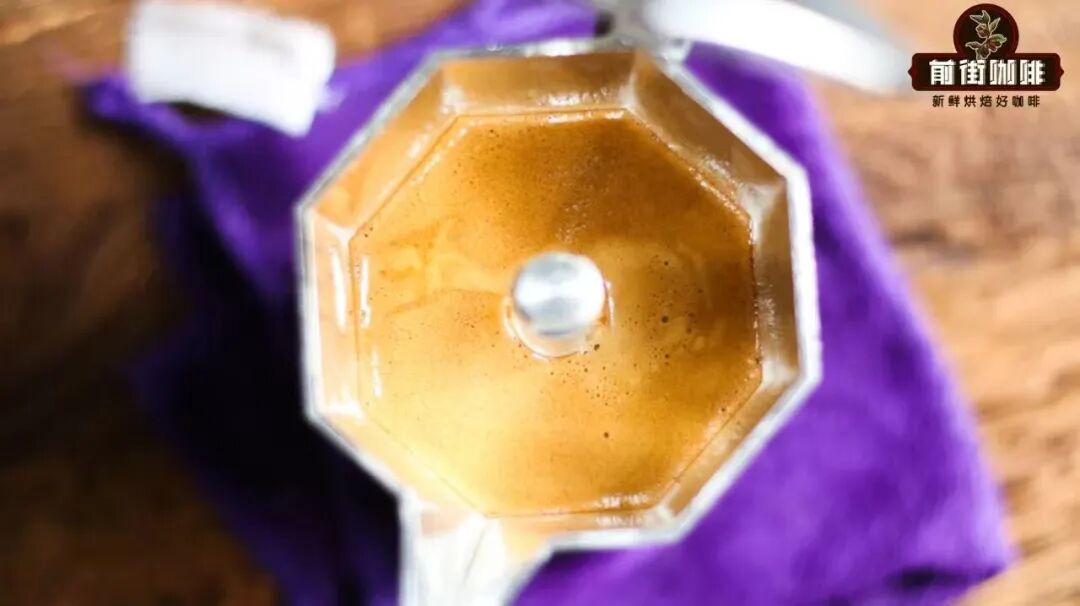 >
Additionally, the size of the heat source and the initial water temperature also play key roles in influencing channeling. During Moka pot brewing, water heats up and generates steam, creating pressure. If the heat is too low or the initial water temperature is not high enough, the heating process takes longer, allowing steam to partially wet the bottom of the puck early on, which reduces its density in those areas and further increases the risk of channeling.
Therefore, it’s advisable to use medium to high heat at the start of brewing, and to use water that is hot but not boiling (close to boiling point). This helps shorten the heating time, promotes even extraction, and reduces the production of bitterness.< >
2. Improper Heat Control After Coffee Starts Flowing
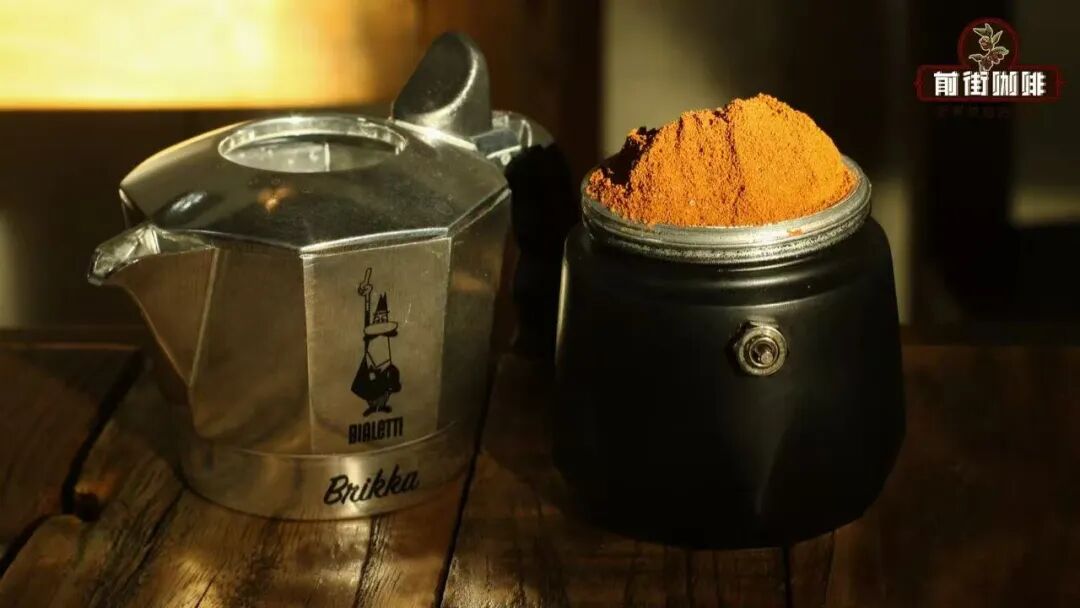
Many people make the common mistake of continuing to apply the same level of heat even after seeing coffee begin to flow from the spout. Once the Moka pot starts pouring, maintaining a high flame can cause excessive internal pressure, accelerating the flow rate and significantly shortening the extraction time. This may lead to under-extraction and can also reignite channeling due to uneven pressure, resulting in a coffee that is both bitter and sour.
 >
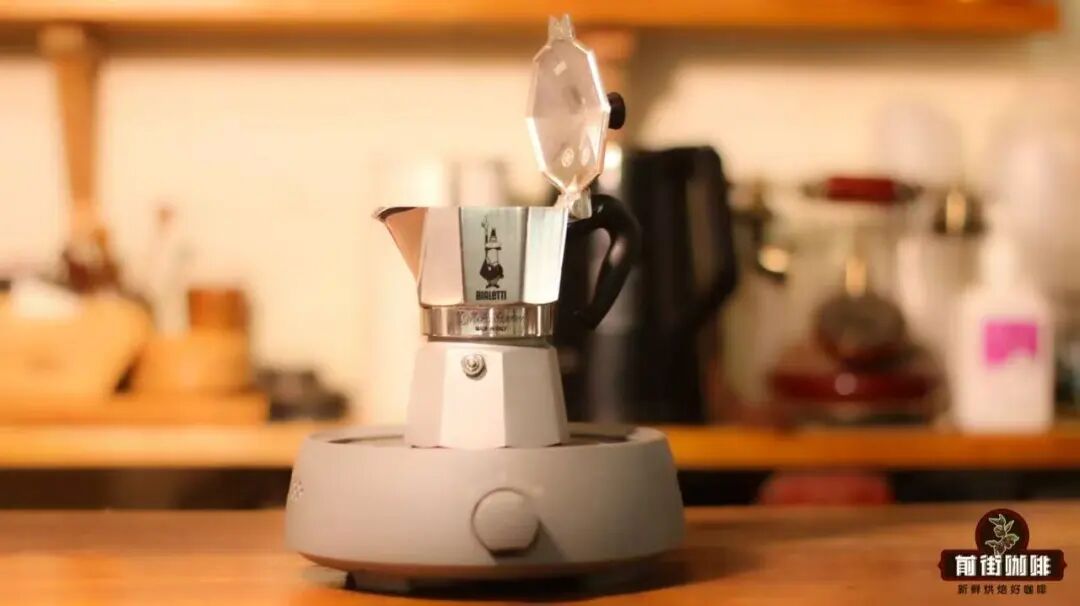
The correct approach is to reduce the heat to low — or even turn it off — once the coffee starts flowing steadily. Let the residual heat of the Moka pot complete the rest of the extraction. This not only stabilizes the flow rate but also helps achieve a more complete and balanced coffee flavor, avoiding over-extraction and unwanted off-notes.<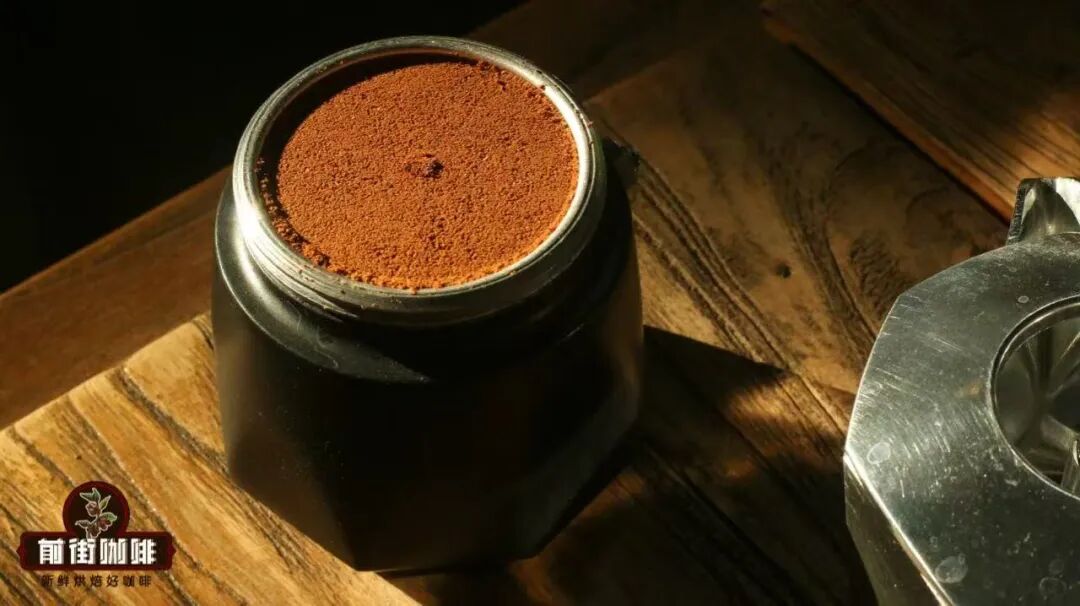 >
3. Too Fine a Grind and Excessive Water Volume
Moka pots usually come with basic usage guidelines, such as how many grams of coffee and milliliters of water are recommended for a 2-cup brew. However, if you use a grind size that is too fine — close to the fineness used for espresso (almost powdery) — and still brew with the recommended or more-than-recommended amount of water, it becomes very easy to extract excessive impurities and undesirable flavors, resulting in a burnt, bitter, and heavily off-note cup.
 >
A fine grind increases surface area and speeds up flavor release, but when combined with too much water, it can lead to an excessive amount of extracted material — especially the hard-to-control bitter notes. If you’re using pre-ground coffee and cannot adjust the grind size yourself, consider reducing the water volume to control the overall extraction, which helps lower the risk of over-extraction and makes the coffee flavor cleaner and less heavy.<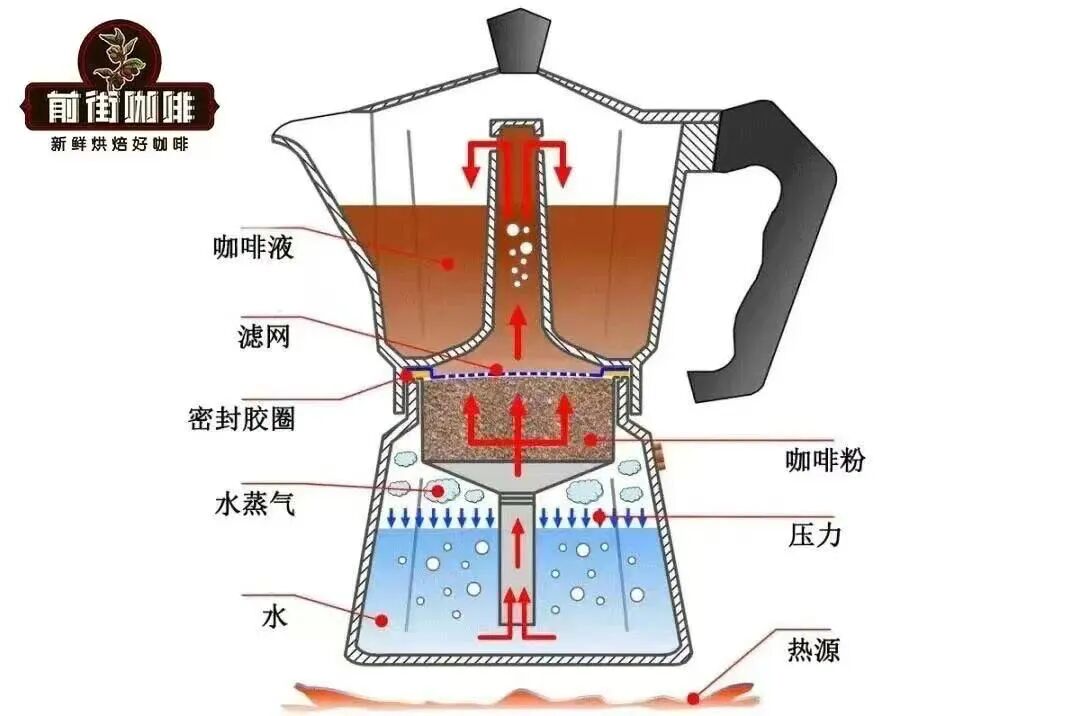 >
In summary, to avoid burnt, bitter, and over-extracted coffee when using a Moka pot, the key lies in mastering three elements: ensuring even coffee distribution and avoiding channeling, adjusting heat appropriately after the coffee starts flowing, and matching water volume to your grind size. With these tips in hand, you can also brew rich, non-bitter, aromatic, and balanced coffee with your Moka pot.
If you have any other findings or challenges during actual use, feel free to share your experiences in the discussion area — let’s work together to find the best brewing solution.
< >
The above content is compiled by CoffeeHunters, a coffee news website.


