







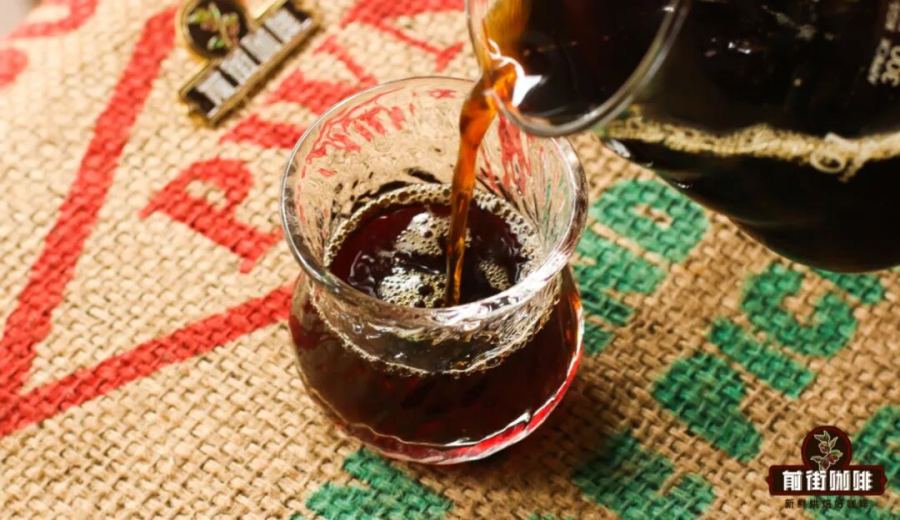
Introduction:In the hot season, iced coffee becomes a daily essential for many coffee lovers. However, when attempting to brew iced pour-over with dark roast beans, many often encounter issues such as flat flavors and thin body. This article will delve into how to improve the performance of dark roast beans in iced pour-over by adjusting pouring techniques, grind size, and extraction time. Taking Indonesian Golden Mandheling as an example, it provides practical parameter suggestions and a complete step-by-step guide, so you too can brew a rich and sweet dark roast iced coffee.
According to weather forecasts, the high temperatures in Guangdong are expected to continue until around November, which means that iced coffee will remain the top choice for many people to beat the heat in the coming weeks. However, some adventurous coffee enthusiasts, after regularly enjoying the bright and refreshing flavors of light roast iced coffee, may want to switch things up and try the bold, toasty notes of a dark roast. Yet, when they apply the same brewing logic used for hot or light roast coffee to dark roast iced pour-over, they often find the coffee tasting weak and watery—far from the experience they get with hot brews.

This is not an uncommon issue, and it mainly has to do with the extraction environment of iced pour-over. To counteract the dilution caused by melting ice, we typically reduce the amount of water poured, but this also decreases the total amount of dissolved coffee solids, thereby affecting overall extraction efficiency. If only the water volume is adjusted without considering other parameters, it can easily result in insufficient release of the large molecules in dark roast beans that contribute to body and sweetness, ultimately making the coffee taste dull and bland.

To tackle this challenge, improving extraction efficiency is key. However, since dark roast coffee has a looser bean structure, using excessively high water temperature or grinding too fine can actually lead to the release of too many bitter and astringent compounds. Therefore, rather than adjusting water temperature or grind size, it’s better to focus on pouring techniques and extraction time for more precise control.
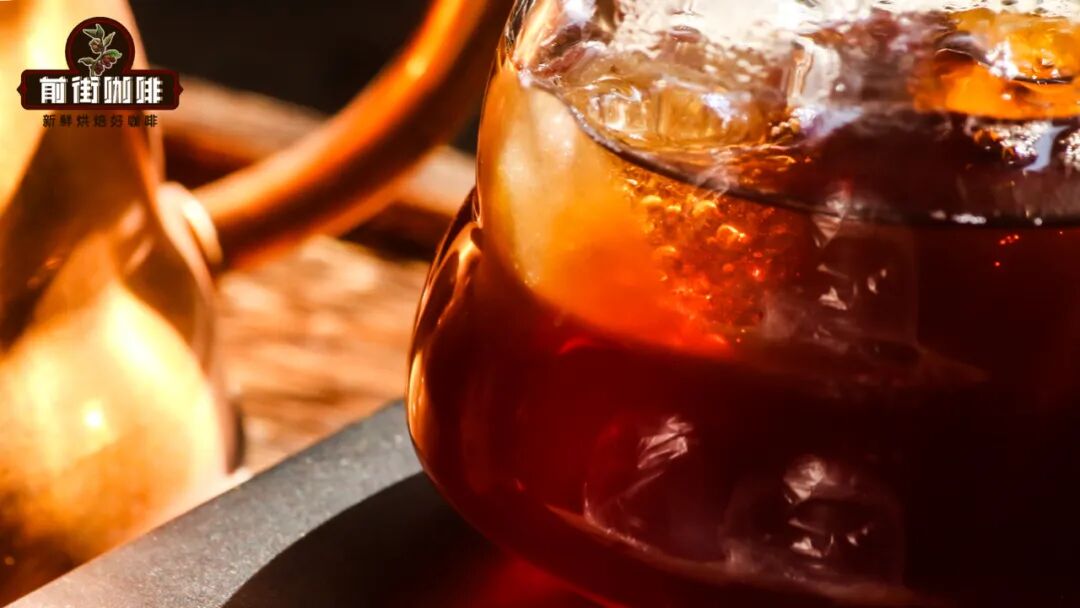
Many people, after reducing the pour-over water volume, choose to grind finer to compensate for extraction efficiency, yet often overlook how reduced water volume affects the overall extraction time. For example, when using 15 grams of coffee and 225 milliliters of hot water in a hot pour-over with a three-pour method, it might take about two minutes; but if switching to iced pour-over with the same 15 grams of coffee but only 150 milliliters of water while maintaining the same technique, the extraction time could shorten to around one minute and thirty seconds, resulting in insufficient extraction of larger flavor molecules.
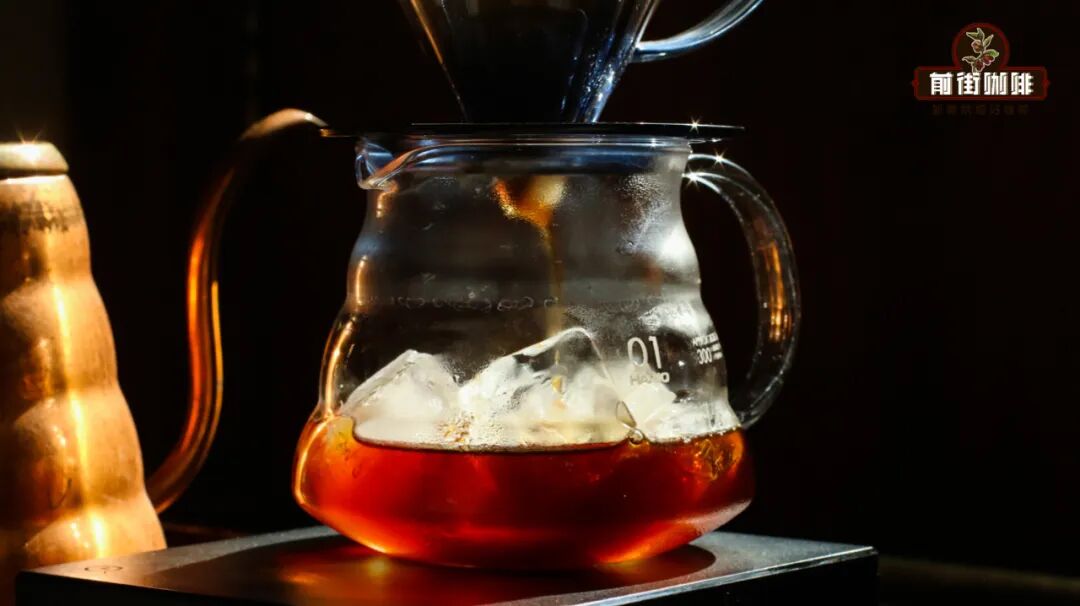
To improve this situation, beginners are advised to use a multi-pour method to extend the extraction time, typically divided into four to six pours, adjusted according to actual flow rate. More pours mean longer contact time between water and coffee grounds, helping extract more deep-seated flavors. Next, let’s take Indonesian Golden Mandheling as an example and share a set of practical iced pour-over parameters and operation steps.
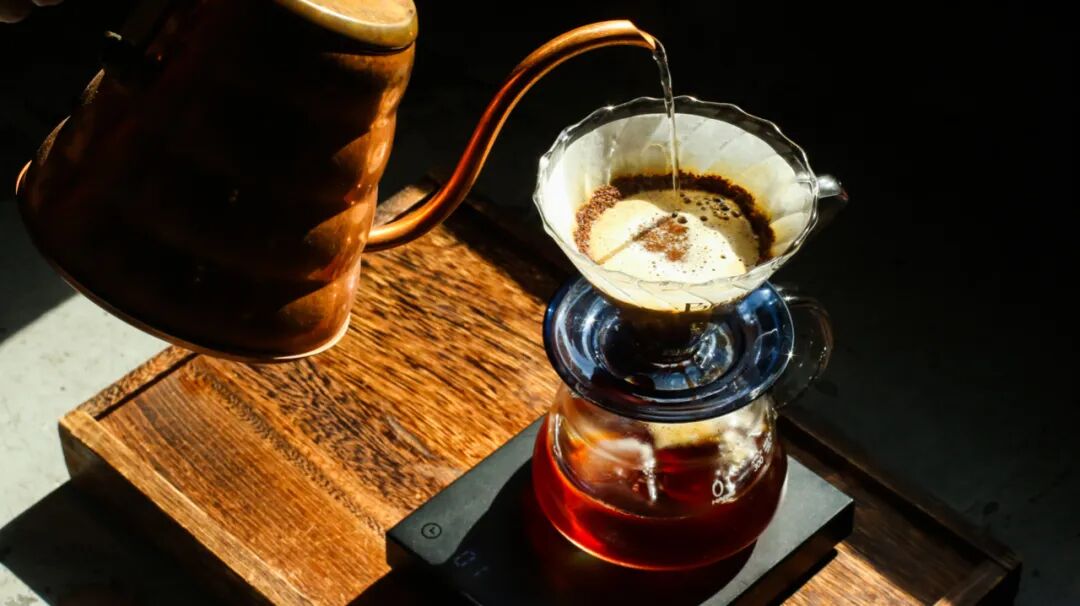
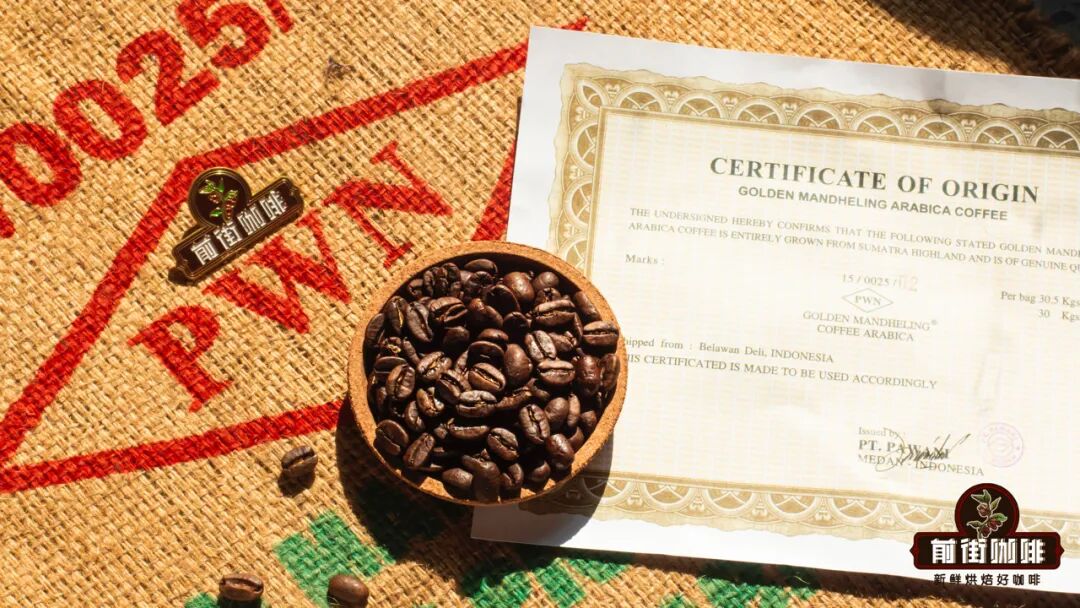
Bean selection is the first step in influencing flavor. This article uses Indonesian Golden Mandheling from the Sumatra region. This dark roast bean is known for its large, plump beans and high uniformity. It produces a stable and consistent grind size, bringing out intense notes of chocolate, nuts, and spices—making it highly suitable for iced pour-over. Additionally, its later-stage flavors are clear, helping highlight sweetness and a rich aftertaste.
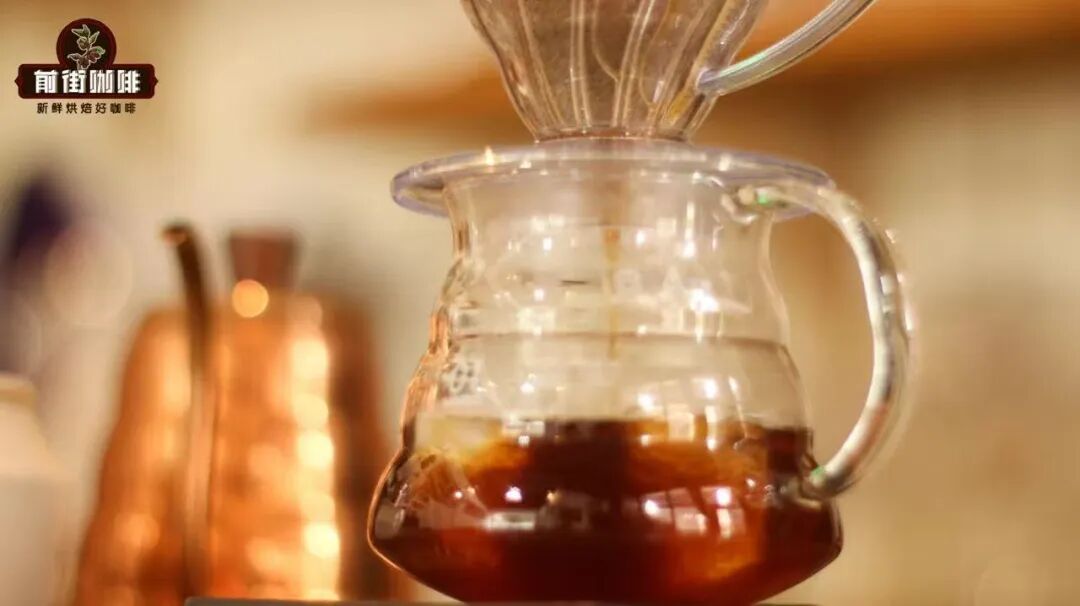
In terms of specific parameters, it is recommended to use 20 grams of coffee grounds, with 200 milliliters of hot water and 120 grams of ice, achieving a coffee-to-water-to-ice ratio of 1:10:6. The grind size can be adjusted to 80% passing through a #20 sieve, or approximately 10 on an Ek43 grinder—similar in coarseness to superfine sugar. A slower-flowing filter cone, such as the Kono or a V60 cake dripper, is recommended to help prolong extraction time and enhance extraction concentration.
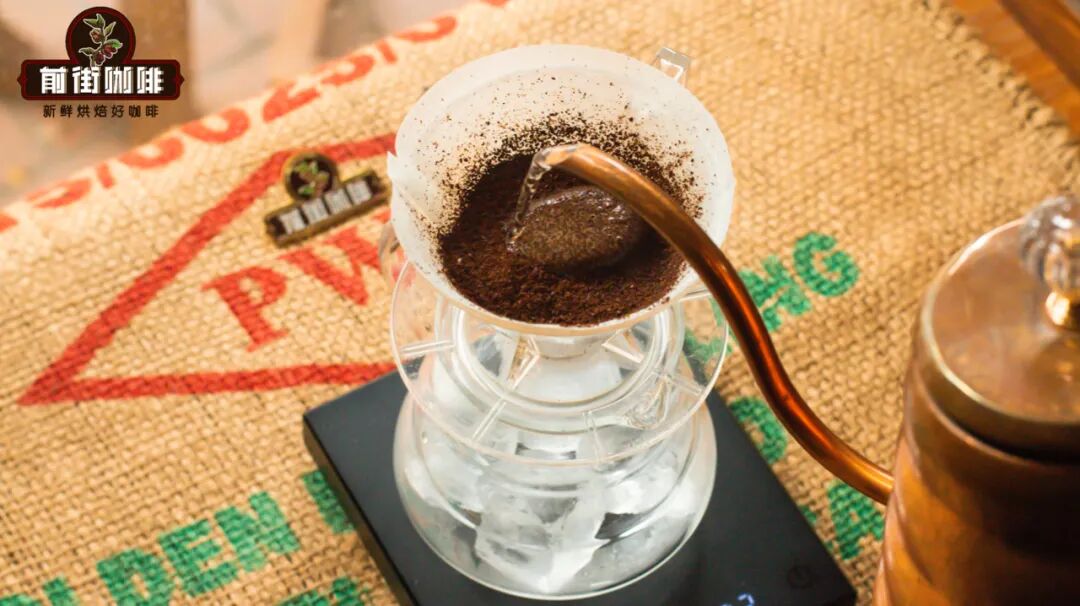
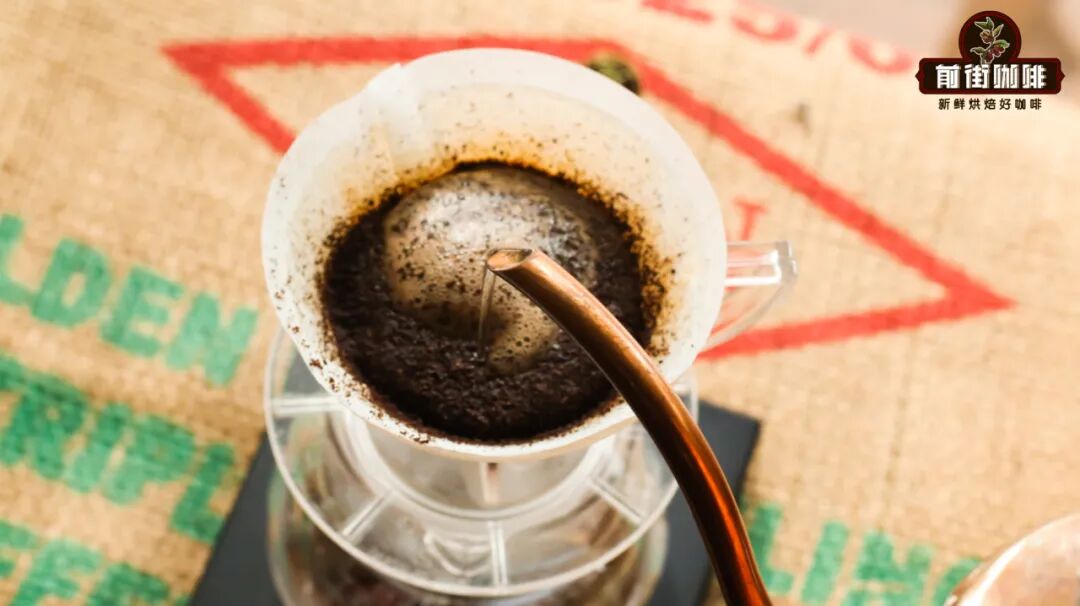
During brewing, start with 40 milliliters of hot water for a 30-second bloom. It is recommended to pour in a steady circular motion from the center outward to ensure all coffee grounds are fully saturated. After the bloom, proceed with a five-pour method using a small stream of water, pouring 40 milliliters per pour for a total of 200 milliliters. Be sure to pause briefly after each pour to allow the water to penetrate before continuing. The overall extraction time should be controlled to around 2 minutes and 10 seconds.

Due to the reduced total water volume, if you’re not familiar with using a small stream, it is advisable to switch to a multi-segment pour method. This not only extends the extraction time but also reduces operational difficulty. Beginners may also moderately increase the coffee dose or total water volume to improve margin for error. Additionally, using a slower-flowing filter cone can effectively help stabilize the extraction rhythm.
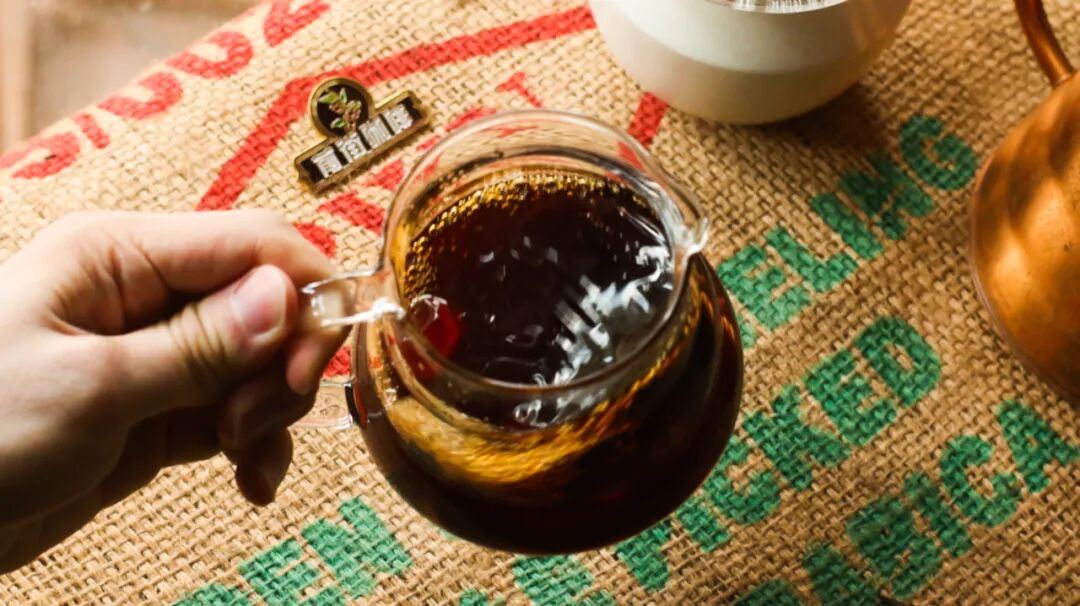
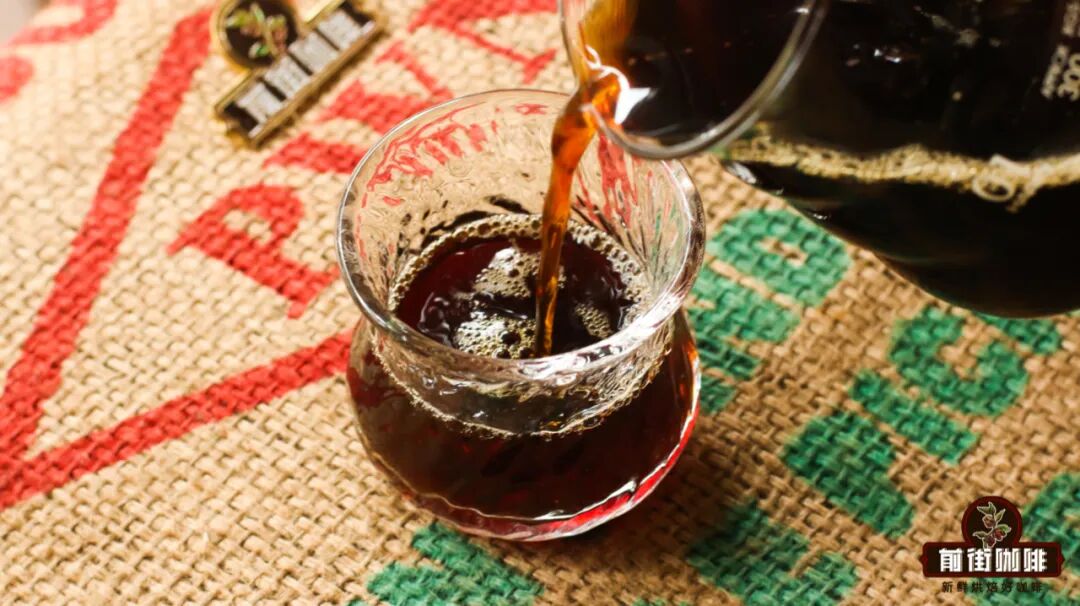
After extraction, don’t rush to drink it right away. It’s recommended to gently swirl the coffee server to evenly mix the temperature and concentration inside. Once the coffee reaches a pleasant drinking temperature, you can pour it into your cup and enjoy. At this point, you’ll experience a rich yet non-bitter mouthfeel, where the sweetness becomes even more pronounced against the cool temperature, accompanied by flavors of chocolate, nuts, and a hint of pine, with the aftertaste even offering a subtle caramel-like smooth sweetness. The overall performance is solid and layered.
The above content is compiled by CoffeeHunters, a coffee news website.


