








Introduction:Many coffee enthusiasts often confuse the concepts of black coffee and Americano, even mistakenly assuming that all coffee without milk falls under the category of black coffee. This article delves into the definition and classification of black coffee, helping you understand whether common beverages such as espresso, Americano, pour over, and cold drip belong to the black coffee category. It also clarifies common misconceptions to help you make more accurate choices and orders.
In coffee shops, we often hear customers order a “black coffee.” Although in most cases, this may refer to an Americano, to ensure accuracy, we usually ask for further clarification. Many customers are puzzled: “Isn’t black coffee just an Americano?” In fact, this notion is not entirely correct.
Many people mistakenly assume that black coffee and Americano are the same thing simply because they’ve seen others online refer to Americano as black coffee. However,Americano does indeed fall under the category of black coffee, but black coffee is not limited to just Americano.To clarify this concept, we first need to understand what exactly black coffee is.
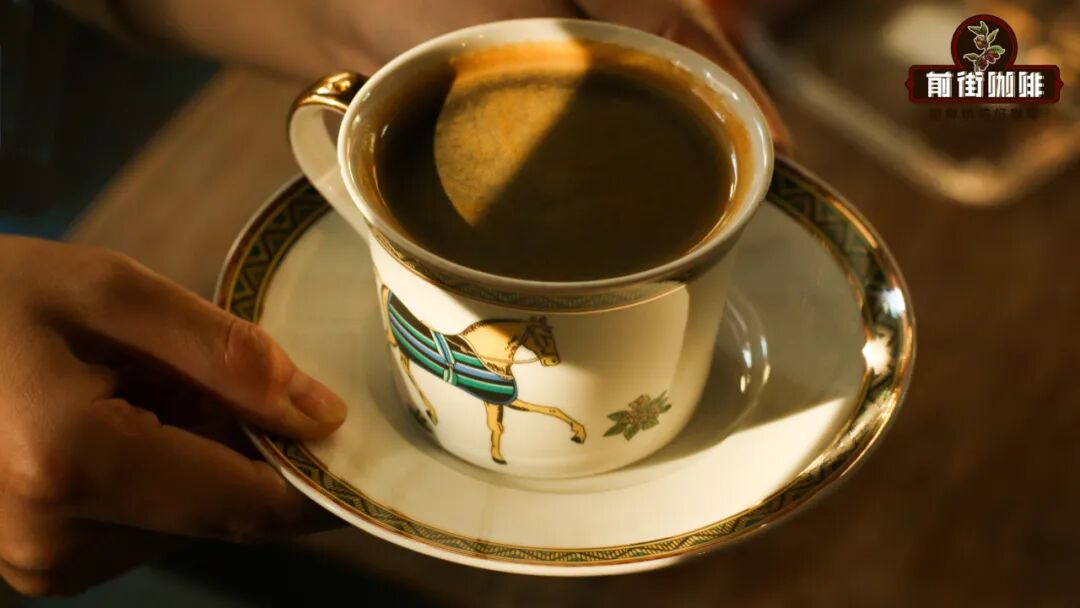
Simply put, black coffee does not refer to a specific type of coffee, but rather a broad category, generally referring tocoffee made using only coffee beans and water, without adding any other ingredients (such as milk, sugar, or other flavorings).That is to say, as long as a cup of coffee contains only coffee and water, it can be classified as black coffee. As for why it’s called “black coffee,” the name speaks for itself — it’s because its color is dark, close to black.
So, why is Americano considered black coffee? Americano is made by diluting espresso with hot water, and espresso itself is a highly concentrated coffee liquid extracted from coffee grounds under high-pressure hot water, with absolutely no other materials added during the process. Therefore,Americano meets the definition of black coffee and is unequivocally a type of black coffee.。

However, as mentioned earlier, black coffee is a broad category, and Americano is just one of its members.The relationship between black coffee and Americano is one of inclusion, not complete equivalence.In other words, all Americanos are black coffee, but not all black coffee is Americano. Therefore, when a customer orders a “black coffee,” we usually ask for further clarification to avoid misunderstanding.
So, besides Americano, what other common coffee drinks also fall under the category of black coffee? In principle,as long as no ingredients other than coffee and water are added during the brewing process, regardless of the brewing method used, the resulting coffee can be considered black coffee.。
Within the espresso-based coffee system, in addition to Americano,espresso (Espresso), long shot (Lungo), and short shot (Ristretto)— as well as variations similar to Americano such as “Long Black” (pouring hot water first then adding espresso, or vice versa) — also belong to the black coffee category.

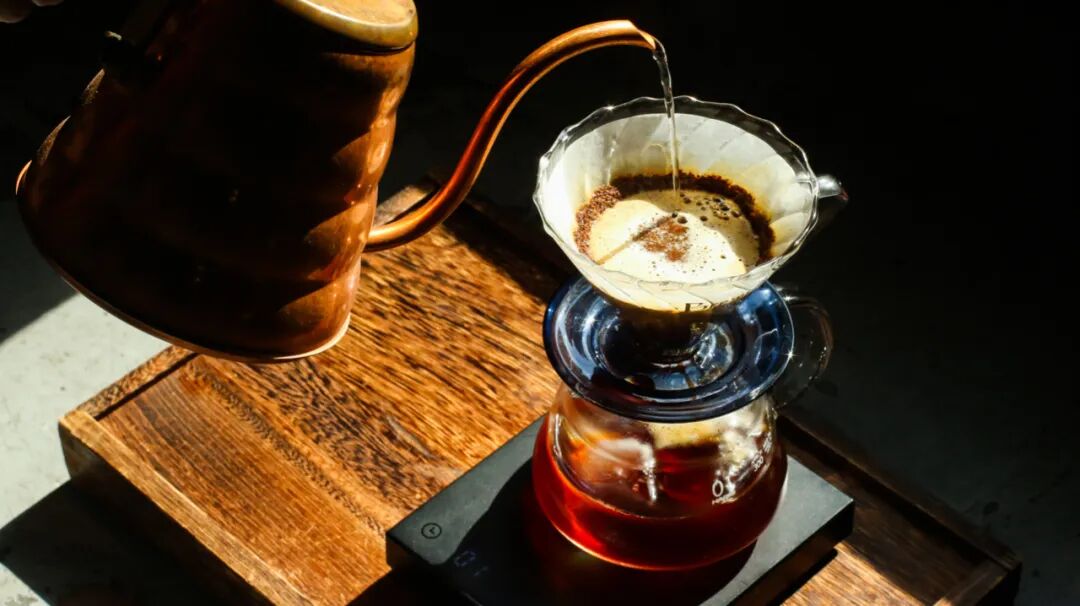
Furthermore, not limited to espresso extraction methods,pour over coffee, siphon coffee, cold drip coffee, and cold brew— as long as these beverages are brewed using only coffee and water without adding milk, sugar, spices, or other flavorings — they are also considered black coffee. Common home brewing devices such as French press, moka pot, and clever dripper, as long as no additional ingredients are added, all produce standard black coffee.

Seeing this, you might ask: “If black coffee is just a combination of coffee and water, how should coffee with other added ingredients be categorized?” These are typically classified as “flavored coffee,” which refers to coffee beverages with added milk, sugar, chocolate, cream, alcohol, salt, or other flavorings.
Common flavored coffees include latte, cappuccino, flat white, con panna, mocha, macchiato, and café au lait. These drinks, due to the addition of various ingredients, offer more diverse flavors and textures, but therefore no longer fall within the category of black coffee.
Additionally, in certain regions or coffee cultures, coffee may also be classified based on color, preparation method, or regional characteristics. For example, coffee with added milk is referred to as “white coffee” in some places (though note that “white coffee” may refer to completely different types of coffee in other regions). Meanwhile, recently popular coffee drinks prepared in a cocktail-like fashion are often called “signature blends” or “specialty coffee.”
In summary,the core definition of black coffee lies in its “purity” — made solely from coffee beans and water, without any additional flavorings or ingredients.From espresso to pour over and cold drip, as long as it adheres to this principle, it can be categorized as black coffee. And when you’re ordering at a coffee shop, if you want to ensure you get the drink you have in mind, it’s best to specify the exact type of coffee or brewing method to avoid misunderstandings caused by the broad term “black coffee.”

The above content is compiled by CoffeeHunters, a coffee news website.


