







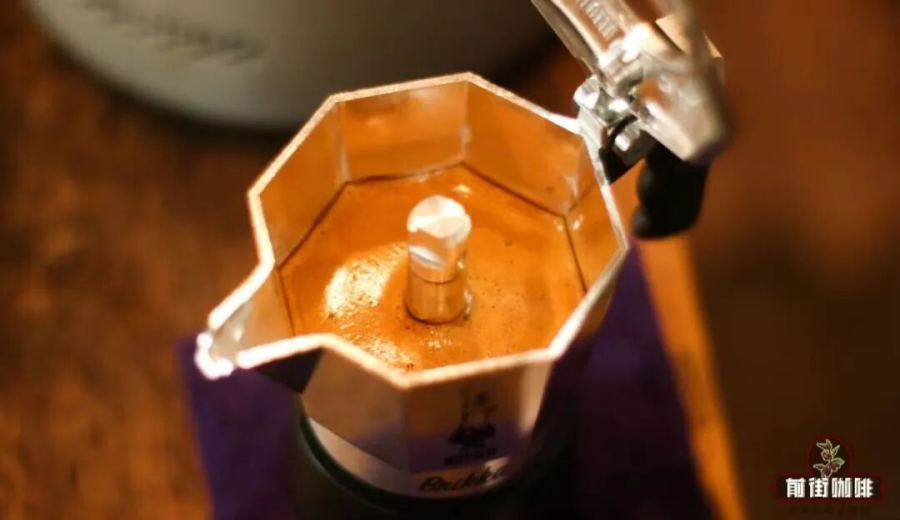
Introduction:Many coffee enthusiasts wonder whether to use filter paper when brewing with a Moka pot, but this small detail can actually have a potential impact on extraction efficiency and ease of cleaning. This article delves into the two common uses of filter paper in a Moka pot—placing it at the bottom of the coffee basket or laying it on top of the coffee grounds—and explains how they affect water distribution, coffee flavor, and ease of cleaning, helping you make the most suitable choice based on your needs.
When it comes to coffee filter paper, most people think of methods like pour over or cold brew. But even for pressure-brewed devices like the Moka pot, quite a few users choose to use filter paper. So, what exactly is the purpose of using filter paper in a Moka pot? And how does the placement affect the outcome? The following will explain in detail.
Simply put, there are two main purposes for using filter paper in a Moka pot: one is to help filter out coffee grounds, and the other is to allow hot water to pass through the coffee grounds more evenly, thereby improving extraction stability. However, since the structure of the Moka pot is different from that of an espresso machine, the effect of the filter paper varies significantly depending on its placement, so it’s important to pay attention when using it.
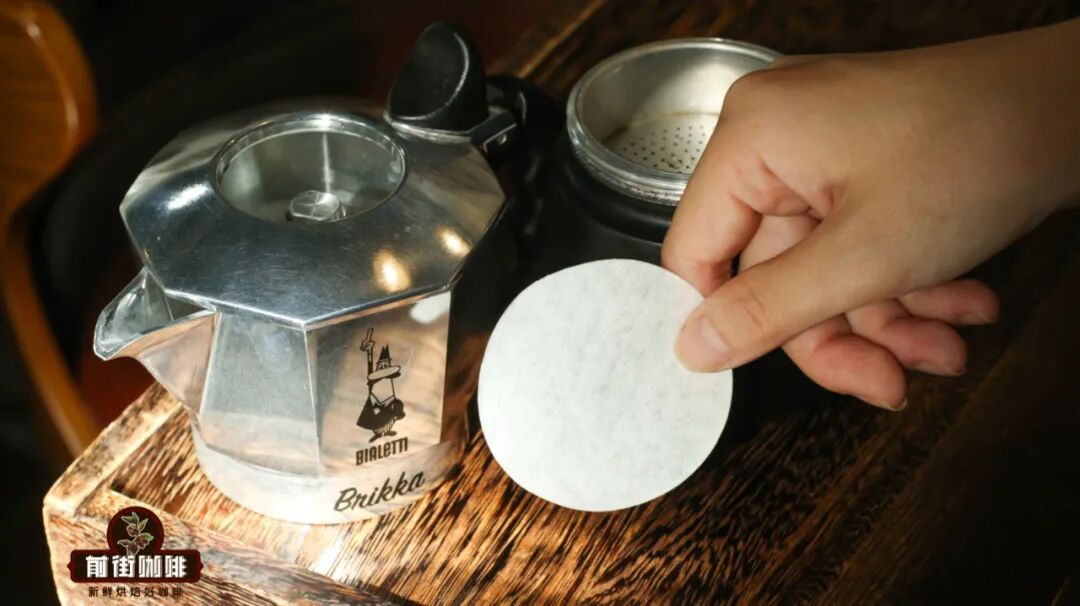
First, if the filter paper is placed at the bottom of the coffee basket, its primary function is to help distribute the hot water, allowing it to pass through the coffee grounds more uniformly. The Moka pot relies on steam pressure generated by heating from below to push the water upward. If the water flow is uneven during this process, it can easily lead to under-extraction or over-extraction of certain coffee grounds. In this position, the filter paper can slightly improve water distribution, but practical tests have shown that this effect is relatively limited and is not a major factor in significantly enhancing flavor.
However, another advantage of placing the filter paper at the bottom of the basket is very practical—it can greatly reduce the amount of coffee grounds that get stuck in the brew spout. The spout at the bottom of the Moka pot’s basket is usually quite large, and after brewing, fine grounds often remain lodged there, which not only affects future use but also increases cleaning difficulty. With filter paper, most of the coffee grounds are blocked by the paper and are less likely to fall into the holes, making cleaning much easier and more convenient. Of course, if you don’t find cleaning to be a big issue, whether or not to use filter paper is simply a matter of personal preference.
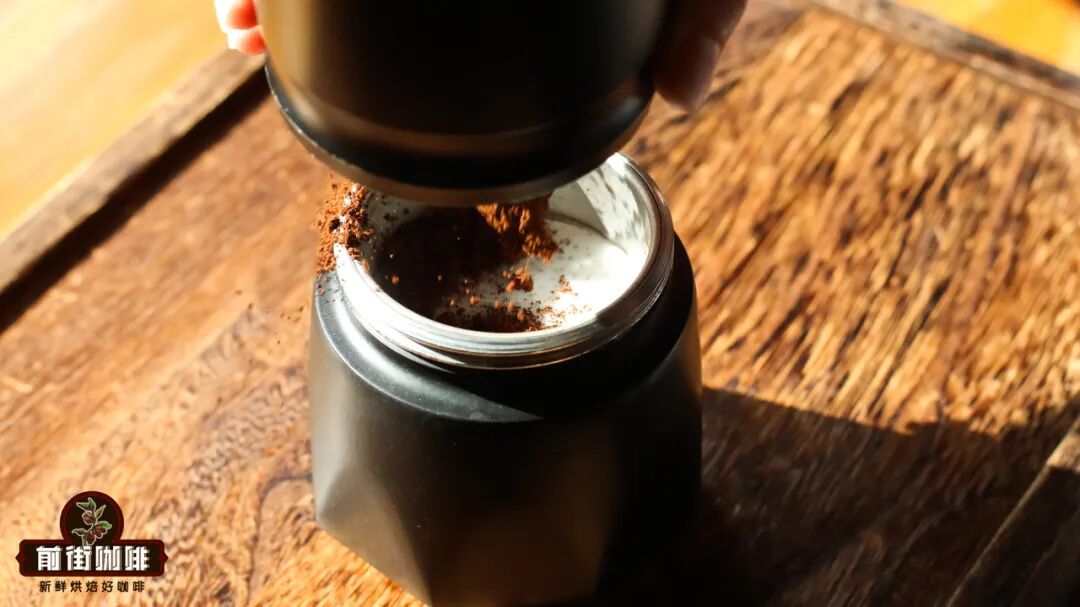
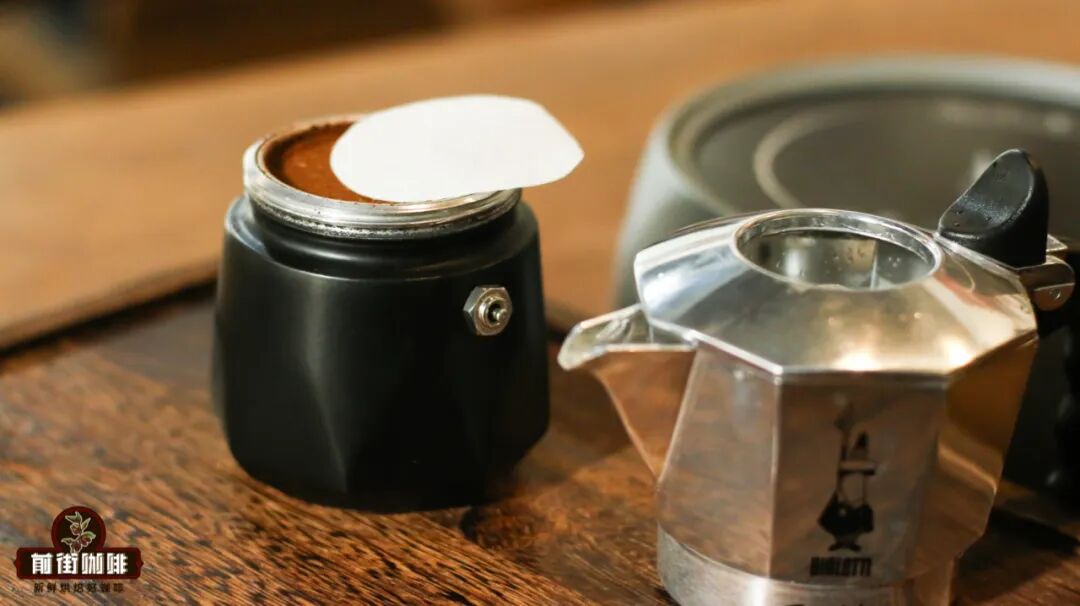
The second common method is to place the filter paper on top of the coffee grounds. This can effectively reduce the number of fine particles that end up in the brewed coffee. Due to the structural limitations of the Moka pot, if the coffee bed isn’t compact enough during extraction or if the coffee is ground too coarsely, small particles can easily flow out with the coffee, affecting the clarity and purity of the flavor. By laying a filter paper on top, these fine particles are blocked, resulting in a smoother and cleaner-tasting cup.
Additionally, another benefit of placing the filter paper in this position is that it can slightly increase the extraction pressure. Because the filter paper covers the top of the coffee bed, it narrows the pathway through which the coffee liquor seeps out, requiring greater pressure for the water to penetrate, which in turn slightly increases the overall extraction pressure. Although the increase is modest, if your coffee is ground coarsely or you’re using a smaller amount of coffee, this method can help enhance extraction efficiency somewhat, resulting in a richer coffee flavor.
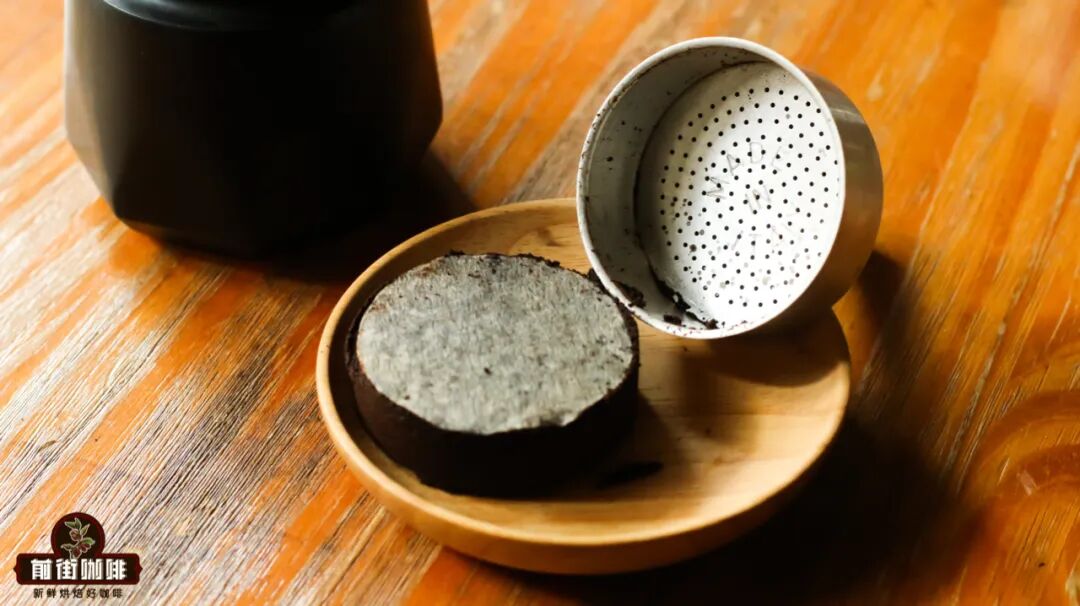
In summary, there are two main ways to place filter paper in a Moka pot, each offering distinct benefits. Placing the filter paper at the bottom of the coffee basket helps distribute the water flow, allowing the hot water to extract the coffee grounds more evenly while also significantly reducing the issue of coffee grounds clogging the spout, making cleaning more convenient. On the other hand, placing the filter paper on top of the coffee grounds can effectively filter out fine particles, improve the clarity and purity of the coffee liquid, and to some extent increase extraction pressure, optimizing the overall extraction performance.
However, no matter which method you choose, the impact of filter paper on the overall flavor of the coffee is minimal. If you particularly value the cleanliness and ease of cleaning of your coffee, you can choose the appropriate filter paper usage method based on your actual situation. But if you feel these minor adjustments don’t significantly affect your brewing experience, it’s perfectly fine to go without using filter paper.
In conclusion, while using filter paper with a Moka pot is not essential, it can indeed offer some practical advantages in specific situations. Whether it’s to improve water flow, enhance the purity of the coffee flavor, or simplify the cleaning process, understanding the correct way to use filter paper can make your Moka pot brewing experience smoother. Most importantly, adjust flexibly according to your own brewing habits and flavor preferences to find the method that works best for you.
The above content is compiled by CoffeeHunters, a coffee news website.


