







Introduction:Did you know that pour over coffee also has an optimal drinking window? From the high-flavor state right after brewing to the gradual decline in aroma and taste over time, every minute affects the overall drinking experience. This article presents real-world tests using both a light roast and a dark roast bean to observe how the aroma, temperature, and flavor of coffee change at various time points after brewing—helping you grasp the best moment to enjoy your pour over and avoid missing its peak.
The so-called “best-by period” usually refers to an ideal drinking stage for coffee beans after roasting. During this time, the carbon dioxide released by the beans is moderate, and the flavor compounds haven’t yet dissipated significantly, enabling the brewing of coffee rich in aroma and layered complexity. However, beyond the beans themselves, there’s also a non-negligible drinking window even for freshly brewed pour over coffee.
Coffee aroma is highly volatile. Once brewed, if not consumed promptly, the aroma will gradually fade over time. In addition, the impact of temperature on taste should not be underestimated. Based on experience, the temperature of coffee alters our sensitivity to flavors such as acidity, sweetness, bitterness, and astringency, thereby influencing the overall flavor balance. For instance, at higher temperatures, we may perceive more sweetness and aroma, while as the temperature drops, acidity and bitterness may become more pronounced.
For this reason, it’s recommended to enjoy your pour over coffee as soon as it’s brewed to get the most complete sensory experience. However, in reality, we often can’t finish the cup in one go, which raises the question: How soon after brewing should you ideally drink your pour over coffee?
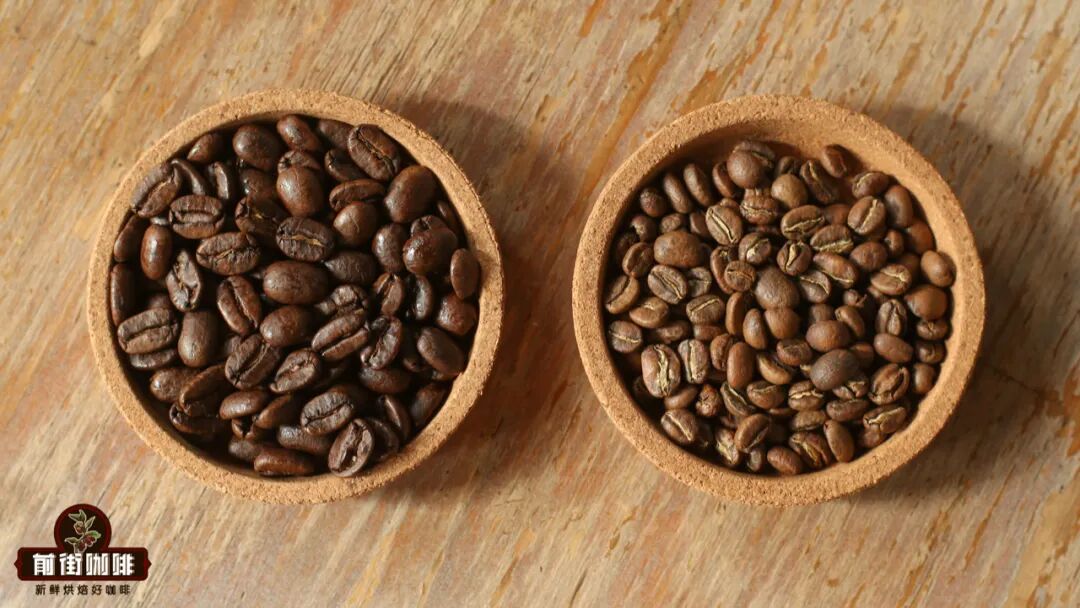
To find out, this experiment specially selected two coffee beans with different roast levels: the light roast Yirgacheffe · GuDingDing and the dark roast Sumatra · PWN Golden Mandheling, simulating real drinking scenarios to observe how these two coffees performat different time points and temperatures in terms of aroma, flavor, and mouthfeel.
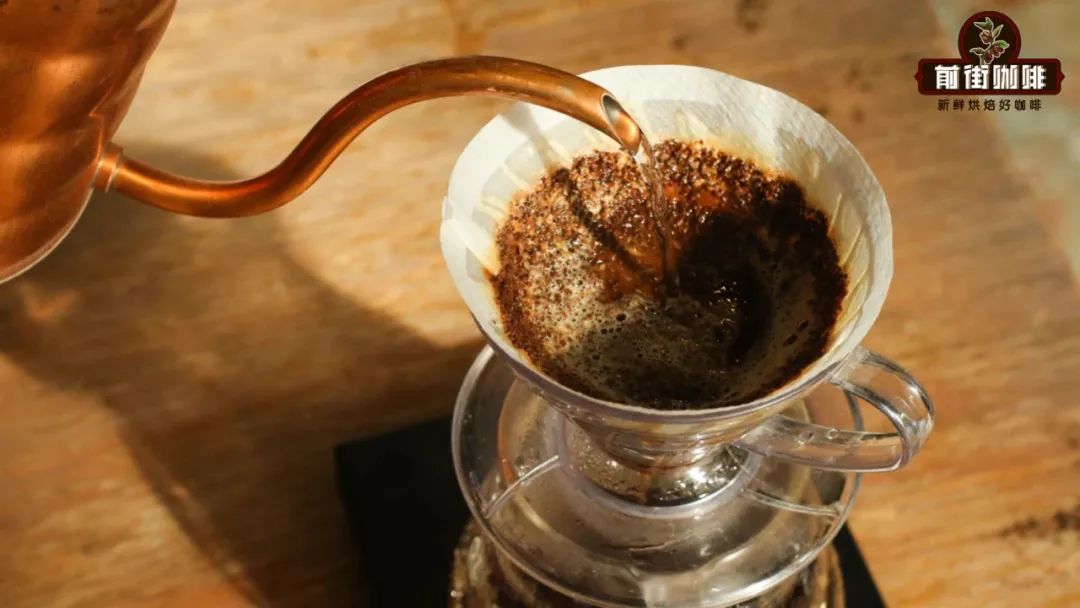
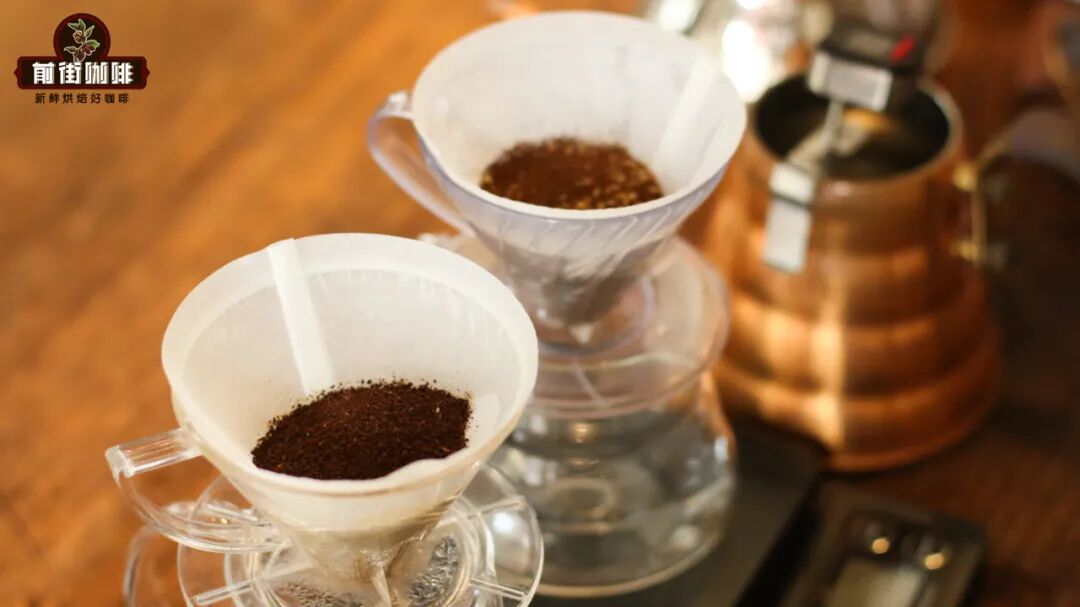
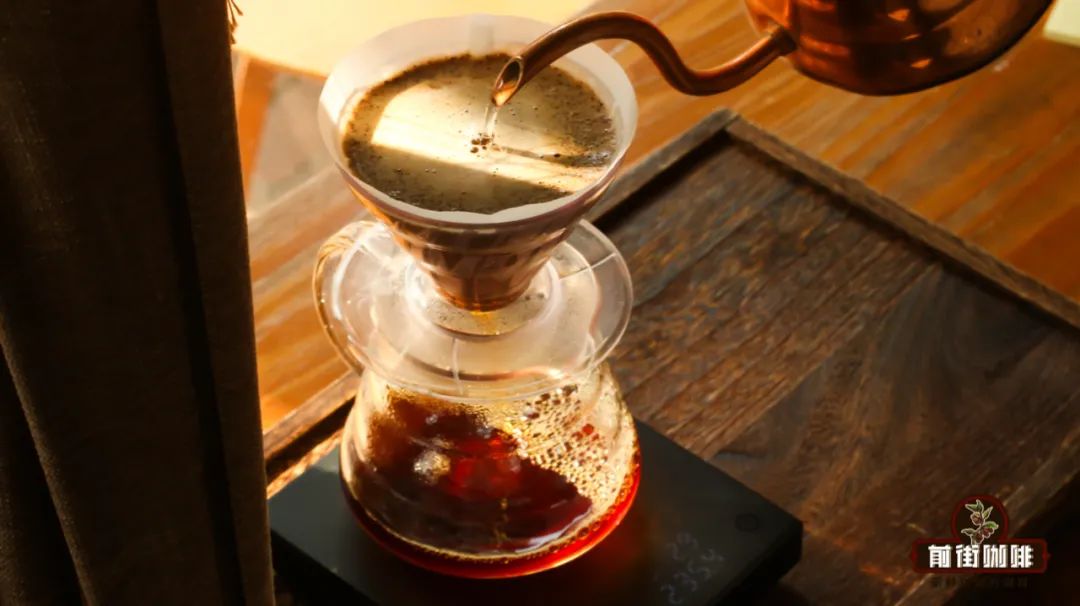
The basic brewing parameters used in the experiment were as follows: 15 grams of coffee grounds, grind size controlled at 75%–80% passing through a #20 sieve, a brew ratio set at 1:15, and water temperature adjusted according to roast level—92°C for the light roast and 88°C for the dark roast. The brewing method employed a three-pour technique with water volumes of 30ml, 120ml, and 75ml, for a total brew time of approximately 2 minutes.
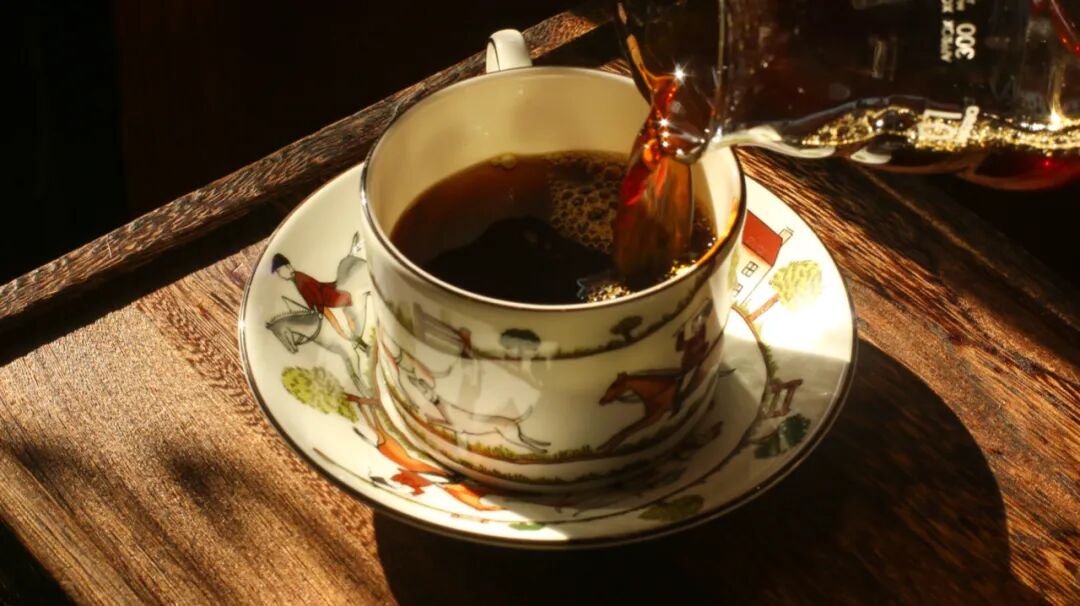
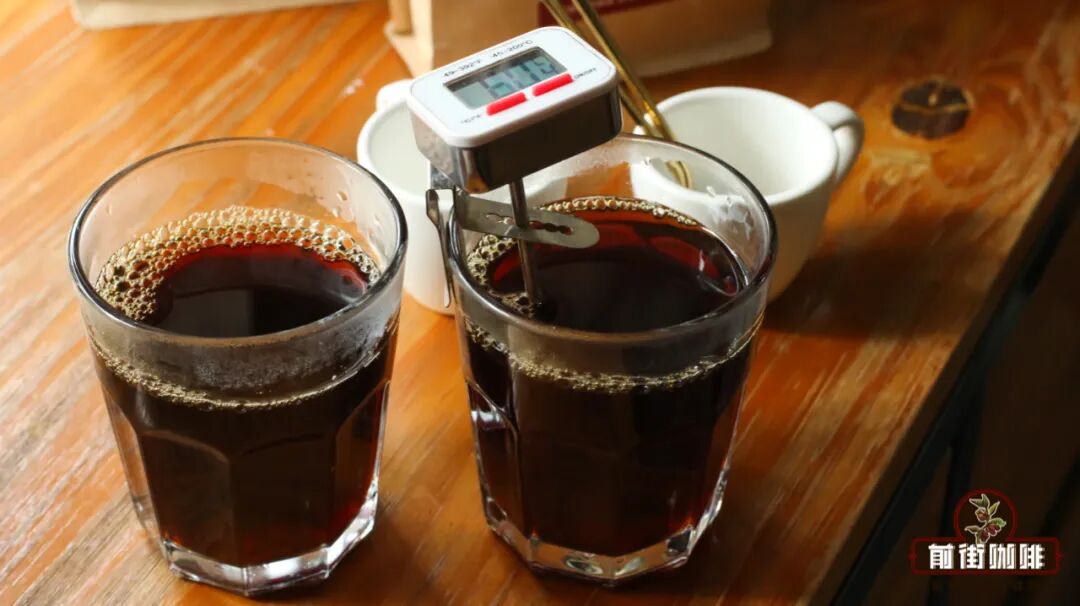
During the experiment, we recorded the overall performance from just after brewing (around 60–65°C), 10 minutes later (about 50–55°C), 20 minutes later (around 45–50°C), 30 minutes later (about 40–45°C), 40 minutes later (approximately 37–40°C), all the way to 50 minutes later, covering aroma, flavor, sweet-sour balance, and mouthfeel changes.
At the freshly brewed stage, both coffees exhibited extremely vibrant aromas. GuDingDing gave off distinct floral and lemon notes, with a balanced flavor profile and smooth mouthfeel, featuring identifiable white floral, lemon, apricot, berry, and subtle oolong tea notes. Golden Mandheling delivered a rich and full-bodied mouthfeel, along with equally outstanding aroma, featuring chocolate, nuts, and caramel tones, accompanied by a creamy sweetness and a hint of spicy finish.
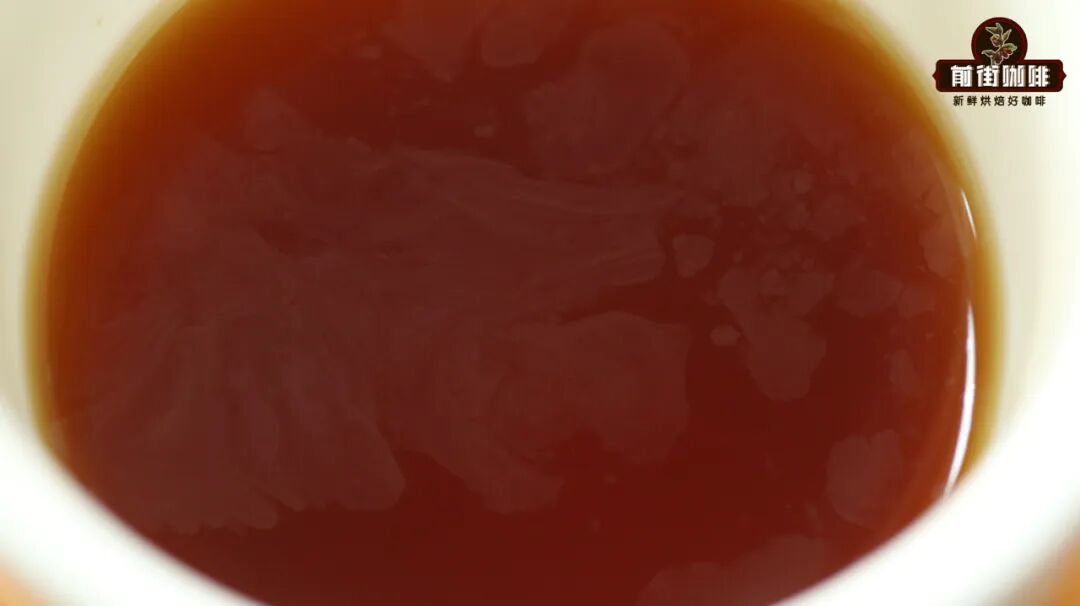
Around 10 minutes later, with the coffee cooled to 50–55°C, both brews still retained relatively rich aromas and smooth mouthfeels, though GuDingDing showed a slight increase in acidity, with no major overall differences. However, by 20 minutes later, when the temperature dropped to 45–50°C, changes became noticeable. The coffee aroma had clearly weakened, with visible oil accumulation on the surface, the mouthfeel was less smooth than before, and the flavor layers were not as vivid as right after brewing.
Observing further at 30 minutes (temperature around 40–45°C), GuDingDing’s acidity began to dominate, with the originally delicate floral notes almost disappearing, replaced by more prominent sour-sweet fruit flavors such as lemon, apricot, and berries. Golden Mandheling displayed a more pronounced bitterness, with flavors shifting toward dark chocolate, nuts, cream, and caramel, while the finish still maintained a stable presence.
By 40 minutes (temperature at 37–40°C), both coffees had lost their initial bold aromas, and the mouthfeel had also slightly declined, with reduced fluidity and smoothness. Although the acidity and bitterness did not intensify further, the overall flavor presentation became more muted, with a noticeable weakening of layering.
Finally, at 50 minutes, although the coffee’s temperature remained stable, its aroma, flavor, and mouthfeel were no longer outstanding. While the overall experience wasn’t unpleasant to drink, it could hardly be called an enjoyable cup. This shows that pour over coffeein a normal room-temperature resting state reaches the limit of its flavor performance after about 50 minutes.
Based on the overall experimental results, to fully experience the best flavors of pour over coffee, it’s recommended to finish drinkingwithin 50 minutes of brewingin order to capture the most complete layers—from aroma to mouthfeel. Of course, some readers might wonder, if coffee doesn’t taste good when it cools down, can heating it up restore the flavor? The answer is no.
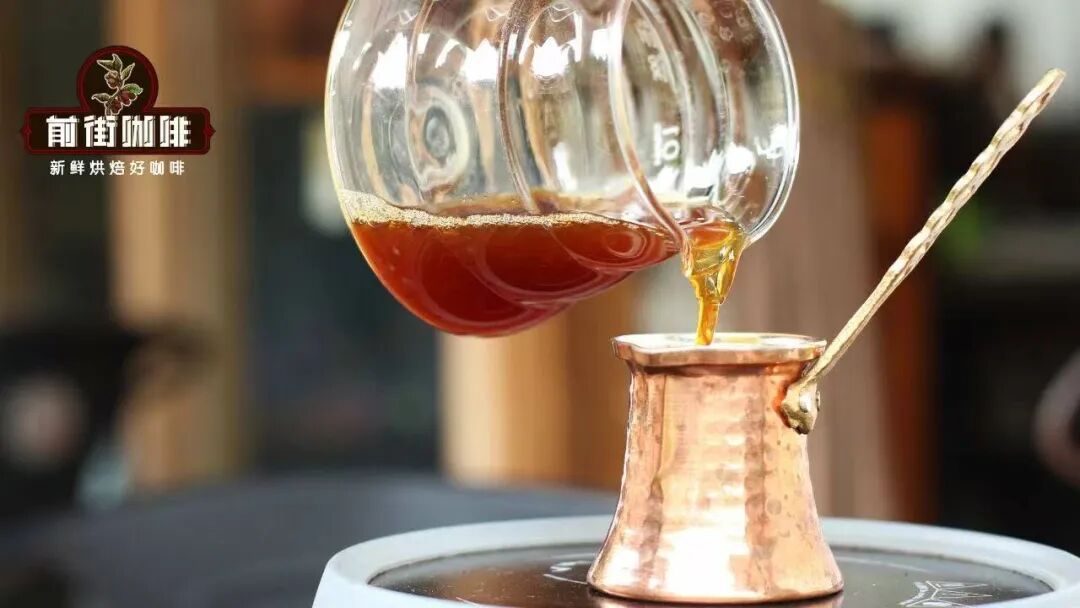
In reality, although heating may slightly improve the balance of flavors, the volatile aromas have already dissipated, making it very difficult for heated coffee to return to the vividness it had when freshly brewed. If you truly want to extend the drinking window of your pour over coffee, it’s recommended to use a “lid” or a thermos to effectively slow down aroma loss and temperature drop, thereby extending the optimal drinking period.
The above content is compiled by CoffeeHunters, a coffee news website.


