







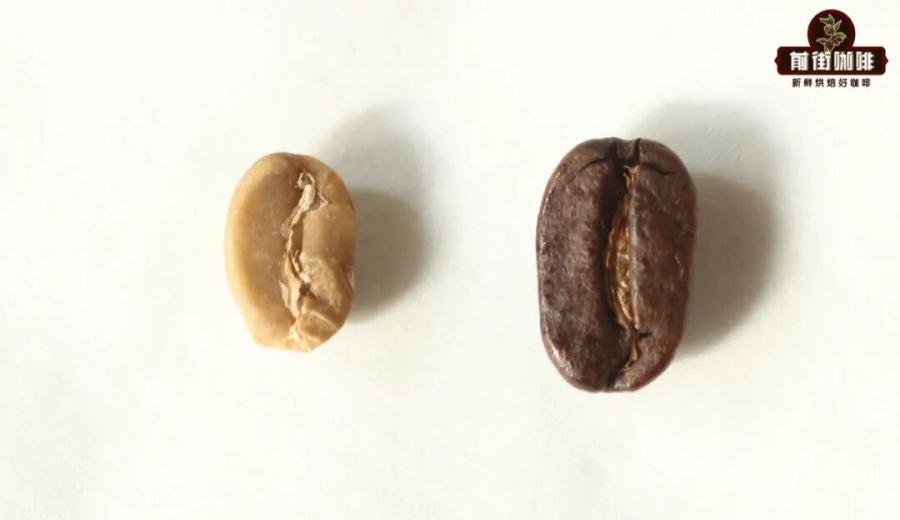
Introduction:When coffee beans develop an oily sheen on their surface after being stored for a while, does it indicate a decline in quality or is it a sign of proper roasting? Many coffee enthusiasts have this question. This article delves into the real reasons behind oily coffee beans, analyzing how roast level, processing methods, and storage conditions influence oil formation. It helps readers accurately assess the condition of their coffee beans and avoid misunderstandings that could affect brewing quality.
Many coffee lovers who buy beans to brew at home may have noticed this phenomenon: some beans start to develop a glossy, oily appearance after a period of storage, while others remain dry even after being kept for a long time. This has led to polarized views among consumers—some believe oiliness indicates high quality, while others worry it’s a sign of moisture absorption or spoilage.
In fact, both views are somewhat misguided. Oily coffee beans are actually a normal occurrence—they neither directly reflect coffee quality nor necessarily mean the beans are damp or spoiled (assuming proper storage). So why do roasted coffee beans become oily? The key lies in the composition of the beans themselves and the physical changes that occur during roasting.
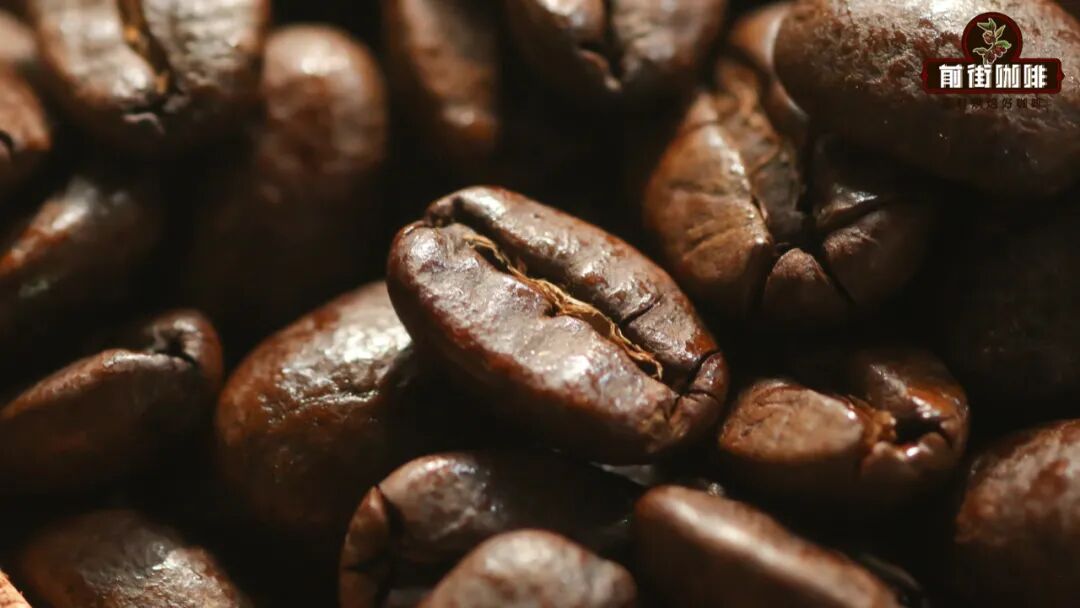
Coffee beans naturally contain a certain proportion of water-soluble lipids. In their green (unroasted) state, these oils are tightly bound within the fibrous matrix due to the dense structure of the beans. However, once the beans undergo roasting, things begin to change. During the roasting process, as the roaster continuously supplies heat, the internal cell walls of the beans gradually expand, forming numerous tiny pores and storing large amounts of carbon dioxide.
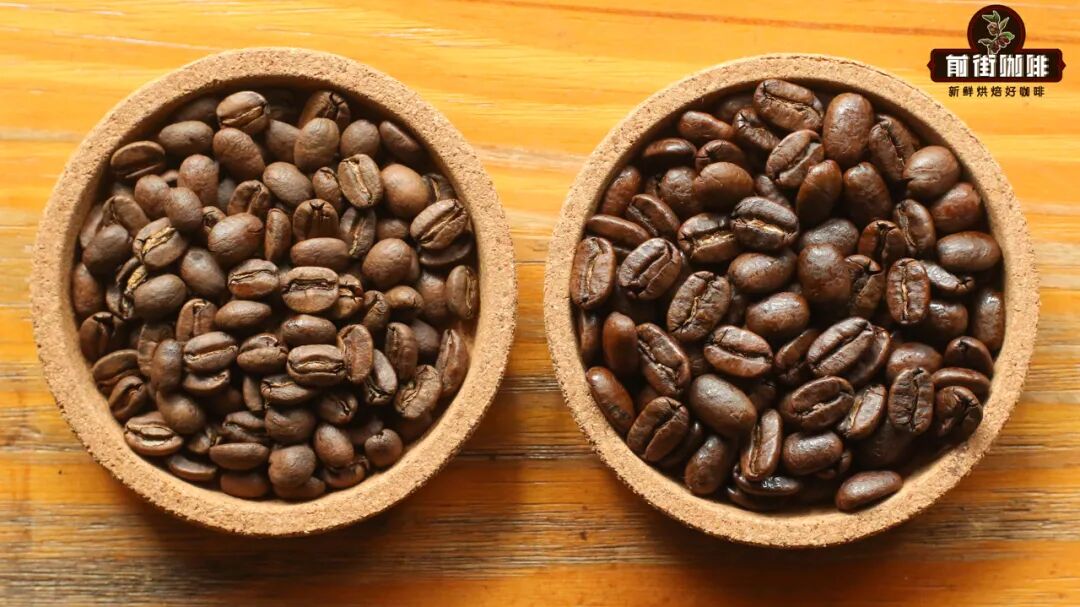
After roasting, when the beans return to normal temperature and pressure, the carbon dioxide that was trapped inside begins to be released. In this process, the lipids that were previously sealed within the beans also gradually seep out through the surface along with the escaping CO₂, resulting in what we call the “oiling” phenomenon. However, not all coffee beans exhibit obvious oiliness. Typically,beans that are roasted to a darker levelare more prone to showing this effect.
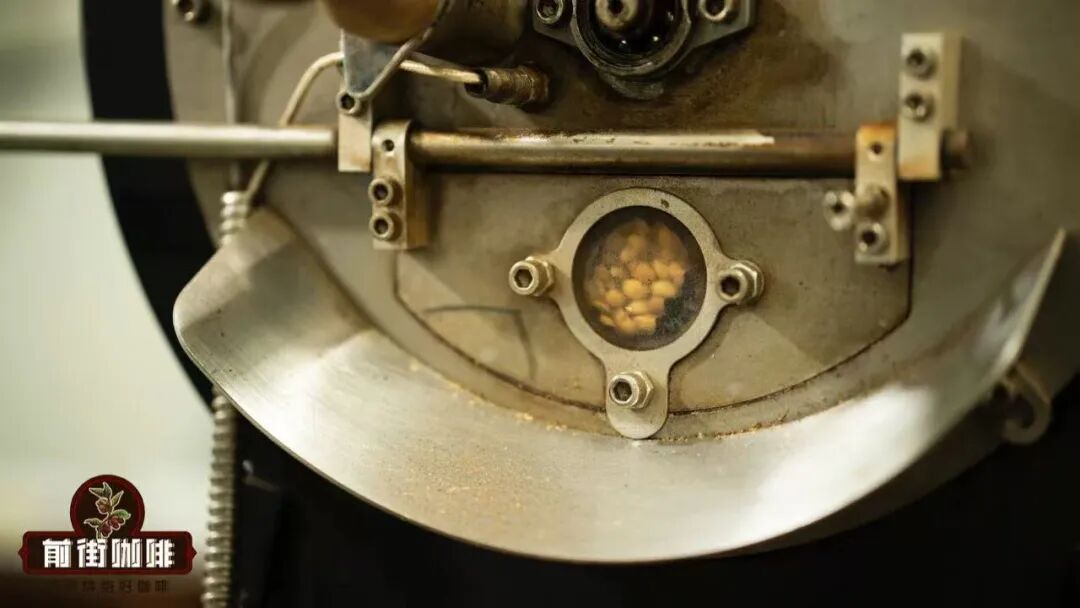
The darker the roast, the more heat the beans are exposed to, resulting in greater expansion of the bean structure and a looser internal configuration. This looser structure not only accommodates more carbon dioxide but also reduces the adhesion of lipids to the bean surface, making it easier for the oils to emerge. For example, if you compare two beans with similar roast dates—one a medium-dark to medium Papua New Guinea Paradise Bird, and the other a medium-dark to dark Sumatra Golden Mandheling—you’ll clearly see that the latter shows significantly more oil within the same timeframe.
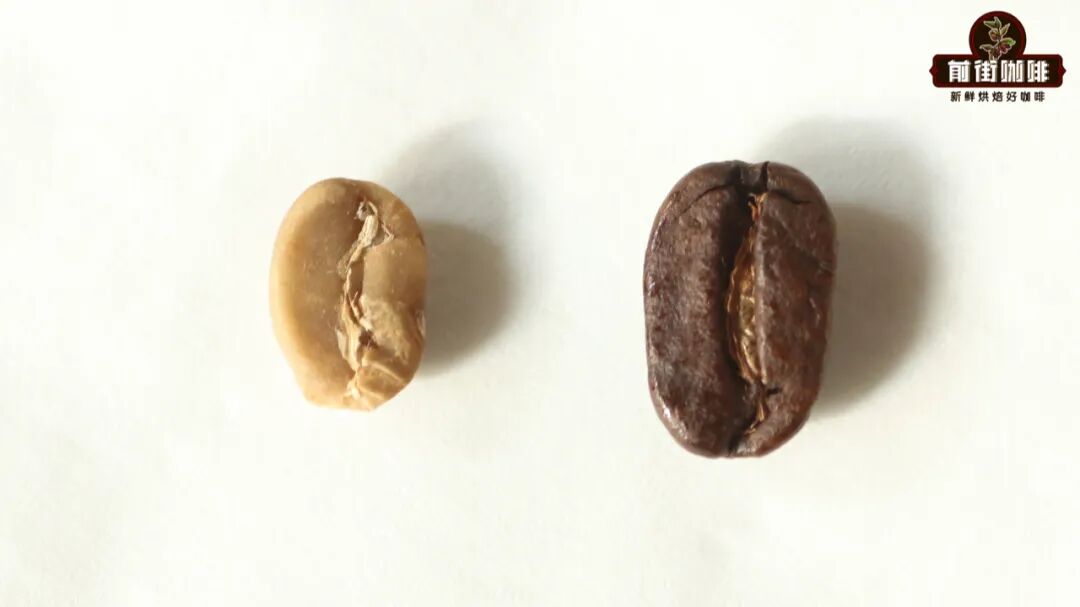
Aside from roast level,the speed of oilingis also closely related to roast degree. Generally speaking, for the same coffee variety, the darker the roast, the faster the beans will develop oil. Some dark roasted beans may even start showing oil on the surface on the very day they’re roasted, whereas lighter roasted beans may take several days or even longer to display similar signs.
It’s worth noting that factors influencing coffee bean oiling are not limited to roast degree. Theprocessing method,roasting technique, andoriginal bean densityalso play roles in oil formation. For instance, beans processed using anaerobic methods often undergo significant structural changes during processing, typically resulting in lower bean density. As such, under the same roasting conditions, these beans are more likely to become oily compared to those processed using traditional methods.
As for roasting techniques, though they involve professional parameters like heat control and timing settings, simply put, different roast profiles affect the expansion rate of the beans, which in turn influences oiling levels. Since most consumers aren’t directly involved in the roasting process, we won’t go into technical details here. However, understanding these influencing factors helps us view the oiling of coffee beans more objectively.
In summary, whether coffee beans develop an oily surface is not directly related to their quality. Oiling is neither a guarantee of high quality nor necessarily a warning sign of degradation (as long as the storage environment is good). However, once coffee beans begin to oil, it’s important to pay closer attention to storage methods, as oiled beans are more susceptible to flavor deterioration due to exposure to air, moisture, or light. Improper storage can lead to unpleasant off-flavors. Therefore, it’s recommended that consumers adjust their storage methods based on the condition of the beans to ensure every cup delivers the best possible flavor.
The above content is compiled by CoffeeHunters, a coffee news website.

