







Introduction:Hacienda La Esmeralda is the driving force behind the global rise of Geisha coffee. Its Red Label and Green Label Geishas are particularly popular among specialty coffee enthusiasts. But with such a significant price difference between the two, what distinguishes their quality and flavor? This article delves into Hacienda La Esmeralda’s Geisha grading system, origin sources, processing differences, and offers practical brewing comparisons to help you find the Geisha that suits you best.
If Geisha is likened to a thousand-mile steed, then Hacienda La Esmeralda is undoubtedly the discerning eye that spotted its brilliance. It is this renowned estate in Panama that propelled Geisha to fame during the 2004 Best of Panama (BOP) competition, establishing its top-tier status in the specialty coffee world. Without Hacienda La Esmeralda’s promotion, Geisha might still be relatively unknown today.
As Geisha’s popularity soared, Hacienda La Esmeralda also established a rigorous grading system, among which the most well-known are the “Red Label Geisha” and “Green Label Geisha.” These two beans are not only widely favored in the market but are also commonly found in both online and physical stores. However, their prices differ by more than double, leaving many consumers curious: why is there such a huge price gap between two Geishas from the same estate?
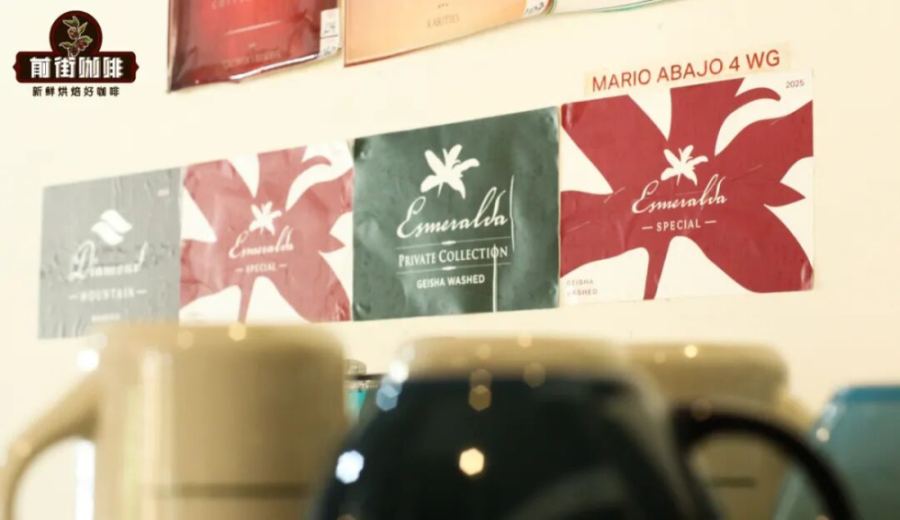
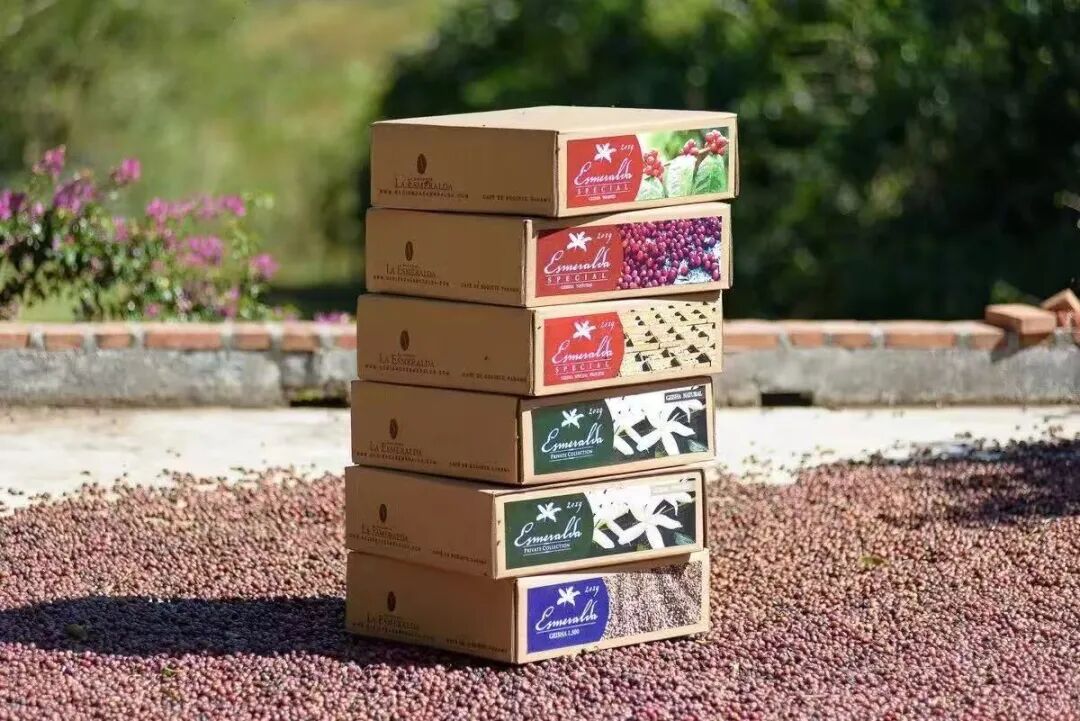
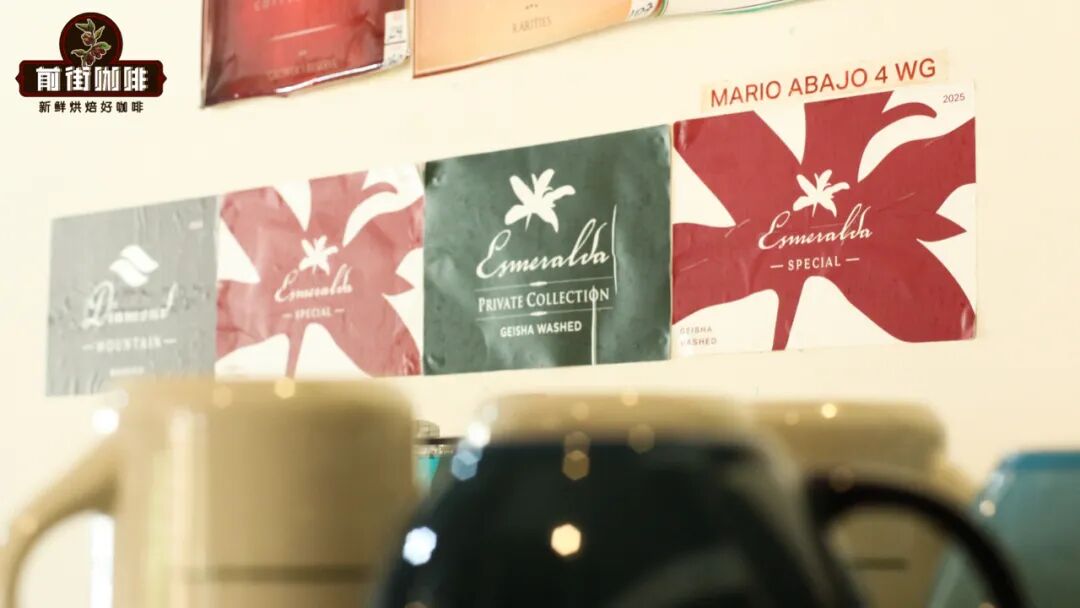
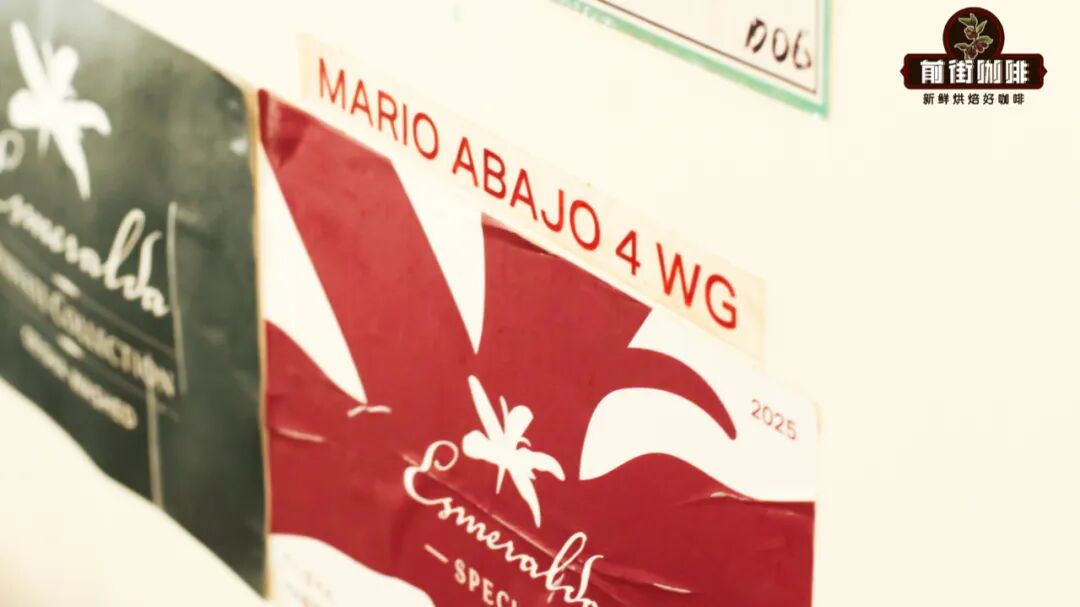
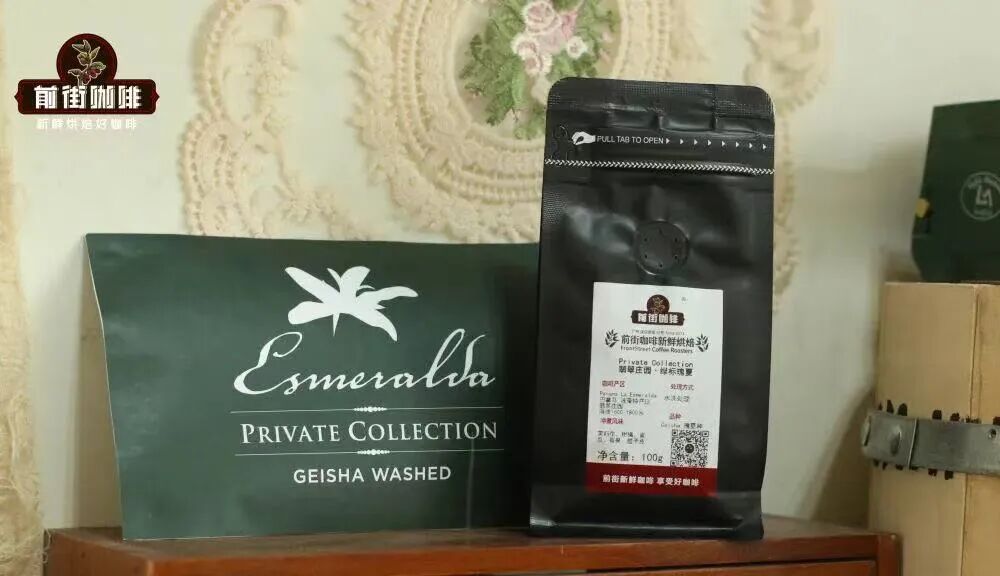
First, it’s important to clarify that the commonly seen “Red Label” and “Green Label” are not official product names, but rather trademark color codes used by Hacienda La Esmeralda to differentiate grades. The Red Label represents the highest grade, officially named Esmeralda Special; the Green Label is the next tier down, known as Private Collection, with green as its dominant trademark color.
Red Label Geisha is considered the estate’s top-tier product outside of auction lots. It is grown at altitudes of over 1600 meters, consistently scores above 91 in cupping evaluations, and comes from single plots. Each batch comes with detailed traceability information, including plot location, altitude, day-night temperature variation, latitude and longitude, tree age, harvest time and frequency, processing method, and total yield. Each pack of Red Label comes with a unique batch number, allowing the full production chain to be tracked.

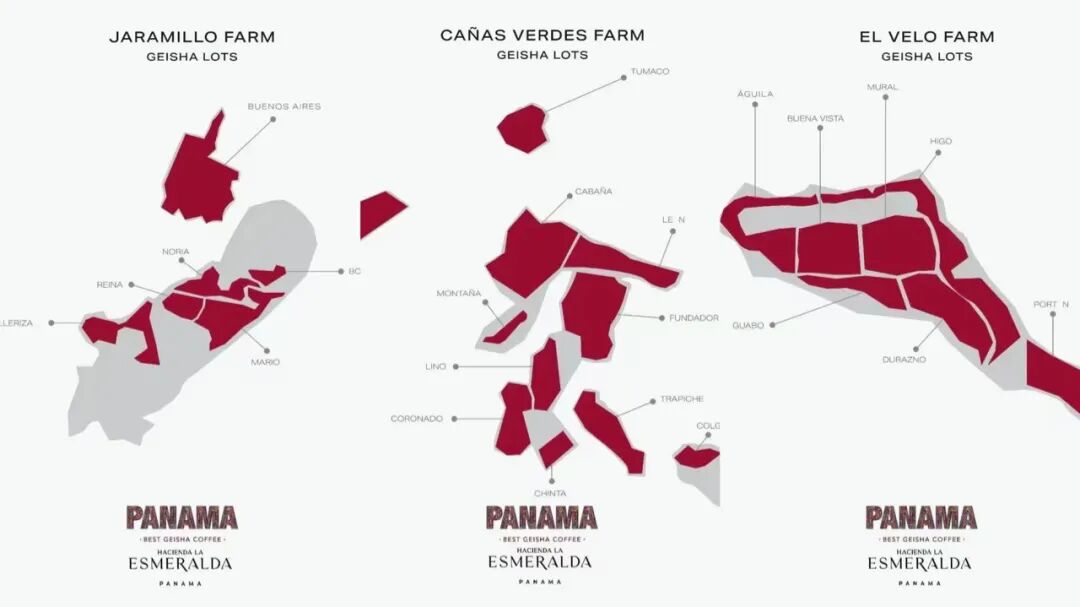
In comparison, Green Label Geisha is grown at altitudes between 1600 and 1800 meters, with processing methods limited to traditional options—natural and washed. The most distinctive feature of Green Label is that it is a blend from multiple estates, rather than a single plot. Hacienda La Esmeralda includes three sub-farms: Jaramillo, Canas Verdes, and El Velo. Each of these farms is further divided into multiple plots (24 in total), and Green Label is a blend of Geishas from these various plots. As a result, it does not offer the same level of detailed single-origin information as Red Label.
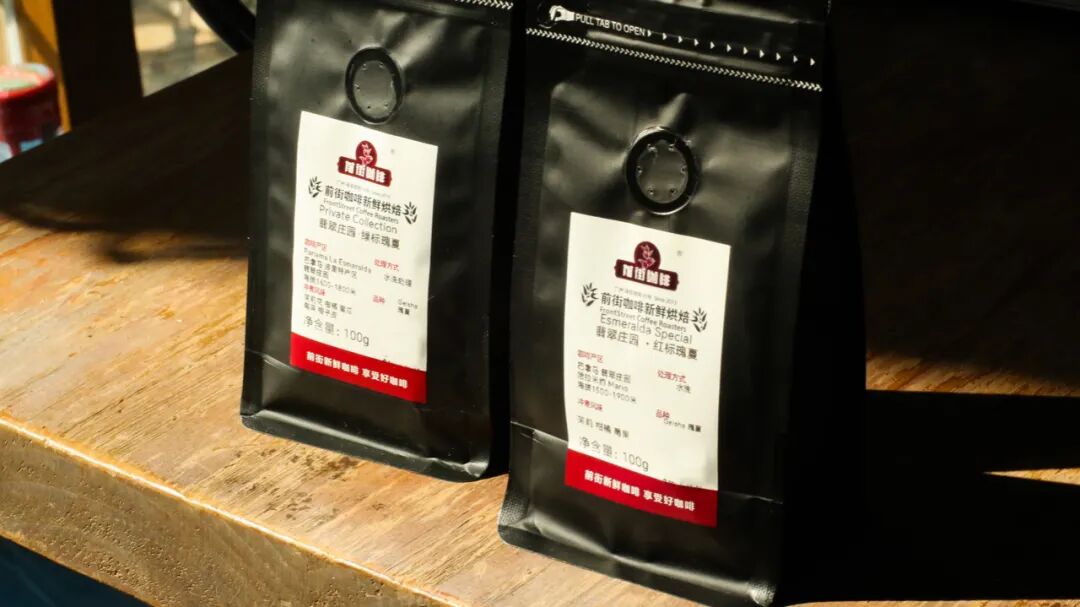
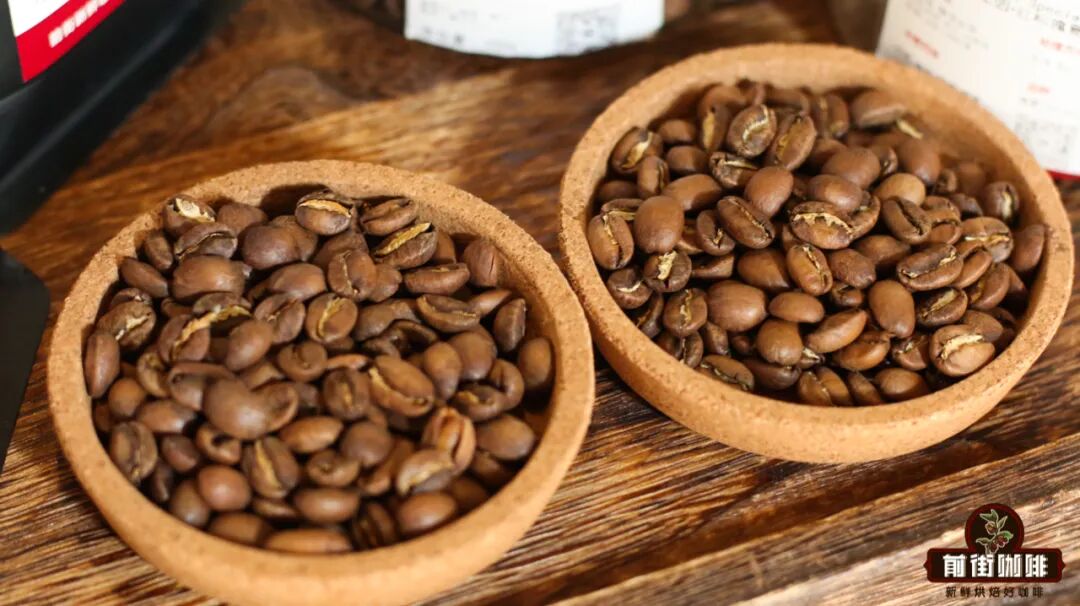
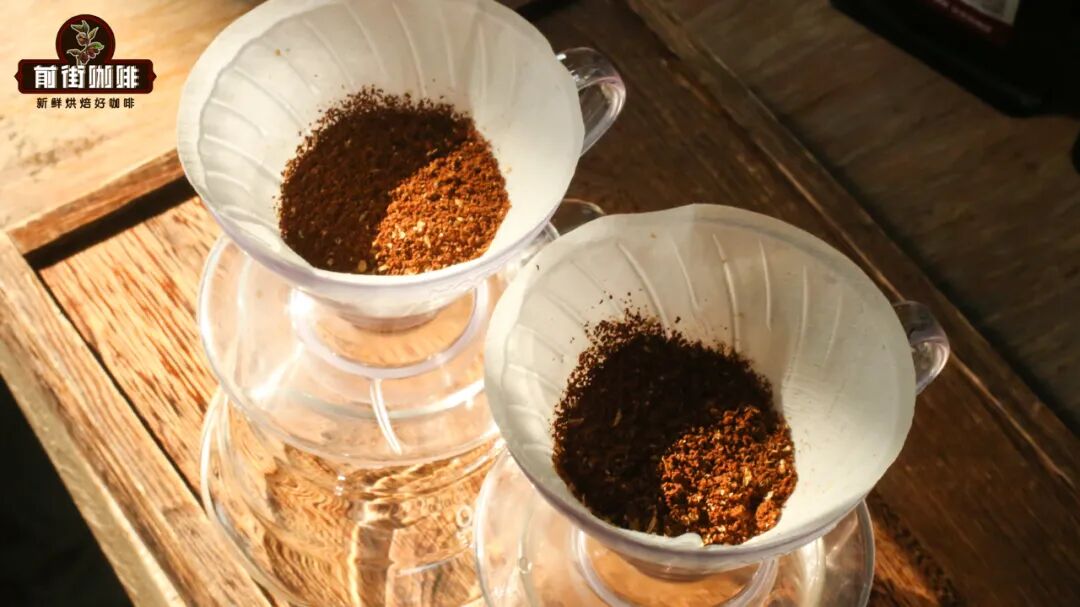
With an understanding of the grade differences, let’s now explore the flavor profiles of the two. Take, for example, the newly harvested washed Red Label Geisha from the Mario plot in Jaramillo and the regular washed Green Label. Both are medium-light roasted, use the same processing method, and share identical brewing parameters: 15g coffee, 1:15 brew ratio, grind size around setting 10 on the Ek43 grinder (80% passing through a #20 sieve), water temperature 92°C, using a V60 dripper with a three-pour technique—first pour with double the dose for a 30-second bloom, second pour of 120ml hot water poured slowly to expand, third pour with a small stream circling to add the remaining 75ml, for a total extraction time of about 2 minutes and 15 seconds.
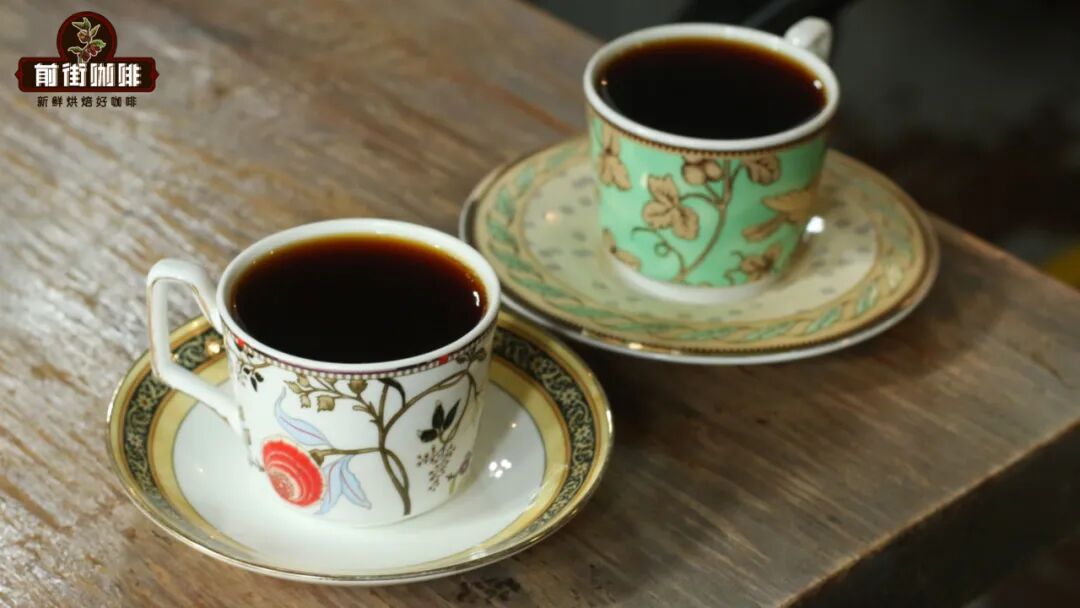
In terms of flavor, the Green Label showcases white floral notes, citrus, honey, and an oolong tea-like undertone, paired with sweet sensations of caramel and melon. The overall mouthfeel is smooth and rounded, with a long aftertaste, reminiscent of a jasmine tea with fruity notes. The Red Label similarly presents floral and fruity characteristics, such as jasmine, berries, and citrus, along with an oolong tea sensation, but has a cleaner mouthfeel and clearer layering of flavors. For those who are not heavy Geisha drinkers, the two may be hard to distinguish in a blind tasting—after all, they share the same origin and variety, with differences mainly lying in the purity of details and clarity of layers.
Overall, Red Label Geisha, with its single-origin plot, stringent selection, and full traceability, is ideal for coffee lovers seeking the ultimate in quality and flavor experience. The Green Label, on the other hand, offers a similar foundational flavor profile at a more accessible price point, making it arguably the most cost-effective Geisha choice under the Hacienda La Esmeralda label (the original Blue Label line has been discontinued). If you’re looking to experience classic Geisha flavors, the Green Label washed or washed Geisha from the Boquete region are both great entry-level options.

The above content is compiled by CoffeeHunters, a coffee news website.

