







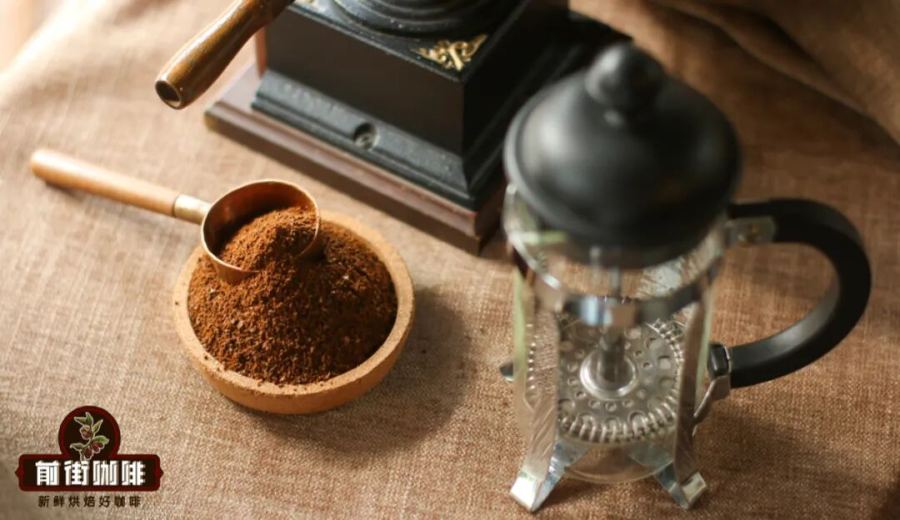
Introduction:The first step in making coffee is grinding the beans into an appropriate powder form. Different brewing methods require vastly different grind sizes—choosing the wrong one not only affects taste but may also cause high-quality beans to lose their flavor potential. This article will provide a detailed breakdown of the optimal grind size ranges for mainstream brewing methods such as pour over, cold brew, ice drip, French press, moka pot, and espresso. It includes precise sieve pass-through rate references, water temperature recommendations, brew ratios, and extraction times, as well as tips on how to determine if your coffee grind is just right. Even beginners can quickly get the hang of it and brew coffee with ideal flavors.
Whether you’re pour overing, cold brewing, making espresso, or using a moka pot, the first step is always to grind the coffee beans into powder. The purpose of this is to increase the contact area between coffee and water, accelerating the release of flavor compounds and thereby enhancing the overall flavor complexity and body of the coffee.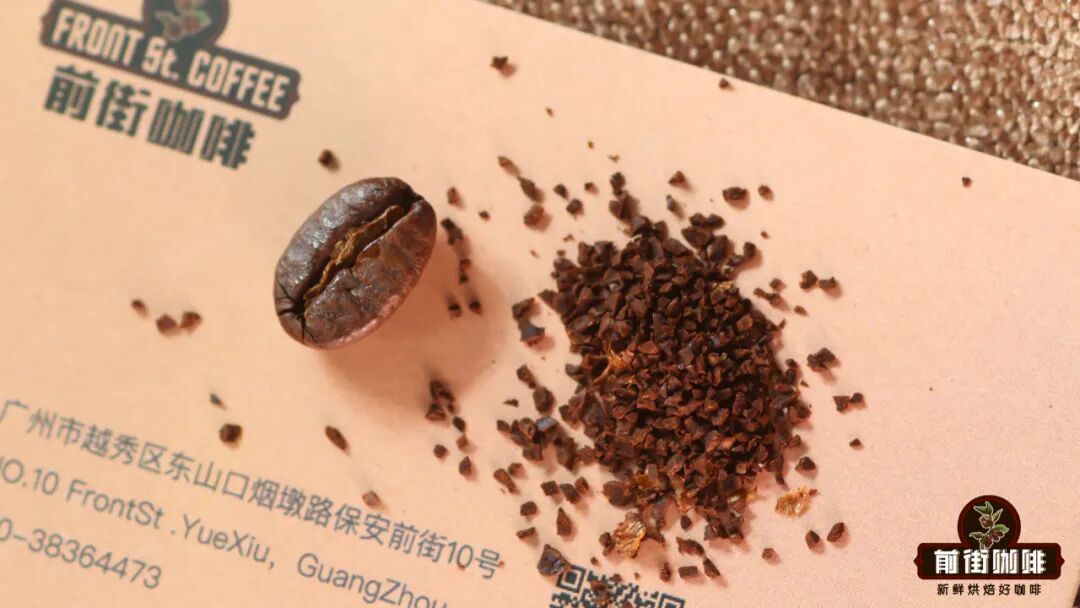
However, not all soluble components in coffee beans contribute to pleasant flavors—some are undesirable or even unpleasant. The key to brewing delicious coffee lies in controlling the extraction parameters to fully release the good flavors while avoiding the bitterness and astringency caused by over-extraction. Among these factors,grind size is one of the most critical parameters. Even if all other conditions are perfect, an improper grind can make it difficult to achieve the desired taste.
Recently, we’ve received many questions about grind size, covering various brewing methods such as pour over, cold brew, and moka pot. Therefore, this article will delve into the suitable grind coarseness for each common brewing method, along with practical judgment criteria and parameter suggestions.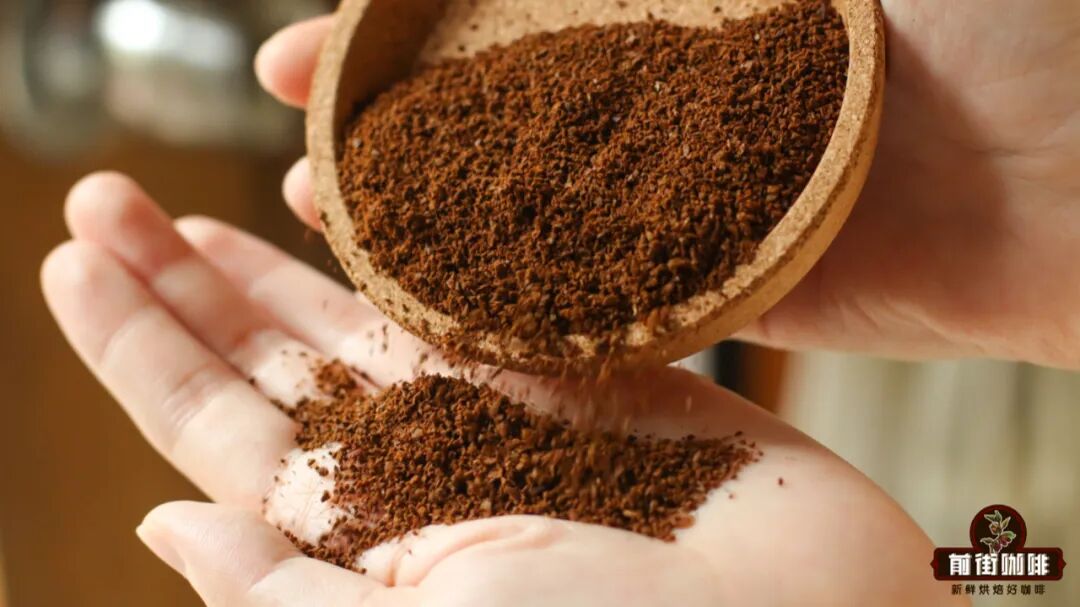
Since grind size cannot be directly represented by numbers like water temperature or water volume, many people are accustomed to comparing it to everyday items such as “fine sugar” or “flour.” However, such descriptions are highly subjective—the “fine sugar” particle size can vary greatly from person to person, which may lead to significantly different coffee flavors even when other parameters remain consistent.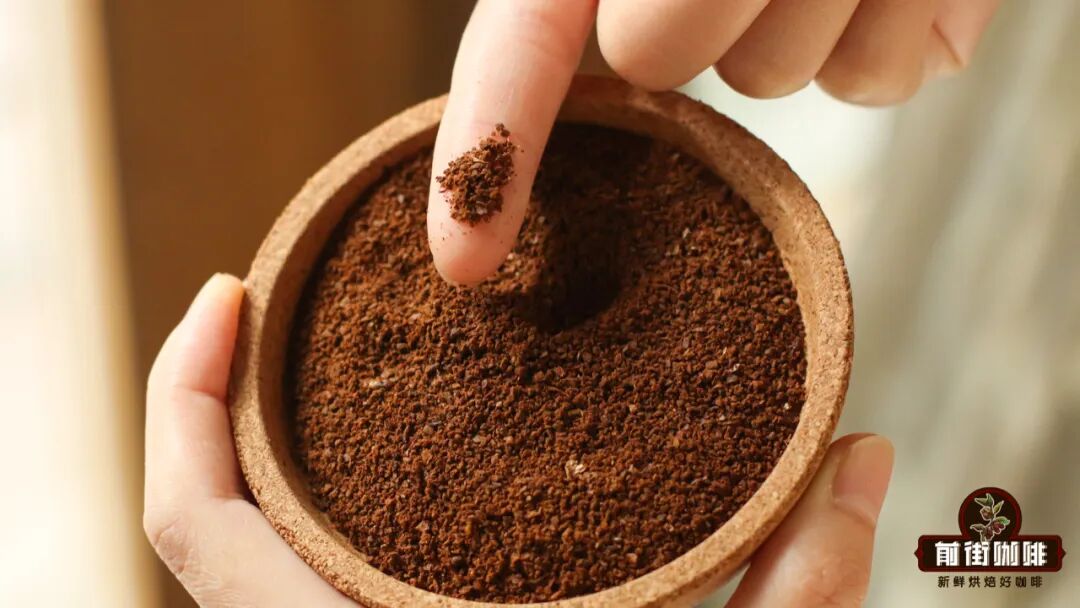
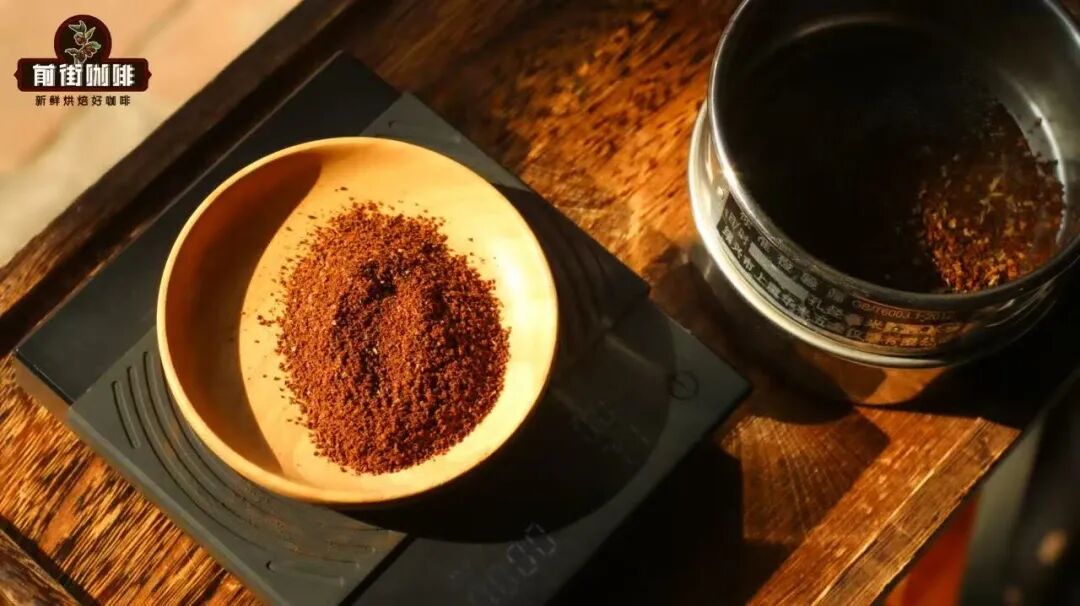
Additionally, everyone uses different grinder models, and the settings cannot be uniformly matched. Therefore, this article recommends usinga No. 20 Chinese standard sieve (with a 0.85mm aperture) for sieve pass-through rate testingas an objective measure of grind size. This method more accurately describes the actual coarseness of the coffee grounds, facilitating adjustments and reproducibility.
The operation is simple: pour the ground coffee into the sieve and shake it until no more particles fall through. Then weigh the coffee that has passed through the sieve to calculate the pass-through rate. For example, if you use 10 grams of coffee and 7.1 grams remain unpassed, the pass rate is 71%. The higher the pass rate, the finer the coffee grind; conversely, the lower the pass rate, the coarser it is.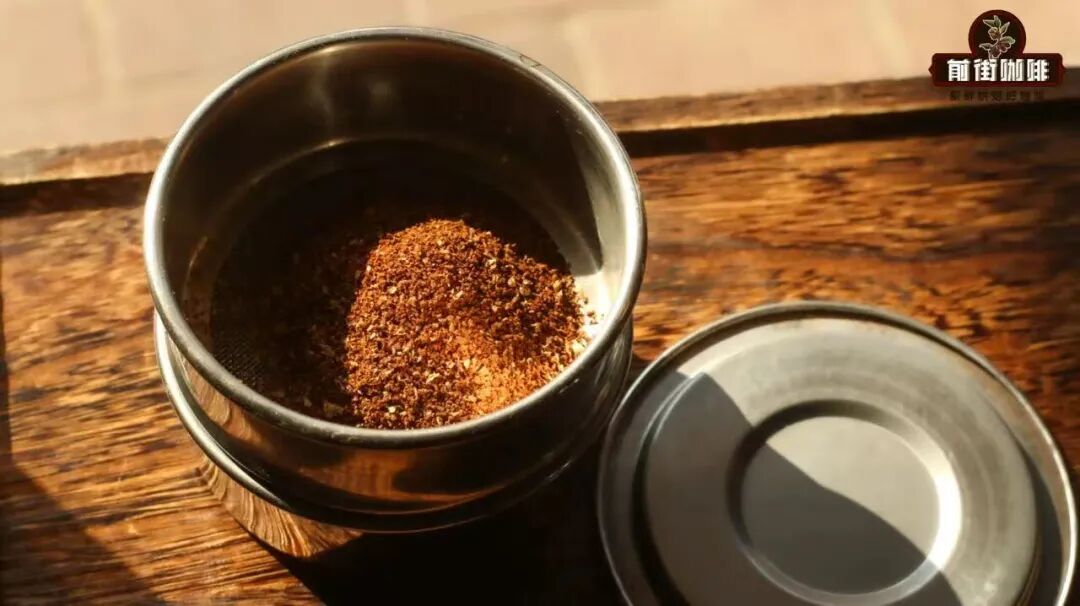
Once you understand this method, you’ll have a clearer grasp of the grind sizes described in this article. Next, we’ll introduce the suitable grind size ranges for each major brewing method one by one.
I. Grind Size for Pour Over Coffee
Pour over is a type of drip filtration extraction, usually done by manually pouring water, with a relatively short total extraction time (about 1 minute 30 seconds to 2 minutes 30 seconds). To fully extract the coffee flavors within this limited time, pour over generally requires a finer grind size.
The roast level of the coffee beans affects the choice of optimal grind size. Generally, it can be divided into two categories: medium-light roast and medium-dark roast:
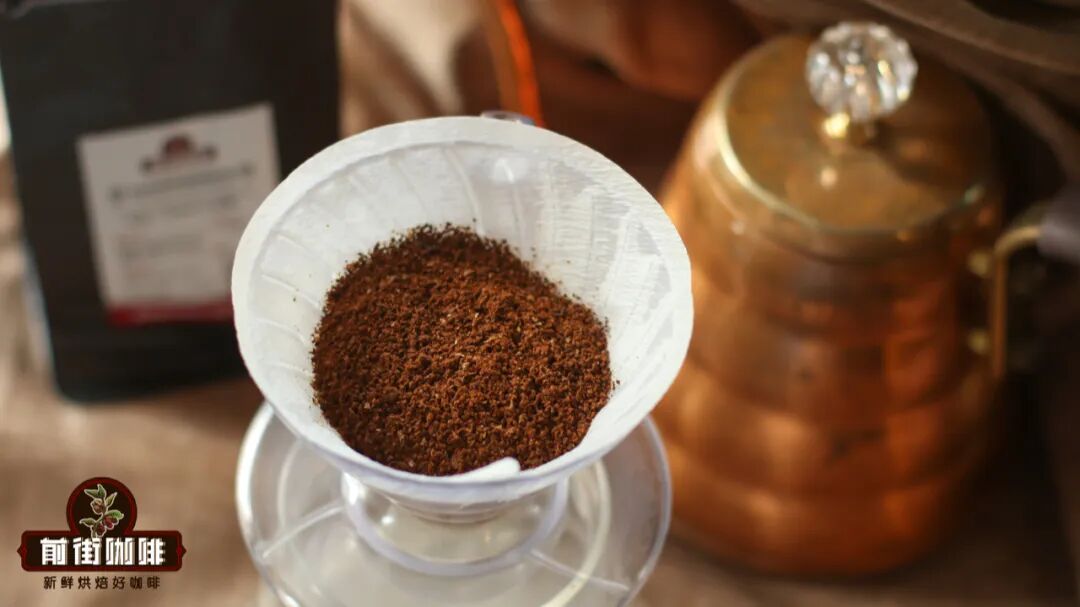
For medium-light roast coffee beans, it is recommended to use a finer grind, such as an Ek43 grinder set to 10, corresponding to a 20-number sieve pass rate of approximately75%–80%. With a water temperature of90–93°C, a brew ratio of1:15, and a brewing time of about2 minutes (for 15 grams of coffee).
For medium-dark roast beans, you can slightly coarsen the grind—for example, setting the Ek43 to 11, with a 20-number sieve pass rate of about70%–75%. The water temperature is recommended to be86–89°C, with other parameters similar to those above.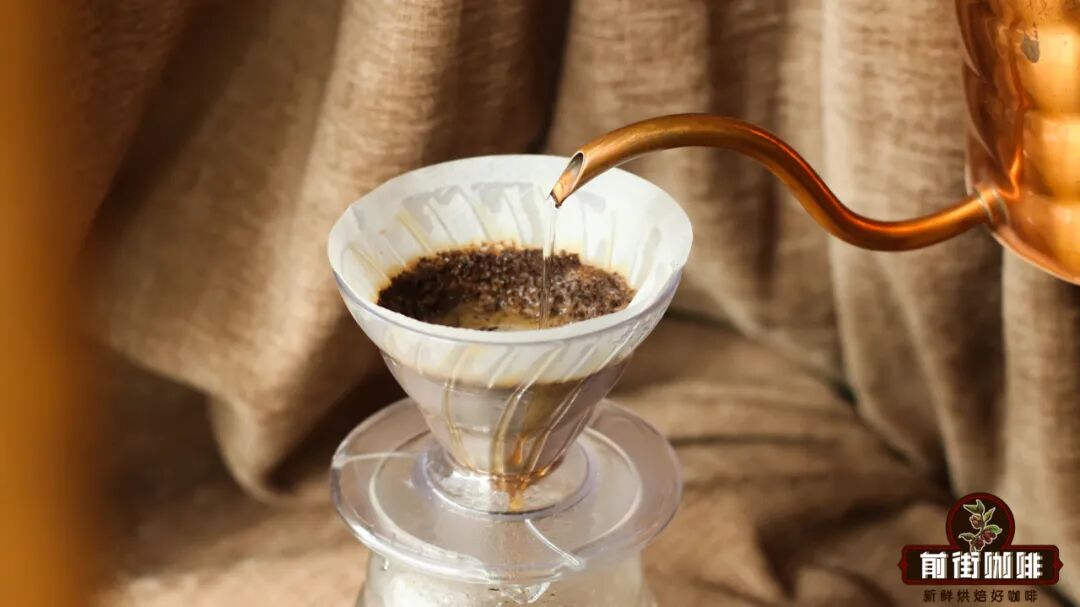
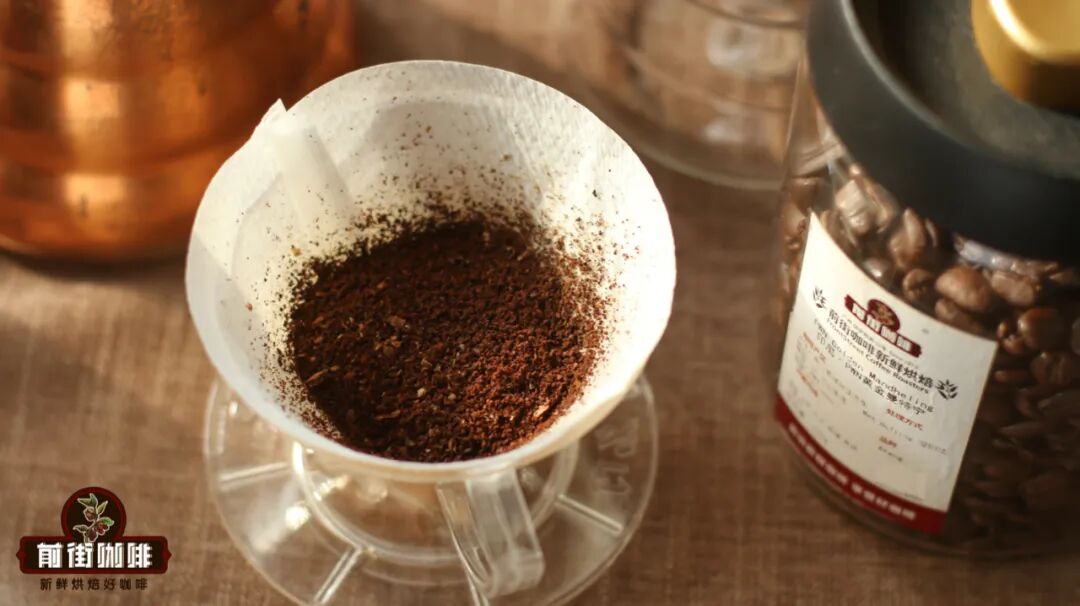
If doing iced pour over, the grind should be one notch finer than hot pour over, and the brew ratio is recommended to be changed to1:10 (powder-to-water-and-ice ratio), keeping water temperature and time unchanged.
II. Grind Size for Cold Brew (Ice Drip / Cold Soak)
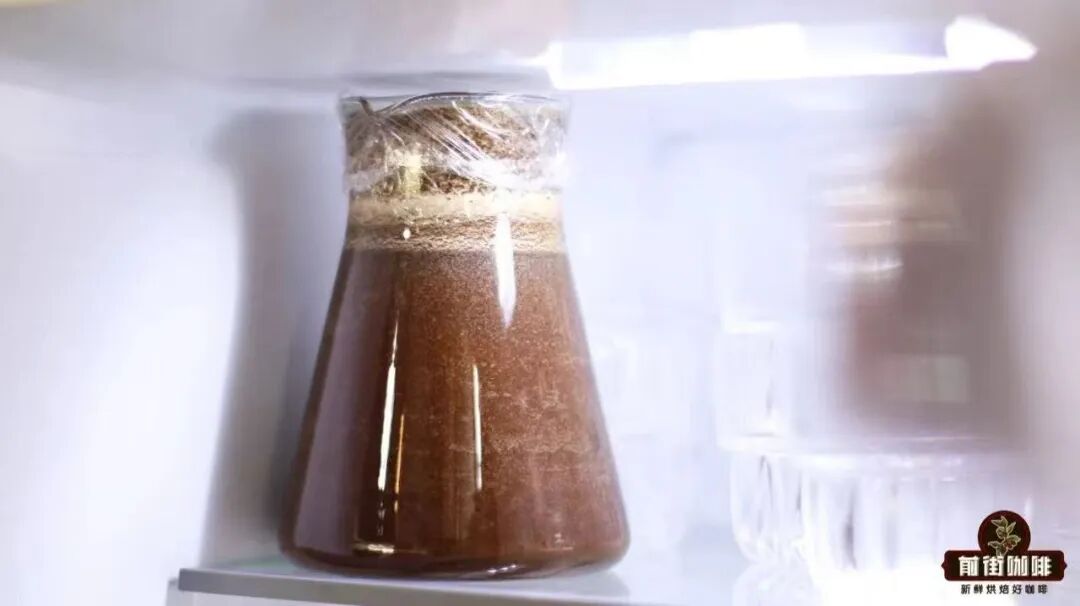
Cold brew mainly includes two forms: cold soak and ice drip, both using cold water for extraction—the former being an immersion method, the latter a drip filtration method. Since cold water has poor permeability and low extraction efficiency, it is recommended to usea finer grind than for pour over, generally keeping the 20-number sieve pass rate between80%–85%, with a brew ratio of1:10(for ice drip, the ratio is powder-to-liquid), and an extraction time of about8–12 hours (ice drip speed recommended at 7 drops per 10 seconds).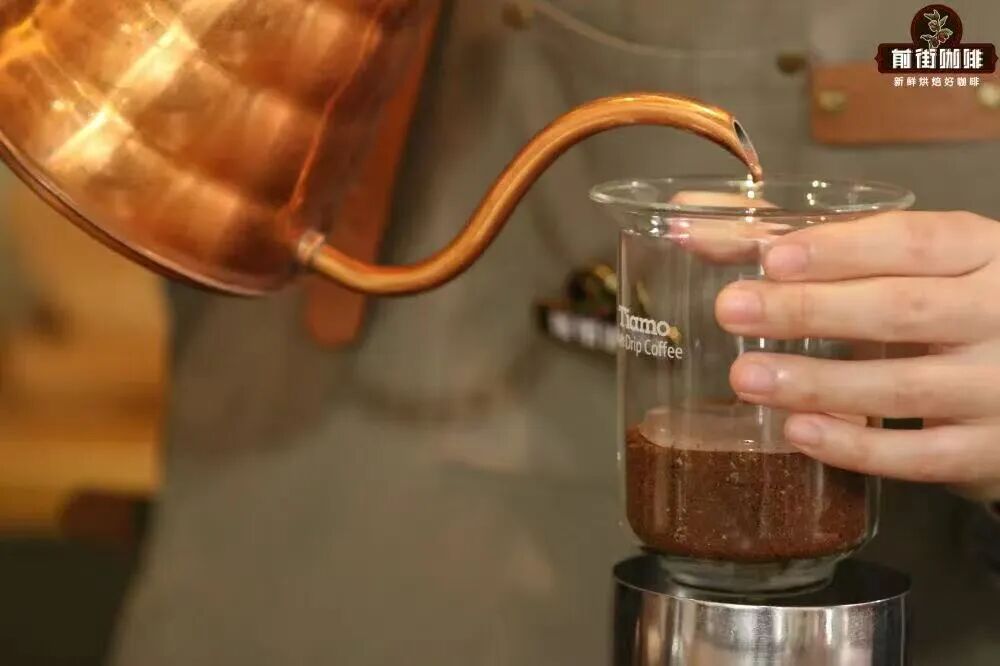
It’s worth noting that grinding too finely may cause fine particles to absorb water and clump together, reducing extraction efficiency. If you find the flavor to be weak, consider adjusting to a slightly coarser grind or using tea bags to separate the coffee grounds, which can help improve overall extraction.
III. Grind Size for French Press / Clever Dripper
These immersion-style brewing tools allow the coffee grounds to steep in water for a long time without much agitation. Plus, the concentration naturally stratifies, making it easier to control when bitterness emerges—thus, a coarser grind can be used. Taking the French press as an example, it is recommended to use a coarseness with a 20-number sieve pass rate of about70%, paired with94°C hot water and a brew ratio of 1:16, steeping for8–9 minutes.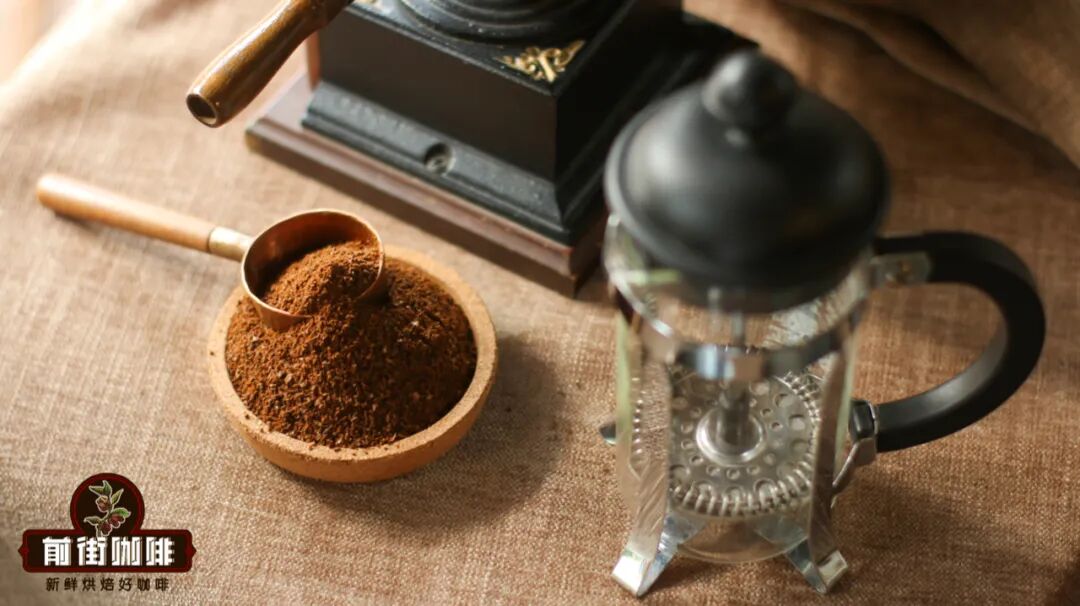
If you want to shorten the time, you can also use a finer grind or add stirring. For instance, using a grind close to that of pour over, you can filter after about4 minutesof steeping.
IV. Grind Size for Moka Pot / Espresso
Moka pots and espresso machines use pressurized extraction, which must be completed in an extremely short time, thus requiringa very fine grind. Such grind sizes are difficult to measure with sieves and are usually judged based on actual extraction performance.
Taking espresso as an example, a common target parameter is20 grams of coffee yielding 40 milliliters of espresso, with a time control of 28–35 seconds. Adjust the grind size to bring the extraction time into this range, then make final tweaks based on flavor evaluation. The grind for a moka pot can be slightly coarser but still needs to approach the fineness offlour texture.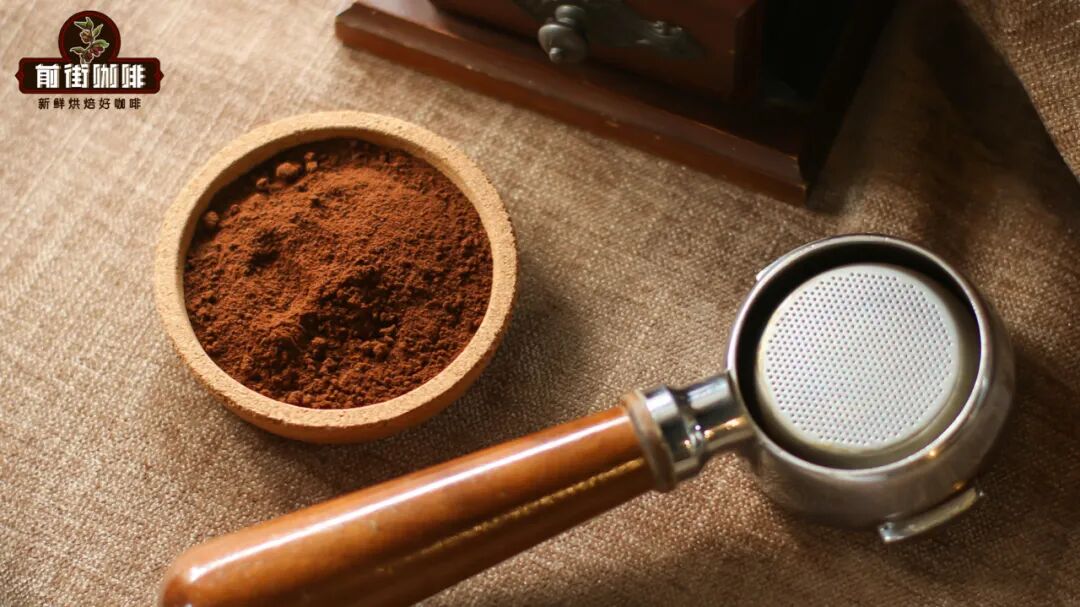
The above content is compiled by CoffeeHunters, a coffee news website.

