







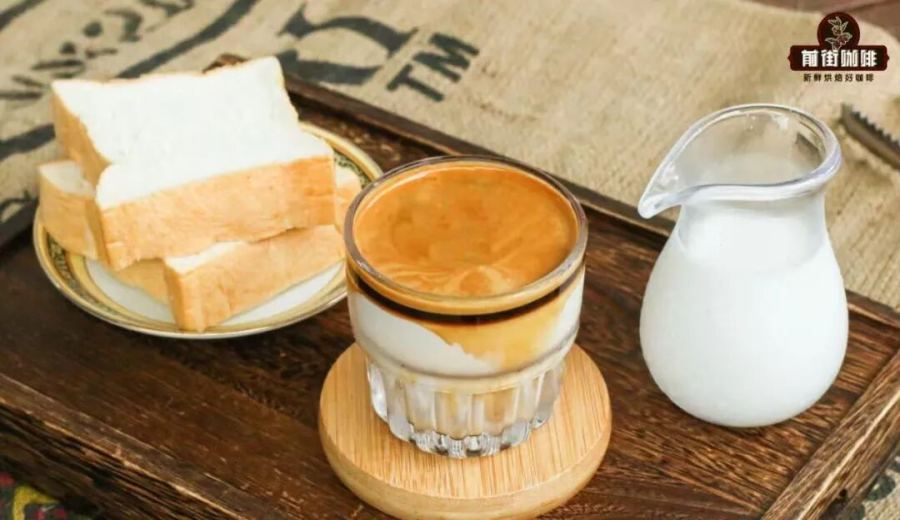
Introduction:Dirty coffee has rapidly gained popularity due to its unique cold-and-hot layered flavor profile, becoming a new favorite among many coffee enthusiasts. What is the fundamental difference between Dirty and the common iced latte? From preparation methods to flavor characteristics, this article delves into the key features of Dirty, analyzes why it has become so well-loved, and provides practical tips to help readers better understand the charm of this creative coffee.
The preparation method for Dirty coffee is quite straightforward: simply pour pre-chilled milk into a cup, then slowly add hot espresso, allowing the two to form a striking contrast between cold and hot and a distinct layered effect—thus completing a cup of Dirty that delivers both visual and taste impact.
Although Dirty was introduced much later than traditional espresso beverages, its popularity has continued to rise, even becoming a signature must-order drink in many cafés. Many customers who frequently visit cafés to explore new drinks have noticed that Dirty often appears on the recommended lists of various shops. Why has this relatively young coffee beverage managed to stand out among many classic espresso options and become a new market favorite?
The explosive popularity of Dirty is closely related to the earlier trend of "dirty culture." At that time, many foods deliberately created a "dirty" appearance using ingredients like chocolate and cream—for example, dirty burgers and dirty donuts. Riding on this trend, the coffee industry also came up with what was called "dirty coffee," though at the time it often relied on adding chocolate sauce or cream to create a "visually dirty" effect.
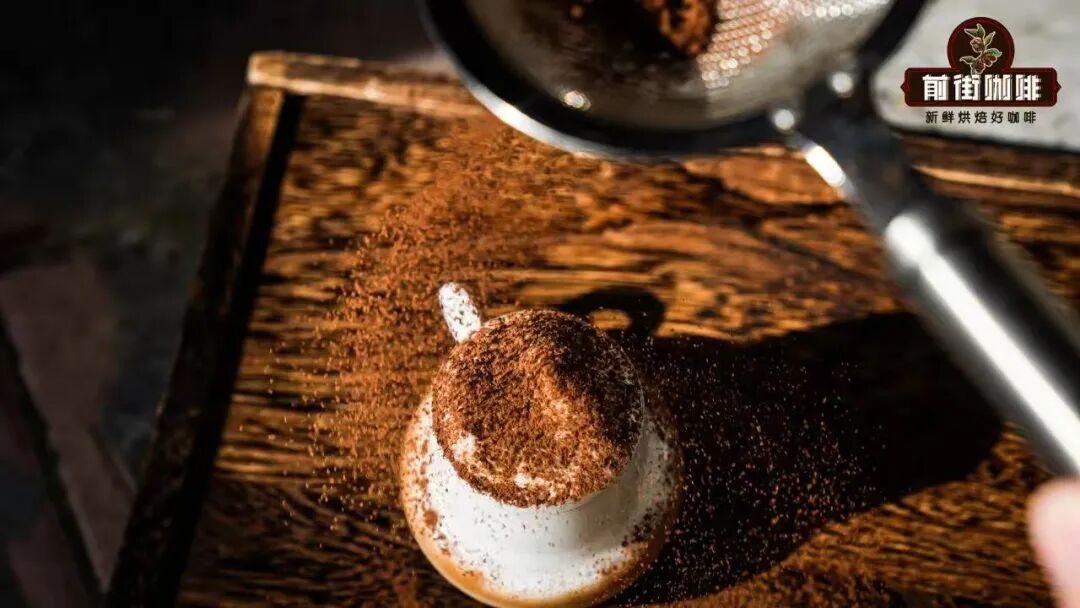
Over time, the Dirty coffee we are familiar with today was introduced to China and gradually replaced those gimmicky dirty coffees that relied on appearances for appeal. The reason Dirty has been able to stand firm is not just its looks, but rather its unique preparation logic, drinking method, and the sensory experience it delivers.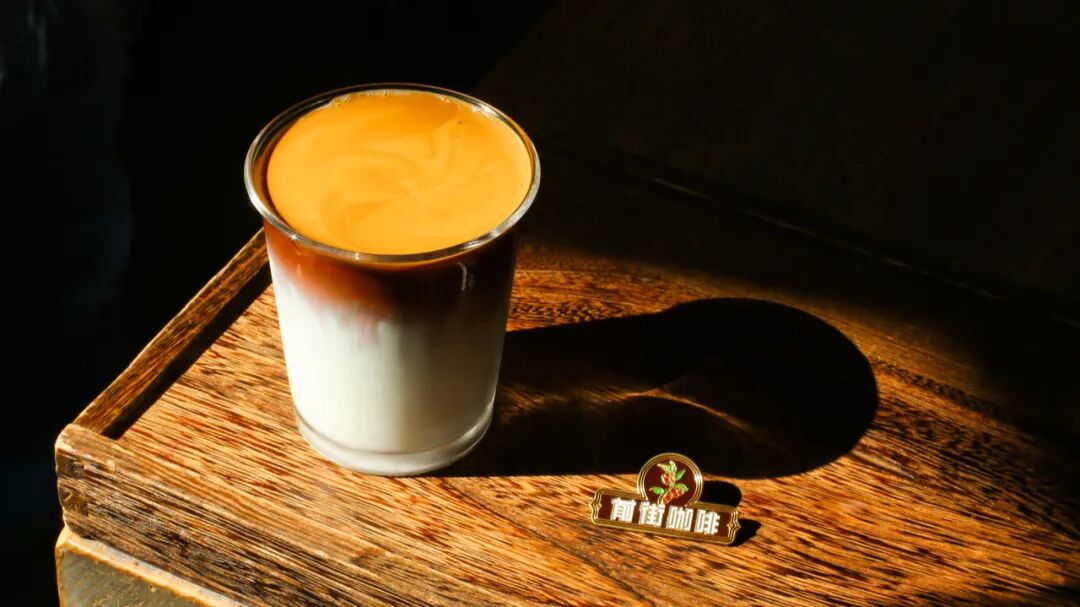
In terms of ingredients, Dirty is actually very similar to an iced latte, both using milk and espresso as the base. The only difference is that Dirty doesn’t include ice cubes, which is why it’s often jokingly referred to as an "iced latte without ice." However, if you’ve read a detailed comparison between Dirty and iced latte, you’ll understand that there are significant differences in preparation process, drinking method, and overall experience. Without repeating those details here, let’s focus on the uniqueness of Dirty itself.
The greatest feature of Dirty lies in its intentional avoidance of mixing the milk and espresso evenly, preserving their layered state. This approach allows drinkers to simultaneously experience the high-temperature roasted aroma of the espresso and the cool, sweet taste of the milk—distinct layers with a strong contrast. Due to the clear differences in temperature and flavor, when these two liquids meet in the mouth, they create a surprisingly delightful taste contrast.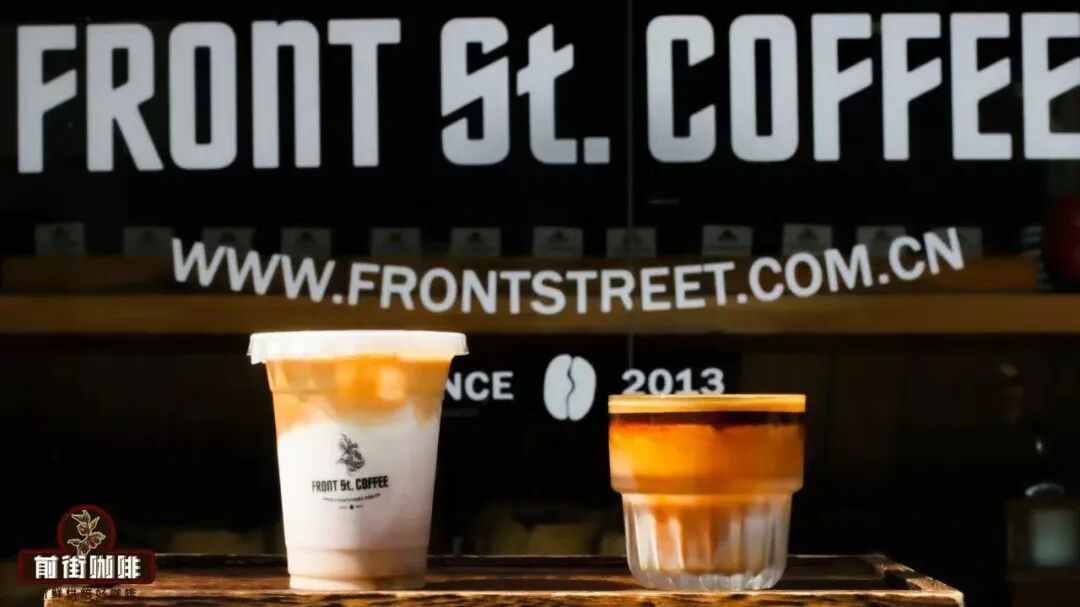
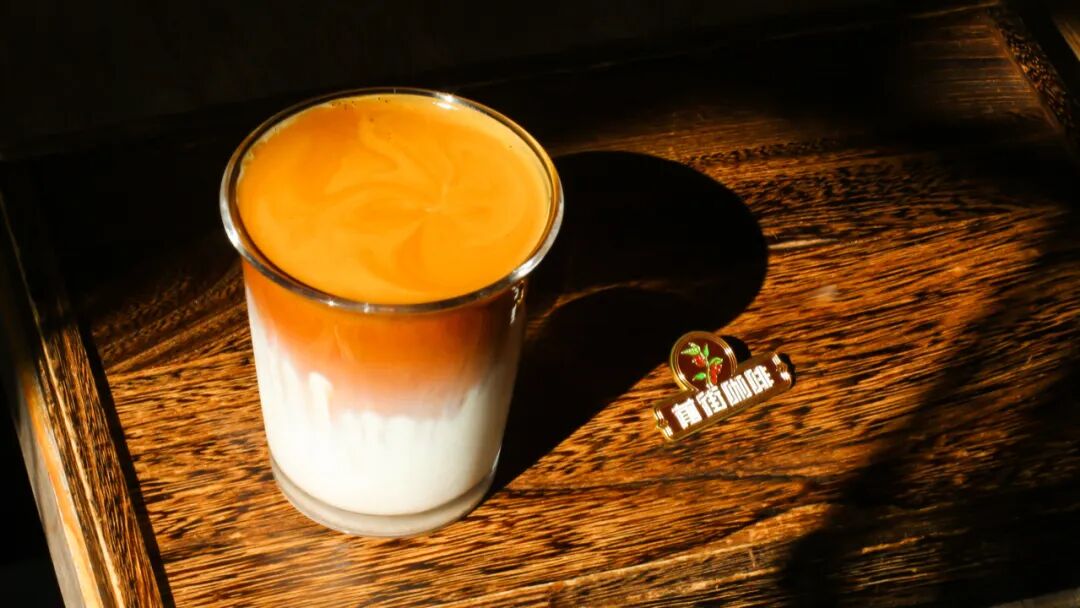
To fully experience the unique flavor of Dirty, special attention must be paid during preparation to the way the espresso is poured, ensuring a clear separation between it and the milk. Additionally, it is recommended to take a big sip when drinking, so as to experience both the espresso and milk flavors simultaneously, achieving the original intention behind the design of Dirty.
Another major advantage of Dirty is its high compatibility, easily pairing with different flavors of milk and coffee beans. For example, condensed milk, due to its high concentration and strong sweetness, might overpower the aroma of the coffee itself or result in an overly sweet taste when used in a regular latte or flat white. But in Dirty, since the milk and espresso remain layered, the rich flavor of condensed milk not only doesn’t interfere with the coffee but actually enhances the contrast between the two, making the overall flavor more layered.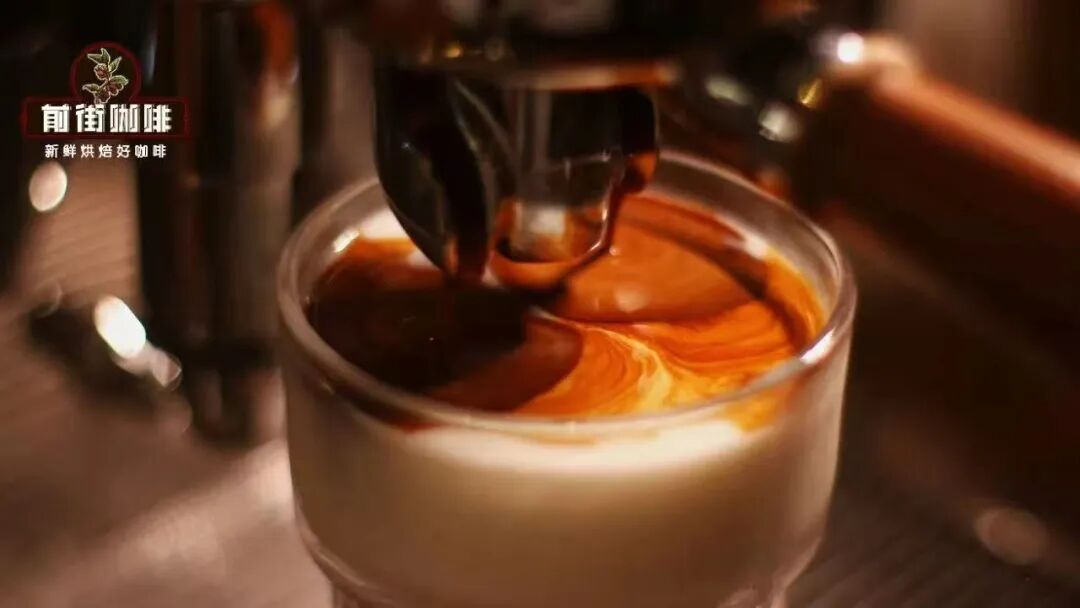
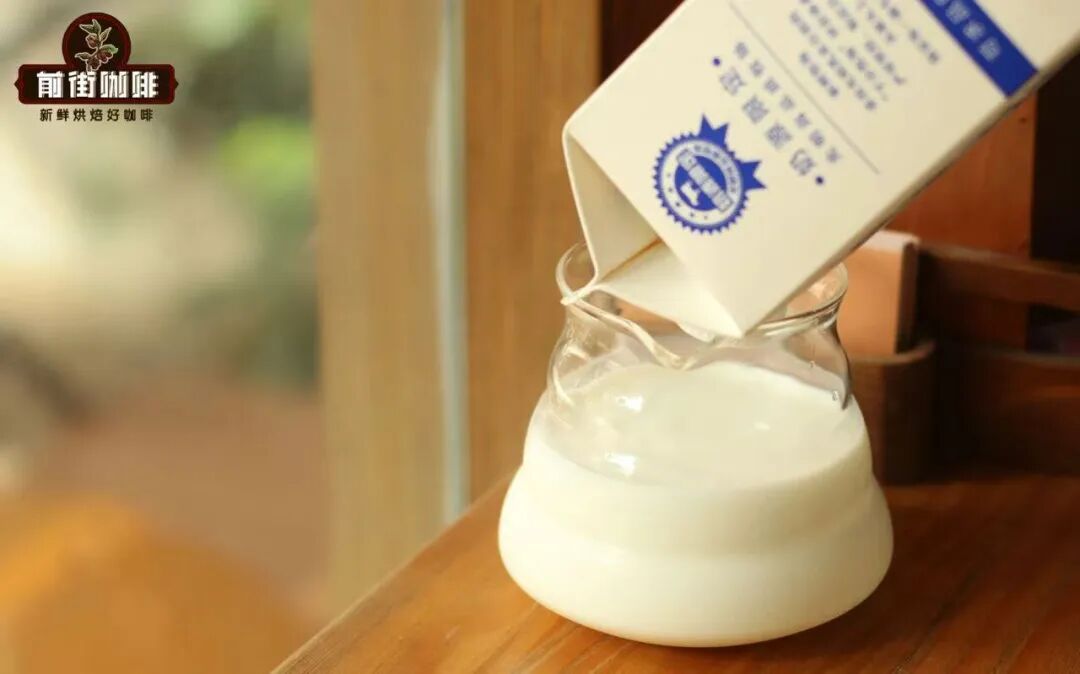
Not only milk, but the choice of coffee beans also offers greater flexibility. Dirty is highly adaptable in terms of roast level, and baristas don’t need to overly worry about how the beans will pair with the milk—as long as the appropriate extraction parameters are mastered, almost any flavor profile of coffee bean can be used in Dirty. This is why many baristas enjoy experimenting with Dirty, creating variations such as white toast Dirty, grape oolong Dirty, and pistachio Dirty, greatly expanding the expressive potential of this beverage.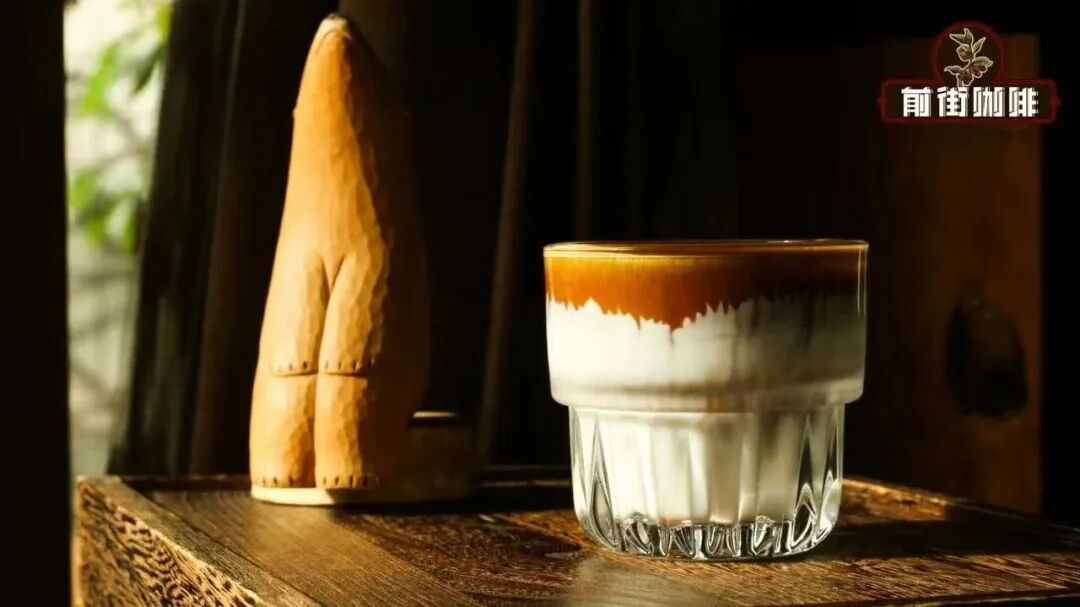
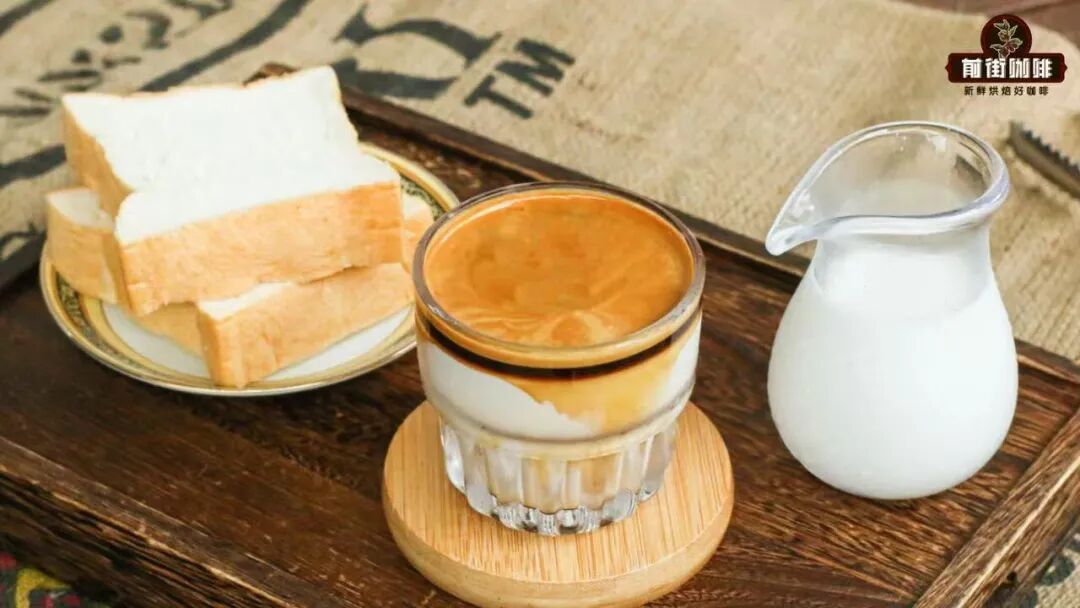
Overall, the reason Dirty coffee continues to be favored by the market is not only because of its novel experience brought by the unique cold-and-hot layered flavor, but also due to its high degree of formulation flexibility and creative freedom. This allows baristas to continually innovate and develop a variety of surprising variations, consistently capturing the attention of consumers.
The above content is compiled by CoffeeHunters, a coffee news website.


