







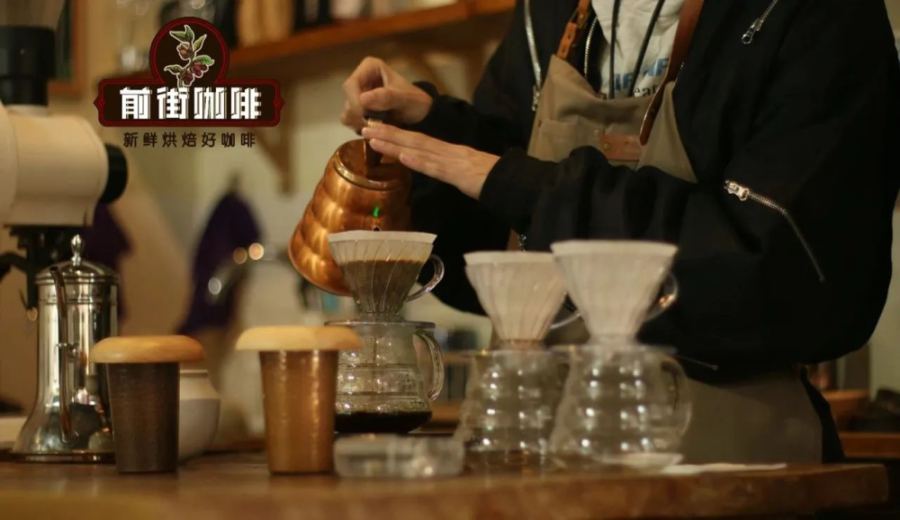
Introduction:Exploring the key parameters of pour over coffee — from brew ratio and blooming techniques to the differences with espresso — this article breaks down every step that influences extraction flavor. Through scientific proportions and practical details, it helps coffee enthusiasts master a stable brewing method and elevate their home pour over experience.
The charm of pour over coffee lies in presenting the multi-layered flavors of the beans themselves through precise control of variables. Among them, brew ratio, grind size, and the blooming step are the core elements that determine success or failure. Many beginners are often puzzled by parameter choices, but as long as you grasp the basic principles, you can consistently brew coffee with ideal flavors.
The standard brew ratio range for pour over coffee is 1:12 to 1:15, which is derived from the concentration range of 1.2%–1.45% recommended by the Specialty Coffee Association of America (SCAA). For example, using 15 grams of coffee beans with 225 milliliters of water (a 1:15 ratio) is the most common balanced point — it highlights bright acidity without being overly diluted. If using 10 grams of coffee beans, then 150 milliliters of water will achieve the same ratio. It’s important to note that an extremely low ratio such as 1:20 will lead to thin flavors, while a high concentration like 1:10 may result in over-extraction, producing bitter and off flavors.
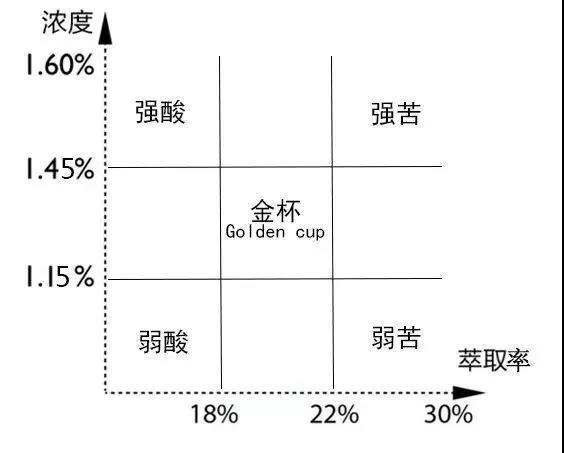
In actual brewing, it is recommended to start with a 1:15 ratio and then make fine adjustments based on personal taste. For example, those who prefer a cleaner taste can opt for 1:16–1:17, while those who enjoy richer layers might try 1:13–1:14. This range has been validated by multiple specialty coffee shops and suits the characteristics of most medium to light roasted beans.
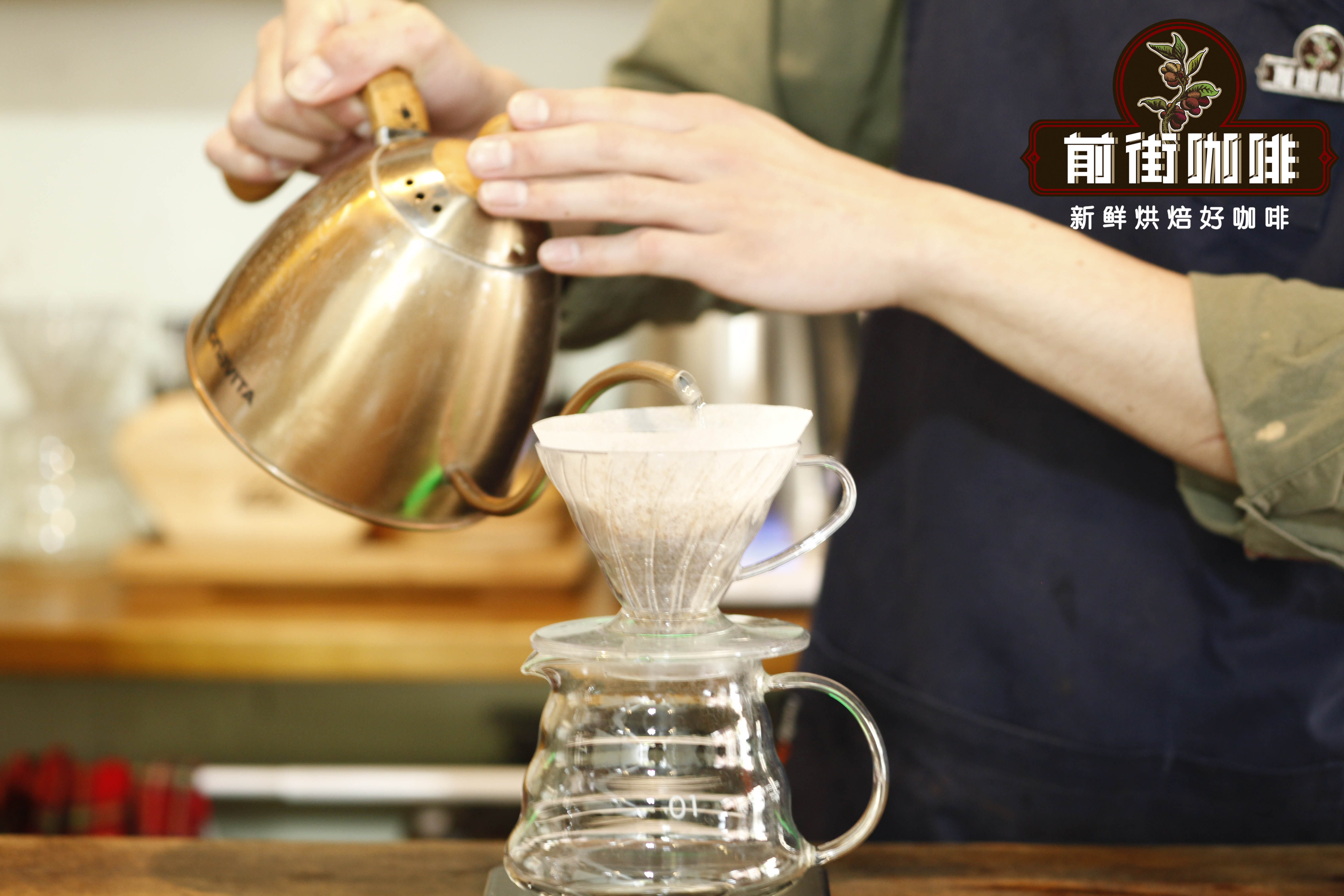
Compared to pour over coffee,the brew ratio of espresso shows significant differences. Taking a double shot of espresso as an example, it typically uses 10 grams of coffee grounds to extract 40 milliliters of coffee liquid (about a 1:2–1:2.5 ratio), representing high concentration and short extraction time. This difference stems from the high-pressure environment (9 bar) and high temperature (90–96°C) of the espresso machine, which quickly extracts the essence of the coffee. Different machines and grind sizes will affect the final parameters, but the industry generally refers to the following values: single shot espresso 1:1.5–1:2, regular espresso 1:2–1:2.5, and extended extraction can go up to 1:2.5–1:3.
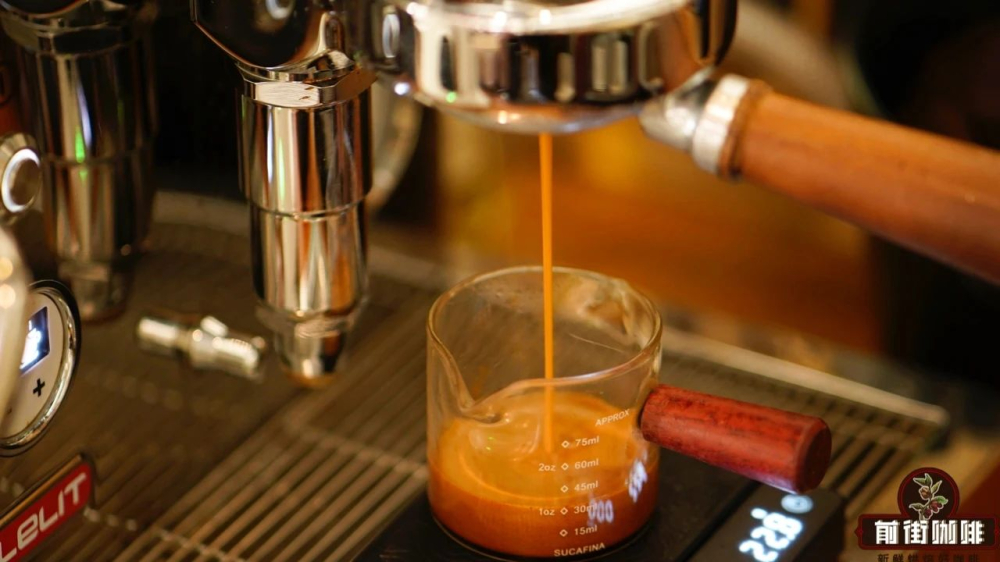
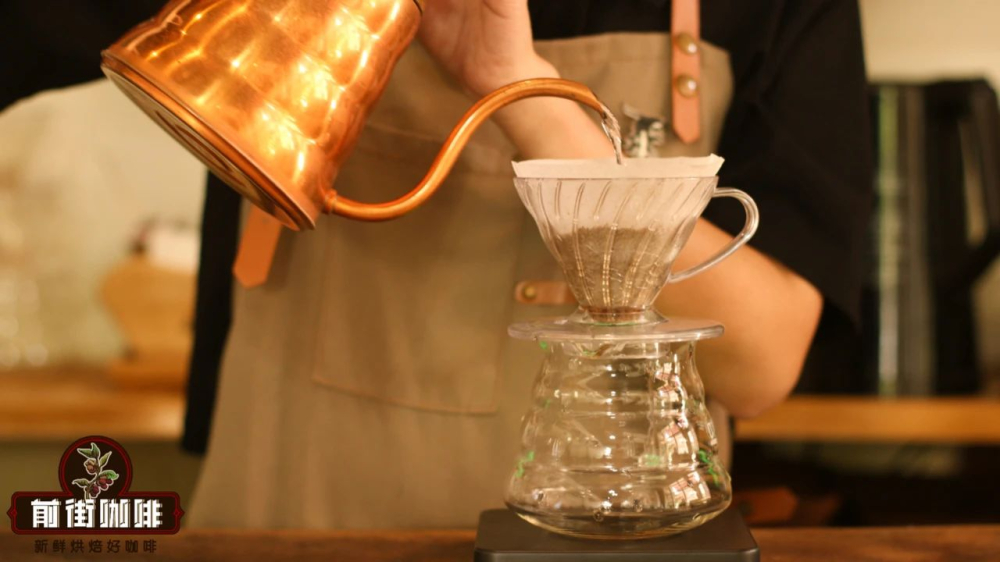
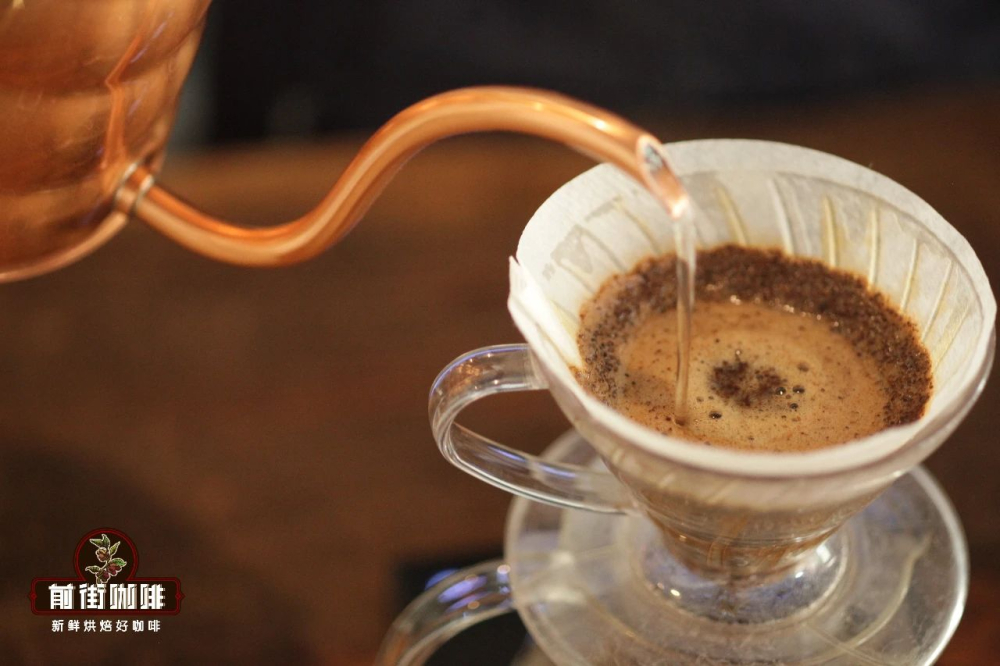
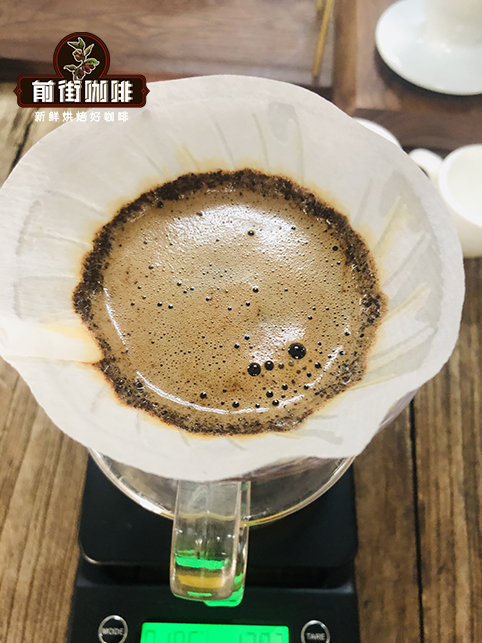
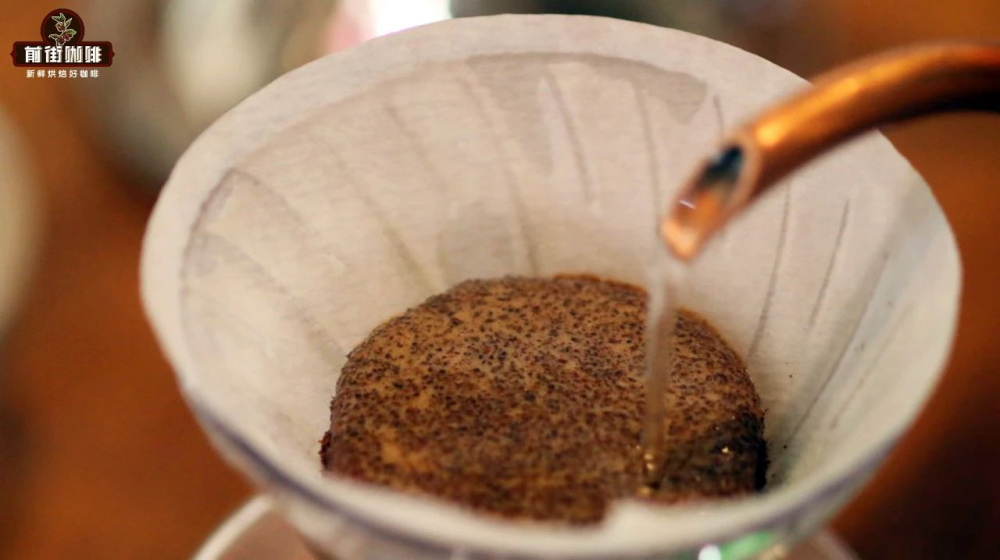
The blooming step in pour over coffee is often overlooked, yet it is key to stable extraction.Freshly roasted coffee beans contain a large amount of carbon dioxide (especially within the first 3 days after roasting), and blooming helps release these gases so that subsequent hot water can evenly penetrate. It is recommended to pour water equivalent to twice the weight of the coffee grounds (e.g., 30 milliliters of water for 15 grams of beans), keeping the water temperature consistent with the main brew (usually around 90–91°C). The blooming time should be controlled at around 30 seconds, stopping once wrinkles appear on the surface of the coffee bed. Be sure to pour gently and evenly to avoid disrupting the structure of the coffee bed.
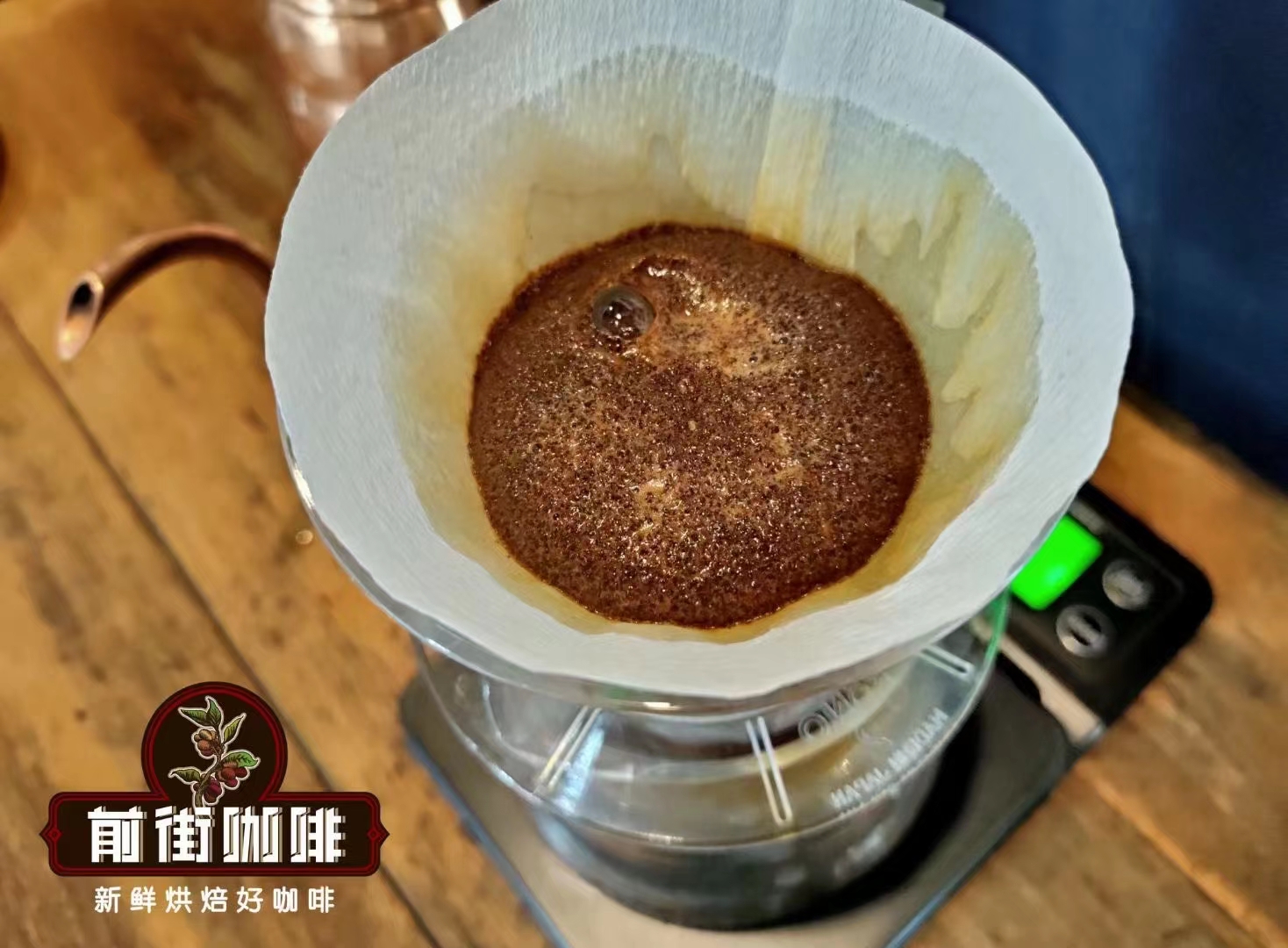
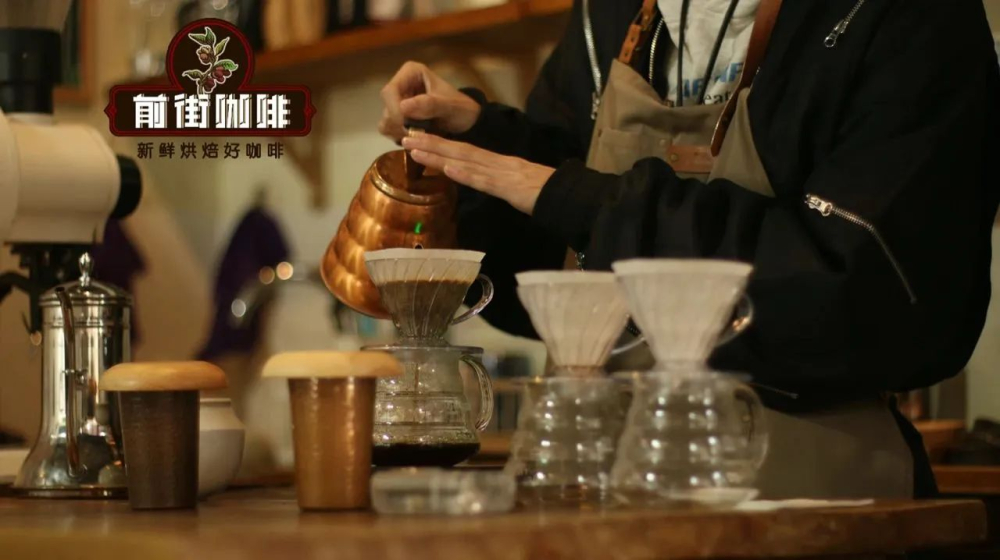
The three-stage pouring method is a classic technique for pour over coffee, especially suitable for medium to light roasted beans. The first stage involves pouring 30 grams of water and blooming for 30 seconds; the second stage uses a small stream to pour 95 grams of water in a circular motion (cumulative 125 grams), and when the water level drops to about two-thirds of the coffee bed (around 1 minute), proceed to the third stage and pour 100 grams of water (cumulative 225 grams). The whole process should be completed within 2 minutes and 10 seconds, effectively separating the floral and fruity notes in the early stage, the sweetness in the middle, and the rich body in the later stage.
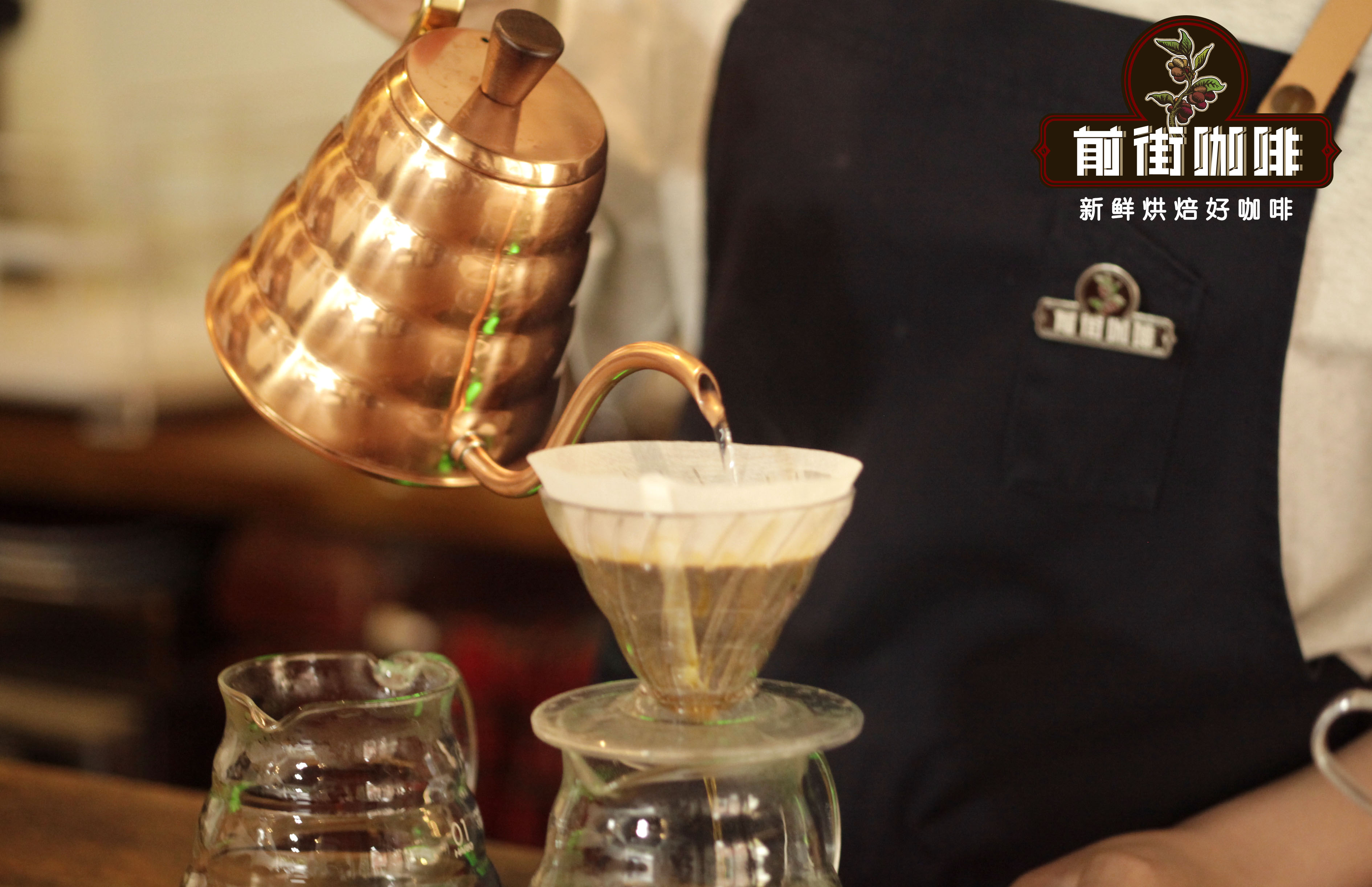
Points to note when performing the three-stage method:The second stage pour should be focused on the center area of the filter cone, avoiding direct impact on the coffee bed walls to prevent channeling; during the third stage, observe the flow rate — if it’s too fast, you may pause briefly. For filter cones, the V60 #01’s spiral ribs help with gas release, and pairing it with a 20-number sieve mesh and 80% extraction rate grind size (similar to the texture of fine sugar) can achieve an ideal extraction yield.
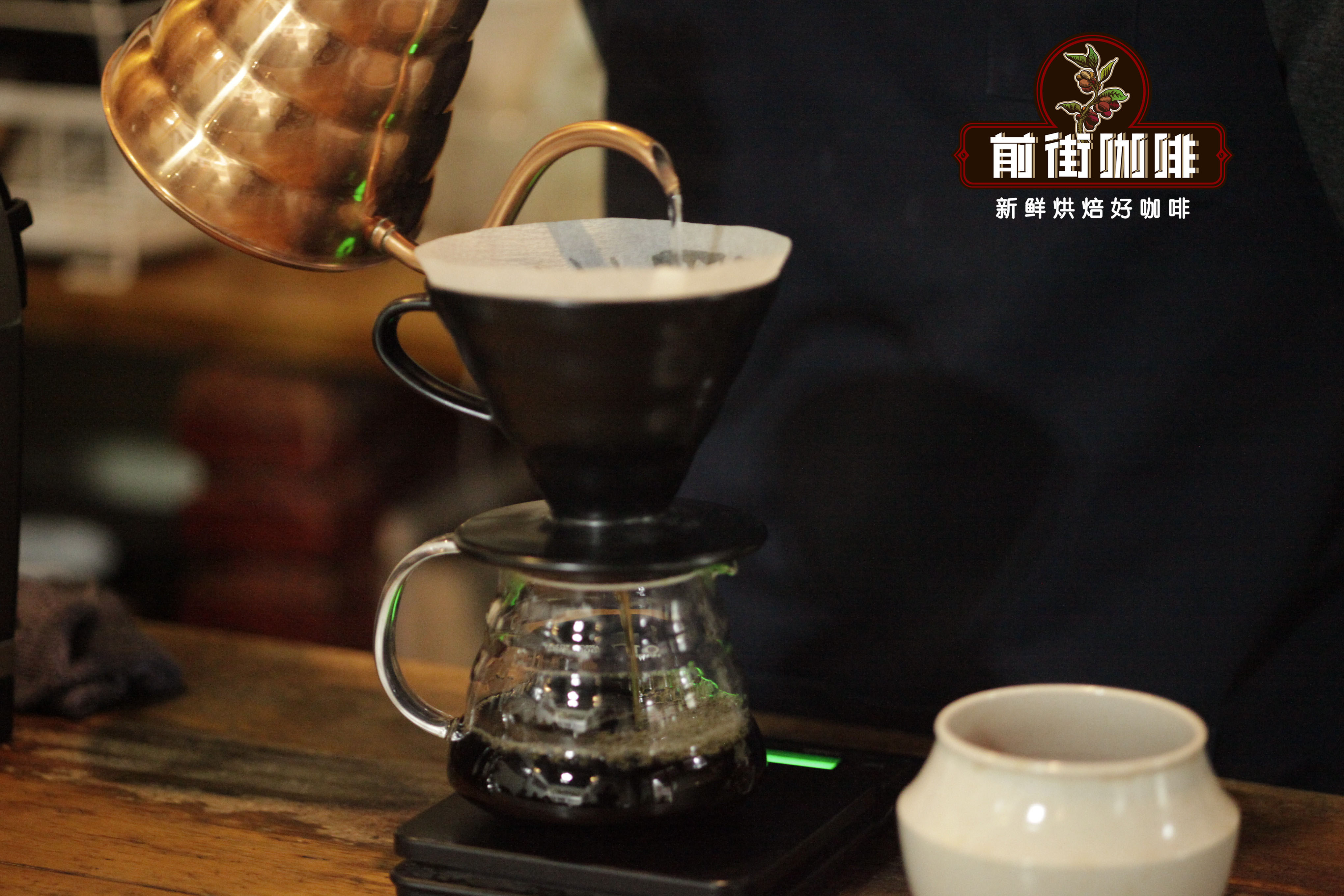
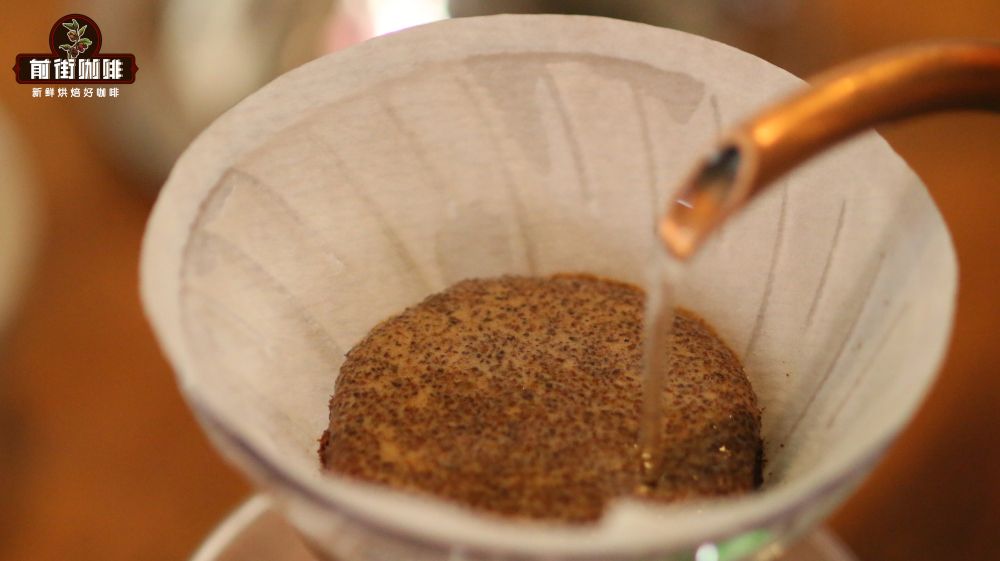
Common mistakes include pouring too aggressively during blooming (causing the coffee bed to loosen), using an unmatched grind size (too fine can clog, too coarse leads to under-extraction), and neglecting the impact of water quality (it is recommended to use filtered water with a TDS value of about 120–150 ppm). By systematically controlling these variables, even beginners can gradually brew pour over coffee with rich layers.


The above content is compiled by CoffeeHunters, a coffee news website.


