








Introduction:The piccolo latte, a small-sized milk coffee originating from Australia, has garnered significant attention in recent years for its rich and balanced flavor profile. This article delves into its origin story, compares its key differences with the latte and flat white, breaks down the scientific rationale behind the golden 1:2 coffee-to-milk ratio, and provides precise home espresso machine operation parameters to help you master the core techniques of this “miniature specialty coffee.”
The Birth and Naming Secrets of the Piccolo Latte
This transparent cup of milk coffee, with a capacity of only about 100ml, derives its English name “Piccolo” from the Italian word meaning “small.” Compared to traditional lattes, which range from 200-300ml, it uses a single shot of espresso (15-20ml) paired with 60ml of microfoam-steamed milk, topped with a delicate layer of foam no more than 0.5cm thick. Notably,its standard cup is often a short, stout glass(as shown in ), which helps retain heat while allowing easy observation of the layered effect.

Core Differences Among Three Mainstream Milk Coffees
Through comparative experiments, it was found that:the coffee-to-milk ratio of a latte is approximately 1:6 (20g of coffee grounds yield 40ml of espresso + 220ml of milk), resulting in a mild taste with prominent sweetness from the milk;the flat white maintains a 1:4 ratio (with the milk foam layer after settling being 0.5cm thick), emphasizing a balanced integration of coffee and milk; whereasthe piccolo piccolo features an ultra-concentrated 1:2 ratio (single shot of espresso + 60ml of milk), condensing the coffee flavor within a 100ml volume (as shown in ). This difference allows the piccolo to better highlight the regional characteristics and roast levels of the coffee beans.
Three Key Technical Points for Home Preparation
When using a home semi-automatic coffee machine, it is recommended to first extract a single shot of espresso at a water temperature of 92-94°C:use 18g of coffee grounds ground to a medium-fine consistency (similar to the texture of fine sugar granules), with an extraction time of 25-30 seconds yielding 36ml of concentrated liquid. The milk preparation step requires special attention—steam 60ml of whole fresh milk to 55-60°C to form a micro-dense foam (with a texture similar to wet whipped cream).During pouring, maintain a 45° angle between the coffee pitcher and the milk jug, first pour 1/3 of the espresso to establish the base, then spiral-pour the remaining liquid(refer to the operational details in Figure ).
The Golden Temperature Zone for Flavor Perception
Empirical data shows that when the beverage temperature is maintained between 55-60°C, the lactose sweetness in the milk best complements the nutty notes of the coffee. Due to its small volume, the piccolo is recommended to be served in a preheated ceramic cup,with the optimal drinking window being within 90 seconds after preparation. Comparative tests have found that coffee beans of the same roast level exhibit brighter acidity and clearer citrusy finish in a piccolo (as shown in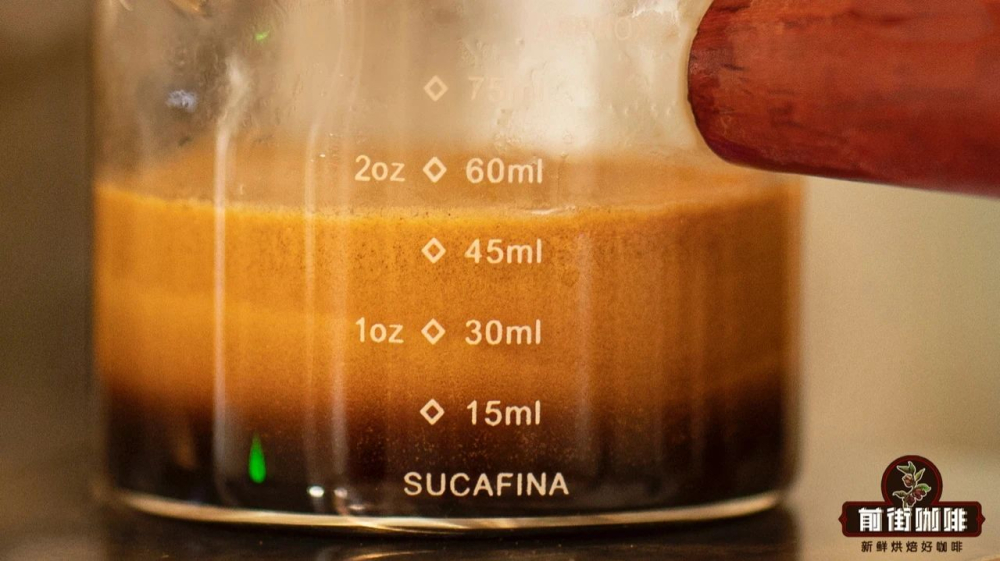 ).

Common Misconceptions and Professional Advice
Many beginners mistakenly believe that shortening the extraction time can replicate the flavor of a piccolo; in reality,a stable 9-bar pressure and a uniform puck structure are the keys. If using a home machine, it is recommended to calibrate the grinder scale monthly and avoid reheating milk, which can lead to oxidation of the oils.For latte art patterns, it is recommended to choose simple designs with a diameter not exceeding 4cm(such as hearts or tulips), which align with the aesthetics of the small cup size and reduce operational difficulty (Figure shows the standard latte art process).
Why Hasn’t the Piccolo Gone Global?
Market research shows that the latte enjoys higher global acceptance due to itsmild taste with 70% milk content, while the piccolo’s 33% coffee proportion is better suited for advanced enthusiasts who seek layered flavors. Notably, the debate between the Australian flat white and the piccolo essentially stems from regional cultural differences—New Zealand advocates for a milk foam thickness of up to 1cm, while Australian standards strictly limit it to 0.3-0.5cm (the clear stratification differences can be seen in the comparison chart).

Advanced Tip: The Mathematical Relationship Between Cup Volume and Flavor
When using the same single shot of espresso (20ml):pouring in 150ml of milk results in a traditional latte, reducing it to 60ml transforms it into a piccolo. This linear change directly leads to a caffeine concentration increase from 6mg per 100ml (latte) to 18mg per 100ml (piccolo), although the total intake actually decreases by 40%. For those who are lactose intolerant, oat milk can be chosen as an alternative, but an additional 5-8 seconds of steaming time is required to achieve the same smoothness.

The above content is compiled by CoffeeHunters, a coffee news website.


