







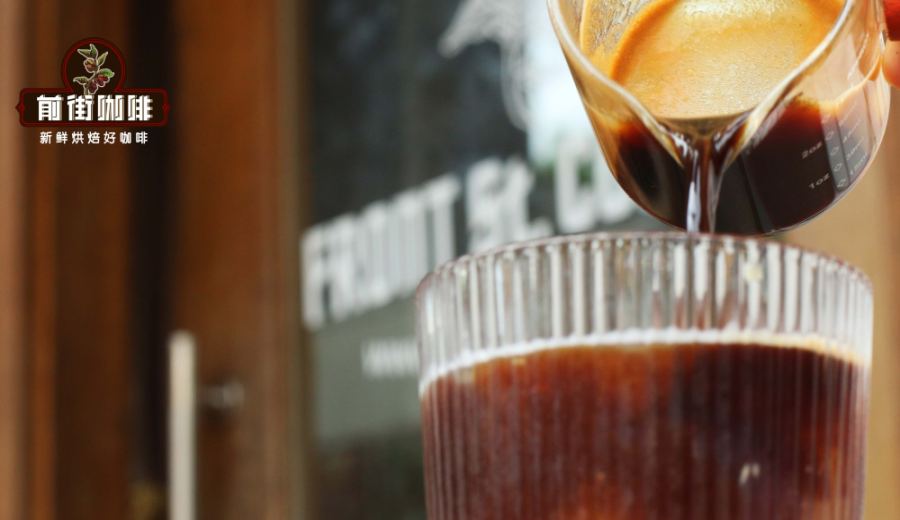
Introduction:Gain an in-depth understanding of the concentration range and flavor characteristics of espresso, and how concentration influences the overall flavor profile and drinking experience. This article will explore the extraction parameters of standard espresso, the impact of concentration on taste, and how to present a classic espresso that is both rich and layered through freshly roasted beans and proper extraction.
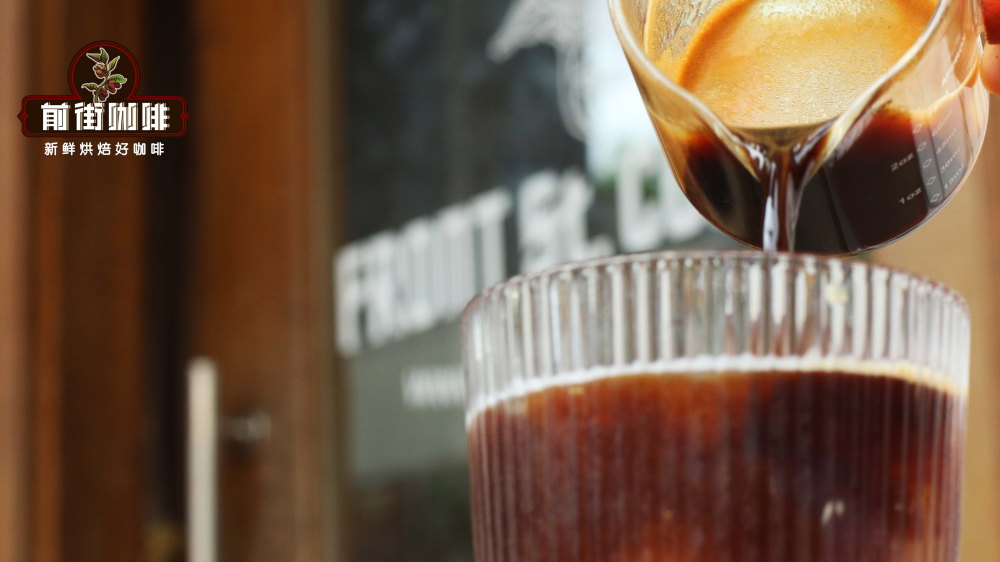 " alt="">The most well-known characteristic of espresso is its intense concentration. Generally speaking, the coffee concentration of espresso typically falls within the range of 7% to 12%, with a corresponding water content between 88% and 93%. In comparison, common drip coffee usually has a concentration of only 1.2% to 1.8%, with a higher water content of about 98.2% to 98.8%. This difference in concentration directly affects the taste and flavor presentation between the two.
A high-quality espresso typically exhibits a rich and full-bodied texture on the palate, entering smoothly without any noticeable grittiness, and leaves a natural sweetness in the aftertaste, allowing both the tip of the tongue and the throat to perceive distinct layers of sweetness.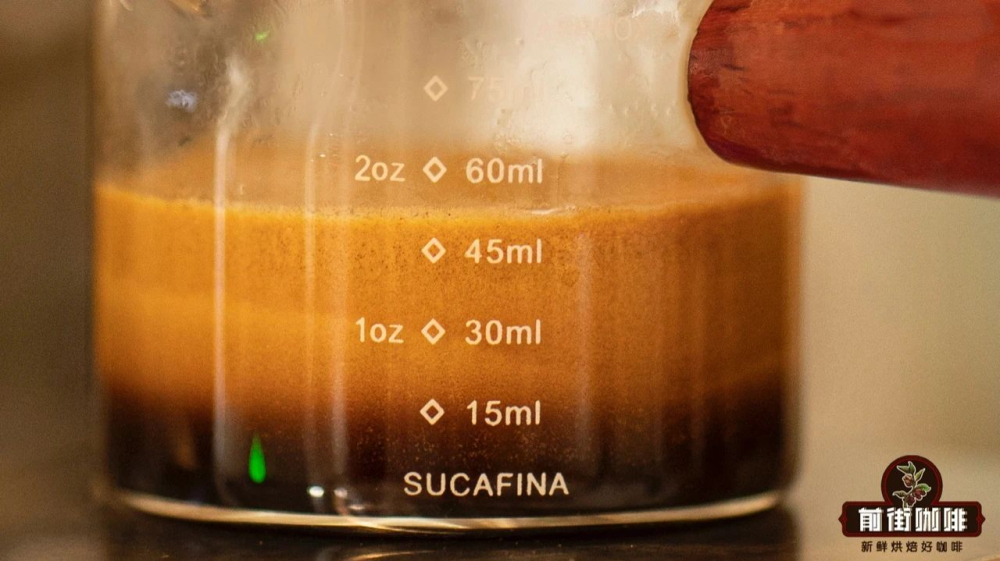 " alt="">
Coffee concentration is not only related to the intensity of flavors but also directly affects the overall drinking sensation. The level of concentration plays a dual role in taste: on one hand, it determines the prominence of flavors, and on the other, it shapes the texture and body of the coffee. As concentration increases, although the intensity of flavors becomes significantly stronger, our ability to discern subtle flavors actually decreases. Therefore, even if two cups of coffee contain the same flavor compounds, the taste experience can be vastly different at varying concentrations.
It’s worth noting that lower-concentration coffee is not necessarily less appealing. Appropriately reducing concentration can sometimes make delicate and subtle flavors more prominent—flavors that might otherwise be masked in high-concentration environments. Some espressos with gentler flavor profiles, while lower in intensity, may offer a more comfortable and balanced overall drinking experience.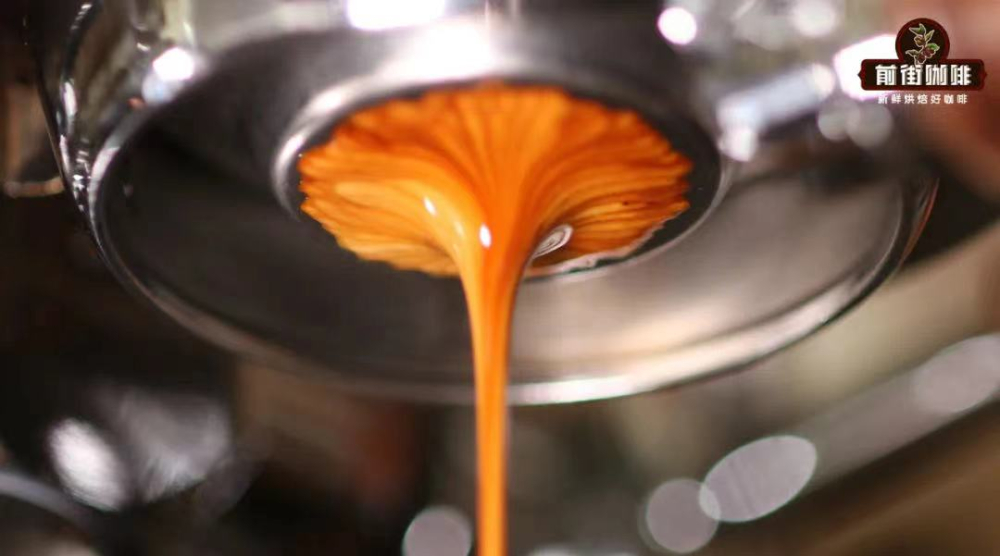 " alt="">
The shaping of mouthfeel is an important criterion for evaluating a high-quality cup of coffee. Whether it’s espresso or drip coffee, consumers generally expect a certain level of texture and body. Although preferences for mouthfeel vary across different regions and cultures, espresso should typically possess a noticeable richness and a wealth of textural layers, while drip coffee should also avoid feeling as thin as water.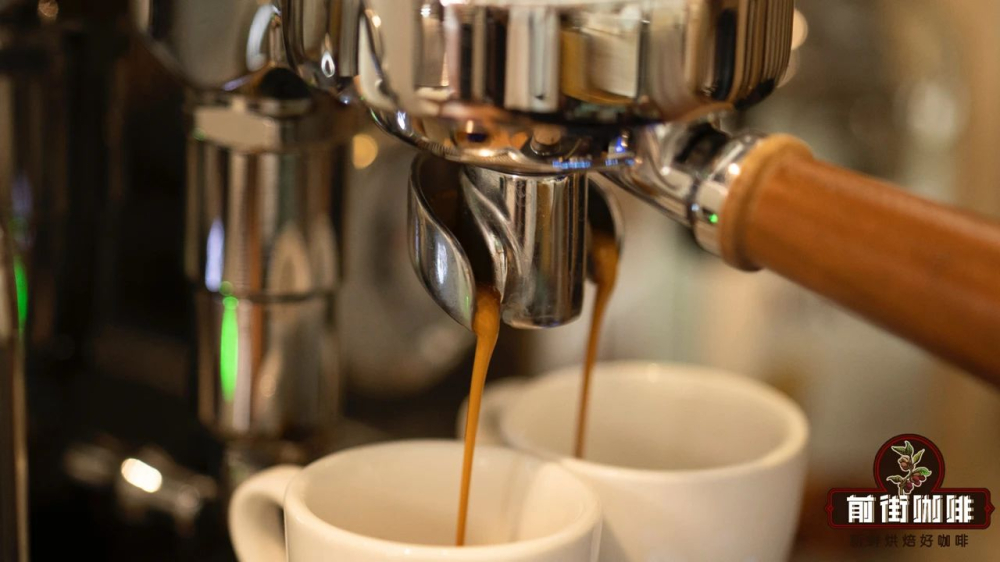 " alt="">
One of the keys to brewing an outstanding espresso lies in using freshly roasted coffee beans and grinding them just before extraction. After roasting, coffee beans release a significant amount of carbon dioxide, which not only helps preserve flavors but also plays an important role in the formation of the final crema. Over time, as carbon dioxide gradually dissipates, the aroma and flavor of the coffee also weaken.
Generally speaking, medium to dark roasted coffee beans have an optimal flavor window of about 40 days after roasting; light to medium roasts are recommended to be enjoyed within 30 to 35 days. In addition to being an important factor in flavor preservation, carbon dioxide is also key to forming the fine, golden crema on the surface of espresso. This layer of crema is created by the emulsification of carbon dioxide from the coffee grounds with oils under a vacuum environment, which is why using freshly ground beans is especially crucial.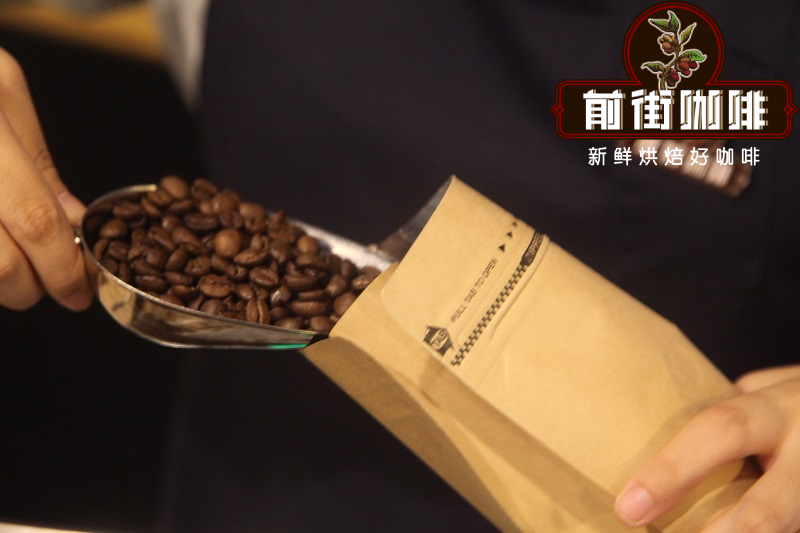 " alt="">
If the coffee grounds are not used immediately after grinding, the released carbon dioxide can make it difficult to generate a proper crema during extraction, resulting in a coffee that tastes thin and lacks layers. According to the Specialty Coffee Association (SCA), a standard espresso extraction should use 7 to 9 grams of coffee grounds (14 to 18 grams for a double shot), extracted at a water temperature of 90 to 96°C, under a pressure of 9 to 10 bar for 20 to 30 seconds, ultimately producing 25 to 35 grams of coffee liquid. In practice, each shop may make slight adjustments based on the bean variety and equipment characteristics.
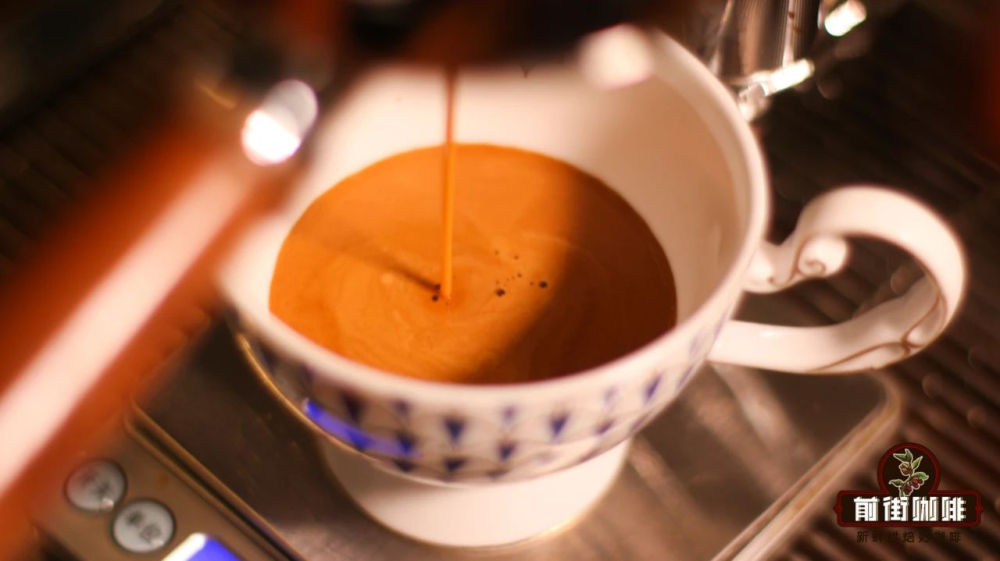
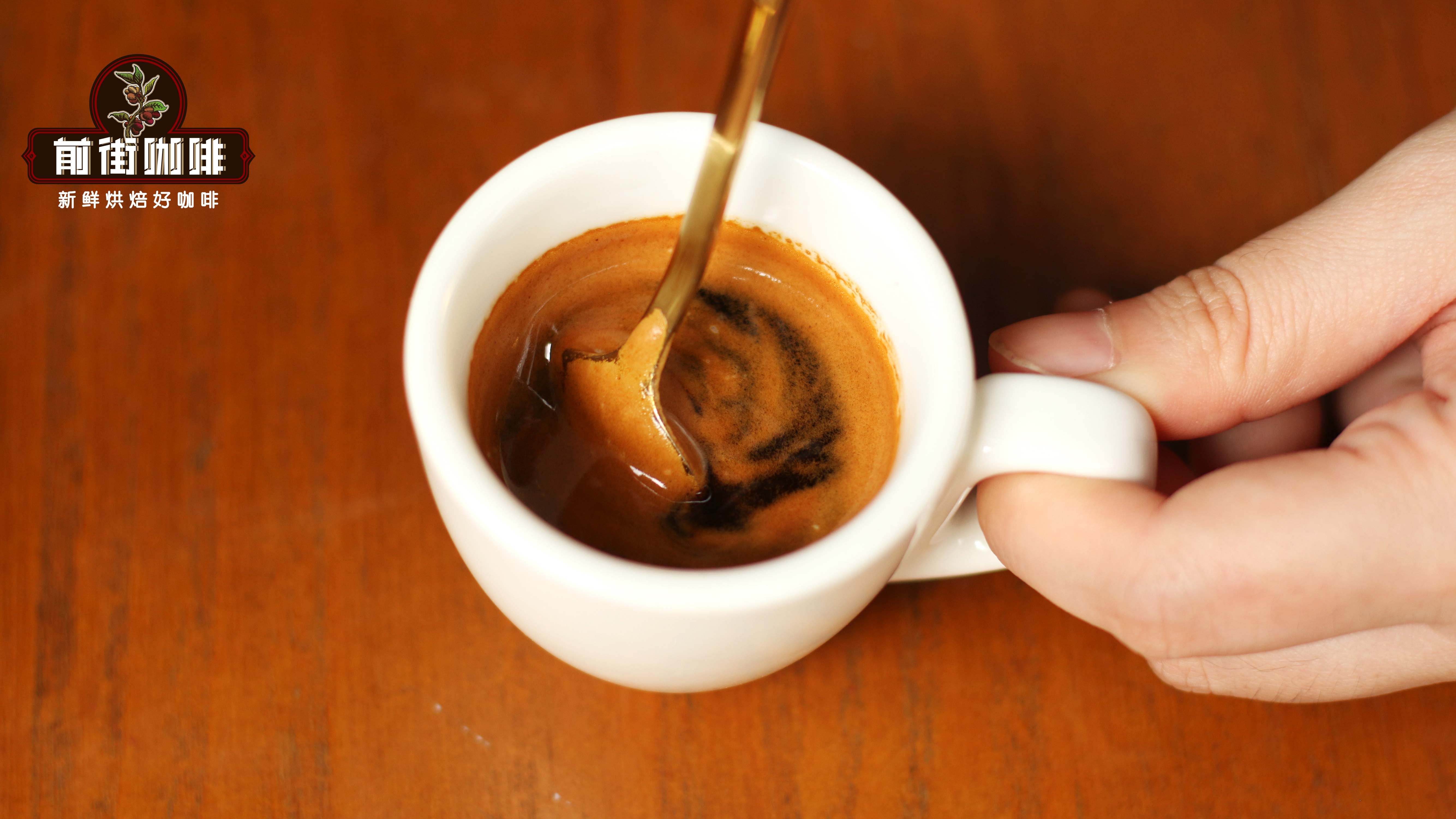
 " alt="">As a practical example of extraction, using approximately 19.8 grams of extremely finely ground coffee, extracting about 38 grams of coffee liquid under pressure, with a time frame controlled between 28 to 32 seconds, can yield a smooth texture akin to vanilla cream, accompanied by subtle berry-like acidity and sweetness, a vinous fermentation note, and a finish of hazelnut and caramel. Before drinking, it’s recommended to take a sip of ice water to cleanse the palate, and once the barista serves the espresso, you may gently stir to evenly distribute the flavors, then sip in three stages: the first sip to perceive the main flavors, the second to appreciate the rich body, and the third to focus on the layers of aftertaste and lingering sweetness.
 " alt="">
 " alt="">
 " alt="">
The above content is compiled by CoffeeHunters, a coffee news website.


