







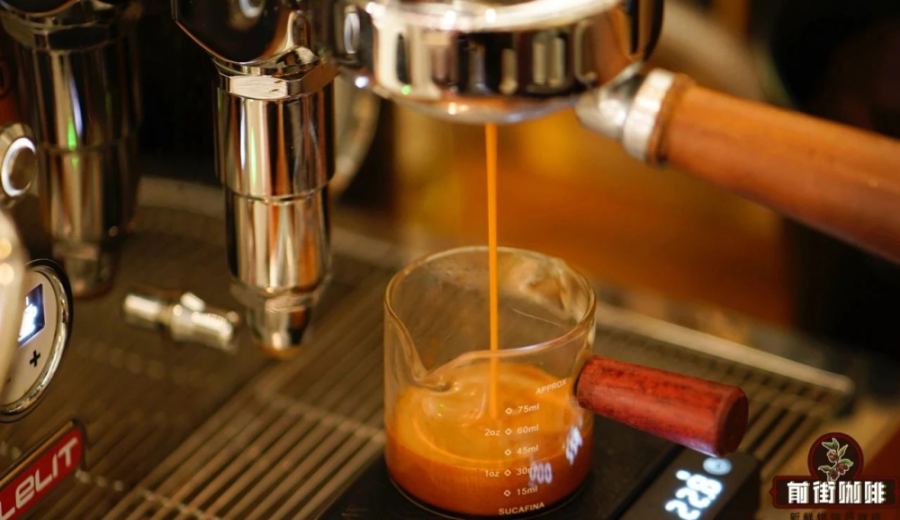
Introduction:The golden crema on top of an espresso is not just a visual delight but also significantly impacts the overall flavor and mouthfeel of the coffee. What exactly is crema made of? Why is it rich and velvety in some espressos, yet thin or even clumpy in others? This article delves into the science behind crema, explores the key factors behind extracting the ideal layer of oils, and offers practical solutions to common issues such as no crema, pale crema, coarse and bubbly texture, or clumping — helping you elevate the quality of every shot of espresso.
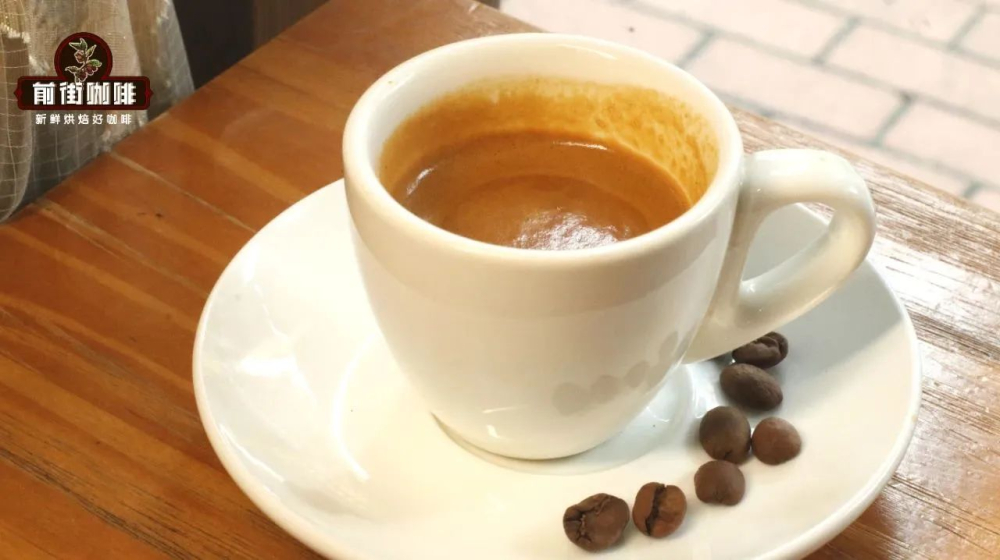
Espresso is a concentrated coffee, typically served in small portions that can be sipped in just a few gulps. Its defining characteristics are its intense flavor and bold body, which not everyone readily enjoys. However, when espresso is combined with milk or hot water to make drinks like lattes and Americanos, they become widely loved. When you observe a well-pulled espresso, you’ll notice a dark layer of coffee beneath the surface, topped with a golden-hued layer — this is what we call crema.
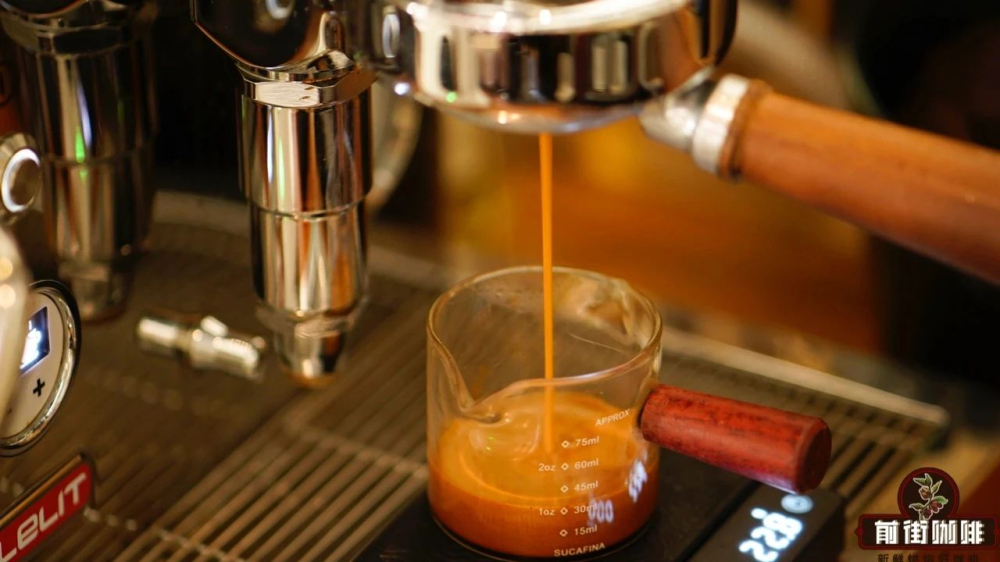
So, is this golden substance floating atop the espresso actually oil? Many people’s first thought might be cooking oils, like peanut oil extracted from peanuts, or the natural oils that often seep from the surface of dark roasted beans. But the crema in espresso isn’t simply oil — it’s the result of a combination of various components interacting together.
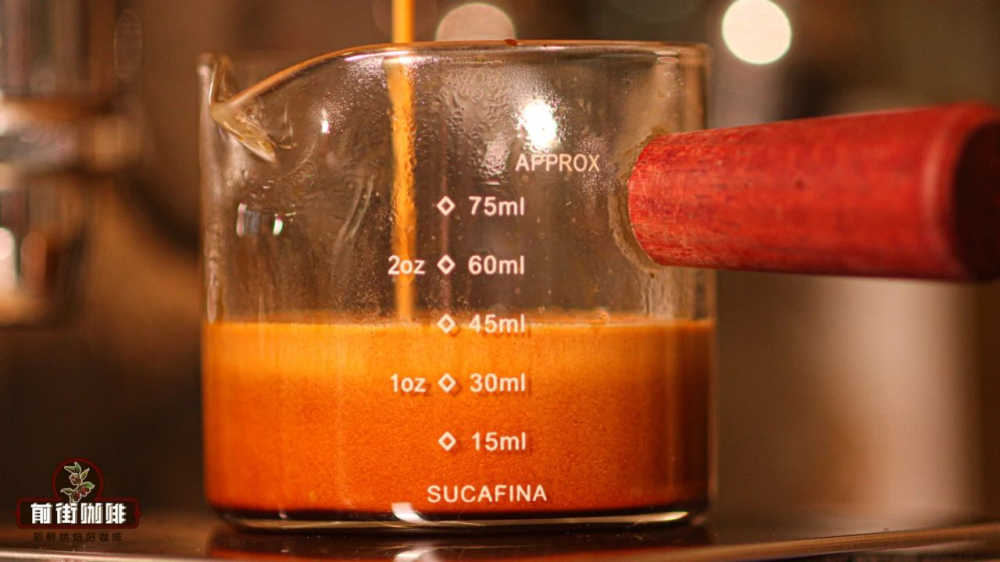
Italians refer to this golden foam as “crema,” and its unique texture and appearance are features that can only be achieved through high-pressure extraction in an espresso machine. The key lies in the machine generating around 9 bars of water pressure, which forces water through a tightly packed puck of coffee grounds. Under such high pressure, the carbon dioxide released by the coffee grounds becomes supersaturated and cannot escape immediately, thus dissolving into the liquid. At the same time, the fats in the coffee are emulsified under pressure. These emulsified fats encapsulate the carbon dioxide bubbles, and because their overall density is lower than that of water, they gradually rise to form a fine, golden layer of oils.
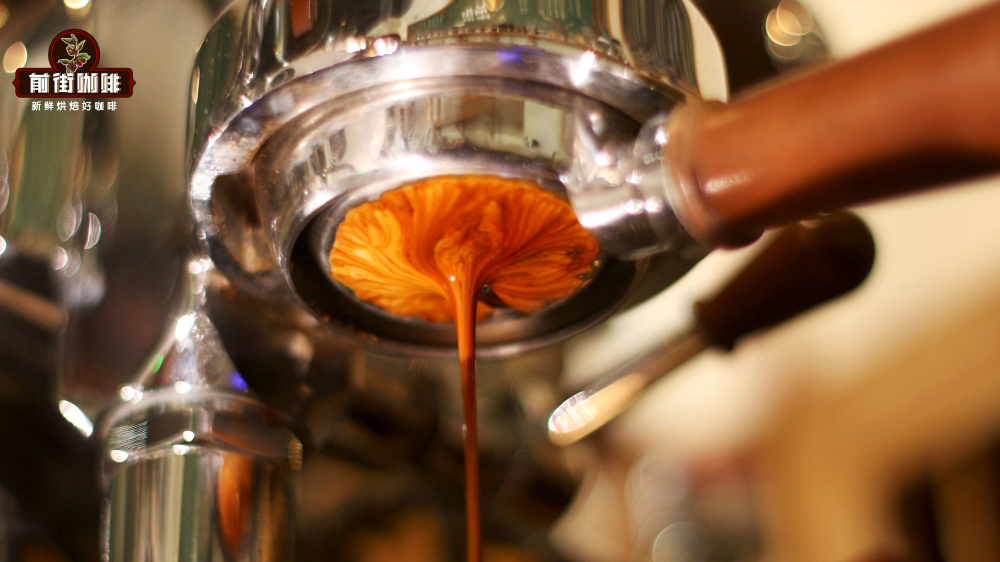
In simple terms, this visually appealing crema is composed of insoluble coffee oils encapsulating carbon dioxide bubbles. So, how can you pull a beautiful and rich crema?
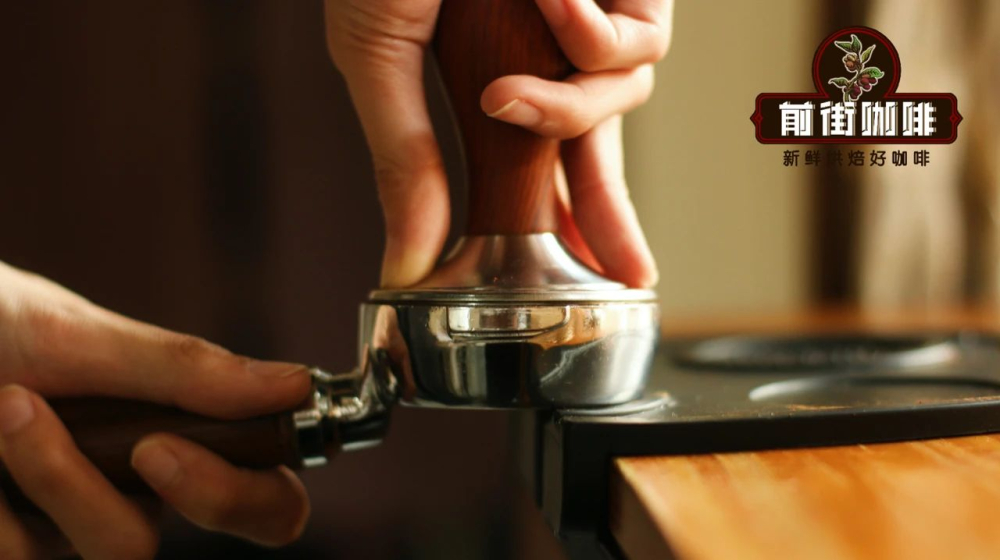
Based on practical experience, ideal crema should be uniformly golden yellow, fine in texture, smooth like cream on the surface, and possess good clinging properties. Such crema not only enhances the visual appeal of espresso but also enriches its taste and aroma. Additionally, it aids in stabilizing latte art patterns when making milk-based coffee beverages.
To achieve a rich crema, the foremost requirement is selecting freshly roasted coffee beans with ample carbon dioxide content and an appropriate roast level. Generally speaking, medium to dark or dark roasted beans used within their prime (around 45 to 60 days after roasting) deliver better crema performance. Furthermore, incorporating a moderate amount of Robusta beans into the blend can also help enhance the thickness and stability of the crema.

In summary, the key factors influencing crema performance include: the freshness of the coffee beans, the roast level, the stability and pressure of the equipment, and the rationality of the extraction parameters. Below, we’ll further explore how to assess extraction conditions by observing the appearance of crema and provide improvement tips for common issues.
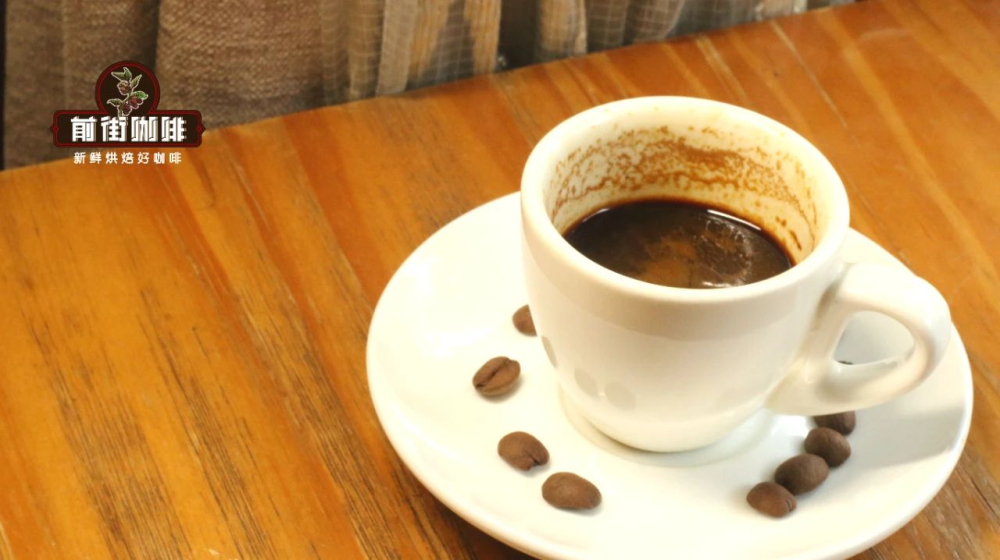
If your espresso has no crema at all or only an extremely thin layer, possible reasons include the coffee beans being stored for too long — whether due to improper storage or having been pre-ground — both of which can lead to significant loss of carbon dioxide and affect crema formation. In addition, insufficient machine pressure, low brewing water temperature, overly coarse grind size, or inadequate tamping pressure may also result in sparse crema.
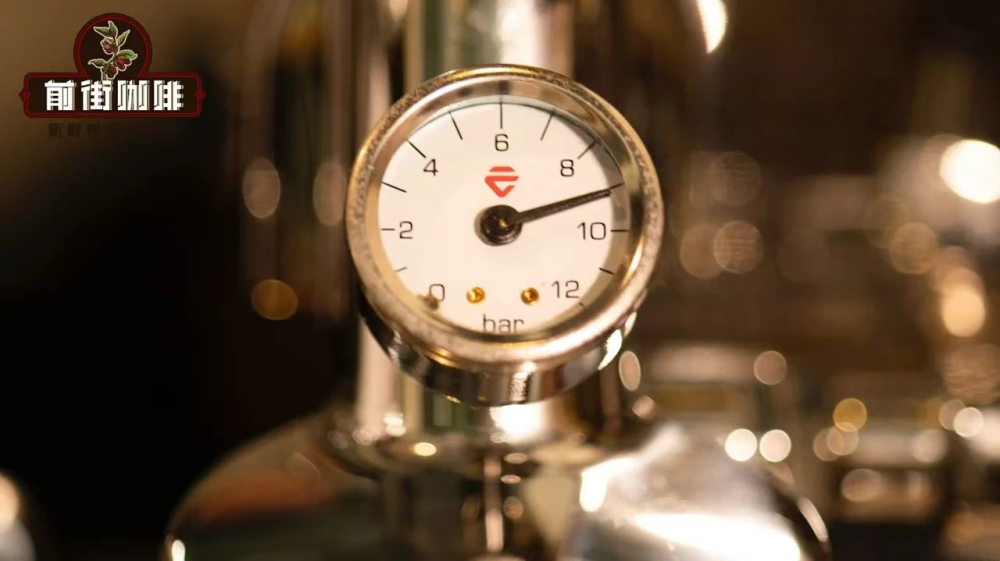
When you notice that the espresso has a crema layer but it appears pale instead of golden, and the overall flavor leans toward sharp acidity, it’s usually due to using lightly roasted coffee beans. For example, if you use a pour over bean that highlights fruity acidity to make espresso, you may end up with an undesirable sour taste due to under-extraction, accompanied by a pale crema.
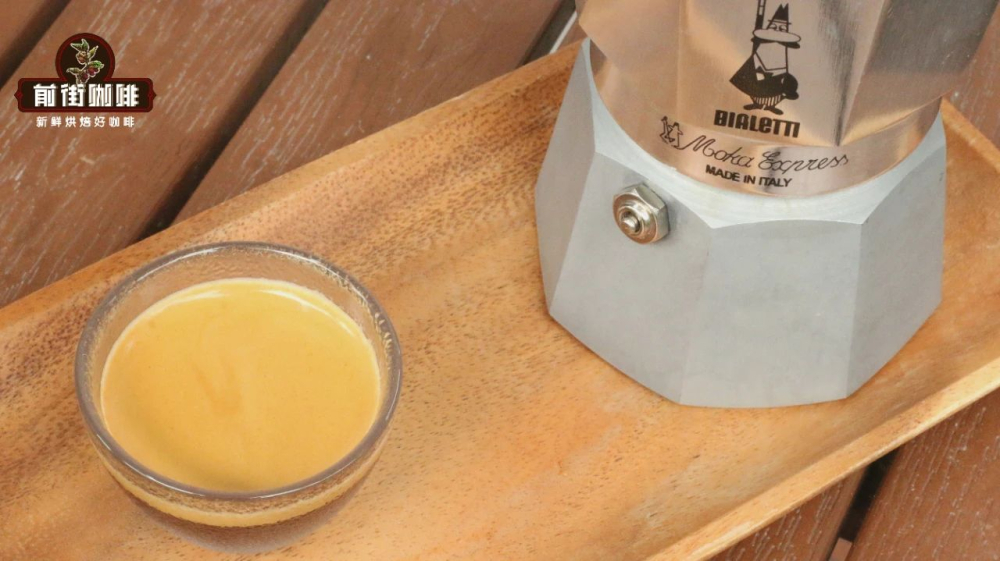
If the crema has a coarse texture and is full of bubbles, this kind of crema typically doesn’t last long and dissipates quickly. This is usually because the coffee beans are too fresh — freshly roasted beans contain a lot of carbon dioxide, and when these gases are forcefully emulsified under high pressure, the oils fail to effectively encapsulate the bubbles, leading to an unstable structure that easily collapses.
Finally, if the crema on the surface of the coffee appears clumped, uneven, or has noticeable "lumps" when shaken, with poor fluidity resembling over-whipped foam, this usually indicates an imbalance in certain extraction parameters. Possible causes include excessive pressure, overly fine grind size, or uneven tamping.
The above content is compiled by CoffeeHunters, a coffee news website.


