








Introduction:Flat White has become a popular choice in specialty coffee shops around the world in recent years, but many people still can’t tell the difference between it and a latte, nor do they understand why some places call it "Flat White" while others refer to it as "Fuji White." This article delves into the origins of Flat White, compares its taste profile with that of an Americano latte, introduces the different styles from Australia and New Zealand, and details the key techniques and parameters you can easily follow to make it at home — from bean selection to latte art.
What is Flat White? Why is it also called Aussie White or Fuji White?
Flat White, commonly translated in Chinese as Ping Bai Coffee, Aussie White, or Aorui White, and even Starbucks’ version known as “Fuji White,” all refer to the same style of milk coffee that features a strong coffee base paired with a small amount of velvety microfoam. This beverage can be traced back to either Australia or New Zealand, and although its place of origin remains debated, its creation reflects consumer fatigue with the thick foam of traditional cappuccinos and a shift toward a more balanced milk coffee experience where coffee flavor takes center stage. " />
How did Flat White come about? The evolution from espresso to microfoam
Going back to the last century, cappuccinos typically had at least 3 centimeters of fluffy foam, forming what was known as a “hamburger-style” structure. With the rise of specialty coffee culture, consumers began favoring drinks with flatter foam and a clearer expression of the coffee’s inherent flavors, gradually leading to the development of Flat White — where the foam sits closer to the liquid surface and offers a smoother, more uniform mouthfeel. By the 1980s, this drink officially appeared on the menus of Australian cafés and later gained global popularity. Especially in 2015, when Starbucks introduced it to the Chinese-speaking market under the name “Fuji White,” it became a popular entry-level choice for many coffee enthusiasts.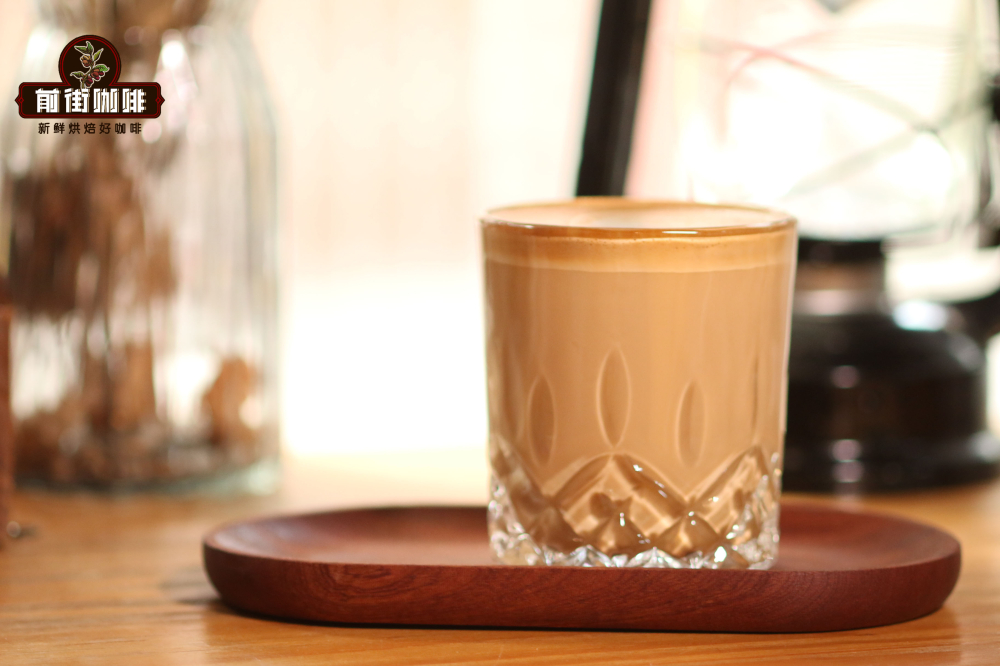 " />
Regional variations: The unique characteristics of Flat White in New Zealand vs. Australia
In different regions, the presentation of Flat White varies slightly. In New Zealand, for example, baristas typically use a smaller cup of about 150ml, with a double espresso (Double Espresso) as the base, thinner foam, and a more precise amount of milk, allowing the coffee flavor to stand out more prominently. The Australian version, while also emphasizing thin foam, often uses a cup size similar to that of a latte — around 200ml — resulting in a more balanced overall taste. " />
Foam thickness is key: The difference between Flat White and latte
The most distinctive feature of Flat White is its extremely fine and thin layer of foam, usually about 0.3 to 0.5 centimeters thick. This is much closer to the liquid surface compared to the foam in a regular latte, allowing each sip to combine the silky foam with the rich coffee liquid. This “velvety” texture is an important indicator of a well-made Flat White and represents the biggest taste difference compared to a latte. " />
Advanced technique: Using Ristretto as a base for a more intense flavor
Some specialty coffee shops enhance the coffee’s expression by using a double Ristretto instead of the traditional double espresso as the base. Ristretto is a shot of espresso extracted for a shorter time with less liquid volume, primarily drawing from the front and middle sections of the coffee puck. As a result, it delivers a more concentrated flavor, lower acidity, and more pronounced sweetness, while also demanding higher quality coffee beans. Using Ristretto can make the aroma of Flat White more vibrant, making it ideal for those who prefer a stronger flavor.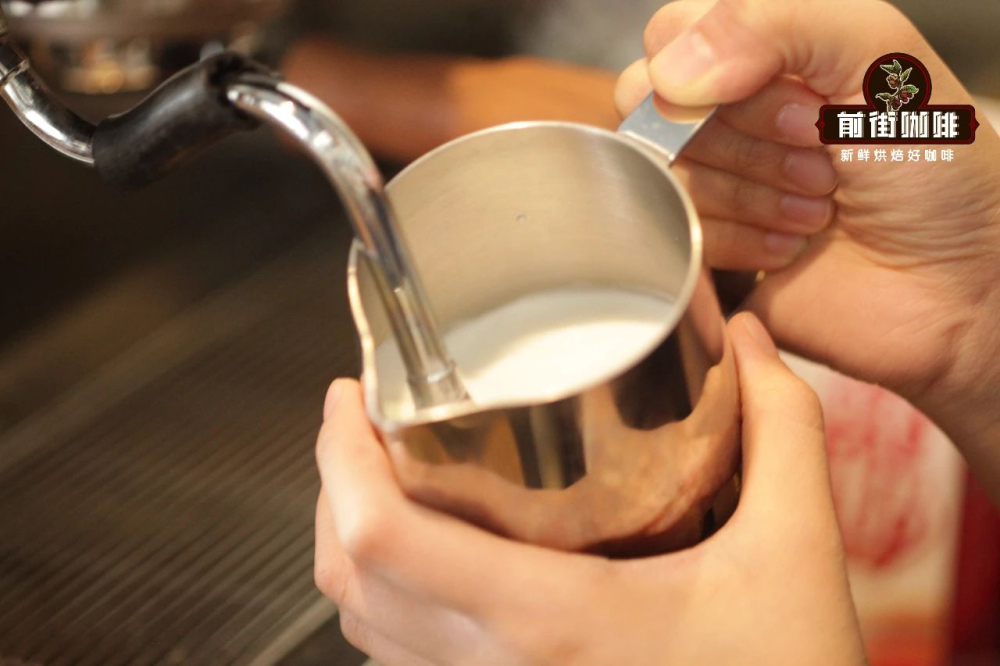 " />
Practical tips and parameters for making Flat White at home
If you want to recreate an authentic Flat White at home, it is recommended to use a cup of about 180–200ml, with a double espresso or double Ristretto as the base. The extraction ratio can be controlled at 18–20g of coffee grounds yielding 36–40g of liquid, with an extraction time of around 25–30 seconds. For the milk, it should be steamed to a microfoam state, with a temperature maintained at 55–60°C, and the foam thickness kept between 0.3–0.5cm. This ensures optimal integration of coffee and milk, while maintaining a smooth mouthfeel.
Coffee bean selection: The key to influencing Flat White’s flavor profile
The flavor expression of a high-quality Flat White is closely tied to the espresso blend used. It is recommended to choose a medium-to-dark roasted blend that showcases rich notes of caramel, nuts, and chocolate, along with a moderate level of creamy body, which helps it integrate perfectly with milk. Whether using a commercial or specialty blend, stable extraction and appropriate crema are the keys to success when making it at home.
In summary, Flat White is more than just a milk coffee — it’s a pursuit of the essence of coffee and a refined drinking experience. Understanding its origins, regional variations, and how to make it at home will help you better appreciate and craft your own authentic cup of Aussie-style Flat White. " />
 " />
 " />
 " />
 " />
The above content is compiled by CoffeeHunters, a coffee news website.


