







Introduction:Have you ever seen terms like latte, mocha, or Dirty on a café menu but weren’t quite sure what they meant? This article will provide a detailed introduction to the origins, characteristics, and home-brewing methods of 10 common types of espresso-based coffee—from the foundational Espresso to the creative iced drink Dirty—helping you understand the unique flavors and brewing techniques of each. This way, you can recreate a professional-level coffee experience at home with ease.
Walking into a coffee shop, you’re often greeted with an array of choices on the menu, especially in the espresso coffee section. From classic Espresso to the innovative Dirty, each drink has its own charm. But do you know their origins and how they’re made? This piece will take you deeper into the background stories of these common coffee drinks and provide practical home-brewing tips to help you grow from a beginner into a master capable of crafting various creative coffee beverages.
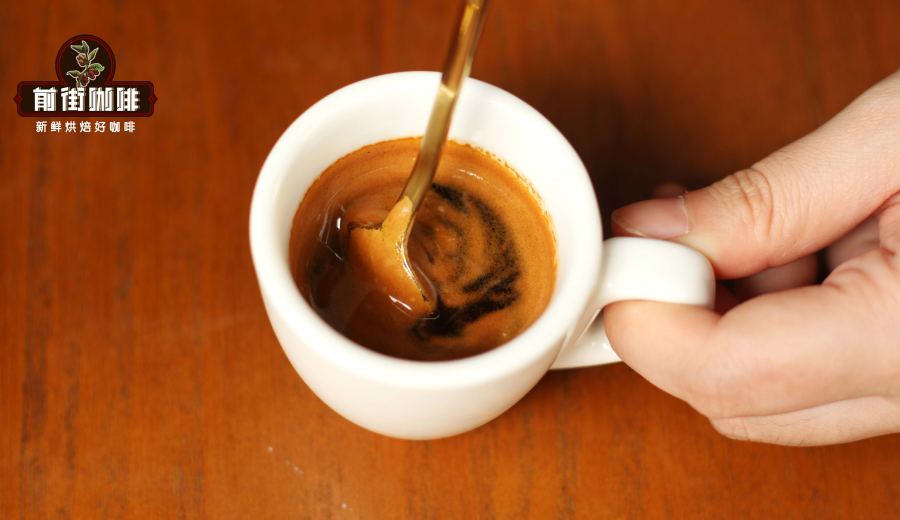
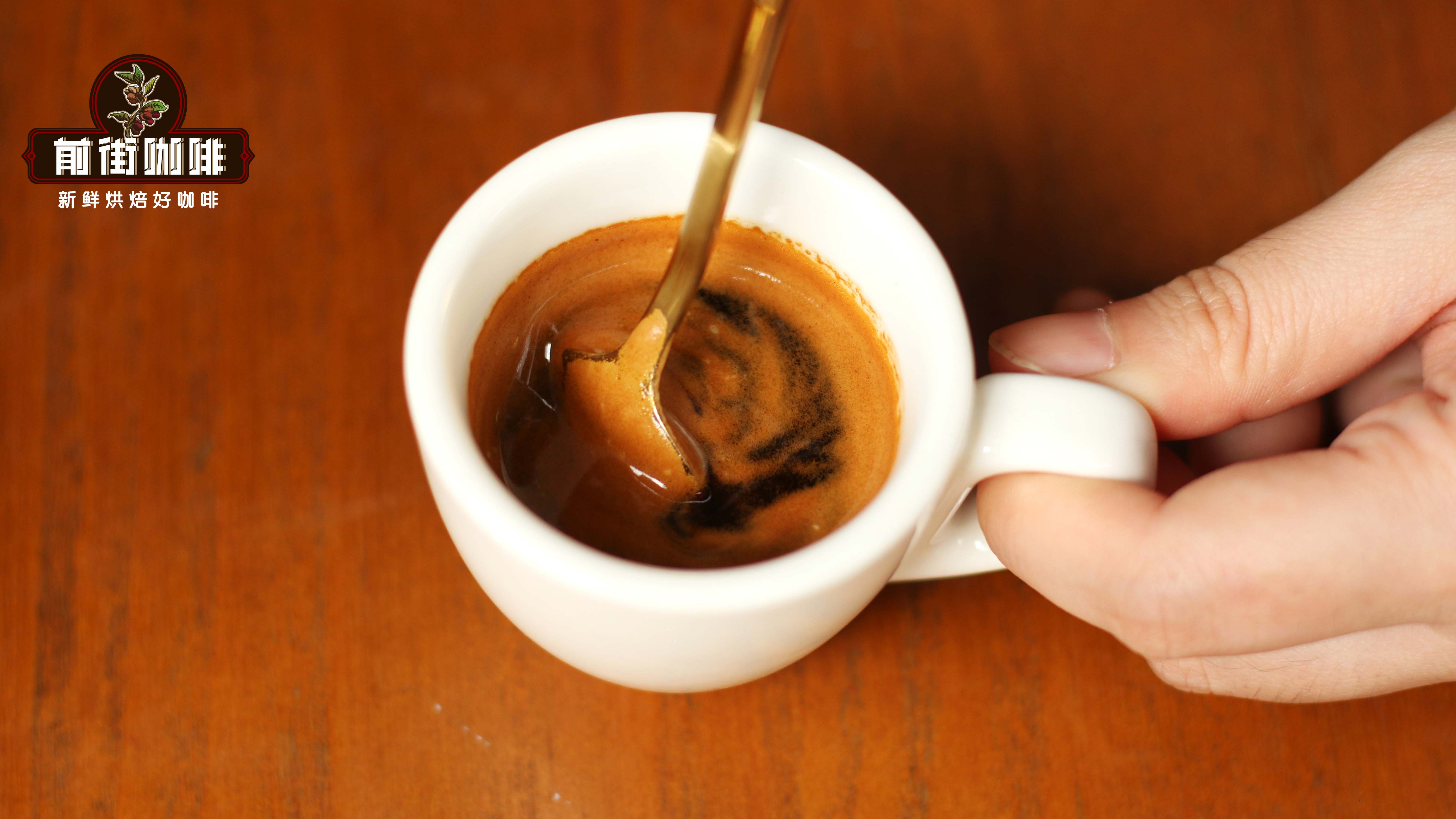
[Espresso] It is the soul base of all espresso-based coffees—without it, there would be no variations like latte or cappuccino. The word “Espresso” means “fast” in Italian. It originated during Europe’s Industrial Revolution in the early 20th century when people sought quicker ways to enjoy coffee. This led to the invention of coffee machines that use high pressure to extract coffee in a short time. It’s recommended to use about 20 grams of coffee grounds to extract 40 milliliters of concentrated espresso liquid within 28 to 35 seconds—only then will the concentration and taste meet the standard of a proper Espresso. " alt="Espresso illustration" />
[Americano] Its creation actually stems from World War II, when American soldiers complained that Italian Espresso was too strong. They asked baristas to dilute the Espresso with water, and unexpectedly found that the resulting drink better suited their tastes. The method is very simple: just mix 40 milliliters of Espresso with 160 milliliters of hot water at around 70°C in a 1:4 ratio, and you’ll have a smooth yet flavorful Americano.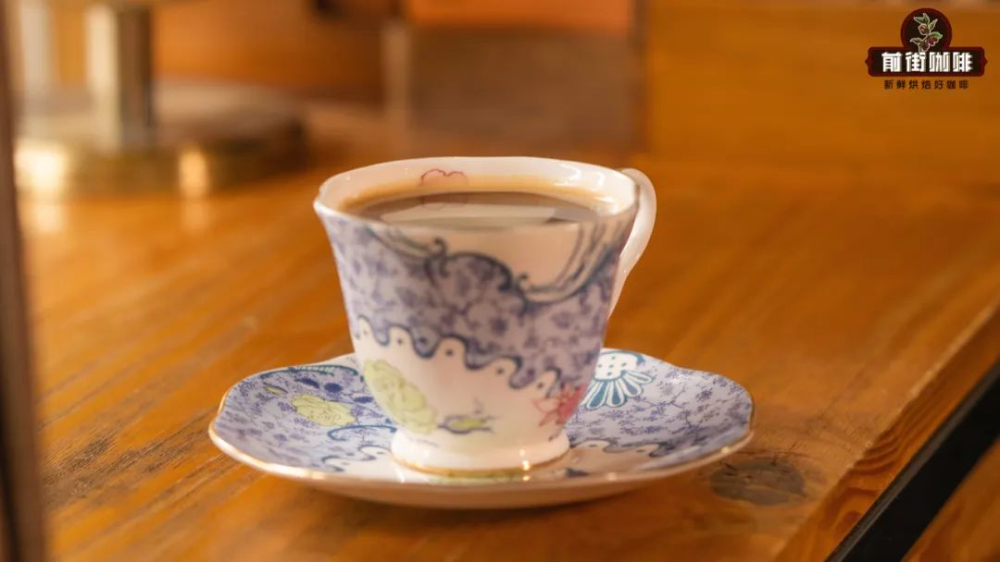 " alt="Americano illustration" />
[Cappuccino] Like the latte, it belongs to the milk coffee category, but its history is even earlier. Its name comes from the Italian word “Cappuccino,” which refers to a monk’s hood—its layered milk foam resembles the hood on a friar’s robe. The standard ratio is 1 part Espresso (40 milliliters) to 4 parts steamed milk (160 milliliters), along with plenty of foam for latte art. It offers a balanced and layered flavor.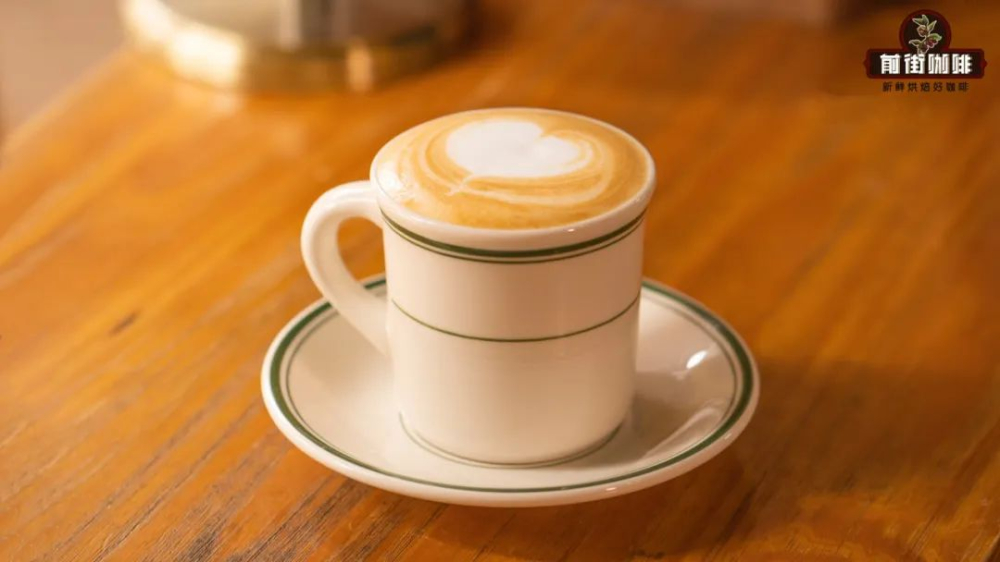 " alt="Cappuccino illustration" />
[Latte] It is currently one of the most popular coffee drinks worldwide. In Italian, “Latte” means “milk.” Compared to a cappuccino, a latte uses more milk and has a finer layer of foam. The recommendation is to use 40 milliliters of Espresso with 200 milliliters of steamed milk at about 65°C and with a thin layer of foam. It’s perfect for those who enjoy a smooth, milky taste. Note: ordering just “Latte” in Italy might get you a glass of plain milk!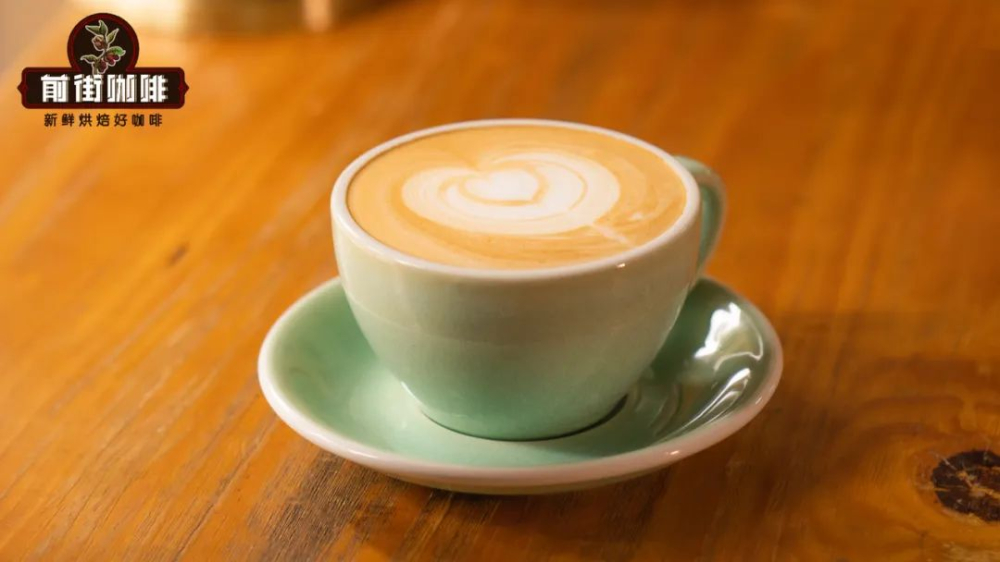 " alt="Latte illustration" />
[Mocha] Originally referred to the port of Mocha in Yemen, once a major hub in global coffee trade, where exported coffee beans were labeled “Mocha” to indicate origin. Later, as coffee supplies diversified and the prominence of the Mocha port waned, people began adding chocolate to their coffee to recreate the rich, chocolatey flavor associated with it. The recommended recipe is 40 milliliters of Espresso, 10 grams of chocolate syrup, and 190 milliliters of steamed milk at 65°C with a thin layer of foam. It suits coffee lovers who enjoy a sweet yet slightly bitter profile.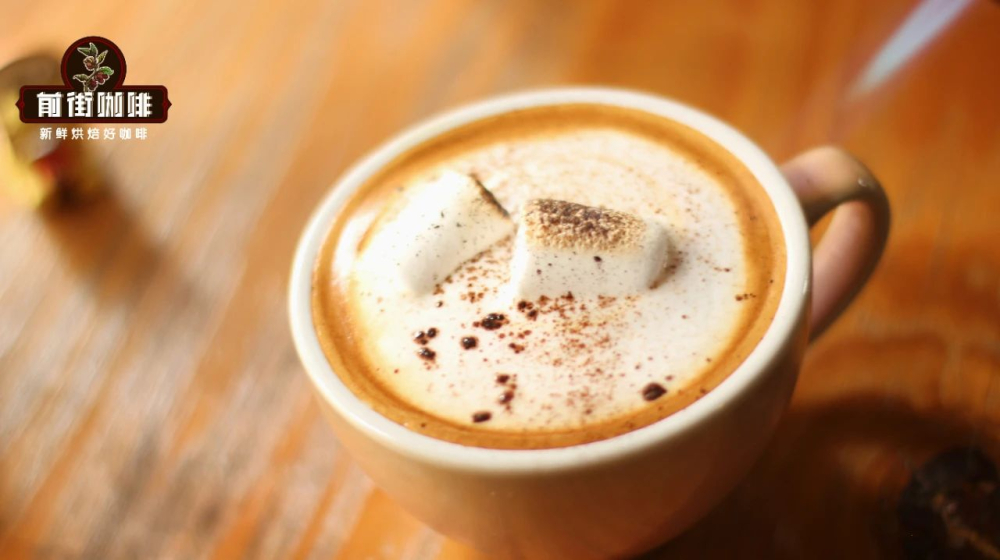 " alt="Mocha illustration" />
[Macchiato] In Italian, it means “stain” or “mark.” It was originally created so customers could tell which Espresso shots had a small amount of milk added—a thin layer of foam was poured on top as a “mark.” To make it, simply add 10 milliliters of 65°C hot milk and a layer of foam to 40 milliliters of Espresso. It has a rich flavor with a gentle milk aroma, making it ideal for those who love pure coffee but want to reduce bitterness. " alt="Macchiato illustration" />
[Caramel Macchiato] Although its name contains “Macchiato,” it’s actually an entirely new specialty coffee. Inspired by the latte, it incorporates caramel and vanilla syrups to create a sweet but not cloying flavor. The recommended method is to first pour 10 milliliters of vanilla syrup into the cup, then add 180 milliliters of 65°C steamed milk with thick foam. Pour 40 milliliters of Espresso in the center, and drizzle caramel syrup on top as decoration. It’s a great creative coffee for beginners with a sweet tooth. " alt="Caramel Macchiato illustration" />
[Flat White] This is a drink invented by Australians seeking a richer milk-coffee flavor. Compared to a cappuccino, it has thinner foam and a higher proportion of coffee. Use 40 milliliters of Espresso with 160 milliliters of 65°C steamed milk with a thin layer of foam. It delivers a smooth texture with a prominent coffee aroma, perfect for those who enjoy intensity without excessive foam.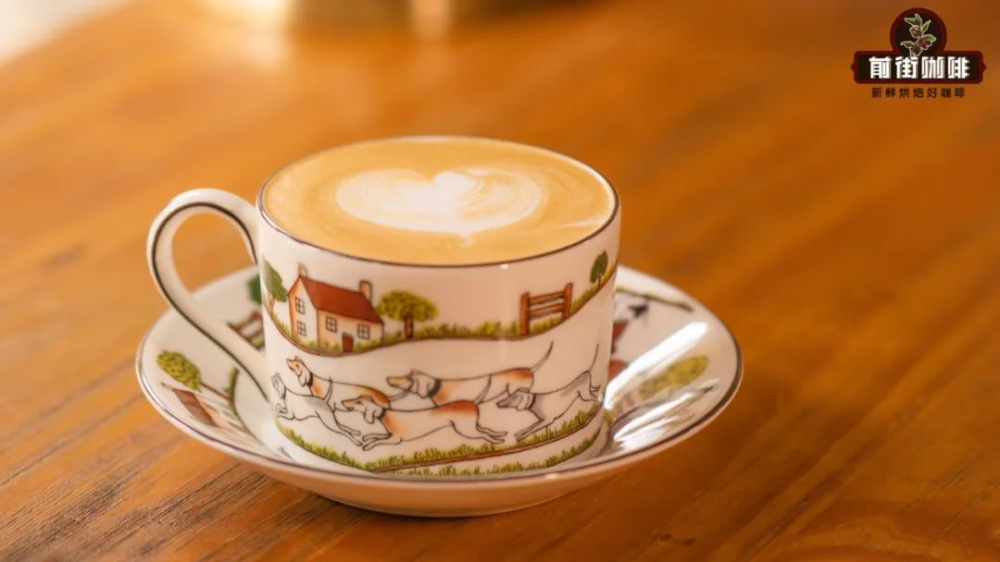 " alt="Flat White illustration" />
[Dirty] This is the only one among these coffees that is primarily served as an iced drink. Originating from a creation by Japanese barista Masayuki Tanaka, it emphasizes the strong contrast between hot Espresso and cold milk. To prepare, first have 200 milliliters of ice milk ready, then directly extract 40 milliliters of hot Espresso onto the ice milk. This creates a visual and taste double impact, resembling “angel’s tears” in beauty. The appeal of Dirty lies in the contrast of hot and cold textures, making it ideal for summer or coffee lovers looking for something fresh and exciting.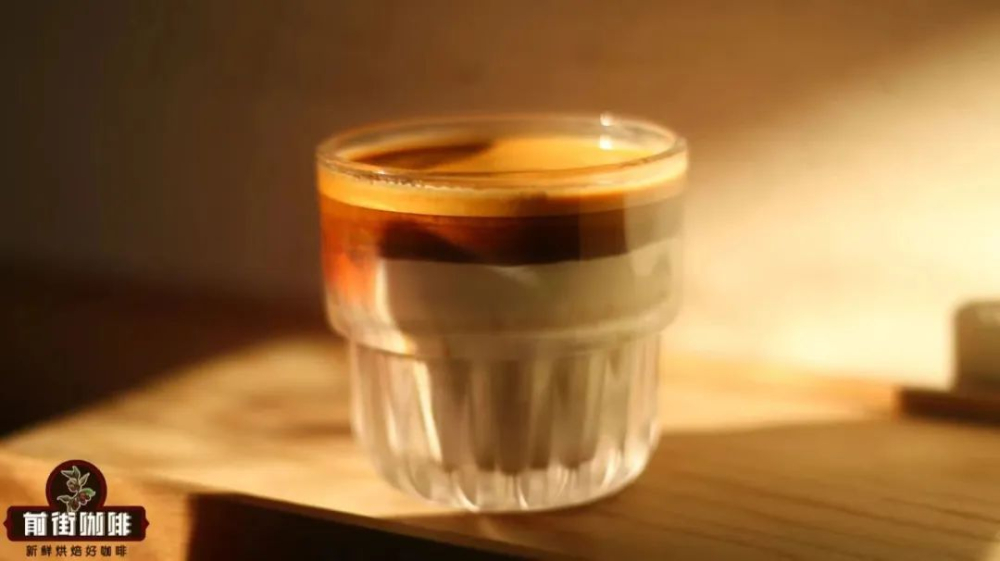 " alt="Dirty illustration" />
After understanding the origins and basic preparation methods of these classic coffees, whether you’re a coffee beginner or an enthusiast aiming to elevate your home coffee game, you can try recreating these uniquely flavored espresso-based drinks at home based on your personal taste preferences, and enjoy your own special coffee moments.
The above content is compiled by CoffeeHunters, a coffee news website.


